
Pest Control in Miami, FL
Connect With a Local Pro
Who Knows the Tropics
PestAlly connects Miami-Dade homeowners with independent, local
pest control pros who understand Formosan termite pressure, roof rats in the palms
and a climate that never gives anything a winter off.
In Miami-Dade, Nothing Gets a Winter — and That Changes Everything
Most of the country gets a reset. A cold snap knocks populations back, and spring starts from a low baseline. Miami-Dade never gets that. The subtropical climate means insects and rodents breed continuously through the year, so a small problem in January is a large one by March simply because nothing interrupted it. On top of that, this county carries the heaviest termite pressure in the United States, with Formosan subterranean termites — a far more aggressive species than the native ones — established across the area. Roof rats own the palms, soffits and attics. German roaches and palmetto bugs thrive in the heat and humidity. PestAlly connects Miami homeowners with independent, local pros who work on a continuous-pressure model, because in this climate reactive treatment is always playing catch-up.
Get Connected With a Local Pro →
At a Glance
Service Area
Miami, FL and surrounding Miami-Dade County communities
Most Common Pests
Formosan and subterranean termites, roof rats, German roaches, palmetto bugs, ants, mosquitoes
Peak Pest Season
Year-round — wet season May to October intensifies everything
Response Time
Same-day and next-day appointments typically available
Miami’s Year-Round Pest Calendar
There’s no off-season here. The calendar tracks the wet and dry seasons rather than warm and cold.
Winter
Dec – FebDry season pushes ants and roaches indoors hunting moisture
Roof rats active in attics and soffits; termites feeding below
Warming temperatures accelerate roach and ant reproduction
Spring
Mar – MaySubterranean termite swarms begin across Miami-Dade
Wet season starts — Formosan termite swarms and mosquito surge
Peak Formosan swarm season; heavy rain drives roaches indoors
Summer
Jun – AugMosquito pressure at its highest; roof rats work fruiting trees
Hurricane-season rain floods roach and ant harborage
Storm damage opens new entry points across the county
Fall
Sep – NovWet season ends; rodents move indoors as conditions dry
Dry season begins — ant and roach trails move inside for water
Termites keep feeding year-round; no winter slowdown at all
One exception: Nothing on this calendar actually stops. In most of the country a pest calendar shows when species become dormant — in Miami-Dade it only shows when each one peaks. Formosan termites, German roaches and roof rats all reproduce continuously, which is why the interval between services matters far more here than the product used.
Services We Cover in Miami
Condo, single-family home, or an older property near the water — here’s what the local pros in our network handle.
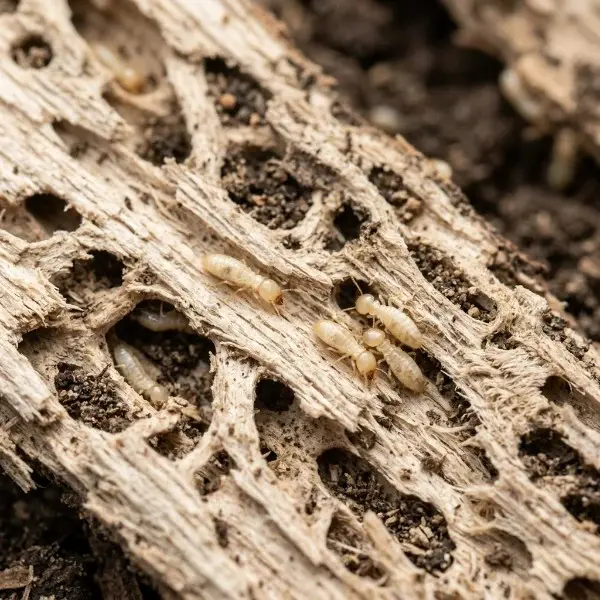
Termites
Miami-Dade carries the heaviest termite pressure in the United States, and Formosan subterranean termites are established across the county.
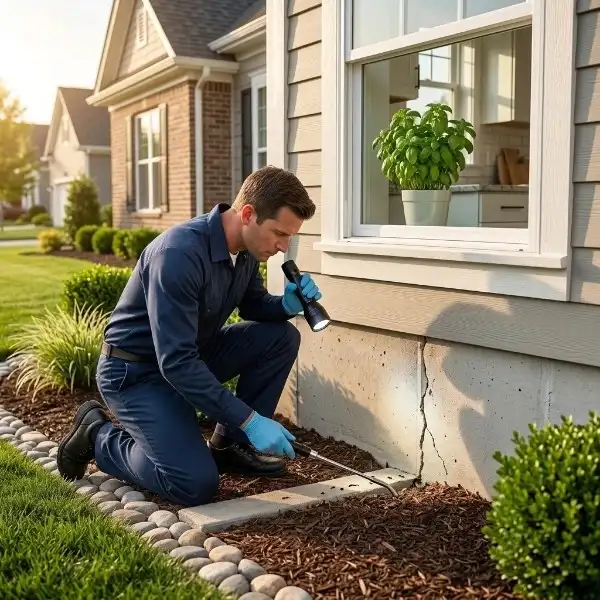
Ants
Ghost ants, white-footed ants and Caribbean crazy ants are all established here, and they nest in wall voids and planters rather than outside in soil.
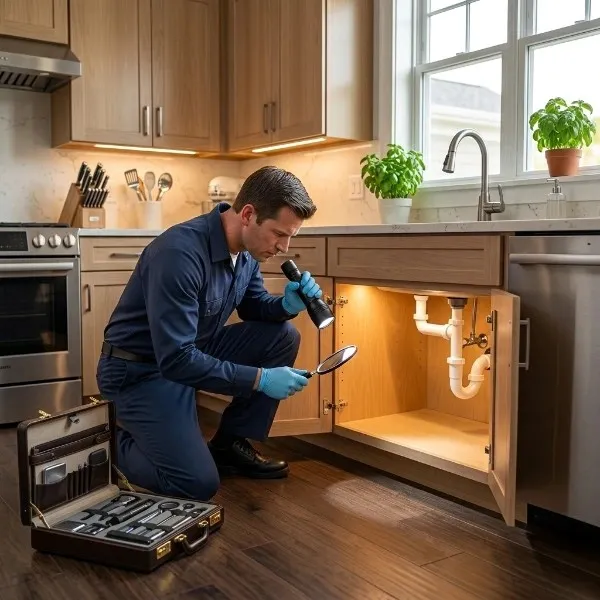
Roaches
German roaches and palmetto bugs thrive in the tropical heat and humidity, and German roach populations rebound fast without follow-up service.
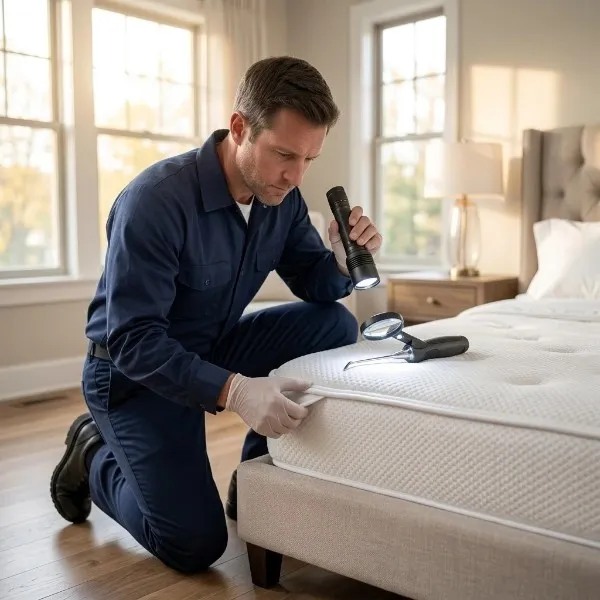
Bed Bugs
Constant tourism, rental turnover and dense multi-family housing keep bed bug cases among the highest in the state.
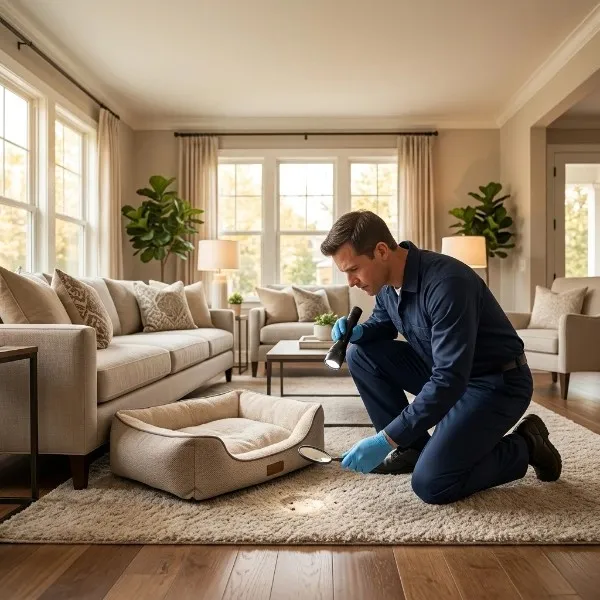
Fleas
Warm, humid yards and urban wildlife mean flea populations never die back seasonally the way they do further north.
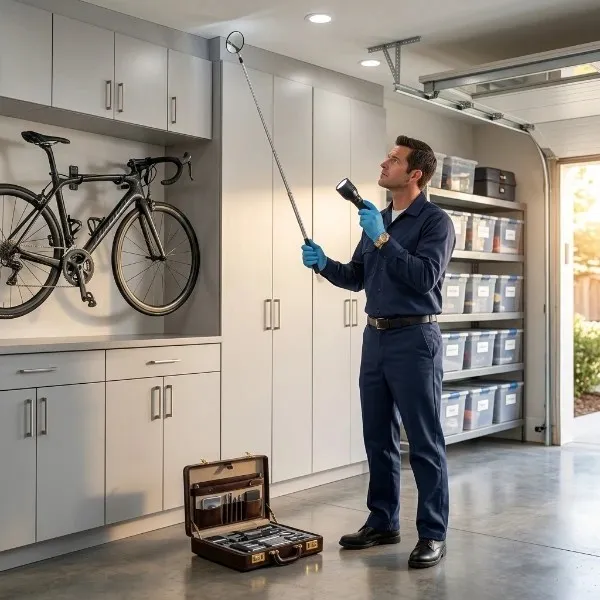
Spiders
Widow spiders and huntsman spiders turn up in garages, sheds, soffits and screen enclosures across Miami-Dade.
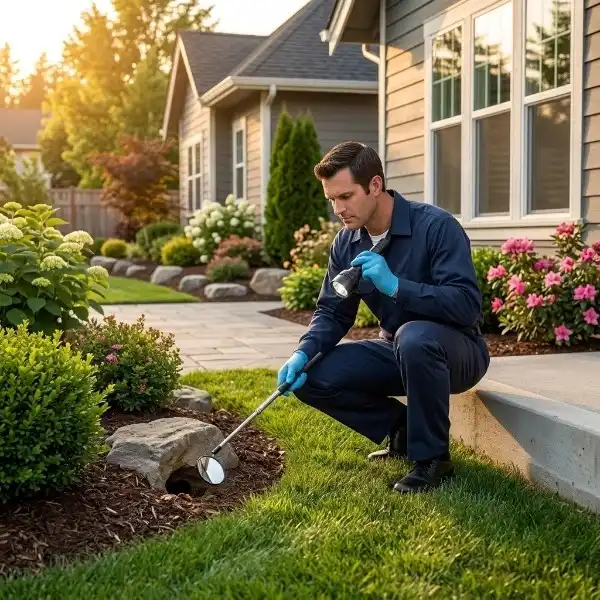
Yellow Jackets
Ground and void nests build fast in the heat, and screen enclosures and pool areas are common problem spots.
Wasps
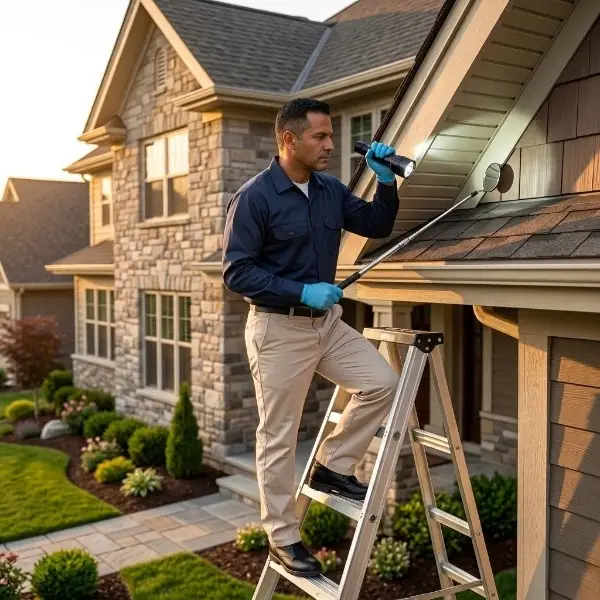
Paper wasps build under eaves, balconies, patio covers and screen enclosure frames all year here.
Mosquitoes
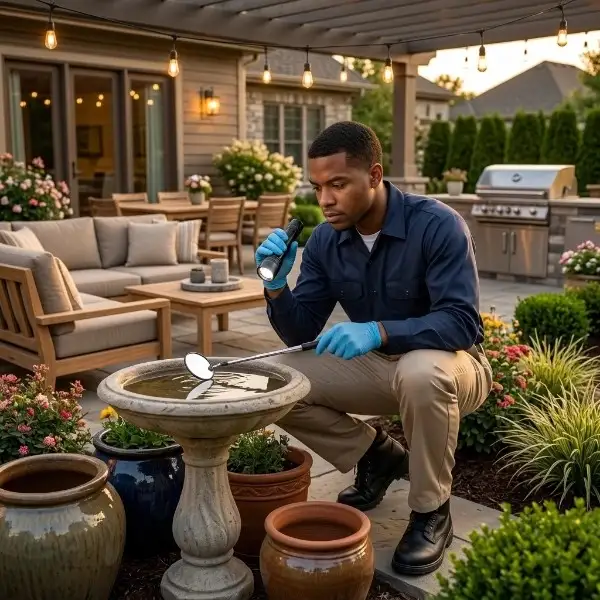
Standing water after wet-season rain plus dense development gives Miami one of the longest and heaviest mosquito seasons in the country.
Flies
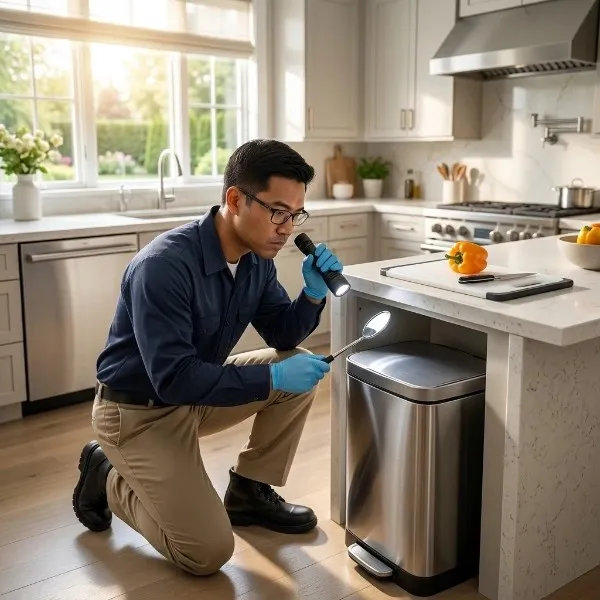
Drain and filth flies are constant in this climate, and the source is almost always a specific drain, bin area or grease line.
General Insects
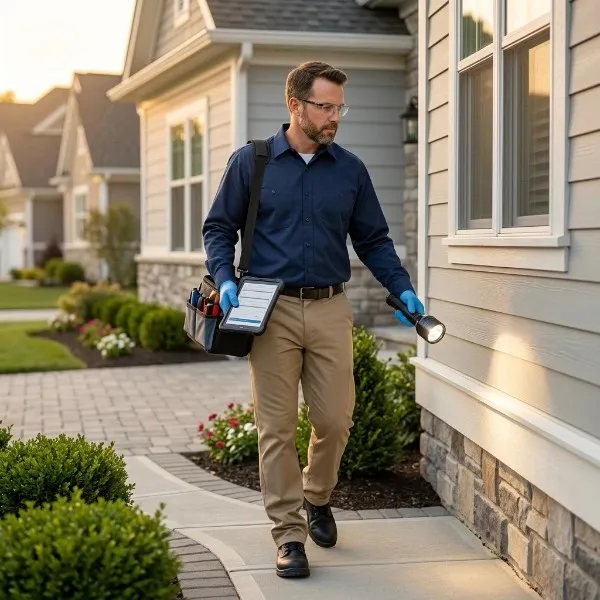
Silverfish, millipedes and other humidity-driven insects stay active year-round, plus Formosan and native termite inspection referrals.

General Rodents
Roof rats are the dominant Miami-Dade rodent — they nest in palms, soffits and attics and re-enter unless the roofline is sealed.
Trusted by Homeowners Across the Country
Licensed & Insured
Every pro in the network carries current licensing and insurance.
Same-Day Service
Same-day and next-day appointments typically available.
100% Satisfaction Guarantee
If the pest comes back, your pro comes back — that is the standard.
Locally Trusted Experts
Independent pros who actually live and work in your area.
No Obligation to Book
Talk to a pro first. Nothing is committed until you say so.
Vetted Pro Network
We screen every contractor before they join the PestAlly network.
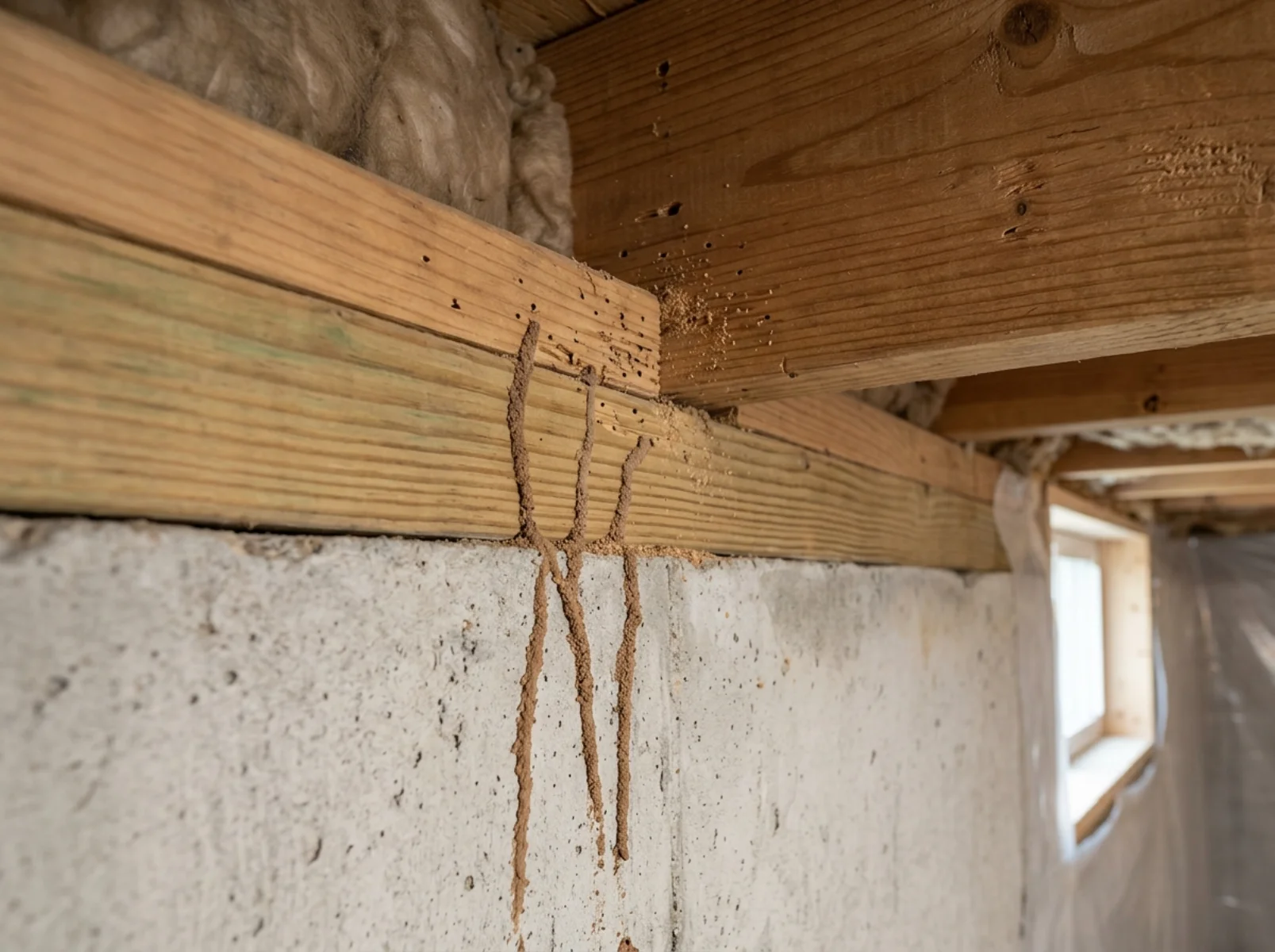
Most Common Pest Entry Points in Miami Homes
Roof rats get into Miami attics through soffit gaps, tile edges and roofline joints. This is the single most common rodent entry route in Miami-Dade, and it’s above eye level so it usually goes unnoticed.
Palms, ficus hedges and dense landscaping touching the roof act as a highway. Roof rats climb and don’t need ground access, so trimming matters as much as trapping.
Screen enclosures and pool cages have dozens of frame joints and screen tears, and they’re a standard harborage point for wasps, spiders and roaches.
Formosan and native subterranean termites reach the structure through the slab edge and around pipe penetrations, which is where mud tubes appear first.
A/C line sets, condensate drains and wall penetrations are permanently damp in this humidity, which makes them a reliable route for ants and roaches.
Why Miami Homes Deal With These Pests Specifically
Two Miami-Dade realities change how treatment has to work here — and both are about pressure that never lets up.
Miami-Dade carries the heaviest termite pressure in the country
This county has the highest termite pressure in the United States, and the Formosan subterranean termite is a major part of why. Formosan colonies are far larger and more aggressive than native subterranean colonies, and in this climate they feed continuously through the year with no seasonal slowdown.
Treating only when a swarm is seen. Swarmers mean a mature colony is already established nearby. Inspection and monitoring are what catch it early — by the time swarmers appear indoors, the structure has usually already been fed on.
No winter means no reset — the interval between services is everything
In a subtropical climate, populations rebuild continuously. German roaches, ants and roof rats all reproduce year-round, so a gap in coverage isn’t a pause — it’s a period of unopposed growth. That’s why Miami service schedules are tighter than they are almost anywhere else.
Cancelling service once the visible problem stops. In Miami-Dade that’s the point at which the population is lowest and easiest to hold down — stopping there gives it the whole year to come back.

What to Expect From a Local Pro’s Visit
Every Miami property is different, but the sequence stays the same — your local pro starts at the roofline and the slab, because that’s where Miami-Dade problems begin.
Inspect
Full inspection: roofline and soffits, palm and landscaping contact, slab edge, A/C penetrations, screen enclosure and attic.
→Identify
Confirming the species, since Formosan termite work, roof rat exclusion and German roach control are three completely different jobs.
→Treat
Matched to the finding: termite baiting or liquid barrier, rodent trapping and exclusion, targeted roach work, or perimeter and harborage treatment.
→Seal
Sealing soffit and roofline gaps, closing slab-edge and utility penetrations, and cutting back palm and hedge contact.
→Follow Up
Ongoing service on a tight interval — in a climate with no winter, the schedule is what does the work, not the product.
→Miami Neighborhoods & Communities We Serve
PestAlly connects homeowners across Miami and the surrounding Miami-Dade County communities.
Coral Gables
→Coconut Grove
→Little Havana
→Brickell
→Wynwood
→Kendall
→Allapattah
→Miami Gardens
→Cutler Bay
→Doral
→Fort Lauderdale
33301, 33304, 33305, 33306, 33308, 33309, 33311, 33312, 33316, 33324, 33326, 33334
→West Palm Beach
33401, 33403, 33404, 33405, 33406, 33407, 33409, 33411, 33413, 33415, 33417
→How PestAlly Works in Miami
PestAlly doesn’t perform the pest control ourselves — we connect you with vetted, independent local professionals who do.
Get Started →Tell us what’s going on
The pest, and roughly where in the Miami-Dade area you’re located.
We match you with an independent, local pro
Someone who services your specific neighborhood.
You deal directly with that contractor
Pricing, scheduling, and the work itself are between you and them.
Frequently Asked Questions
Is termite risk really worse in Miami than elsewhere?⌄
Yes. Miami-Dade carries the heaviest termite pressure in the United States, and Formosan subterranean termites are established across the county. Formosan colonies are much larger and more aggressive than native ones, and the subtropical climate means they feed year-round without a seasonal break.
Why do roof rats keep getting into my attic?⌄
Because they climb. Roof rats are the dominant rodent in Miami-Dade and they nest in palms, soffits and attics rather than at ground level. Until the soffit and roofline gaps are sealed and overhanging palms and hedges are cut back, a new group simply uses the same route.
Why do German roaches come back after treatment?⌄
German roaches reproduce extremely quickly, and Miami’s heat and humidity means nothing slows that down. A single treatment reduces the visible population but rarely reaches every harborage, so follow-up service within a few weeks is what actually breaks the cycle.
Do I need pest control all year, or just in summer?⌄
All year. There’s no winter die-off in Miami-Dade, so populations rebuild continuously. A gap in coverage here isn’t a pause — it’s unopposed growth, which is why service intervals in Miami are tighter than in most of the country.
Does PestAlly serve my specific Miami neighborhood?⌄
PestAlly connects homeowners throughout Miami and Miami-Dade County, including Coral Gables, Coconut Grove, Little Havana, Brickell, Kendall and Cutler Bay, plus Fort Lauderdale, West Palm Beach, Boca Raton, Hialeah and Homestead. ZIP codes we cover in Miami include 33125, 33133, 33143, 33155, 33165, 33176, 33186 and 33196.
Get Connected With a Local Miami Pest Control Pro
Whether it’s a swarm on the patio in May, something running through the soffit at night, or roaches that keep coming back, PestAlly connects you with an independent, local pro who knows what Miami-Dade homes are actually up against.
Looking beyond Miami? See every Florida city we cover →