
Wasp Nest Removal — And Why It Keeps Happening in the Same Spot
PestAlly connects you with independent, local pros who remove the nest and address why wasps keep choosing that spot.
Aggressive Hornets
Hornet colonies can hold several hundred to over 1,000 individuals and defend the nest aggressively, capable of multiple painful stings.
Nests Near Entryways
Nests near doors, porches, and walkways put people at risk of accidental contact just going about daily routines.
Recurring Same-Spot Nesting
The location itself keeps attracting new queens each spring, so removal alone often means a new nest next year.
THE PESTALLY STANDARD
Independent, local providers — vetted for you.
We connect you with independent, local providers — many licensed, insured, and background-checked. If a match isn’t right, we’ll help you find another.
At a Glance
| Service | Wasp Nest Removal |
| Best For | Paper wasp, hornet, or mud dauber nests around eaves, porches, sheds, garages |
| Common Types | Paper wasps, hornets, mud daubers |
| DIY Works? | Sometimes for a small, low, easily-accessible paper wasp nest |
| Professional Needed? | Yes for hornets, high/hard-to-reach nests, or repeat locations |
| Typical Cost | $100–$700+ depending on species, size, and location |
| Service Area | Nationwide |
The PestAlly Process
Identify the Species
Paper wasp, hornet, or mud dauber — since risk level and method differ significantly.
Assess Access & Risk
Height, enclosure, and proximity to doors/walkways all factor into the approach.
Remove the Nest Safely
With appropriate protective equipment, especially for hornets or larger colonies.
Flag Site Conditions
Shelter, food, and water sources that make the spot a repeat target.
Follow-Up Guidance
For known repeat locations, sometimes including a spring check before a new nest establishes.
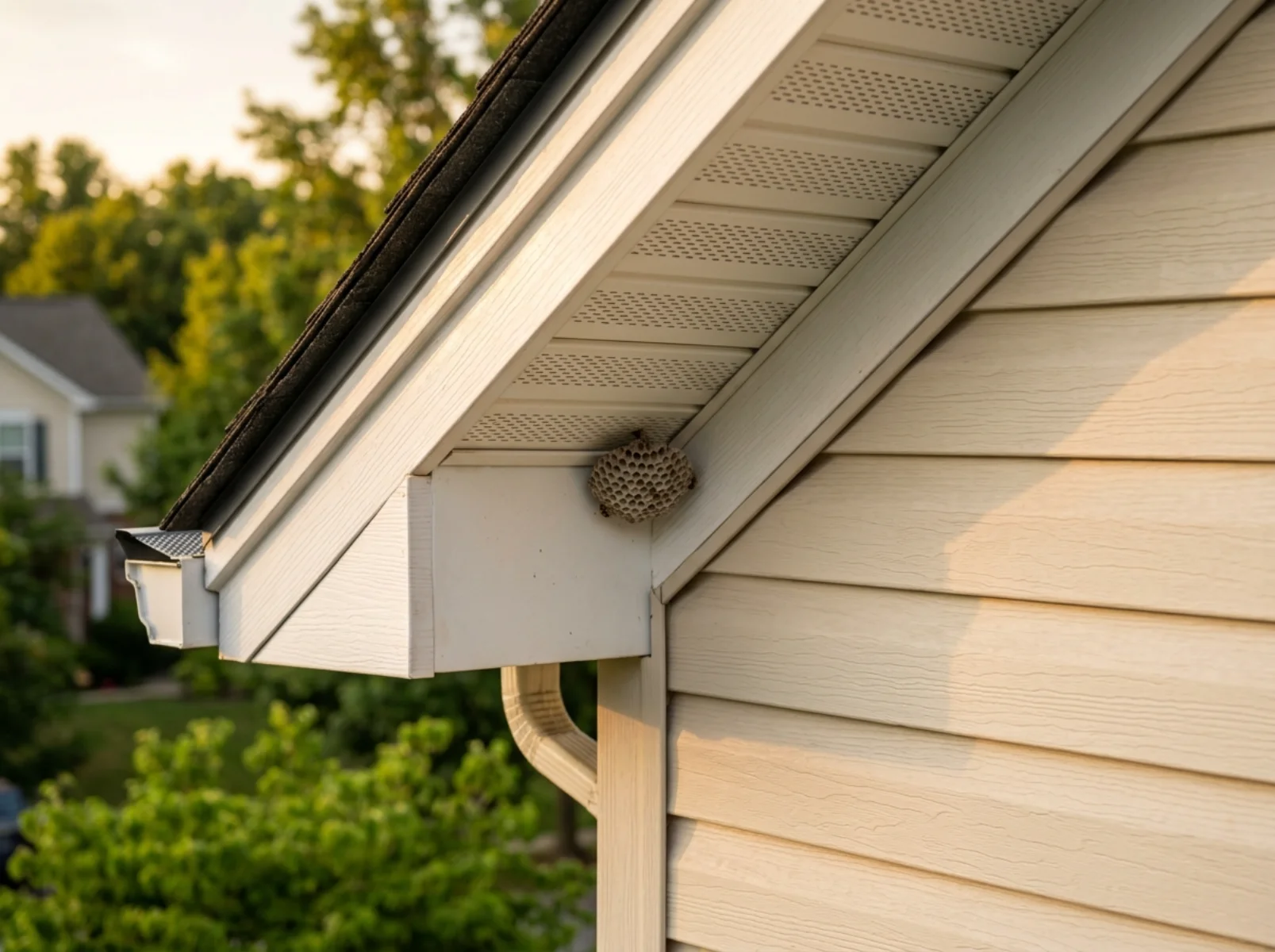
SAME SPOT? WE KNOW WHY
Nest Removed — Repeat Spot Addressed
A specialist removes the nest and flags the shelter, food, or water conditions that keep attracting new queens to the same spot.
RESOURCES
Wasp Home Protection
Why does a nest keep showing up in the same spot?
It’s not the same colony returning — queens don’t reuse old nests. It’s the location itself: shelter, food, and water conditions that stay the same year to year.
→What’s the difference between a paper wasp and hornet nest?
Paper wasp nests are small, open, umbrella-shaped combs. Hornet nests are much larger, fully enclosed with one small entrance, and hornets are more aggressive.
→Are mud dauber nests dangerous?
Not usually — mud daubers are solitary and rarely sting unless directly handled, even though their mud tubes can look concerning.
→Should I remove an old, inactive nest myself?
Once confirmed empty, it’s generally low-risk, but confirming it’s truly inactive (not just quiet) is worth a professional opinion.
→COMMON CAUSES
“It’s the Same Spot Every Year” — What’s Actually Going On
If nests keep showing up in the same corner of your home, here’s what’s really happening.
Wasps Don’t Reuse Old Nests
New queens build new ones each spring — the nest itself isn’t the draw, the location is.
Shelter Is the Biggest Factor
Eaves, porch ceilings, sheds, and attics protect a developing nest from weather and predators — the same features every spring.
Nearby Food and Water Draw Them Back
Flowering plants, exposed trash, and standing water keep drawing wasps back to the neighborhood.
An Old Nest Left in Place Can Make It Worse
Other wasps or hornets sometimes move into an abandoned nest if it’s left up over winter.
This is why nest removal alone, without addressing the site itself, so often means dealing with a new nest the following spring.

Paper Wasps vs. Hornets vs. Mud Daubers
Knowing which one you’re looking at changes both the urgency and the removal approach.
- Paper Wasps — build the small, open, umbrella-shaped nests most people picture, a hexagonal comb usually just a few inches wide, hanging from twigs, porch ceilings, or eaves. Generally less aggressive than hornets unless the nest itself is directly disturbed.
- Hornets — build much larger, fully enclosed nests, sometimes basketball-sized, with a papery outer envelope and just one small entry hole. Colonies can hold several hundred to over 1,000 individuals and defend the nest aggressively.
- Mud Daubers — build narrow, 3–4 inch mud tubes, often tucked under porch overhangs, in garages, or sheds. Solitary, not social, and rarely sting unless directly handled — the least urgent of the three.
A solitary mud dauber tube is a different job than an enclosed hornet nest with a thousand defenders inside.
DIY vs. Professional Removal
| DIY | Professional | |
|---|---|---|
| Works for | Small, low, easily-reached paper wasp nests | Hornets, large nests, high or hard-to-reach spots, repeat locations |
| Protective equipment | Store-bought spray, some risk of stings during removal | Professional-grade suits and equipment |
| Ladder/height work | Riskier without proper gear | Standard part of a professional job |
| Prevention guidance | Not typically included | Often included — addressing why the spot keeps attracting nests |
| Typical cost | $10–$30 in spray | $100–$700+, varying by species/location |
Prevention Checklist
- Remove old, inactive nests once confirmed empty — reduces the chance of another species moving in
- Seal gaps in eaves, soffits, and attic vents where nests commonly start
- Keep trash sealed and minimize exposed sugary food/drinks outdoors, especially late summer
- Trim back flowering plants and shrubs directly against the house
- Address any standing water sources near the home
Dealing with other stinging or flying insects too? PestAlly also connects homeowners with local pros for Yellow Jacket Removal and Mosquito Control.
- Identify the species — paper wasp, hornet, or mud dauber — since risk level and method differ significantly.
- Assess access and risk — height, enclosure, and proximity to doors/walkways all factor into the approach.
- Remove the nest safely — with appropriate protective equipment, especially for hornets or larger colonies.
- Flag site conditions — shelter, food, and water sources that make the spot a repeat target.
- Follow-up guidance — for known repeat locations, sometimes including a spring check.
How a PestAlly-Connected Pro Handles a Wasp Nest
PestAlly connects you with independent, local pest control professionals — many licensed and equipped for nests at height or in enclosed structures, using EPA-registered products. A proper wasp removal typically includes:
Frequently Asked Questions
Why does a wasp nest keep showing up in the exact same spot every year?
What’s the difference between a paper wasp nest and a hornet nest?
Are mud dauber nests dangerous?
Should I remove an old, inactive wasp nest myself?
How much does professional wasp nest removal cost?
Can I get rid of a wasp nest myself?
Stop Removing the Nest Without Fixing What Keeps Attracting It
If this is the second or third year in a row a wasp nest has shown up in the same corner of your home, removing it again won’t be the last time — unless the actual conditions drawing wasps there get addressed too. PestAlly connects you with an independent, local professional who can do both.
Need wasp nest removal where you live? PestAlly covers 594 cities across 29 states and Washington, D.C. — find your city →