
Bed Bug Treatment That Gets Every Hiding Spot — Not Just the Bed
PestAlly connects you with independent, local bed bug specialists who treat the entire problem, not just the mattress.
Rapid Spread
Left untreated, bed bugs move from room to room, hiding in furniture, luggage, and even electrical outlets.
Sleepless Nights
Bites and the anxiety of an active infestation often disrupt sleep long before the problem is fully resolved.
Skin Irritation
Repeated bites can cause itching and welts, and scratching can lead to secondary skin infections.
THE PESTALLY STANDARD
Independent, local providers — vetted for you.
We connect you with independent, local providers — many licensed, insured, and background-checked. If a match isn’t right, we’ll help you find another.
At a Glance
| Service | Bed Bug Treatment |
| Best For | Confirmed or suspected infestations in beds, furniture, or multi-unit buildings |
| Common Signs | Blood smears, dark fecal spots, shed skins, bite lines/clusters |
| DIY Works? | Rarely fully — sprays miss eggs and hidden pockets |
| Professional Needed? | Almost always, once an infestation is confirmed |
| Treatment Options | Heat treatment (single visit) or chemical treatment (multiple visits) |
| Service Area | Nationwide |
The PestAlly Process
Inspect
Confirm bed bugs specifically and map every affected room or piece of furniture.
Choose Treatment Path
Heat, chemical, or a combined approach depending on the scope of the infestation.
Treat Every Hiding Spot
Mattress seams, furniture joints, baseboards, outlets — not just the obvious ones.
Prep Guidance
Clear instructions on laundry, clutter, and furniture before treatment day.
Follow-Up
A second look to confirm eggs and stragglers didn’t survive.
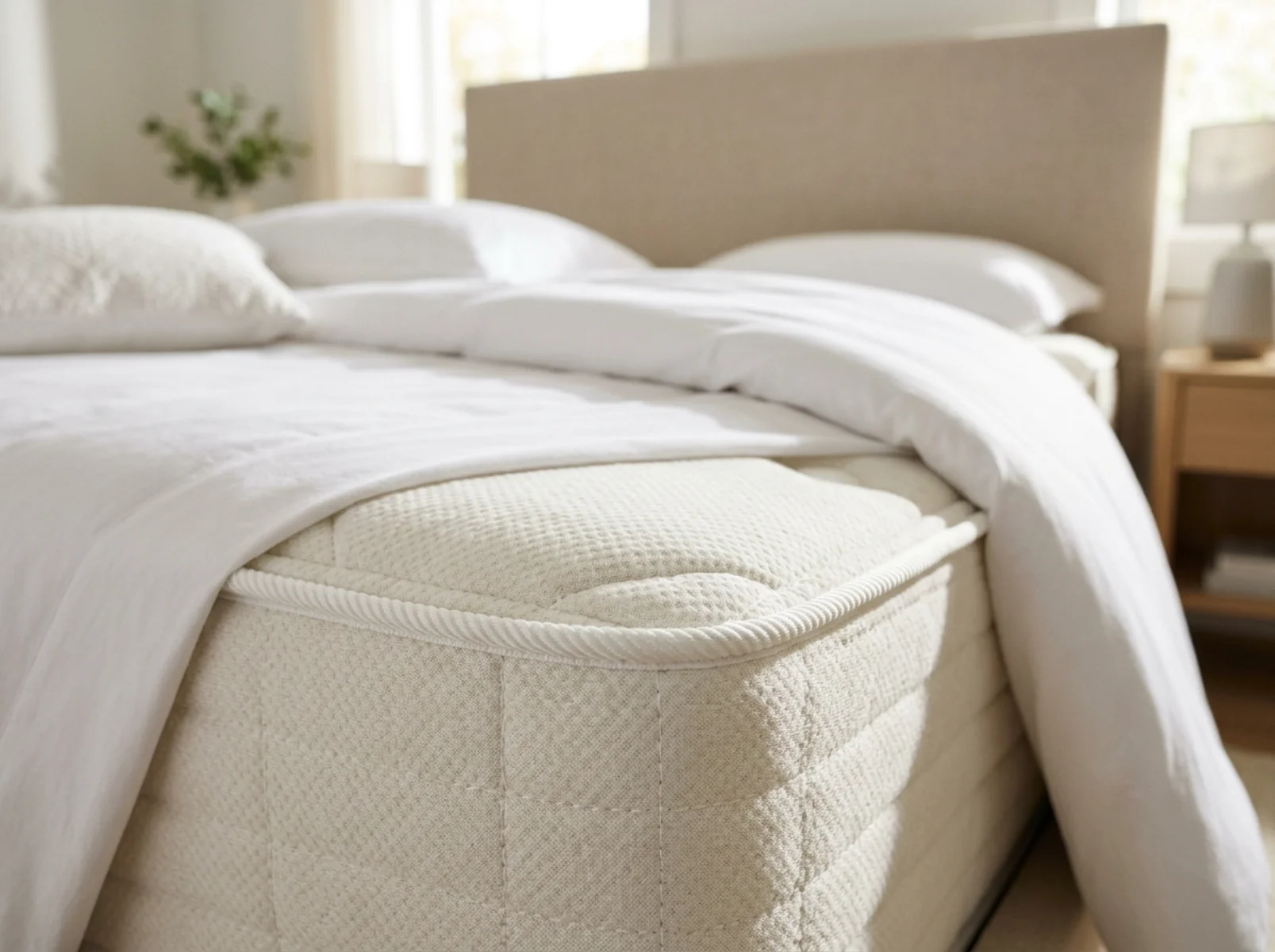
HEAT OR CHEMICAL
Bed Bugs Gone — Every Hiding Spot Included
A specialist treats the mattress, the frame, the baseboards, and everywhere else bed bugs hide — not just what’s visible.
RESOURCES
Bed Bug Home Protection
Can bed bugs live in furniture besides the bed?
Yes — couches, recliners, and even baseboards and outlets can harbor them, which is why treatment has to cover the whole room.
→Do I need to throw away my mattress?
Not always. Many infestations can be fully treated without replacing furniture, especially if caught early.
→How fast do bed bugs spread in an apartment?
Quickly between shared walls and through hallways — multi-unit buildings often need coordinated treatment across units.
→Will I still see bugs right after treatment?
Some short-term activity can be normal as remaining bugs are exposed. Activity should drop off within the follow-up window.
→COMMON CAUSES
Why Bed Bugs Keep Coming Back After “Treatment”
If you’ve treated once already and they’re back, it’s usually one of these.
Treatment Missed a Spot
Bed bugs hide in clutter, boxes, shoes, and clothing piles — anything not cleaned, moved, or treated can still harbor bugs or eggs.
Eggs Survived
Unless eggs are eliminated along with adults, an infestation can restart roughly every two weeks as they hatch.
Reintroduced From Elsewhere
Bed bugs are excellent hitchhikers — travel, visitors, and secondhand furniture are common reintroduction points.
DIY Sprays Built Resistance
Bed bugs have developed resistance to many over-the-counter pesticides — a partial DIY treatment can kill weaker bugs while the rest spread further.
This is why a proper professional treatment plan usually includes a follow-up inspection.

How to Tell If It’s Actually Bed Bugs
Bites alone are a poor way to confirm bed bugs — plenty of people never react to them, and others mistake mosquito or flea bites for bed bug bites. What’s more reliable:
- Small blood smears on sheets or pillowcases, left behind from a crushed bug
- Dark fecal spots — tiny black or brown dots along mattress seams, furniture joints, or baseboards
- Shed skins and tiny white eggs, left behind as the bugs mature
- Live bugs tucked into mattress piping, seams, tags, or bed frame cracks
- Bites in a line or zig-zag pattern, or clustered together, if you do react to them
Finding this early matters — a small, contained infestation is far cheaper and easier to fully clear than one that’s spread to multiple rooms or pieces of furniture.
Heat Treatment vs. Chemical Treatment
| Heat Treatment | Chemical Treatment | |
|---|---|---|
| How it works | Raises room temperature above 120°F to kill bugs and eggs | Targeted insecticide application to hiding spots |
| Visits needed | Usually one | Typically 2–3 visits over 2–4 weeks |
| Elimination rate | Very high in a single visit | Lower per visit — depends on full course being completed |
| Typical cost | ~$1–$3/sq ft, often $1,500–$3,500 for a room | ~$270–$775+ per room per visit |
| Downtime | Usable same day once cooled | Some prep/avoidance time between visits |
Neither option is automatically “better” for every situation — infestation size, budget, and whether it’s a single room or a whole apartment all factor in. This is exactly the kind of thing worth discussing with a local specialist before deciding.
Prevention Checklist
- Inspect secondhand furniture and mattresses before bringing them inside
- Use a protective, zippered encasement on mattresses and box springs
- After travel, inspect luggage and wash clothing on high heat before it touches your bed
- Reduce clutter near the bed — fewer hiding spots, easier inspections
- Vacuum mattress seams and bed frames regularly, especially after any suspected exposure
If you’re also dealing with other pests, PestAlly also connects homeowners with local pros for Ant Control, Roach Control, and General Pest Control as well.
- Inspect — confirm bed bugs specifically (vs. fleas or other bites), and map every affected room or piece of furniture.
- Choose a treatment path — heat, chemical, or a combined approach depending on the scope of the infestation.
- Treat every hiding spot — mattress seams, furniture joints, baseboards, outlets — not just the obvious ones.
- Prep guidance — clear instructions on what to do with laundry, clutter, and furniture before treatment day.
- Follow-up inspection — to confirm eggs and stragglers didn’t survive, since bed bugs are one of the pests most likely to need a second look.
How a PestAlly-Connected Specialist Handles a Bed Bug Case
PestAlly connects you with independent, local bed bug specialists — many licensed and using EPA-registered products, including options suited for bedrooms and shared living spaces. A proper bed bug case typically follows this pattern:
Frequently Asked Questions
How can I tell bed bug bites apart from mosquito or flea bites?
Why do bed bugs keep coming back even after I’ve treated the room?
Is heat treatment better than chemical treatment?
Can I get rid of bed bugs myself with store-bought sprays?
How much does professional bed bug treatment cost?
Do I need to throw away my mattress or furniture?
Don’t Let a Small Infestation Turn Into a Whole-House Problem
The longer bed bugs go untreated, the more rooms and furniture they spread to — and the more it costs to fully clear. PestAlly connects you with an independent, local bed bug specialist who can confirm what you’re dealing with and treat it properly, hiding spots included.
Need bed bug treatment where you live? PestAlly covers 594 cities across 29 states and Washington, D.C. — find your city →