
Flea Control That Breaks the Life Cycle — Not Just the Adult Fleas
PestAlly connects you with independent, local flea control pros who treat the full life cycle — indoors and in the yard.
Bites & Irritation
Fleas commonly bite around the ankles and lower legs, causing itchy, red welts that can persist for days.
Pet Health Issues
Heavy infestations can cause anemia in pets, and fleas are a known carrier of tapeworms.
Rapid Reinfestation
A single female flea can lay dozens of eggs a day, so an untreated environment can repopulate within weeks.
THE PESTALLY STANDARD
Independent, local providers — vetted for you.
We connect you with independent, local providers — many licensed, insured, and background-checked. If a match isn’t right, we’ll help you find another.
At a Glance
| Service | Flea Control |
| Best For | Recurring flea activity indoors, in the yard, or in a home with pets |
| Common Signs | Bites around ankles, pets scratching excessively, small dark specks (“flea dirt”) in bedding or carpet |
| DIY Works? | Rarely on its own — most DIY misses eggs/larvae |
| Professional Needed? | Yes, for anything beyond a very minor, freshly-caught case |
| Typical Treatment | Indoor treatment + yard treatment + pet treatment coordination |
| Service Area | Nationwide |
The PestAlly Process
Inspect
Confirm fleas and identify the likely source — pets, wildlife, or outdoor exposure.
Treat Indoors
Targeting carpets, pet resting areas, and cracks where eggs and larvae collect.
Treat the Yard
Focusing on shaded, humid areas pets frequent, when relevant.
Coordinate With Pet Treatment
Timing indoor/yard treatment alongside your vet-recommended pet product.
Follow-Up
Because the flea life cycle means a single visit doesn’t always catch everything hatching afterward.
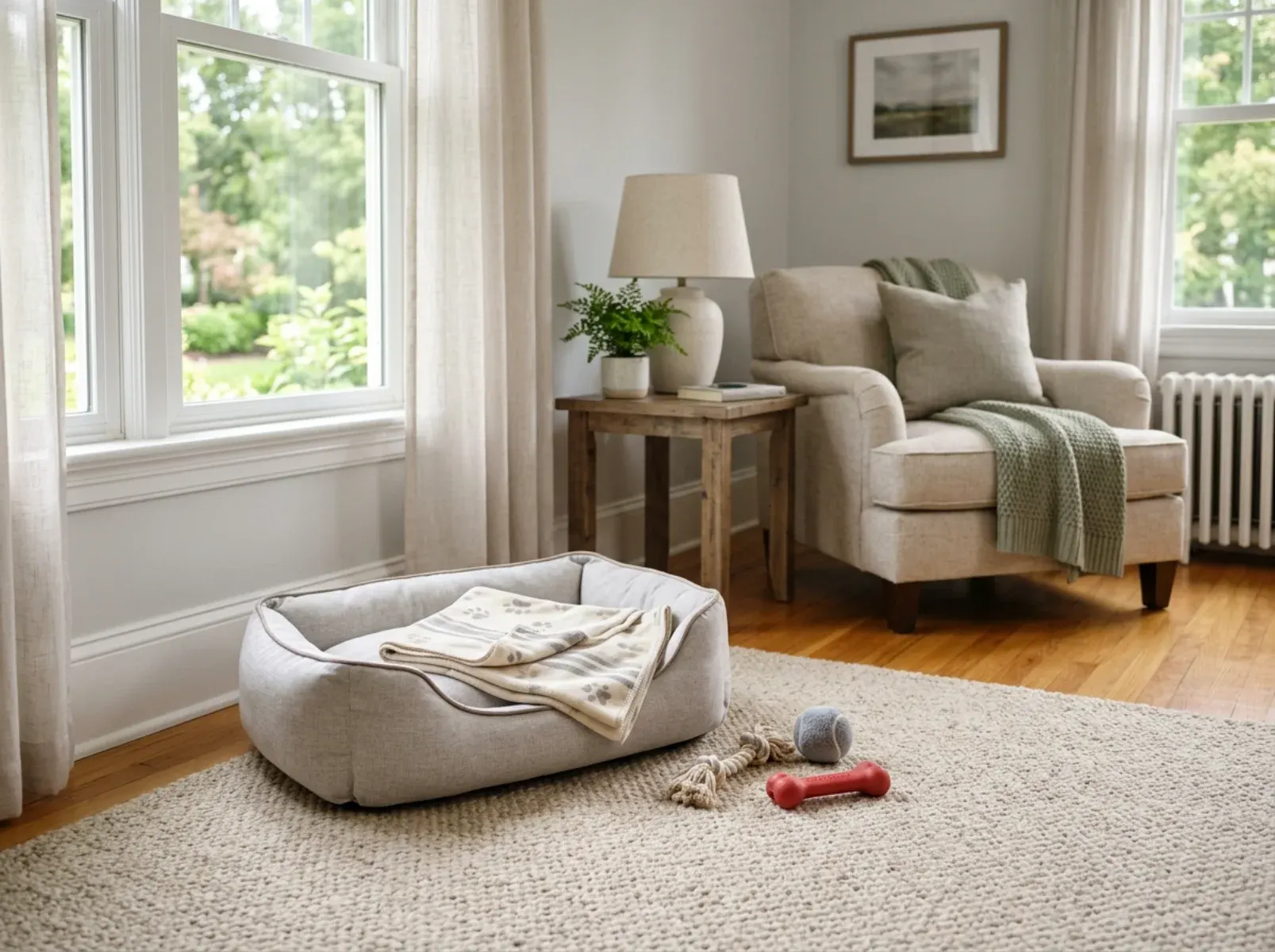
INDOOR + YARD
Fleas Gone — Life Cycle Included
A specialist treats the carpets, the pet resting areas, and the yard — not just the fleas jumping around today.
RESOURCES
Flea Home Protection
Can I still have fleas even with no pets?
Yes — wildlife nesting near the home, a previous tenant’s pets, or fleas hitching a ride on clothing are all common non-pet sources.
→Do I need to treat the yard too?
If pets spend time outside, usually yes — fleas often wait in shaded, humid spots before latching onto a pet.
→Why do fleas keep coming back after I treat my pet?
The fleas on your pet are only a small fraction of the population — most are eggs and larvae living in your carpet and bedding.
→How long until fleas are fully gone?
It varies, but coordinated treatment of the home and all pets can take a few weeks up to a few months given how long pupae can stay dormant.
→COMMON CAUSES
Why Fleas Keep Coming Back After You’ve Treated Your Pet
If you’ve treated your dog or cat and you’re still seeing fleas, it’s rarely the pet product’s fault.
Only 5% of Fleas Are on Your Pet
The other 95% — eggs, larvae, and pupae — are in your carpets, bedding, and floor cracks, not on the animal.
The Environment Wasn’t Treated
Flea collars and shampoos handle the pet, but do nothing about eggs and larvae already living in the house.
Foggers Miss the Hiding Spots
They struggle to reach under furniture, deep in carpet fibers, or inside baseboards.
Reinfestation From Outside
A single walk in the yard or park can bring new fleas back in if the yard itself wasn’t treated.
This is why a coordinated indoor-and-outdoor plan matters more than another round of pet shampoo.

Why You Have Fleas — Even Without Pets
It’s a common surprise: fleas showing up in a home with no dog or cat in sight. A few of the most common sources:
- Wildlife in or near the home. Squirrels, mice, possums, or raccoons nesting in a wall void, attic, or under a porch can drop fleas that migrate indoors.
- A previous tenant’s pets. Flea pupae can lie dormant in carpet for a long time — sometimes over a year — and “wake up” once a new occupant starts walking around.
- Hitching a ride from outside. Fleas like shade and humidity, and often wait in leaf piles, tall grass, or under decks before jumping onto a passing pet, or even directly onto a person’s clothing or shoes.
- A neighboring unit, in apartments/condos. Fleas can travel between units through shared walls, vents, or hallways if a neighbor’s pet is infested.
Knowing the actual source matters, because treating just your living room won’t help if fleas are still breeding in the attic or the yard next door.
Indoor vs. Yard Treatment
| Indoor Treatment | Yard Treatment | |
|---|---|---|
| Targets | Carpets, bedding, furniture, cracks in flooring | Shaded rest areas, under decks, fence lines, high grass |
| Typical cost | $150–$350 for a standard home | $75–$200 depending on yard size |
| When it’s needed | Almost always, once fleas are confirmed indoors | If pets spend time outside, or fleas are entering from the yard |
| Combined severe cases | 3+ visits sometimes needed indoors | Treated alongside indoor visits |
Prevention Checklist
- Vacuum carpets, rugs, and pet bedding frequently — vibration helps trigger dormant pupae so treatment can reach them
- Wash pet bedding on hot water regularly
- Keep grass mowed short and clear leaf piles/debris where fleas like to hide
- Treat all household pets at the same time, not just the one showing symptoms
- Check for signs of wildlife activity (attic, crawlspace, under porches) if fleas persist without an obvious pet source
Dealing with more than fleas? PestAlly also connects homeowners with local pros for General Pest Control, Rodent Control — helpful if wildlife is the actual flea source — and Tick and Mosquito Control.
- Inspect — confirm fleas (vs. other bites) and identify likely sources: pets, wildlife, or outdoor exposure.
- Treat indoors — targeting carpets, pet resting areas, and cracks where eggs and larvae collect, not just visible adult fleas.
- Treat the yard, if relevant — focusing on shaded, humid areas pets frequent.
- Coordinate with pet treatment — timing indoor/yard treatment alongside your vet-recommended pet product for full-cycle coverage.
- Follow-up — since the flea life cycle means a single visit doesn’t always catch everything hatching afterward.
How a PestAlly-Connected Pro Handles a Flea Problem
PestAlly connects you with independent, local flea control professionals — many licensed and using EPA-registered products, including pet-safe application methods. A thorough flea treatment typically includes:
Frequently Asked Questions
Why do I have fleas if I don’t own any pets?
I treated my dog for fleas — why do I still see them in the house?
How long does it take to fully get rid of a flea infestation?
Do I need to treat my yard too?
How much does professional flea treatment cost?
Can I get rid of fleas with just store-bought sprays and pet shampoo?
Stop Restarting the Flea Cycle Every Few Weeks
If you’ve treated your pet more than once and you’re still seeing fleas in the house, the environment — not the pet — is likely the unresolved part of the problem. PestAlly connects you with an independent, local flea control professional who treats the full life cycle, indoors and out.
Need flea control where you live? PestAlly covers 594 cities across 29 states and Washington, D.C. — find your city →