
Yellow Jacket Removal — Why This Isn’t a DIY Weekend Project
PestAlly connects you with independent, local pros equipped to remove a yellow jacket nest safely — without turning it into an ER visit.
Mass Stinging Attacks
A marking pheromone calls the rest of the colony to attack when disturbed, and a single provoked nest can lead to dozens of stings in seconds.
Repeated Stings
Unlike honey bees, yellow jackets have smooth stingers and can sting repeatedly, increasing the risk of a single encounter.
Hidden Nest Locations
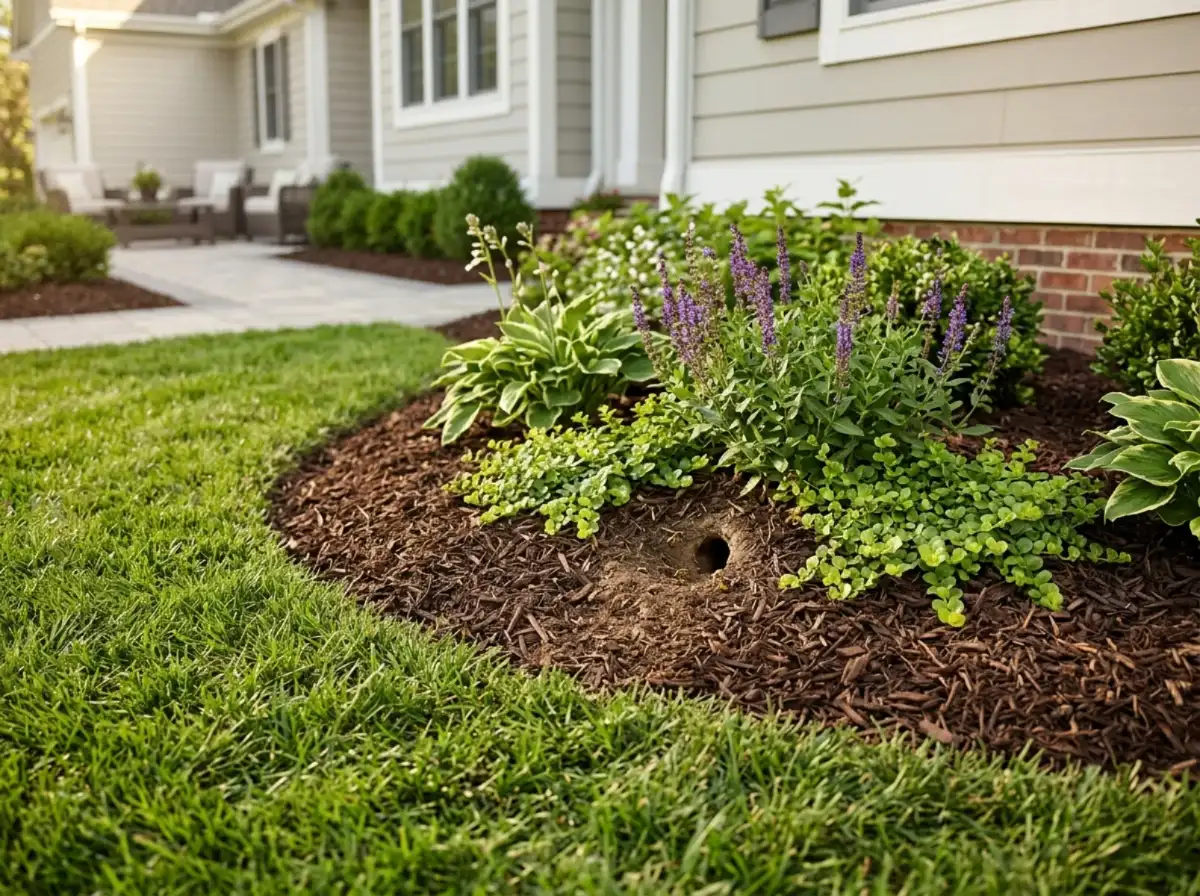
Most nests are underground in old rodent burrows, hidden until a lawnmower or footstep sets off the whole colony.
THE PESTALLY STANDARD
Independent, local providers — vetted for you.
We connect you with independent, local providers — many licensed, insured, and background-checked. If a match isn’t right, we’ll help you find another.
At a Glance
| Service | Yellow Jacket Nest Removal |
| Best For | Any confirmed nest — ground, wall void, attic, or eave |
| Peak Risk Season | Late summer through fall, when colonies and aggression peak |
| DIY Works? | Not recommended for a mature nest |
| Professional Needed? | Strongly recommended — protective equipment and correct nest access matter |
| Typical Cost | $325–$1,300 depending on nest location |
| Service Area | Nationwide |
The PestAlly Process
Locate & Confirm
Identifying the exact nest location — ground, wall void, attic, or eave — before any treatment begins.
Treat With Protection
Using suits and equipment rated for the aggression and sting risk of an established colony.
Full Colony Elimination
Not just knocking down a visible nest opening, which can leave the colony intact and provoked.
Removal or Sealing
Clearing the physical nest where relevant, and sealing entry points to prevent reuse.
Follow-Up Check
Especially for wall-void or attic nests, to confirm no activity remains.
SAFE REMOVAL
Nest Gone — Safely, the First Time
A specialist has the protective gear and products to remove even an aggressive, mature colony without provoking a mass attack.
RESOURCES
Yellow Jacket Home Protection
Is it safe to spray a nest myself?
For any established nest, especially underground or in a wall void, professional-grade equipment is strongly recommended given how easily a partial treatment can provoke a mass-stinging response.
→How do I know if a nest is underground or in my wall?
An underground nest shows a single entrance hole with constant worker traffic. A wall-void nest may show no visible entrance until activity is noticeable near a vent or crack.
→Can yellow jackets sting more than once?
Yes — unlike honey bees, yellow jackets have smooth stingers and can sting repeatedly.
→What if a nest gets disturbed by mowing?
A disturbed colony can swarm and sting repeatedly within seconds using a pheromone that signals the rest of the nest to attack.
→SEASONAL PATTERNS
Why Yellow Jackets Get More Aggressive Late Summer Into Fall
If a nest that seemed manageable in July suddenly feels much more dangerous by September, this is why.
The Colony Has Reached Peak Size
Nests grow throughout summer, sometimes reaching thousands of workers by late summer.
Their Food Supply Is Drying Up
As their natural insect food declines, they shift toward sugary foods and drinks — which is why they show up at picnics and trash cans.
Fewer Larvae to Feed Means More Frustration
As the queen slows egg-laying, the hungrier, larger colony becomes noticeably more defensive.
The Nest Becomes More Sensitive
Vibrations that wouldn’t trigger a response in early summer can set off the whole colony by fall.
This is exactly the window where accidental disturbance — mowing over a ground nest, bumping a wall vent — carries the highest risk.

Where Yellow Jackets Actually Nest (And Why It Matters)
Nest location changes the removal approach significantly — which is part of why this isn’t a one-size-fits-all DIY situation.
- Underground — the most common location, frequently in abandoned rodent burrows. A single entrance hole with workers constantly flying in and out is the giveaway. These are the nests most likely to be triggered accidentally by mowing, edging, or simply stepping too close.
- Wall voids and attics — some species build indoors, which means a nest can be growing inside your home’s structure without any visible sign from outside until activity picks up near a wall or vent.
- Eaves, crawlspaces, and cement cracks — less common but still frequent enough to check before doing yardwork or home maintenance near these areas.
A ground nest and a wall-void nest require completely different access and treatment methods.
DIY vs. Professional Removal
| DIY | Professional | |
|---|---|---|
| Works for | A very small, newly-started nest, treated at night with proper protective gear | Any established nest, and anything ground/wall/attic-based |
| Protective equipment | Store-bought bee suit at best | Professional-grade suits and equipment |
| Product strength | Home center insecticides — weaker | Professional-grade products for full colony elimination |
| Risk of incomplete removal | High — partial treatment can provoke a swarm | Low — full nest access and elimination |
| Typical cost | $20–$50 in spray | $325–$1,300 depending on nest location and size |
Prevention Checklist
- Keep trash cans sealed and away from doors/patios, especially late summer through fall
- Cover sugary drinks and food outdoors — this is peak season for yellow jackets scavenging human food
- Fill in old rodent burrows in the yard where possible, since they’re a common nesting spot
- Inspect eaves, vents, and wall openings periodically, especially before mowing or gardening near them
- Never approach or seal a suspected nest entrance yourself
Dealing with other stinging insects too? PestAlly also connects homeowners with local pros for Wasp Control and General Pest Control.
- Locate and confirm — identifying the exact nest location before any treatment begins.
- Treat with appropriate protection — using suits and equipment rated for the aggression and sting risk of an established colony.
- Full colony elimination — not just knocking down a visible nest opening, which can leave the colony intact and provoked.
- Removal or sealing — clearing the physical nest where relevant, and sealing entry points.
- Follow-up check, especially for wall-void or attic nests, to confirm no activity remains.
How a PestAlly-Connected Pro Handles a Yellow Jacket Nest
PestAlly connects you with independent, local pest control professionals — many licensed and equipped with proper protective gear and EPA-registered products for full colony elimination. A proper removal typically includes:
Frequently Asked Questions
Why are yellow jackets so aggressive in late summer and fall?
Is it safe to spray a yellow jacket nest myself?
How do I know if a nest is underground versus in my wall?
How much does professional yellow jacket removal cost?
What happens if a nest is disturbed accidentally, like by mowing?
Can yellow jackets sting more than once?
Don’t Wait Until the Nest Is Disturbed to Deal With It
A yellow jacket nest doesn’t get easier to handle the longer it’s left alone — it gets larger and more aggressive, especially heading into late summer and fall. PestAlly connects you with an independent, local professional equipped to remove it safely, the first time.
Need yellow jacket removal where you live? PestAlly covers 594 cities across 29 states and Washington, D.C. — find your city →