
Pest Control in Jacksonville, FL
Connect With a Local Pro
Who Knows the River City
PestAlly connects Jacksonville homeowners with independent, local
pest control pros who know what the St. Johns River, coastal humidity
and both termite species do to a house here.
The Largest City in the Country by Land Area — and Not One Part of It Gets a Break
Jacksonville covers an enormous amount of ground, and the pest pressure changes as you move across it. Riverfront and creek-side property gets constant mosquito and rodent activity off the water. The Beaches communities deal with sand, salt-corroded seals and their own set of problems. Inland Westside and Southside neighbourhoods sit on sandy soil with heavy termite pressure. What ties all of it together is the climate: warm temperatures, high humidity and the St. Johns River system produce genuine twelve-month pest pressure with no winter die-off. Jacksonville is also one of the few Florida cities dealing with both native subterranean termites and Formosan termites, which are a considerably more aggressive problem. PestAlly connects Jacksonville homeowners with independent, local pros who know which part of this very large city they’re standing in.
Get Connected With a Local Pro →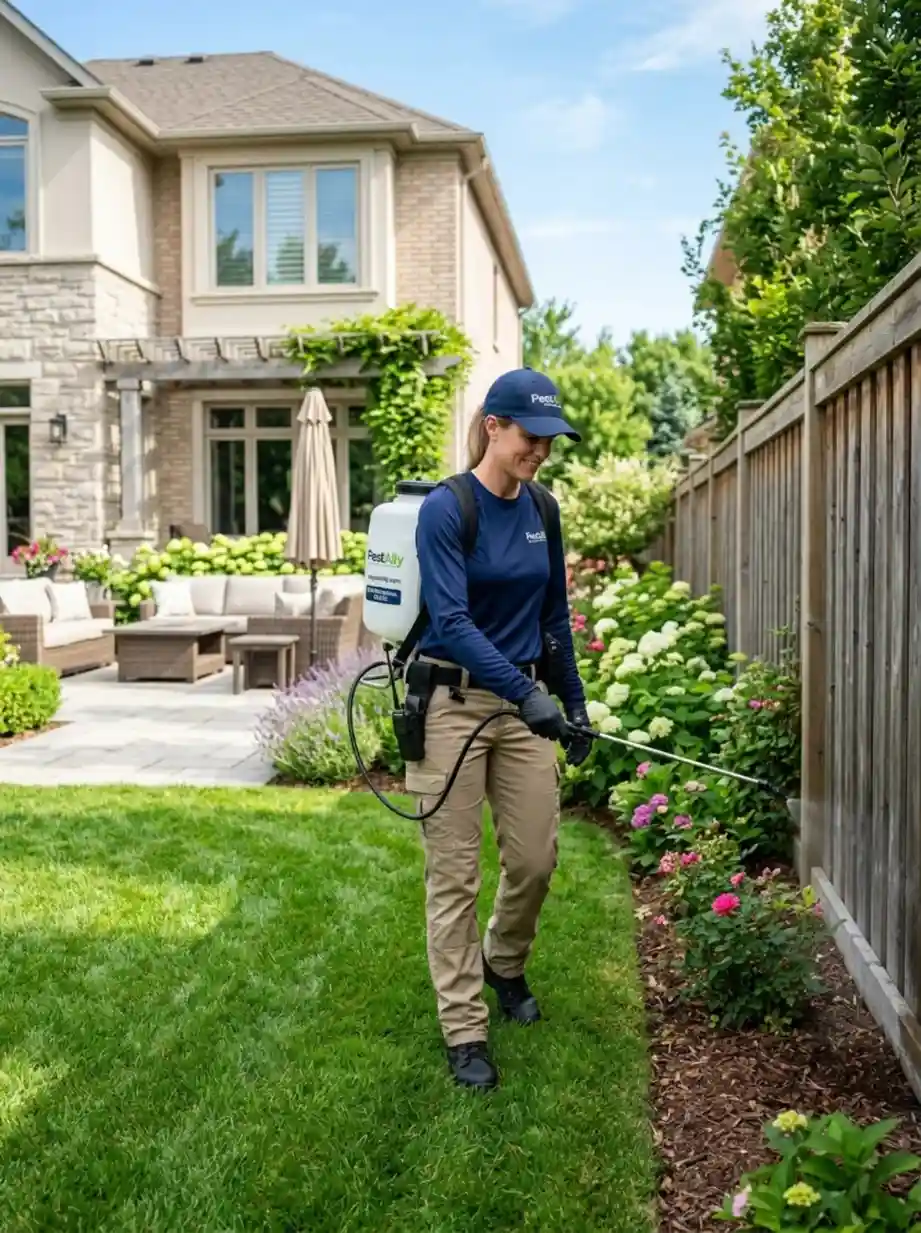
At a Glance
Service Area
Jacksonville, FL and surrounding Duval County communities
Most Common Pests
Subterranean and Formosan termites, palmetto bugs, mosquitoes, fleas, roof rats, ants
Peak Pest Season
Twelve-month pressure, intensifying through the humid summer months
Response Time
Same-day and next-day appointments typically available
Jacksonville’s Year-Round Pest Calendar
Warm temperatures, high humidity and the river system mean this calendar shows peaks, not pauses.
Winter
Dec – FebPalmetto bugs move indoors toward warm, damp areas
Rodents active in attics and crawl spaces; termites feeding below
Warming temperatures accelerate ant and roach reproduction
Spring
Mar – MaySubterranean termite swarms begin across Duval County
Formosan termite swarms; mosquito activity climbs off the river
Heavy humidity drives palmetto bugs into kitchens and bathrooms
Summer
Jun – AugPeak mosquito season along the St. Johns and creek systems
Flea populations peak; storm rain floods roach harborage
Storm season opens new entry points across the city
Fall
Sep – NovRodents begin moving indoors as conditions cool slightly
Ant and roach trails move inside hunting warmth and moisture
Termites keep feeding; no real winter slowdown in Jacksonville
One exception: Jacksonville is large enough that this calendar doesn’t apply evenly. Riverfront and creek-side properties carry mosquito and rodent pressure well outside the peaks shown here, because the water source is permanent. A Southside home and a home on a tidal creek off the St. Johns are effectively in two different pest environments inside the same city limits.
Services We Cover in Jacksonville
Riverfront, Beaches, Westside or Southside — here’s what the local pros in our network handle.
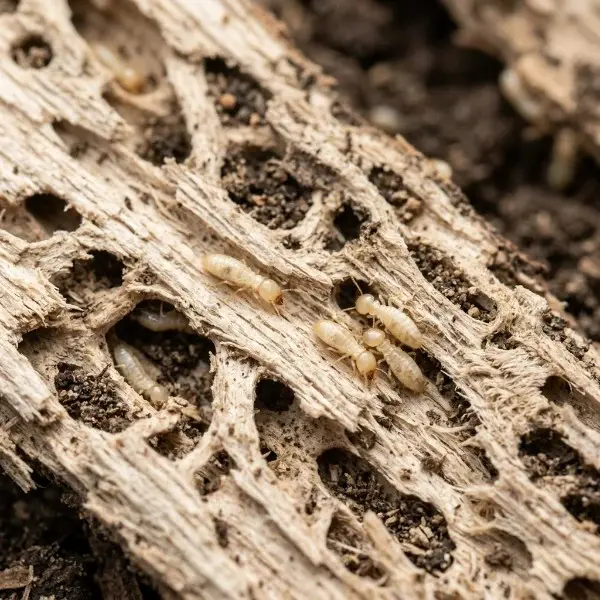
Termites
Johns River, coastal humidity and both termite species do to a house here.
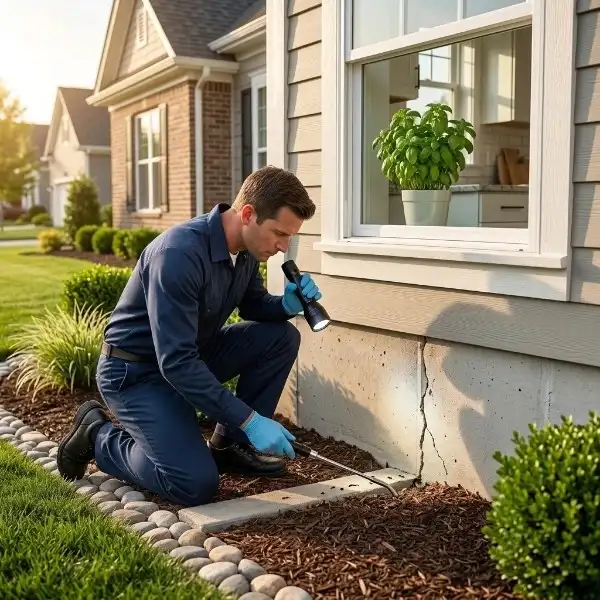
Ants
Argentine, ghost and fire ants are all established here, with fire ants especially aggressive in newer landscaped developments.
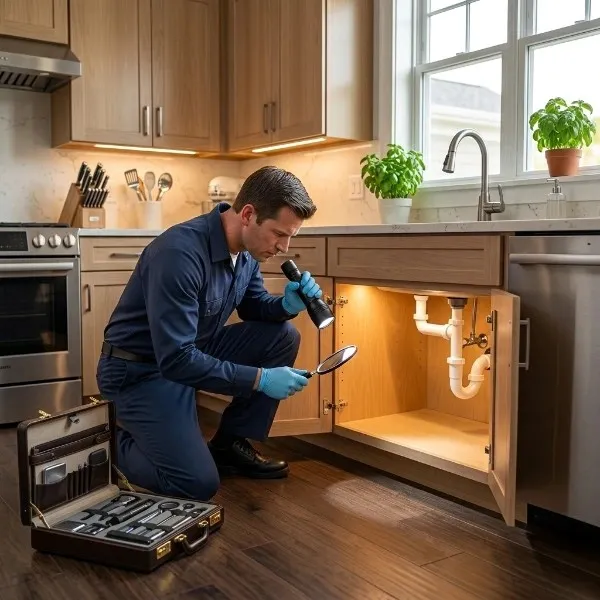
Roaches
Palmetto bugs are the defining Jacksonville roach complaint — an outdoor species that comes in around water pipes, sinks and tubs.
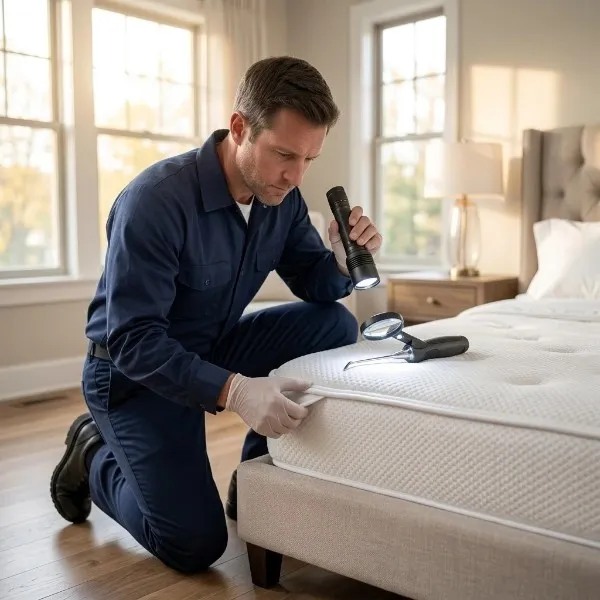
Bed Bugs
Steady travel, military rotation and rental turnover keep bed bug cases active across Duval County all year.
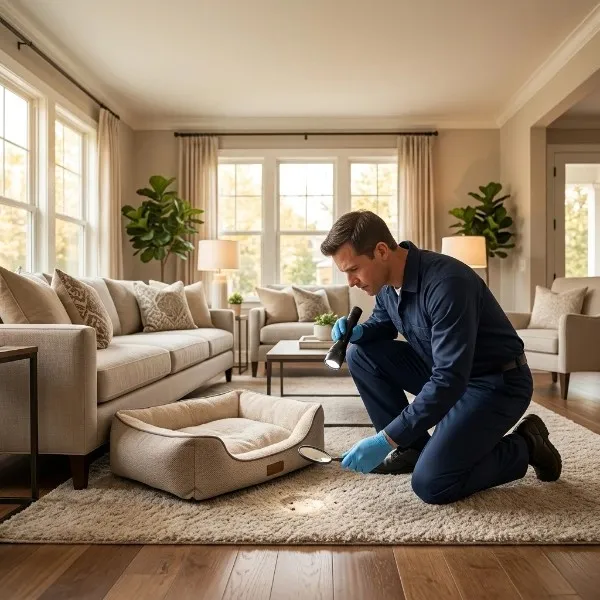
Fleas
Fleas reproduce fast in this humidity and are a leading Jacksonville complaint, re-seeded constantly by pets and urban wildlife.
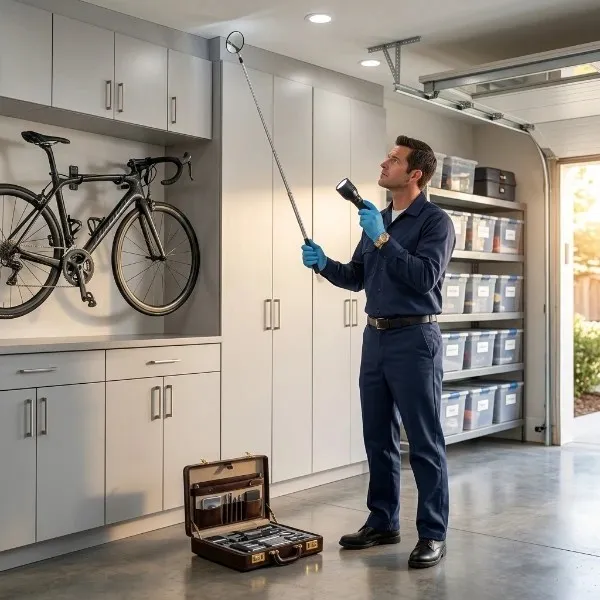
Spiders
Widow spiders and huntsman spiders use garages, sheds, crawl spaces and screen enclosures across the city.
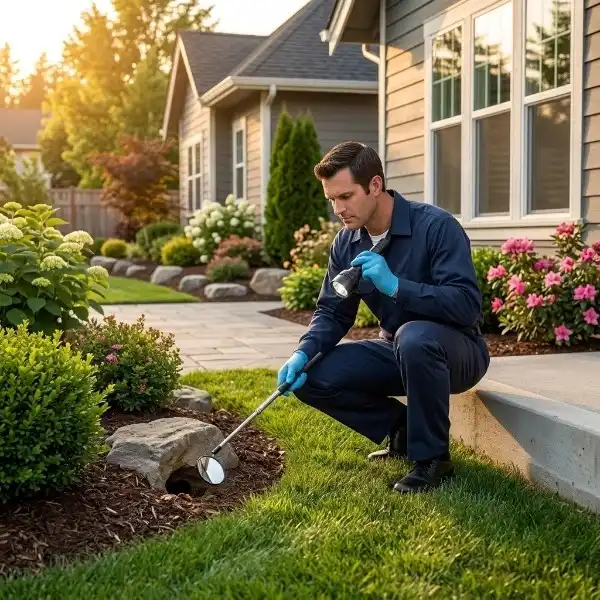
Yellow Jackets
Ground and void nests build quickly in the heat, and screen enclosures and outbuildings are common problem spots.
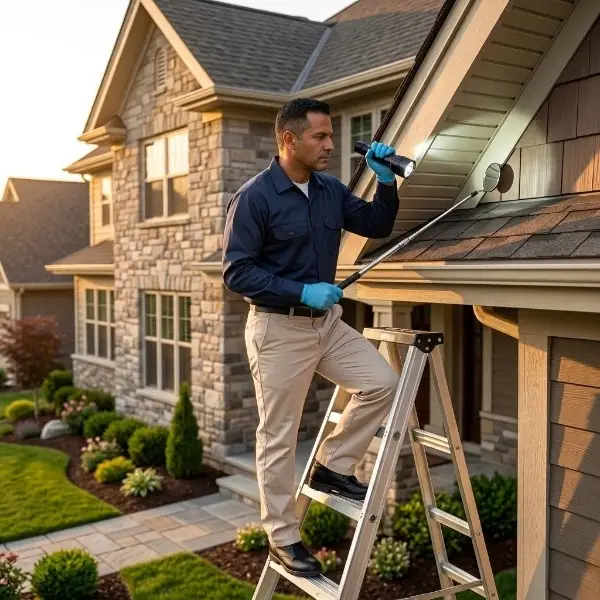
Wasps
Paper wasps build under eaves, porches, patio covers and screen enclosure frames right through the warm months.
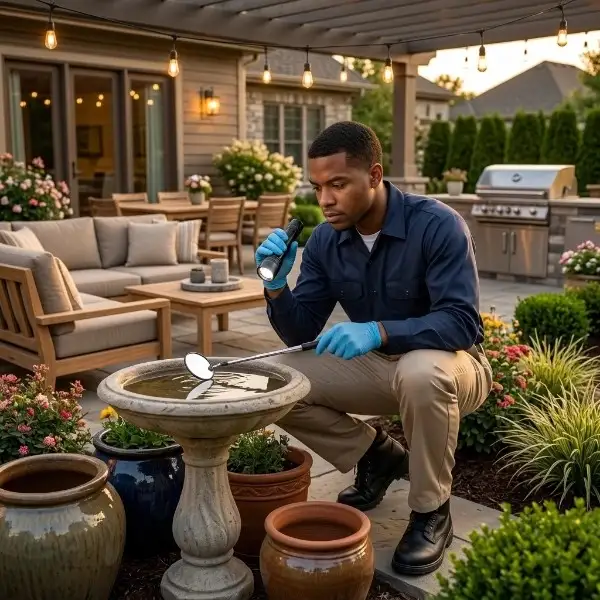
Mosquitoes
The St. Johns River, tidal creeks and standing water make mosquitoes active nearly year-round in Jacksonville.
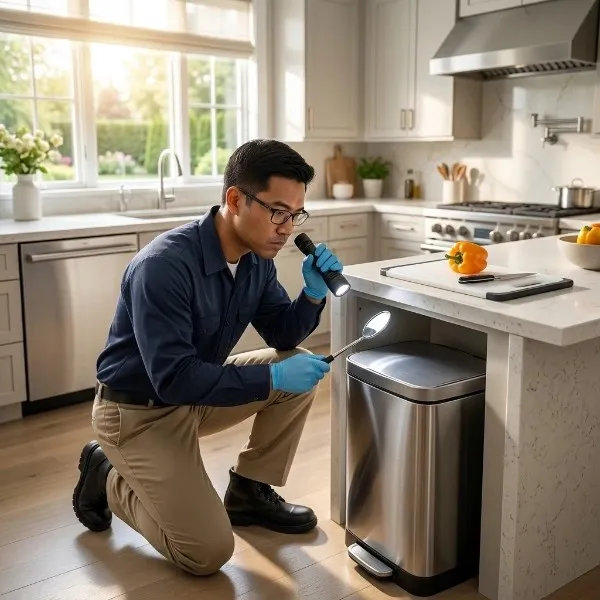
Flies
Drain and filth flies trace to a specific source rather than needing the room treated — usually a drain or bin area.
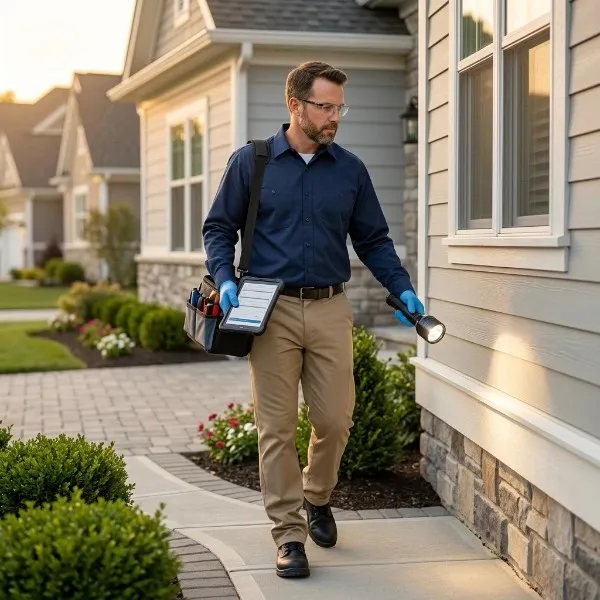
General Insects
Silverfish, millipedes and other humidity-driven insects stay active year-round, plus subterranean and Formosan termite inspection referrals.
General Rodents
Roof rats reach attics and soffits from trees and rooflines, and Norway rats work drainage near the river and creeks.
Trusted by Homeowners Across the Country
Licensed & Insured
Every pro in the network carries current licensing and insurance.
Same-Day Service
Same-day and next-day appointments typically available.
100% Satisfaction Guarantee
If the pest comes back, your pro comes back — that is the standard.
Locally Trusted Experts
Independent pros who actually live and work in your area.
No Obligation to Book
Talk to a pro first. Nothing is committed until you say so.
Vetted Pro Network
We screen every contractor before they join the PestAlly network.
Most Common Pest Entry Points in Jacksonville Homes
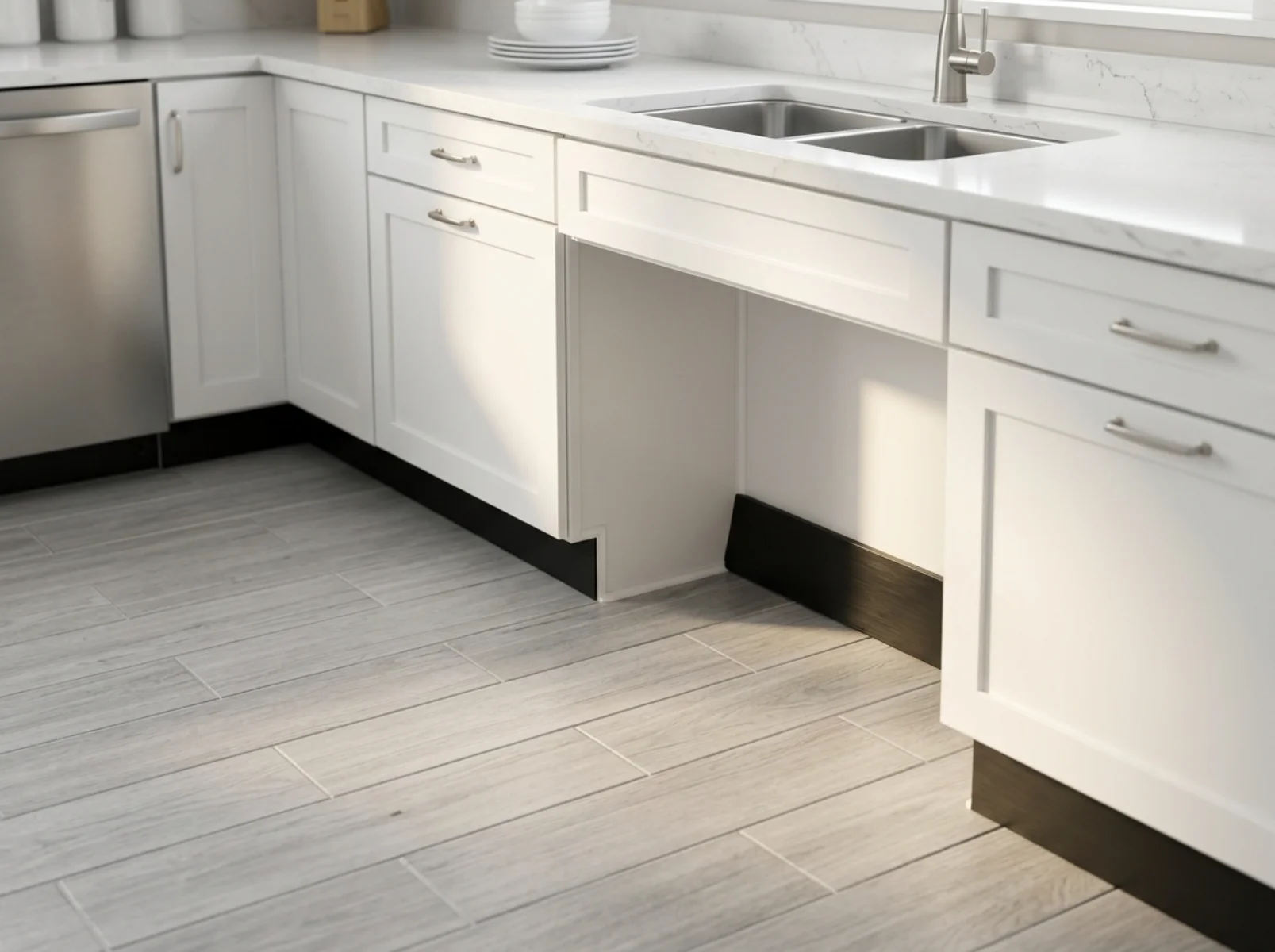
Many older Jacksonville homes sit over a crawl space, and a single unscreened vent or warped access door hands the entire sub-floor to rodents, spiders and moisture-loving insects.
Both subterranean and Formosan termites reach the structure through slab cracks and plumbing penetrations, building mud tubes along the foundation as they go.
Roof rats get into Jacksonville attics through soffit gaps, tile edges and roofline joints, climbing trees and rooflines rather than entering at ground level.
Palmetto bugs specifically favour dark, damp areas around water pipes, sinks, bathtubs and showers, and they travel in along those same plumbing routes.
Screen tears, porch framing and worn garage thresholds are the everyday entry points, and coastal salt air degrades those seals faster near the Beaches.
Why Jacksonville Homes Deal With These Pests Specifically
Two local conditions change how treatment has to work here — one about water, one about which termite you actually have.
The river system means permanent water, not seasonal water
The St. Johns River and its tidal creeks run through the middle of the city, so mosquito and rodent pressure near the water never really drops. Combined with high humidity, that keeps mosquitoes active nearly year-round in Jacksonville rather than for a defined season.
Treating the yard and ignoring containers and gutters. Most of the mosquitoes biting on a property bred within a few dozen feet of it, and the river gets blamed for pressure that’s actually coming from a clogged gutter.
Two termite species, and they are not the same problem
Jacksonville has both native subterranean termites and Formosan termites. Formosan colonies are far larger and more aggressive, and they can cause structural damage considerably faster. Identifying which species is present changes the treatment approach entirely.
Assuming a termite is a termite. A treatment plan built for native subterraneans can be inadequate against a Formosan colony, which is why species identification during inspection matters more here than in most cities.
What to Expect From a Local Pro’s Visit
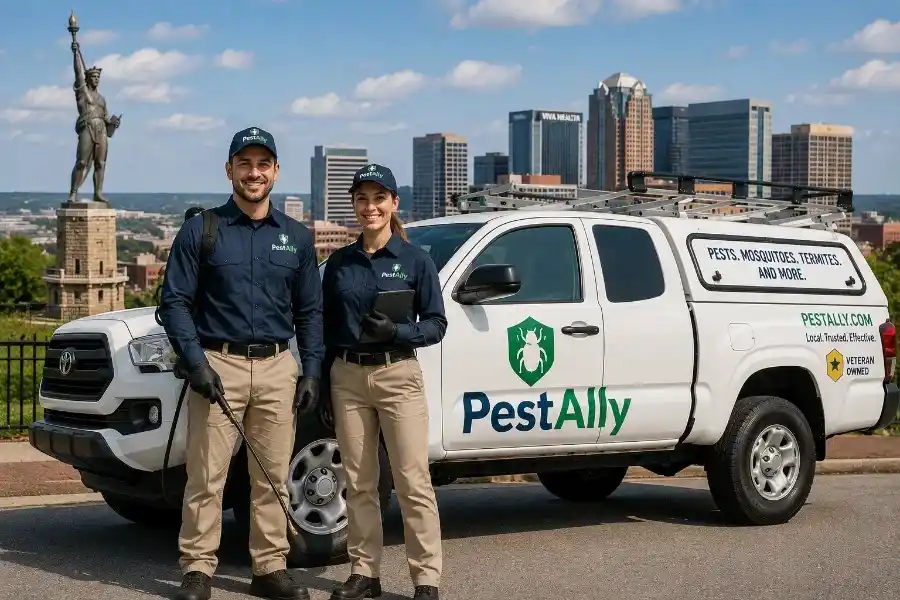
Every Jacksonville property is different, but the sequence stays the same — your local pro starts with the water and the soil contact, because that’s where River City problems begin.
Inspect
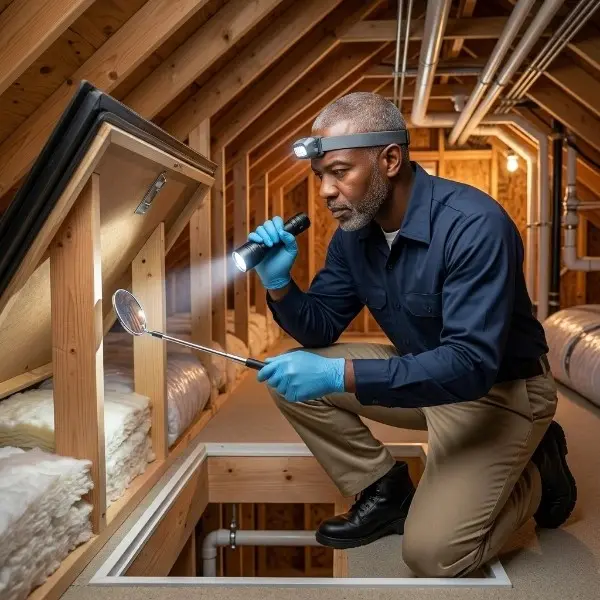
Full inspection: crawl space, slab edge and plumbing penetrations, soffits and roofline, screen enclosure, gutters and standing water.
→Identify
Confirming the species — including which termite — since Formosan work, roof rat exclusion and flea treatment are entirely different jobs.
→Treat
Matched to the finding: termite baiting or liquid barrier, rodent trapping and exclusion, flea treatment, or perimeter and harborage work.
→Seal
Screening crawl space vents, sealing slab cracks and plumbing penetrations, closing soffit gaps and removing standing water.
→Follow Up
Ongoing service on a tight interval — with twelve-month pressure, the schedule is what holds populations down.
→How PestAlly Works in Jacksonville
PestAlly doesn’t perform the pest control ourselves — we connect you with vetted, independent local professionals who do.
Get Started →Tell us what’s going on
The pest, and roughly where in the Jacksonville area you’re located.
We match you with an independent, local pro
Someone who services your specific neighborhood.
You deal directly with that contractor
Pricing, scheduling, and the work itself are between you and them.
Frequently Asked Questions
What is a palmetto bug and why is it in my bathroom?⌄
A palmetto bug is the American cockroach — the largest domestic roach in the US, named for its habit of living on and around palmetto trees. It’s an outdoor species that comes inside seeking dark, damp areas, which is why it turns up around water pipes, sinks, bathtubs and showers rather than in the pantry.
Do I have subterranean or Formosan termites?⌄
Both are present in Jacksonville, and it matters which one you have. Formosan colonies are much larger and more aggressive than native subterranean colonies and can damage a structure considerably faster. A proper inspection identifies the species before any treatment plan is chosen.
Why are mosquitoes bad here almost all year?⌄
Warm temperatures, high humidity and the St. Johns River system together keep mosquitoes active nearly year-round here. That said, most of the mosquitoes biting on a given property bred on that property — gutters, planters and containers matter more than the river does.
Why do fleas get out of control so quickly in Jacksonville?⌄
Because the humidity lets them complete their life cycle quickly and continuously, and there’s no cold season to interrupt it. Pets and urban wildlife keep re-seeding yards, so treating the pet and the interior without treating the yard usually leads to a repeat.
Does PestAlly serve my specific Jacksonville neighborhood?⌄
PestAlly connects homeowners throughout Jacksonville and Duval County, including Riverside, Avondale, San Marco, Mandarin, Springfield, Arlington and Jacksonville Beach. ZIP codes we cover in Jacksonville include 32205, 32207, 32210, 32216, 32218, 32223, 32244 and 32256.
Get Connected With a Local Jacksonville Pest Control Pro
Whether it’s palmetto bugs around the tub, mud tubes on the foundation, or fleas that came back a week later, PestAlly connects you with an independent, local pro who knows what River City homes are actually up against.
Looking beyond Jacksonville? See every Florida city we cover →