
Pest Control in Tampa, FL
Connect With a Local Pro
Who Knows the Bay Area
PestAlly connects Tampa Bay homeowners with independent, local
pest control pros who know what sandy soil, canal-side moisture and a
subtropical rainy season do to a house here.
Sandy Soil, Salt Water and a Rainy Season — Tampa Gets All Three at Once
Tampa’s pest pressure comes down to three things working together. The soil is sandy, which lets subterranean termites move easily to slab edges and plumbing penetrations. The city is wrapped around a bay and threaded with canals and lakes, so moisture is permanent rather than seasonal — and homes near that water consistently see higher pressure from termites, ants and rodents as well as mosquitoes. And the subtropical rainy season delivers heavy afternoon rain for months, which floods harborage, rebuilds fire ant mounds and refills every container in the yard. Three roach species are established here, not one, and each behaves differently. PestAlly connects Tampa homeowners with independent, local pros who read the property’s relationship to water first.
Get Connected With a Local Pro →
At a Glance
Service Area
Tampa, FL and surrounding Hillsborough and Pinellas County communities
Most Common Pests
Subterranean termites, American, German and smoky brown roaches, fire ants, mosquitoes, rodents
Peak Pest Season
Year-round, peaking through the June to September rainy season
Response Time
Same-day and next-day appointments typically available
Tampa’s Year-Round Pest Calendar
Around the bay the calendar follows rainfall and humidity — there’s no cold season to interrupt anything.
Winter
Dec – FebRoaches move indoors toward warm, damp kitchens and bathrooms
Rodents active in attics; subterranean termites feeding below
Rising temperatures accelerate ant and roach reproduction
Spring
Mar – MaySubterranean termite swarms begin across the Bay Area
Mosquito activity climbs; fire ant mounds expand in sunny yards
Rainy season starts — roach and ant harborage floods
Summer
Jun – AugPeak mosquito season around the bay, canals and lakes
Heavy rain rebuilds fire ant mounds within days
Storm season opens new entry points across the metro
Fall
Sep – NovRainy season ends; rodents begin moving indoors
Ant and roach trails move inside as conditions dry
Termites keep feeding; no winter slowdown around Tampa Bay
One exception: Waterfront and canal-side properties don’t follow this pattern. Homes near the bay, canals and lakes carry elevated pressure from termites, ants and rodents as well as mosquitoes, because the moisture that drives all of it is permanent. Two houses a mile apart in Tampa can genuinely need different service intervals for that reason alone.
Services We Cover in Tampa
Waterfront, canal-side, historic neighbourhood or new-build community — here’s what the local pros in our network handle.
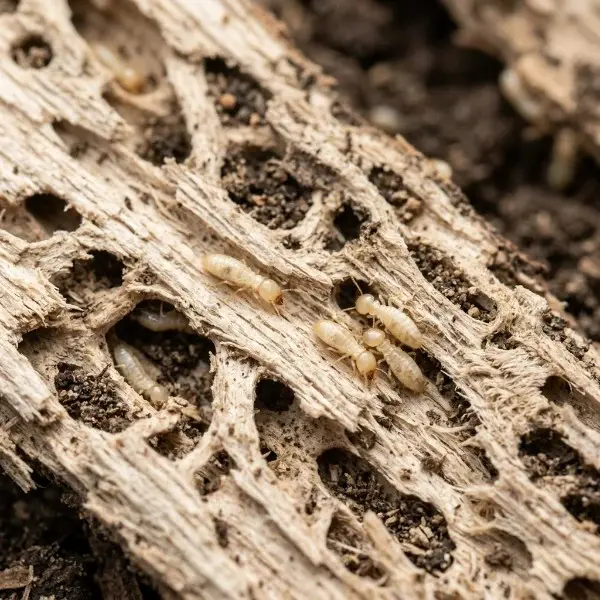
Termites
The soil is sandy, which lets subterranean termites move easily to slab edges and plumbing penetrations.
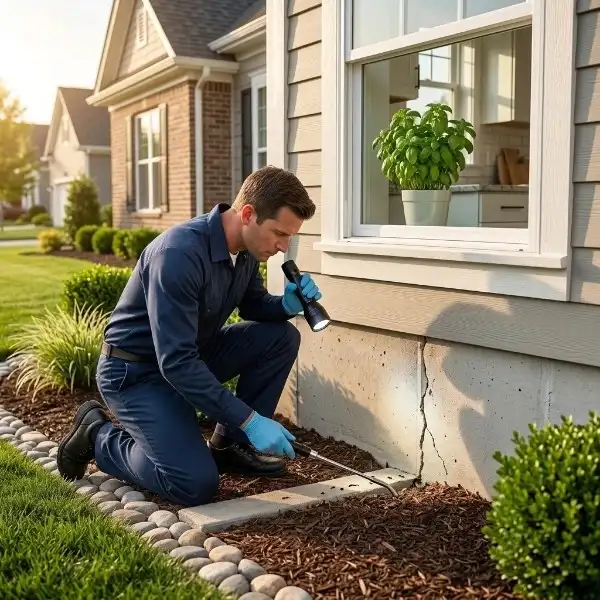
Ants
Fire ants dominate yards, parks and landscaped areas around Tampa, with ghost and Argentine ants the main indoor complaints.
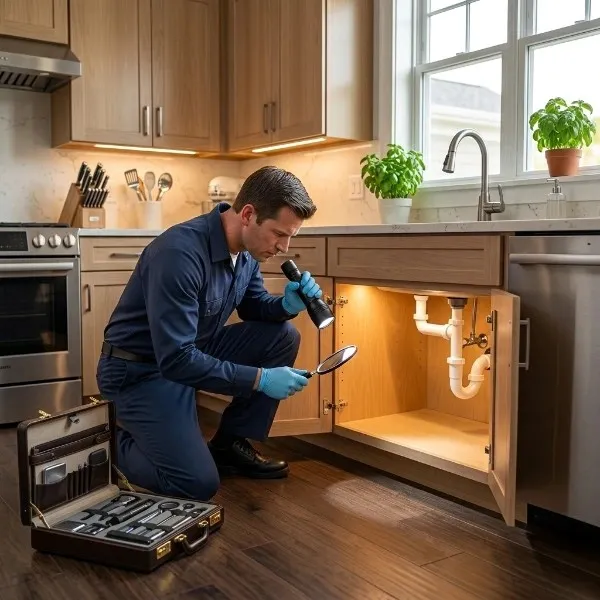
Roaches
Three species are established here — American, German and smoky brown — and each needs a different approach, which is why generic roach treatment underperforms.

Bed Bugs
Heavy tourism, cruise traffic and rental turnover keep bed bug cases active across the Bay Area all year.

Fleas
Subtropical humidity lets fleas complete their cycle continuously, and wildlife keeps re-seeding yards regardless of season.
Spiders
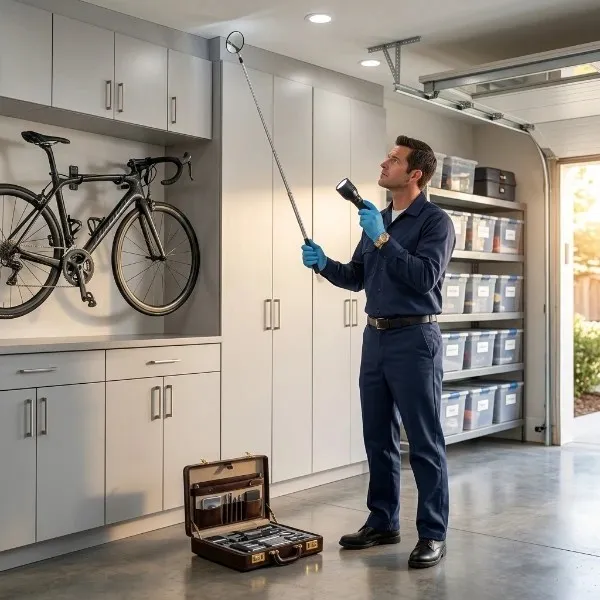
Widow spiders and huntsman spiders use garages, sheds, screen enclosures and pool cages throughout the metro.
Yellow Jackets
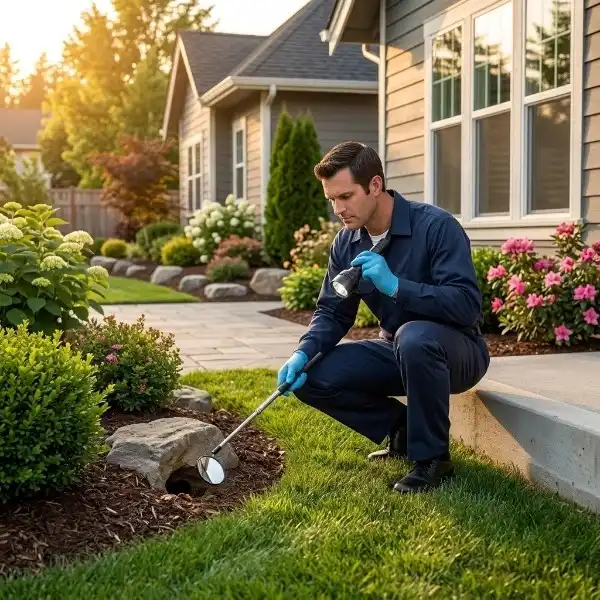
Ground and void nests build fast in the heat, and screen enclosures and pool areas are common problem spots.
Wasps
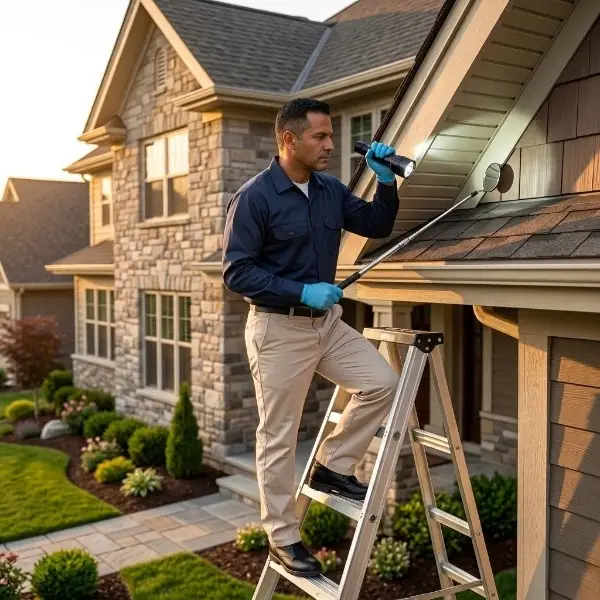
Paper wasps build under eaves, lanais, patio covers and screen enclosure frames right through the year.
Mosquitoes
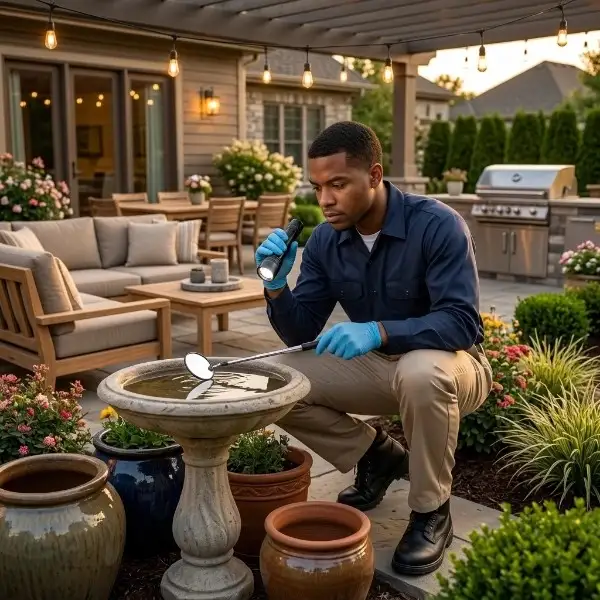
The bay, canals, lakes and rainy-season standing water make mosquito control one of the highest priorities in Tampa.
Flies
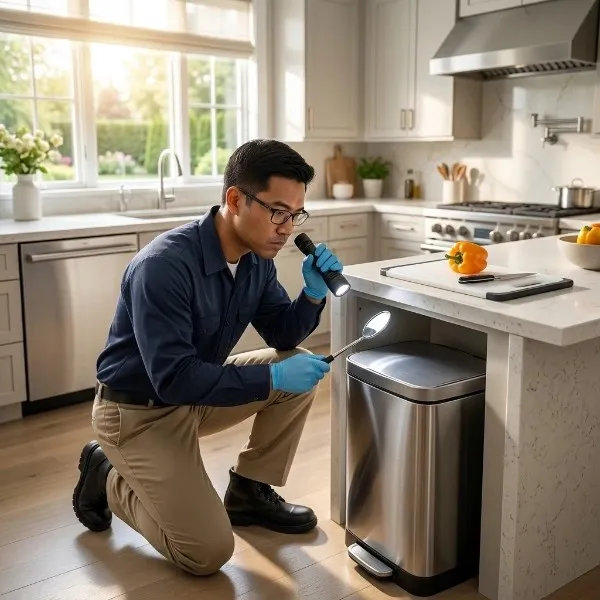
Drain and filth flies trace to a specific source — usually a drain, bin area or grease line — rather than needing the room treated.
General Insects
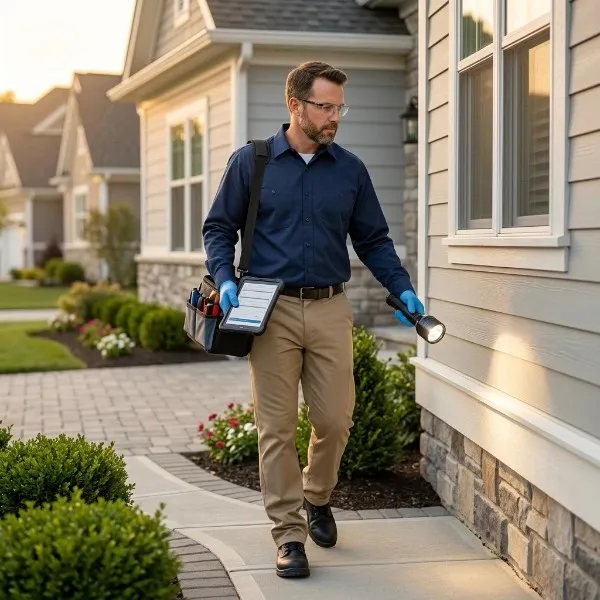
Silverfish, millipedes and other humidity-driven insects stay active year-round, plus subterranean termite inspection referrals.

General Rodents
Roof rats reach attics and soffits from trees and rooflines, and Norway rats work canal banks and drainage lines.
Trusted by Homeowners Across the Country
Licensed & Insured
Every pro in the network carries current licensing and insurance.
Same-Day Service
Same-day and next-day appointments typically available.
100% Satisfaction Guarantee
If the pest comes back, your pro comes back — that is the standard.
Locally Trusted Experts
Independent pros who actually live and work in your area.
No Obligation to Book
Talk to a pro first. Nothing is committed until you say so.
Vetted Pro Network
We screen every contractor before they join the PestAlly network.
Most Common Pest Entry Points in Tampa Homes
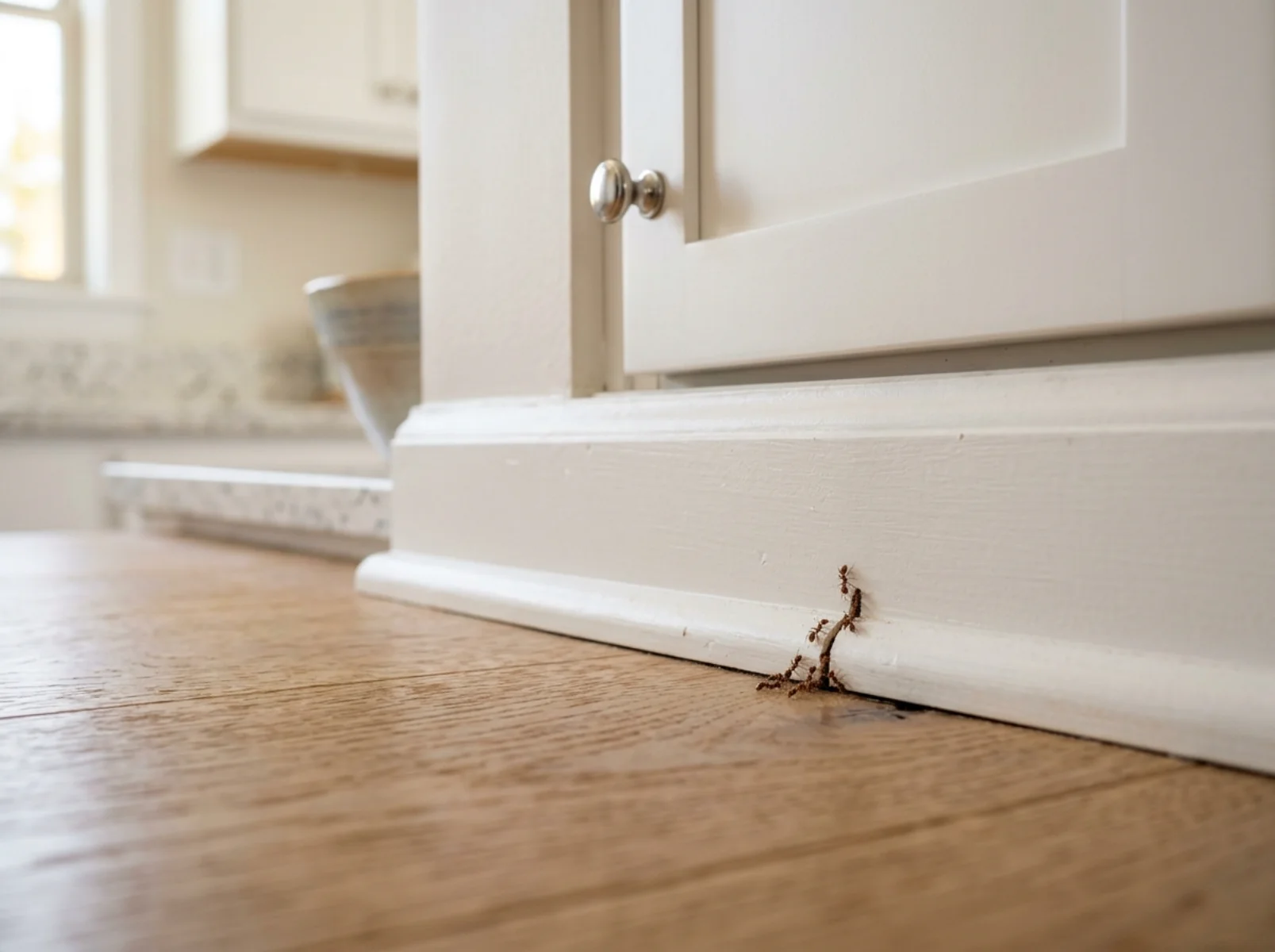
Sandy Tampa soil lets subterranean termites move easily to the slab edge, where they build mud tubes and enter through cracks and plumbing penetrations.
Roof rats reach Bay Area attics through soffit gaps, tile edges and roofline joints, climbing trees and rooflines rather than entering at ground level.
Screen enclosures and lanais have dozens of frame joints and screen tears, making them standard harborage for wasps, spiders and roaches.
American and smoky brown roaches favour dark, damp areas around water pipes, sinks and tub surrounds, and travel in along those plumbing routes.
Gutters, planters, bromeliads and pot saucers within a few feet of the house are the actual mosquito breeding sites — treating the yard without clearing these achieves very little.
Why Tampa Homes Deal With These Pests Specifically
Two Bay Area realities change how treatment has to work here — one about roaches, one about water.
Three roach species, three different jobs
American, German and smoky brown cockroaches are all established in Tampa. American and smoky brown roaches live outdoors and come in through gaps and plumbing; German roaches breed indoors and rebound extremely fast. They look like the same problem to a homeowner but need completely different treatment.
Using one approach for all of them. Perimeter work that handles American roaches does very little for a German roach population already breeding inside the kitchen.
Proximity to water raises pressure across every category, not just mosquitoes
Homes near the bay, canals and lakes see higher pressure from termites, ants and rodents as well as mosquitoes, because the constant moisture and dense vegetation support all of them. It’s a property-level factor, not a city-level one.
Assuming a waterfront home needs the same service interval as an inland one. The moisture there is permanent, so the interval usually has to be tighter.
What to Expect From a Local Pro’s Visit
Every Tampa property is different, but the sequence stays the same — your local pro starts with the slab and the water, because around the bay that’s where it begins.
Inspect
Full inspection: slab edge and plumbing penetrations, soffits and roofline, screen enclosure, gutters, standing water and vegetation contact.
→Identify
Confirming the species — including which roach — since termite work, fire ant baiting and German roach control are entirely different jobs.
→Treat
Matched to the finding: termite baiting or liquid barrier, fire ant baiting, targeted roach work, or mosquito source reduction.
→Seal
Sealing slab cracks and plumbing penetrations, closing soffit gaps and removing the standing water beside the house.
→Follow Up
Ongoing service on an interval matched to the property — waterfront homes usually need a tighter schedule than inland ones.
→Tampa Neighborhoods & Communities We Serve
PestAlly connects homeowners across Tampa and the surrounding Hillsborough and Pinellas County communities.
Hyde Park
→Seminole Heights
→Ybor City
→South Tampa
→Westchase
→Carrollwood
→New Tampa
→Davis Islands
→Palma Ceia
→Temple Terrace
→Saint Petersburg
33701, 33702, 33703, 33704, 33705, 33706, 33707, 33709, 33710, 33711, 33713, 33716
→How PestAlly Works in Tampa
PestAlly doesn’t perform the pest control ourselves — we connect you with vetted, independent local professionals who do.
Get Started →Tell us what’s going on
The pest, and roughly where in the Tampa Bay area you’re located.
We match you with an independent, local pro
Someone who services your specific neighborhood.
You deal directly with that contractor
Pricing, scheduling, and the work itself are between you and them.
Frequently Asked Questions
Why do roaches keep coming back after treatment?⌄
Often because the species wasn’t matched. Tampa has American, German and smoky brown roaches. American and smoky brown come in from outside and respond to perimeter work; German roaches breed indoors and need targeted interior treatment plus follow-up. Treating all three the same way is the usual reason it repeats.
Does living on a canal make pest problems worse?⌄
Yes. Homes near the bay, canals and lakes see higher pressure from termites, ants and rodents as well as mosquitoes, because constant moisture and dense vegetation support all of them. It usually means a tighter service interval rather than a different product.
Why do fire ant mounds reappear after every storm?⌄
Because heavy rain floods the mound and the colony relocates rather than dies. Treating the mound directly with a general product often splits it too. Baiting is what reaches the queen and actually ends the colony.
Do I need termite protection in Tampa specifically?⌄
Yes. Sandy Tampa soil combined with warm, wet conditions is close to ideal for subterranean termites, which enter through slab cracks and plumbing penetrations and build mud tubes along the foundation. There’s no seasonal slowdown here.
Does PestAlly serve my specific Tampa neighborhood?⌄
PestAlly connects homeowners throughout Tampa and the Bay Area, including Hyde Park, Seminole Heights, Ybor City, South Tampa, Westchase and New Tampa, plus Saint Petersburg, Clearwater and Largo. ZIP codes we cover in Tampa include 33602, 33606, 33609, 33611, 33614, 33618, 33626 and 33647.
Get Connected With a Local Tampa Pest Control Pro
Whether it’s roaches that keep returning, mosquitoes taking over the lanai, or mud tubes at the slab edge, PestAlly connects you with an independent, local pro who knows what Tampa Bay homes are actually up against.
Looking beyond Tampa? See every Florida city we cover →