
Pest Control in Panama City, FL
Connect With a Local Pro
Who Knows the Panhandle Coast
PestAlly connects Panama City homeowners with independent, local
pest control pros who know salt air, three termite species
and what afternoon storms do to pest pressure here.
Salt Air, Coastal Humidity and Storms — Panhandle Homes Take It From Every Angle
Panama City’s pest problems are driven by three conditions that work on the building itself. Persistent coastal humidity keeps insect activity high year-round and encourages the moisture-loving species. Salt air corrodes seals, weatherstripping, screens and vent covers faster than inland air does, which means the gaps in a house here open up sooner than the owner expects. And frequent afternoon thunderstorms flood harborage, drive roaches indoors and reset mosquito breeding across the county every few days through the warm season. On top of that Bay County carries three termite species — native subterranean, Formosan subterranean and drywood — and they are not interchangeable problems. PestAlly connects Panama City homeowners with independent, local pros who understand what this coastline does to a building over time.
Get Connected With a Local Pro →
At a Glance
Service Area
Panama City, FL and surrounding Bay County communities
Most Common Pests
Native subterranean, Formosan and drywood termites, palmetto bugs, ants, mosquitoes, spiders, ticks
Peak Pest Season
Warm months are heaviest, but coastal humidity keeps activity all year
Response Time
Same-day and next-day appointments typically available
Panama City’s Year-Round Pest Calendar
On the Panhandle coast the calendar follows humidity and storms rather than any real winter.
Winter
Dec – FebMild winter slows insects; rodents settled in attics and wall voids
Termites keep feeding below ground through the cool weeks
Ant colonies expand; palmetto bugs become active again
Spring
Mar – MaySubterranean termite swarms begin across Bay County
Formosan swarms; mosquito activity climbs with the first storms
Afternoon thunderstorms start driving roaches indoors
Summer
Jun – AugPeak mosquito and tick pressure across the county
Heaviest humidity of the year; storm rain floods harborage
Storm season opens new entry points across the coast
Fall
Sep – NovRodents begin moving indoors as nights cool
Rodent entry attempts peak; insects slowly ease off
Brief winter lull above ground, termites continue below
One exception: Salt air works on a much longer schedule than any of this. Weatherstripping, screens, soffit vents and door seals degrade faster on the coast than inland, so a Panama City home quietly develops new entry points every year regardless of season. That slow corrosion is why homes here often start getting pests that they never had before, with nothing else having changed.
Services We Cover in Panama City
Beachside, bayfront, in town or out toward the pine — here’s what the local pros in our network handle.
Termites
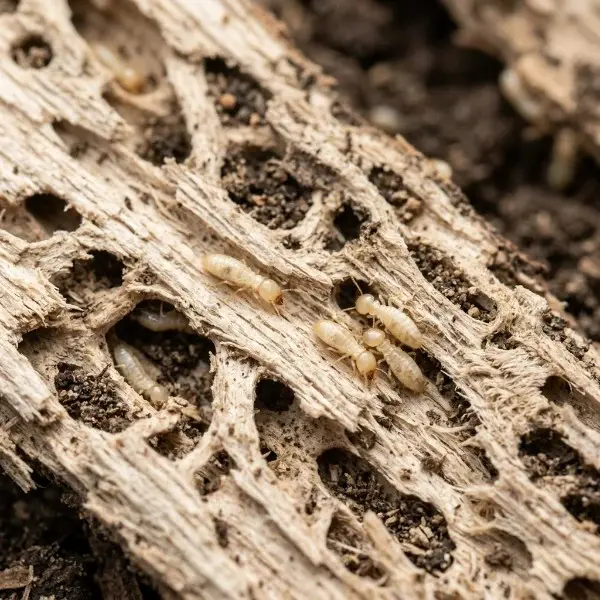
Drywood termites live inside the wood itself and leave nothing at ground level.
Ants
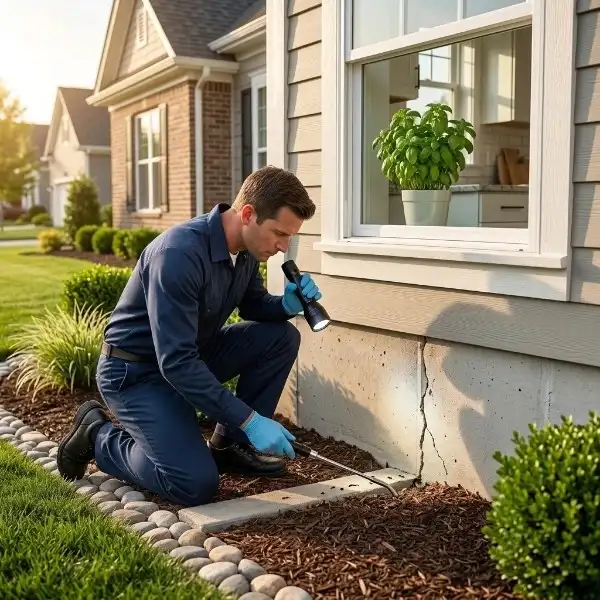
Fire ants cause painful stings across Bay County lawns, while Argentine and odorous house ants trail indoors after storms.
Roaches
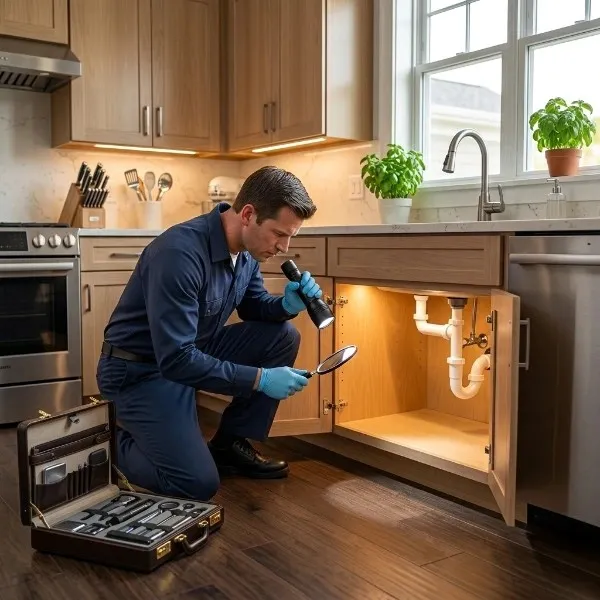
Palmetto bugs come in from mulch, palms and drains, and German roaches breed indoors and rebound quickly.
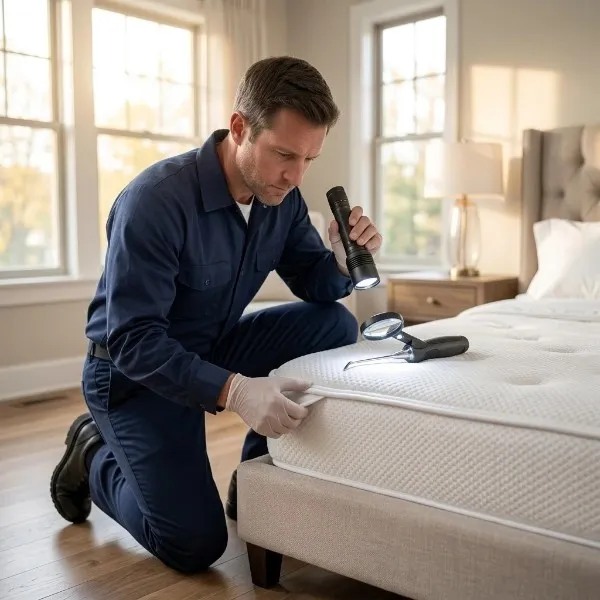
Bed Bugs
Heavy tourism, vacation rentals and seasonal turnover keep bed bug cases active across Panama City all year.
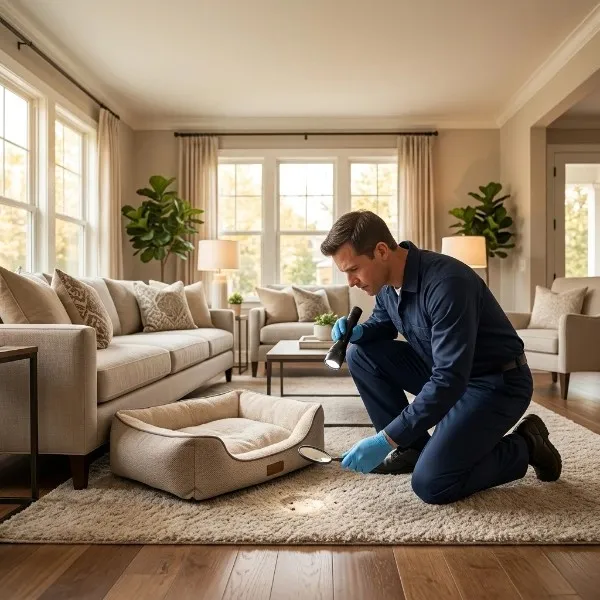
Fleas
Warm humid yards and steady wildlife activity keep flea populations going nearly year-round on this coast.
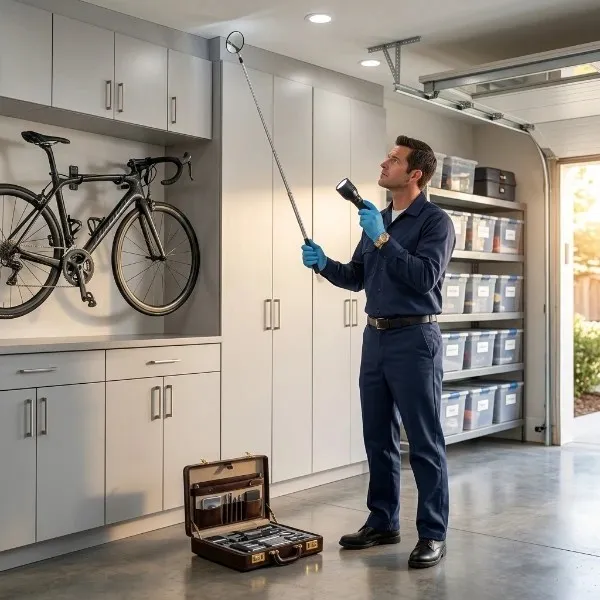
Spiders
Spider activity is noticeably higher in this warm climate, concentrating in garages, sheds, screen enclosures and woodpiles.
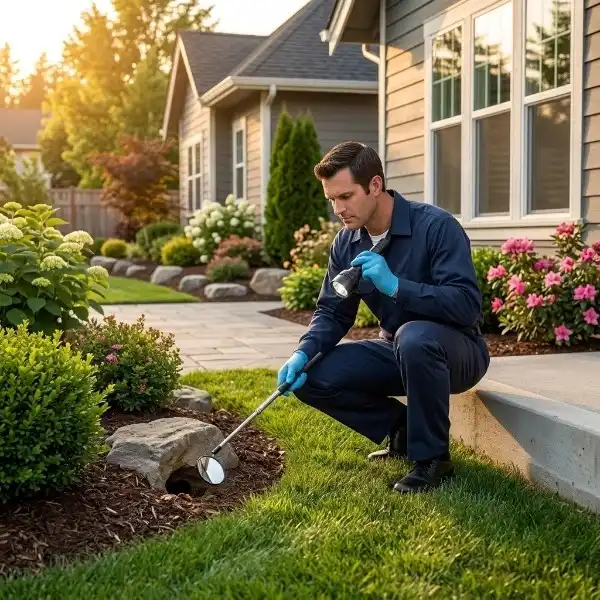
Yellow Jackets
Ground and void nests build fast in the heat, and screen enclosures and outbuildings are common problem spots.
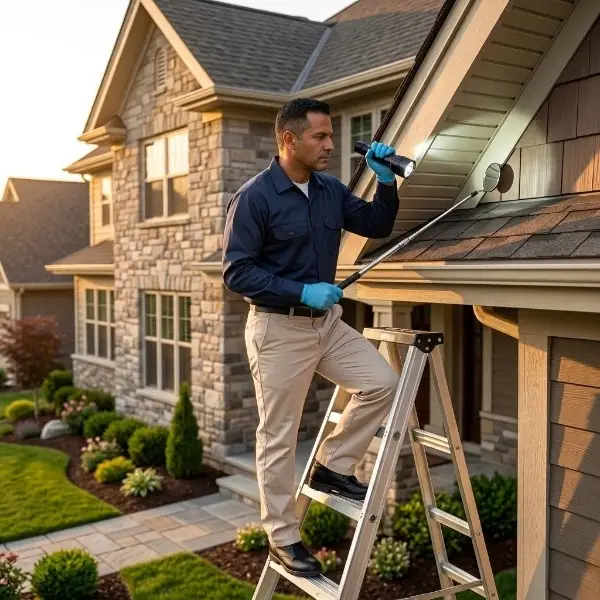
Wasps
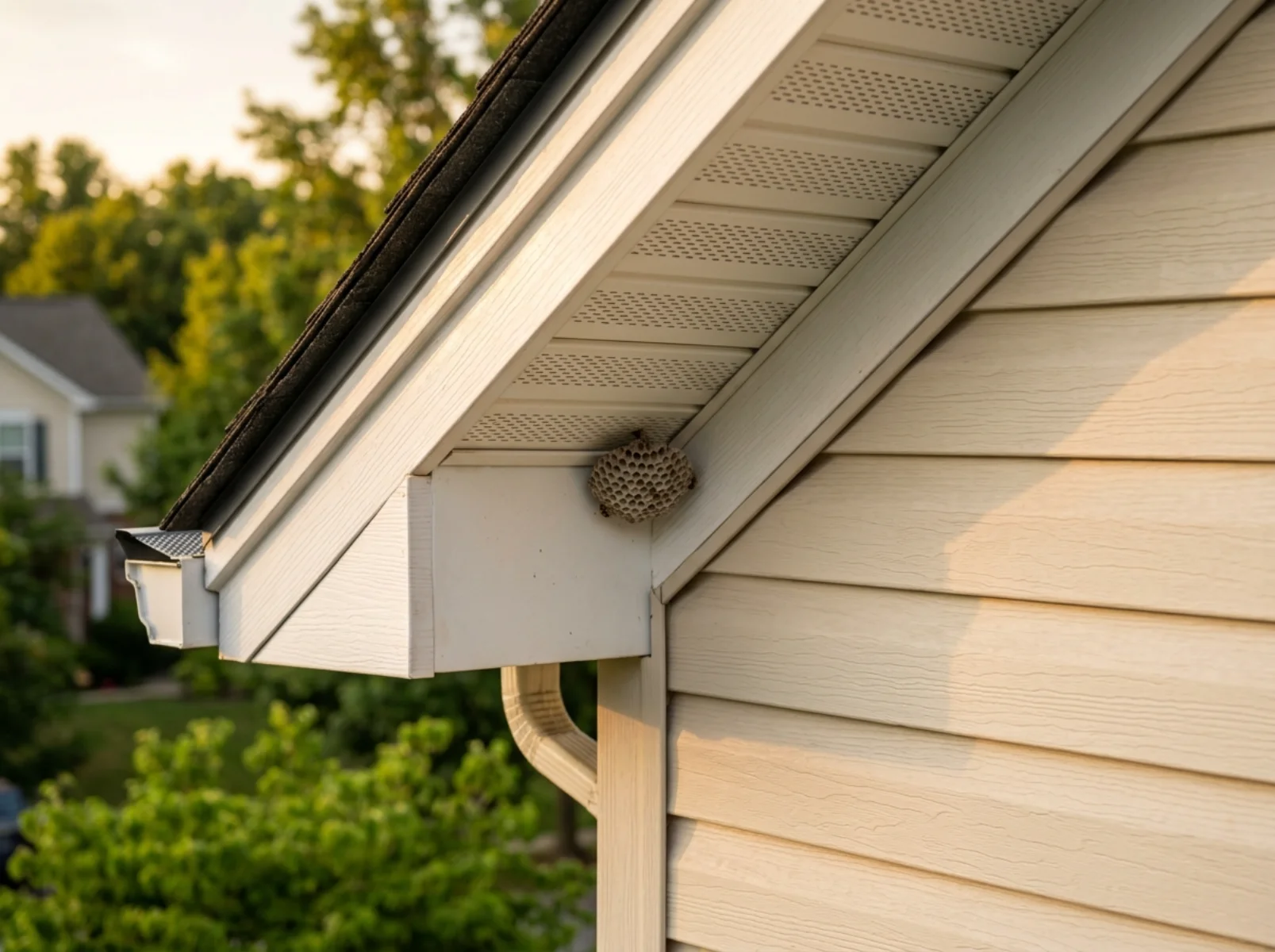
Paper wasps build under eaves, porches, patio covers and screen enclosure frames right through the warm season.
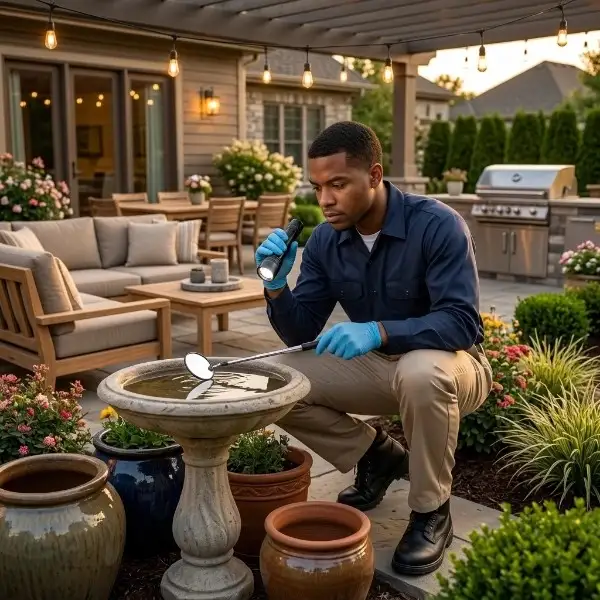
Mosquitoes
Standing water after afternoon storms supports mosquitoes that can transmit West Nile and Zika viruses.
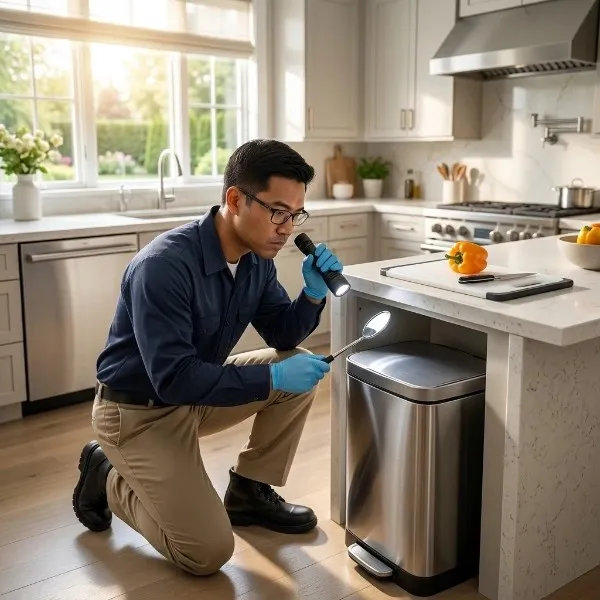
Flies
Drain and filth flies trace to a specific source — usually a drain or bin area — rather than needing the room treated.
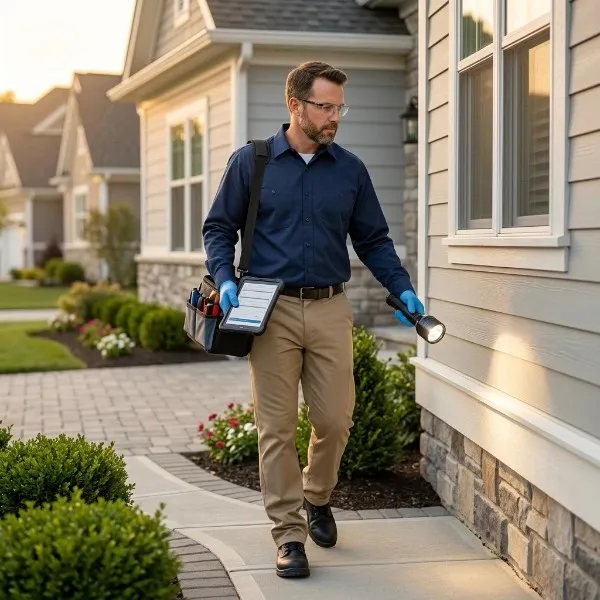
General Insects
Ticks are a genuine Bay County concern given Lyme and Rocky Mountain spotted fever risk, plus termite inspection referrals for all three local species.
General Rodents
Roof rats and Norway rats reach attics and wall voids through gaps that salt air has quietly widened over the years.
Trusted by Homeowners Across the Country
Licensed & Insured
Every pro in the network carries current licensing and insurance.
Same-Day Service
Same-day and next-day appointments typically available.
100% Satisfaction Guarantee
If the pest comes back, your pro comes back — that is the standard.
Locally Trusted Experts
Independent pros who actually live and work in your area.
No Obligation to Book
Talk to a pro first. Nothing is committed until you say so.
Vetted Pro Network
We screen every contractor before they join the PestAlly network.
Most Common Pest Entry Points in Panama City Homes
Salt air degrades weatherstripping and door seals faster on this coast than inland, so gaps appear at doors and garage thresholds sooner than most homeowners expect.
Soffit vents, screens and roofline joints corrode and loosen over time, and that’s where roof rats and wasps get in once the gap is wide enough.
Native subterranean and Formosan termites reach the structure through the slab edge and plumbing penetrations, building mud tubes along the foundation.
Drywood termites need no soil contact at all — they live inside attic framing, fascia and trim, which is exactly why soil treatment doesn’t reach them.
Palmetto bugs live in mulch, pine straw and woodpiles, so stacking those against the foundation puts a permanent roach colony against the wall.
Why Panama City Homes Deal With These Pests Specifically
Two Panhandle realities change how treatment has to work here — one about the building, one about which termite you have.
Salt air opens the house up faster than anyone notices
Coastal humidity and salt air corrode seals, screens, vent covers and weatherstripping considerably faster than inland conditions. A house that was sealed properly five years ago can have half a dozen new entry points now, with nothing visibly wrong.
Assuming a sealing job is permanent. On this coast exclusion work needs re-checking every few years, and that check is usually cheaper than the treatment that follows if it’s skipped.
Three termite species, treated three different ways
Panama City has native subterranean termites, Formosan subterranean termites and drywood termites. The first two enter through soil contact and leave mud tubes. Formosan colonies are far larger and more aggressive. Drywood termites live inside the wood itself and leave nothing at ground level.
Assuming a soil treatment covers the house. It does nothing about drywood termites in the attic framing or fascia, which is why inspection needs to include the woodwork and not just the perimeter.
What to Expect From a Local Pro’s Visit
Every Panama City property is different, but the sequence stays the same — your local pro checks what the salt air has opened up, and identifies the termite before anything else.
Inspect
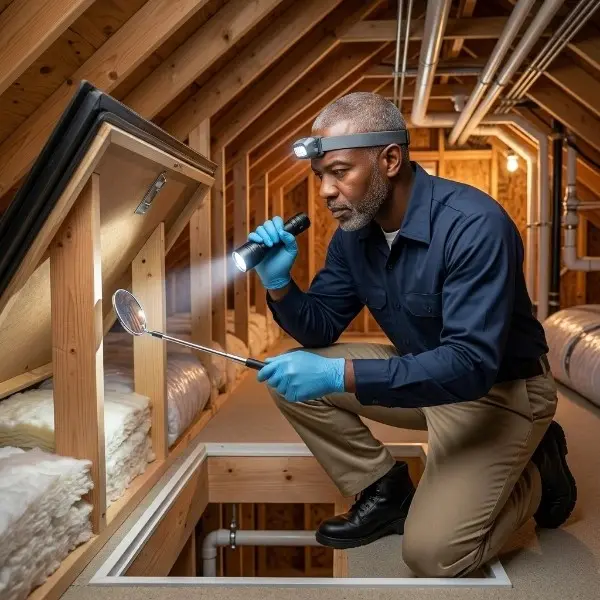
Full inspection: door and garage seals, soffit vents and screens, slab edge, attic framing, mulch placement and standing water.
→Identify
Confirming the species — including which termite — since drywood, Formosan and palmetto bug work are entirely different jobs.
→Treat
Matched to the finding: subterranean baiting or liquid barrier, drywood-specific treatment, rodent exclusion, or perimeter and harborage work.
→Seal
Replacing corroded seals, closing soffit and roofline gaps, sealing slab-edge penetrations and pulling mulch back off the foundation.
→Follow Up
Ongoing service through a long warm season, with exclusion re-checked periodically because salt air keeps working on the building.
→Panama City Neighborhoods & Communities We Serve
PestAlly connects homeowners across Panama City and the surrounding Bay County communities.
St. Andrews
→Cove Historic District
→Millville
→Glenwood
→Bayou George
→Lynn Haven area
→Callaway area
→Parker area
→Downtown Panama City
→Cedar Grove
→How PestAlly Works in Panama City
PestAlly doesn’t perform the pest control ourselves — we connect you with vetted, independent local professionals who do.
Get Started →Tell us what’s going on
The pest, and roughly where in the Panama City area you’re located.
We match you with an independent, local pro
Someone who services your specific neighborhood.
You deal directly with that contractor
Pricing, scheduling, and the work itself are between you and them.
Frequently Asked Questions
Why am I suddenly getting pests I never had before?⌄
Very often it’s the seals. Salt air and coastal humidity degrade weatherstripping, screens, soffit vents and door seals faster here than inland, so a house quietly develops new entry points over a few years with nothing else having changed. Re-checking exclusion work periodically is worth more on this coast than almost anywhere.
Which termite do I have, and does it matter?⌄
It matters a lot. Panama City has native subterranean, Formosan subterranean and drywood termites. The subterranean species enter through soil and leave mud tubes; Formosan colonies are far more aggressive; drywood termites live inside the wood with no soil contact. A soil treatment doesn’t touch drywood termites at all.
Why do roaches show up right after a storm?⌄
Because afternoon thunderstorms flood the mulch, drains and ground harborage where American roaches and palmetto bugs live. They’re pushed out of a flooded space and the nearest dry one is your garage or bathroom. It’s a displacement event, not an indoor breeding problem.
Should I worry about ticks around Panama City?⌄
Ticks are present across Bay County and can transmit Lyme disease and Rocky Mountain spotted fever, so it’s a real concern rather than a theoretical one. Keeping vegetation cut back from the house and yard edges reduces contact. For any health concern after a bite, speak with a doctor.
Does PestAlly serve my specific Panama City neighborhood?⌄
PestAlly connects homeowners throughout Panama City and Bay County, including St. Andrews, the Cove, Millville, Glenwood, Cedar Grove and Downtown. ZIP codes we cover in Panama City are 32401, 32404, 32405, 32408 and 32409.
Get Connected With a Local Panama City Pest Control Pro
Whether it’s roaches after every storm, a gap the salt air has opened up, or a termite question you’d rather settle properly, PestAlly connects you with an independent, local pro who knows what Panhandle coast homes are actually up against.
Looking beyond Panama City? See every Florida city we cover →