
Pest Control in Port Charlotte, FL
Connect With a Local Pro
Who Knows Charlotte County
PestAlly connects Port Charlotte homeowners with independent, local
pest control pros who know the canal network, roof rats in barrel tile
and fifty years of termite colonies in the sandy soil.
Fifty Years of Canals, Sandy Soil and Mature Landscaping — All of It Adds Up
Port Charlotte was platted decades ago around an extensive canal network, and the pest picture here is largely the result of how that has aged. Subterranean termites have had fifty years to establish colonies in the sandy soil around those older foundations, which is why 1970s-era homes in this county are inspected differently from newer ones. The canal system connects storm drains across the whole community, and palmetto bugs and American roaches use those drains to travel between properties — which is why a neighbour’s problem genuinely can become yours. And the mature landscaping that has grown in over those decades now puts palm fronds against barrel tile on a great many roofs, which is exactly what roof rats need. Charlotte Harbor’s tidal marshes and mangrove edges handle the rest. PestAlly connects Port Charlotte homeowners with independent, local pros who understand this specific community.
Get Connected With a Local Pro →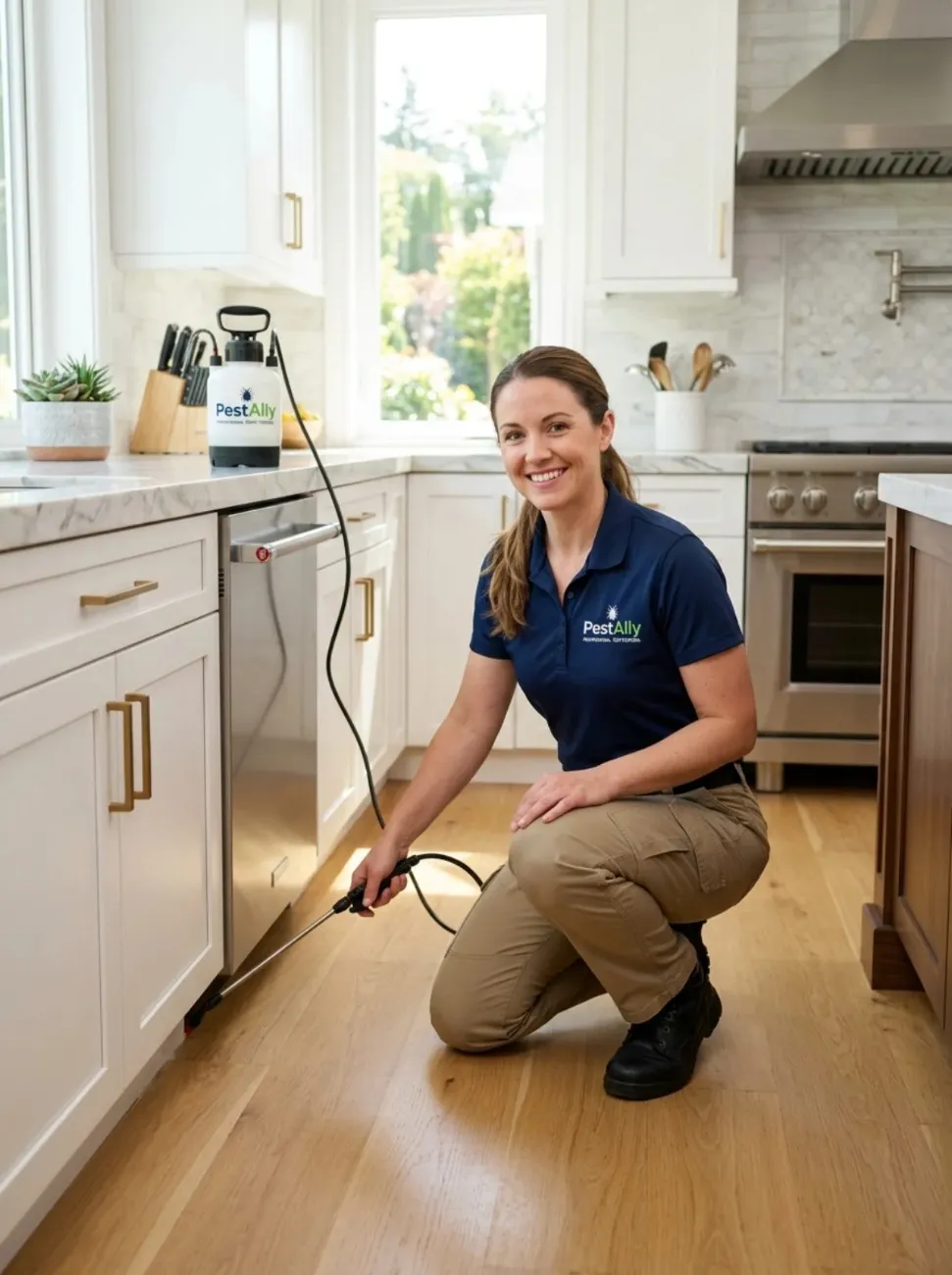
At a Glance
Service Area
Port Charlotte, FL and surrounding Charlotte County communities
Most Common Pests
Eastern subterranean and drywood termites, roof rats, ghost and white-footed ants, palmetto bugs, mosquitoes
Peak Pest Season
Mosquitoes peak June–October but never fully stop; termites all year
Response Time
Same-day and next-day appointments typically available
Port Charlotte’s Year-Round Pest Calendar
In Charlotte County the canals and the harbour keep this calendar running through every month.
Winter
Dec – FebDry season pushes ghost ants indoors toward kitchens and baths
Roof rats active in attics and soffits; termites feeding below
Warming conditions accelerate ant and roach reproduction
Spring
Mar – MaySubterranean termite swarms begin across Charlotte County
Wet season starts — mosquito breeding accelerates in the canals
Mosquito season begins in earnest off the harbour and marshes
Summer
Jun – AugPeak mosquito pressure; roaches travel the storm drain network
Storm rain floods harborage and pushes roaches between properties
Storm season opens new entry points; mosquitoes still peaking
Fall
Sep – NovMosquito peak ends; rodents move indoors as conditions dry
Dry season begins — ant trails move inside hunting water
Termites keep feeding in sandy soil; no slowdown at all
One exception: Mosquito pressure here peaks from June through October but never fully stops. Charlotte Harbor’s tidal marshes and mangrove edges plus the canal network keep breeding habitat available year-round, so the quiet months are quieter rather than clear. Anyone expecting a genuine mosquito-free season in this county will be disappointed.
Services We Cover in Port Charlotte
Canal-front, older platted lot or newer build — here’s what the local pros in our network handle.
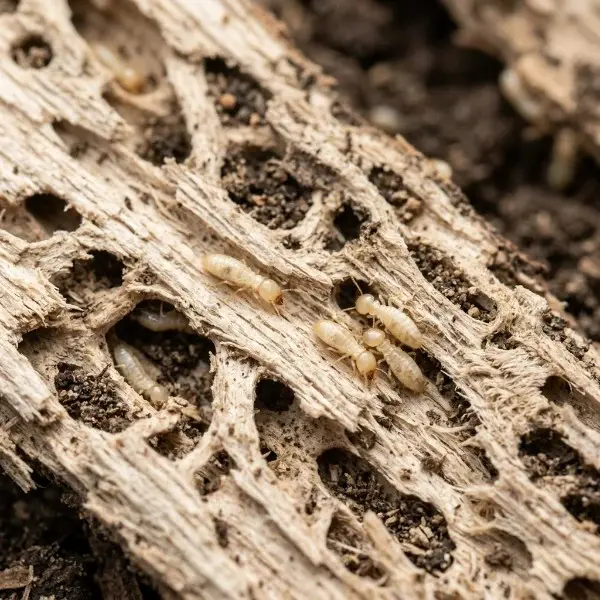
Termites
Drywood termites are active here too, and they live inside the wood with no soil contact at all.
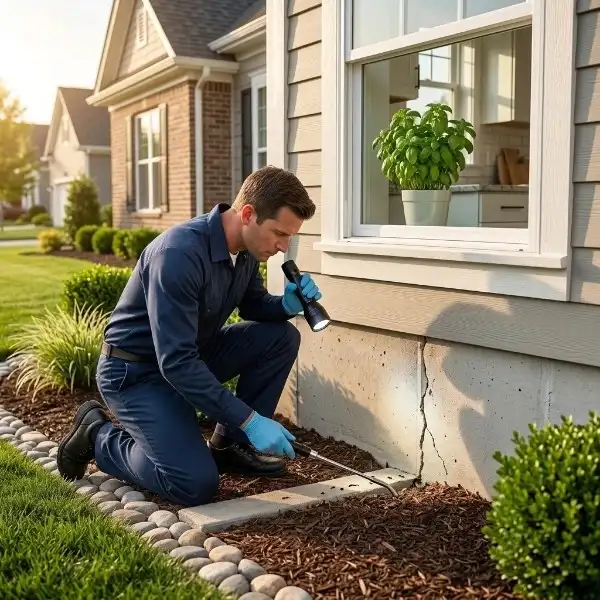
Ants
Ghost ants and white-footed ants are the primary interior pests here, trailing through irrigation control boxes and A/C penetrations.
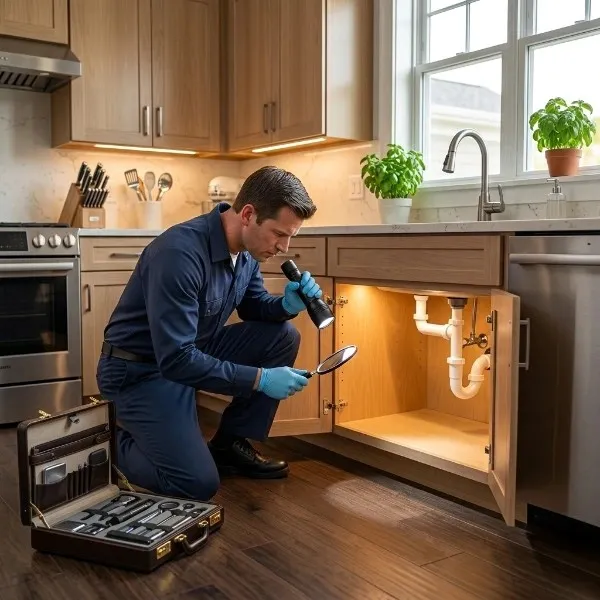
Roaches
Palmetto bugs and American roaches use the canal-connected storm drains to travel between properties, and German roaches breed indoors.
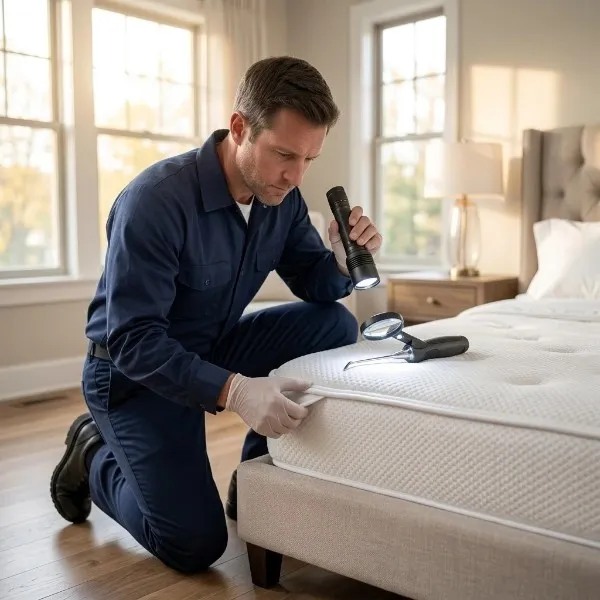
Bed Bugs
Seasonal residents, vacation rentals and steady turnover keep bed bug cases active across Charlotte County all year.
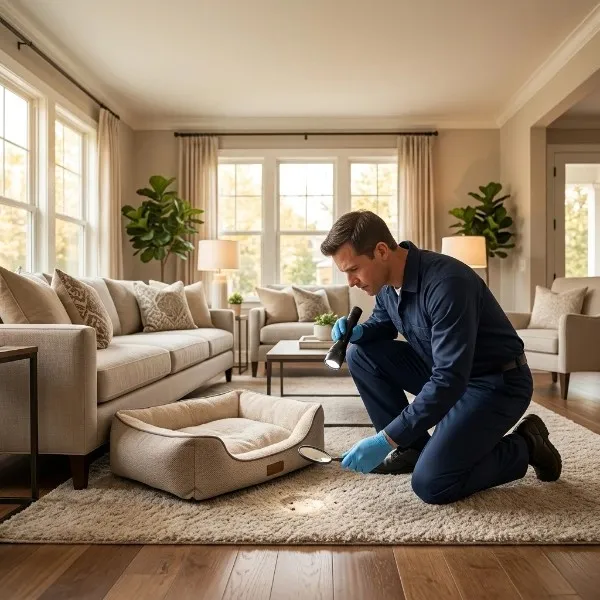
Fleas
Warm humid yards and constant wildlife along the canals and marsh edges keep flea pressure alive in every month.
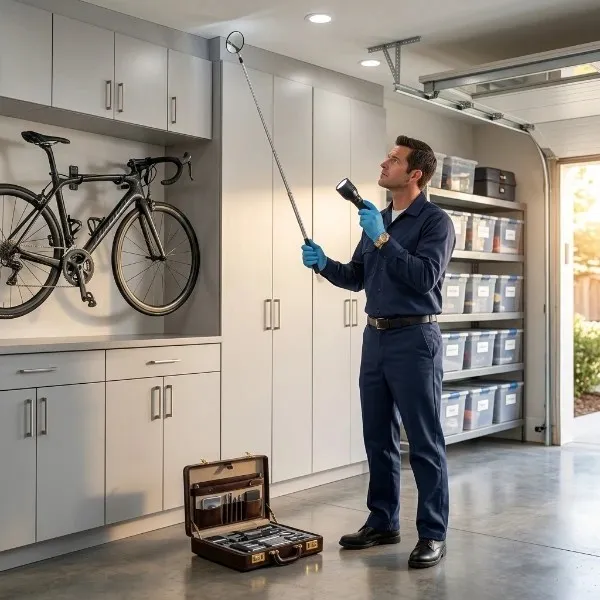
Spiders
Widow spiders and huntsman spiders use garages, sheds, screen enclosures and pool cages throughout the community.
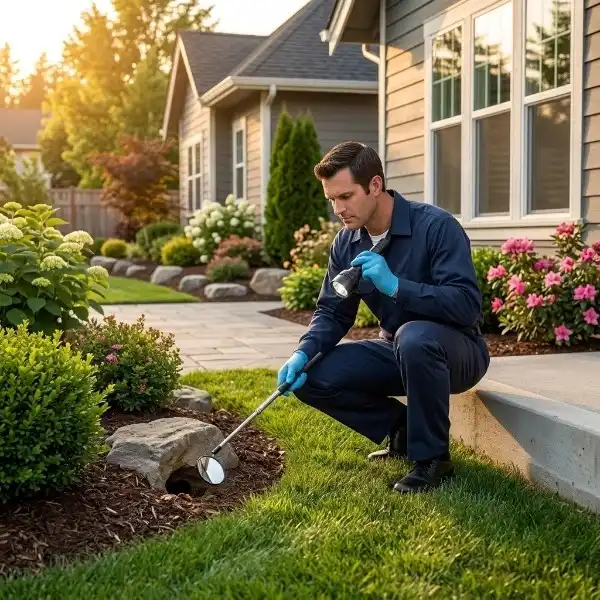
Yellow Jackets
Ground and void nests build fast in the heat, and screen enclosures and pool cages are frequent problem spots.
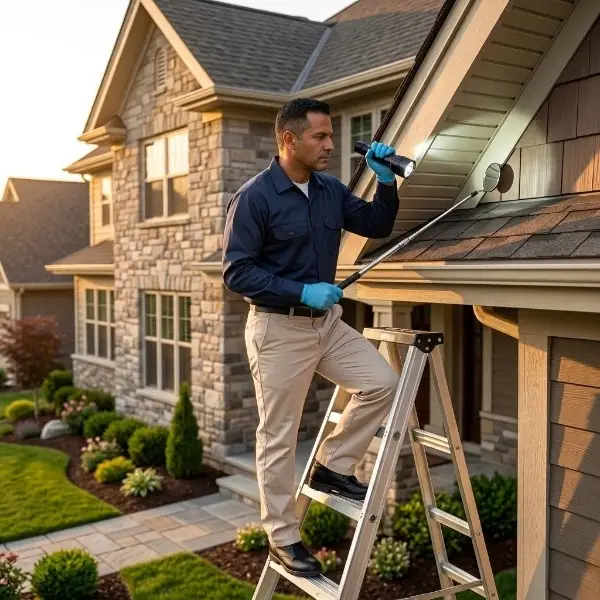
Wasps
Paper wasps build under eaves, lanais, patio covers and screen enclosure frames right through the year.
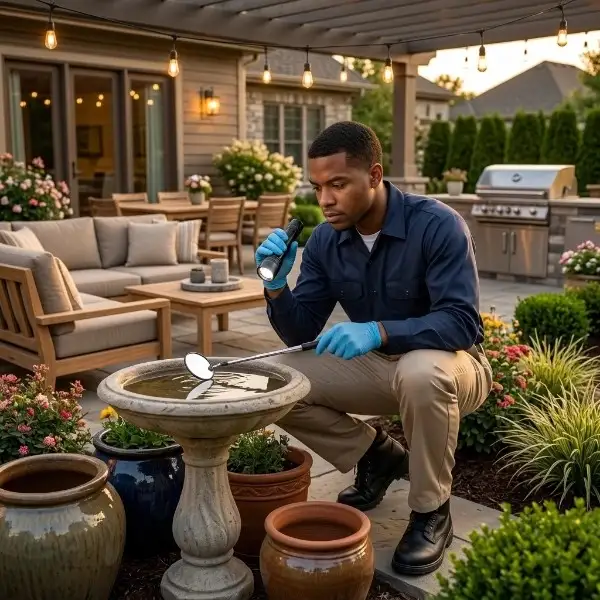
Mosquitoes
Tidal marshes, mangrove edges and the canal network produce mosquito pressure that peaks June to October and never fully stops.
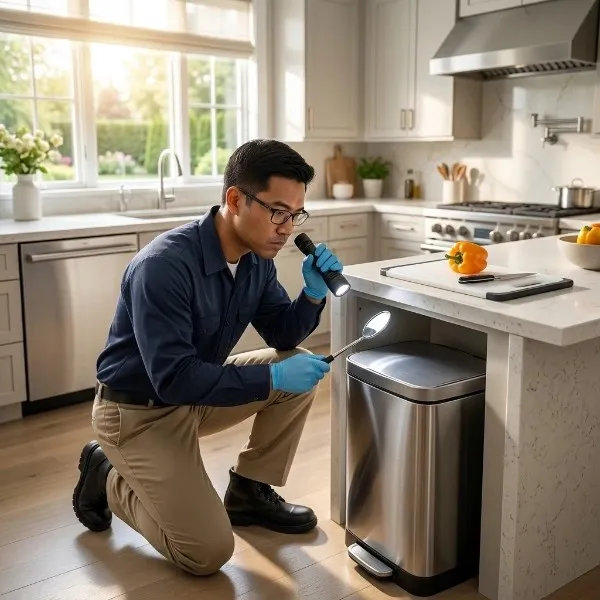
Flies
Drain flies and small flies are common given the storm drain network, and the source is a specific drain rather than the room.
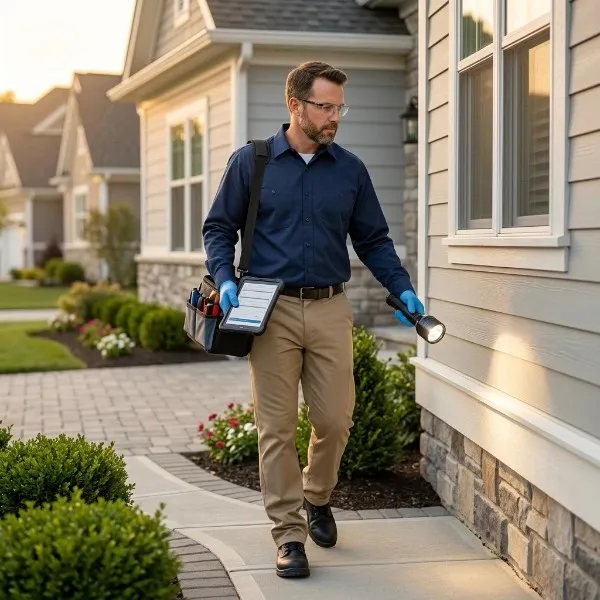
General Insects
Millipedes, silverfish and other humidity-driven insects stay active all year, plus subterranean and drywood termite inspection referrals.

General Rodents
Roof rats access attics through deteriorated soffit vents and barrel-tile gaps, especially where palms touch the roofline.
Trusted by Homeowners Across the Country
Licensed & Insured
Every pro in the network carries current licensing and insurance.
Same-Day Service
Same-day and next-day appointments typically available.
100% Satisfaction Guarantee
If the pest comes back, your pro comes back — that is the standard.
Locally Trusted Experts
Independent pros who actually live and work in your area.
No Obligation to Book
Talk to a pro first. Nothing is committed until you say so.
Vetted Pro Network
We screen every contractor before they join the PestAlly network.
Most Common Pest Entry Points in Port Charlotte Homes
Roof rats get into Port Charlotte attics through deteriorated soffit vents and gaps under barrel tile. On homes of this age those vents have usually degraded quietly over decades.
Mature landscaping and palms touching the roofline give roof rats a direct climbing route — which is why trimming matters as much as anything done inside the attic.
Ghost ants and white-footed ants trail in through irrigation control boxes and A/C line penetrations, following moisture rather than food.
Eastern subterranean termites move easily through the sandy soil to slab edges and plumbing penetrations, and around older foundations they’ve had fifty years to do it.
The canal-connected storm drain network lets palmetto bugs travel between properties, and screen enclosure tears are where they get from the lanai into the house.
Why Port Charlotte Homes Deal With These Pests Specifically
Two Charlotte County realities change how treatment has to work here — one about age, one about the drains.
Older foundations have had fifty years of termite colony development beneath them
Eastern subterranean termites move readily through sandy Charlotte County soil, and around the county’s 1970s-era housing stock they have had decades to establish. Drywood termites are active here too, and they live inside the wood with no soil contact at all.
Applying the same expectation to an older platted home as to a new build. On a fifty-year-old foundation, established colonies in the surrounding soil are the baseline assumption, and the inspection should reflect that.
The storm drain network moves roaches between properties
Palmetto bugs and American roaches use the canal-connected storm drains to travel across the community. That means roach pressure at a given house isn’t only about that house — it’s about the drain network it sits on, and a treated property can be re-entered from the shared system.
Treating indoors and considering it finished. Without perimeter and drain-side work, the storm drain network simply delivers more, and the homeowner concludes the treatment failed.
What to Expect From a Local Pro’s Visit
Every Port Charlotte property is different, but the sequence stays the same — your local pro starts at the soffit line and the drains, because in this community that’s where it begins.
Inspect
Full inspection: soffit vents and barrel tile, palm and landscaping contact, irrigation boxes and A/C penetrations, slab edge and screen enclosure.
→Identify
Confirming the species — including which termite — since drywood, subterranean and roof rat work are entirely separate jobs.
→Treat
Matched to the finding: subterranean baiting or liquid barrier, drywood-specific treatment, rodent exclusion, or ant baiting and drain-side work.
→Seal
Replacing deteriorated soffit vents, sealing barrel-tile gaps and slab penetrations, and cutting palms back off the roofline.
→Follow Up
Ongoing service on a tight interval — with a shared drain network, maintained perimeter work is what keeps re-entry down.
→Port Charlotte Neighborhoods & Communities We Serve
PestAlly connects homeowners across Port Charlotte and the surrounding Charlotte County communities.
Port Charlotte Beach
→Harbour Heights
→Deep Creek
→Murdock
→Charlotte Harbor
→Rotonda West area
→El Jobean
→Gulf Cove
→Sandhill
→South Gulf Cove
→How PestAlly Works in Port Charlotte
PestAlly doesn’t perform the pest control ourselves — we connect you with vetted, independent local professionals who do.
Get Started →Tell us what’s going on
The pest, and roughly where in the Port Charlotte area you’re located.
We match you with an independent, local pro
Someone who services your specific neighborhood.
You deal directly with that contractor
Pricing, scheduling, and the work itself are between you and them.
Frequently Asked Questions
Why do roaches keep coming back even after treatment?⌄
Often because of the storm drains. Palmetto bugs and American roaches travel between properties through the canal-connected storm drain network, so a treated house can be re-entered from the shared system. Perimeter and drain-side work is what reduces that, not indoor treatment alone.
How do roof rats get into a tile roof?⌄
Through deteriorated soffit vents and the gaps under barrel tile. Roof rats climb — mature landscaping and palm fronds touching the roofline give them the route up. Sealing the soffit and tile gaps and trimming the palms back is what closes it.
Is termite risk higher on an older Port Charlotte home?⌄
Generally yes. Eastern subterranean termites move easily through the sandy soil here, and around the county’s 1970s-era foundations they’ve had roughly fifty years to establish. Drywood termites are also present and live inside the wood rather than the soil, so both need to be considered.
Do mosquitoes ever really stop here?⌄
Not entirely. Mosquito pressure in Charlotte County peaks June through October, but tidal marshes, mangrove edges and the canal network keep habitat available year-round, so the off months are quieter rather than clear.
Does PestAlly serve my specific Port Charlotte neighborhood?⌄
PestAlly connects homeowners throughout Port Charlotte and Charlotte County, including Port Charlotte Beach, Harbour Heights, Deep Creek, Murdock, Charlotte Harbor and Gulf Cove. ZIP codes we cover in Port Charlotte are 33948, 33952, 33953, 33954 and 33981.
Get Connected With a Local Port Charlotte Pest Control Pro
Whether it’s roaches arriving from the drains, something in the attic under the tile, or a termite question on an older foundation, PestAlly connects you with an independent, local pro who knows what Charlotte County homes are actually up against.
Looking beyond Port Charlotte? See every Florida city we cover →