
Pest Control in Baton Rouge, LA
Connect With a Local Pro
Who Knows Super Termites
PestAlly connects Baton Rouge homeowners with independent, local
pest control pros who know Formosan super termites, roach surges after
every flood and mosquitoes that breed all year.
In Baton Rouge One Termite Does More Damage Than Everything Else Combined
Baton Rouge has one pest story that outranks everything else: the Formosan subterranean termite, known locally and accurately as the super termite. Formosan colonies are enormous, and a single mature colony can consume up to thirteen ounces of wood a day — far faster than any of the four native subterranean species also found in Louisiana. Their numbers in East Baton Rouge have been rising, and they behave differently too: they swarm at night rather than by day, around Mother’s Day, and they’re drawn to light, which pulls them straight toward lit houses. Around that sits everything the Mississippi River and Louisiana humidity produce — year-round mosquito breeding, and roach populations that never reset because it simply never gets cold enough. Heavy rain and flooding then drive roaches indoors as their outdoor harborage saturates. PestAlly connects Baton Rouge homeowners with independent, local pros who know the difference between the two termites.
Get Connected With a Local Pro →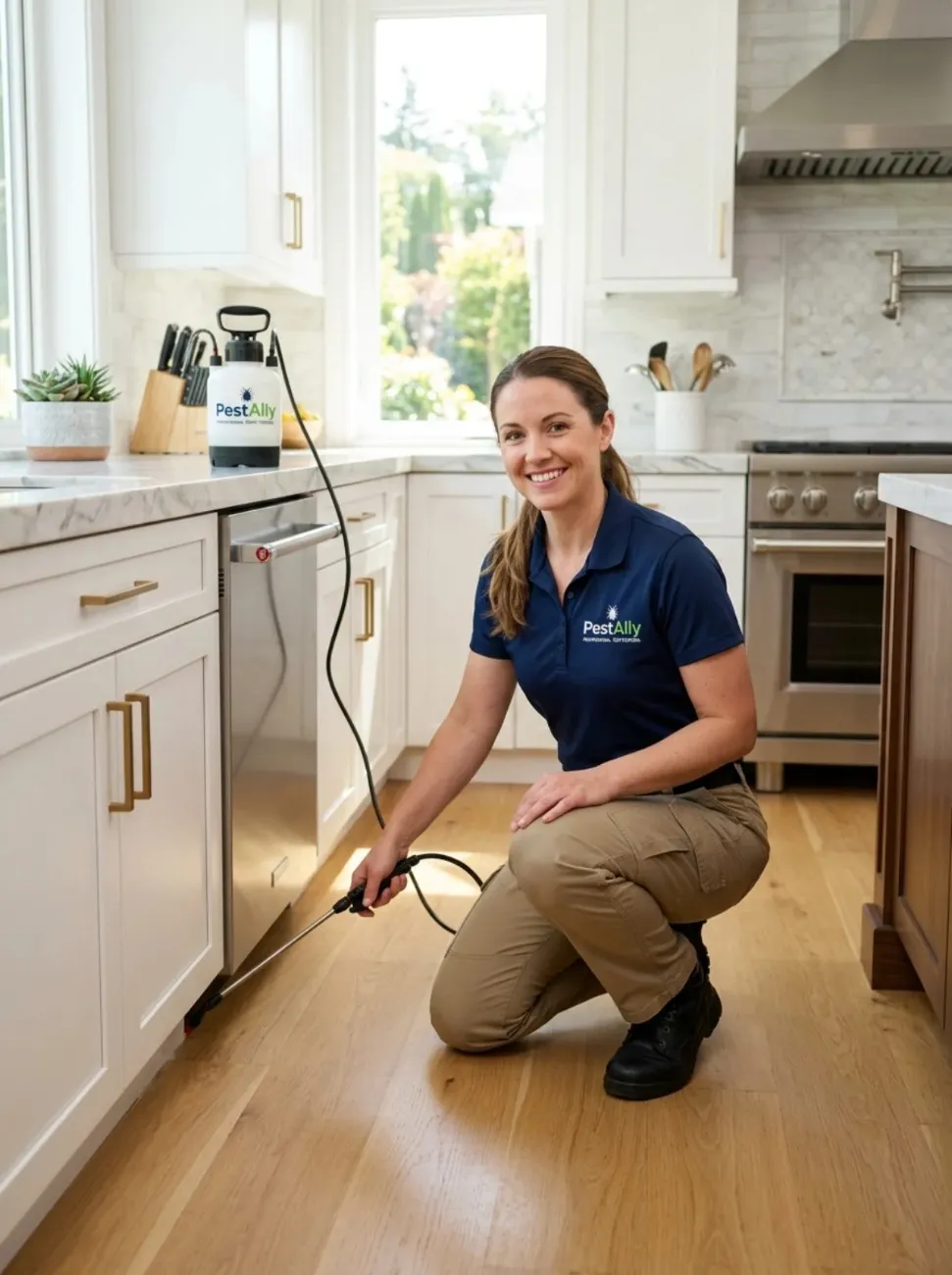
At a Glance
Service Area
Baton Rouge, LA and surrounding East Baton Rouge Parish communities
Most Common Pests
Formosan and native subterranean termites, palmetto bugs, German roaches, mosquitoes, ants, rodents
Peak Pest Season
Year-round, with Formosan swarms around Mother’s Day
Response Time
Same-day and next-day appointments typically available
Baton Rouge’s Year-Round Pest Calendar
Louisiana never really gets cold enough to reset anything — this calendar shows peaks, not pauses.
Winter
Dec – FebMild winter; roaches indoors, termites feeding below ground
Rodents active in attics and wall voids across the parish
Warming weather accelerates roach and ant reproduction
Spring
Mar – MayNative subterranean termites begin daytime swarms
Formosan night swarms around Mother’s Day, drawn to lights
Mosquito breeding accelerates; heavy rain drives roaches indoors
Summer
Jun – AugPeak mosquito season off the river and low ground
Storm rain floods roach harborage and pushes them inside
Hurricane season opens new entry points across the parish
Fall
Sep – NovRain eases slightly; rodents begin moving indoors
Ant and roach trails move inside as the weather cools
Termites keep feeding; Louisiana never gets a real reset
One exception: Formosan swarms don’t behave like the native ones. Native subterranean termites in Louisiana swarm during the day; Formosans swarm at night, around Mother’s Day, and they’re attracted to light — which means porch lights and lit windows actively draw them to the house. If you see a night-time swarm around a light in May, that’s the species that does the most damage.
Services We Cover in Baton Rouge
Older Garden District home, a mid-century ranch or a newer build in the suburbs — here’s what the local pros in our network handle.
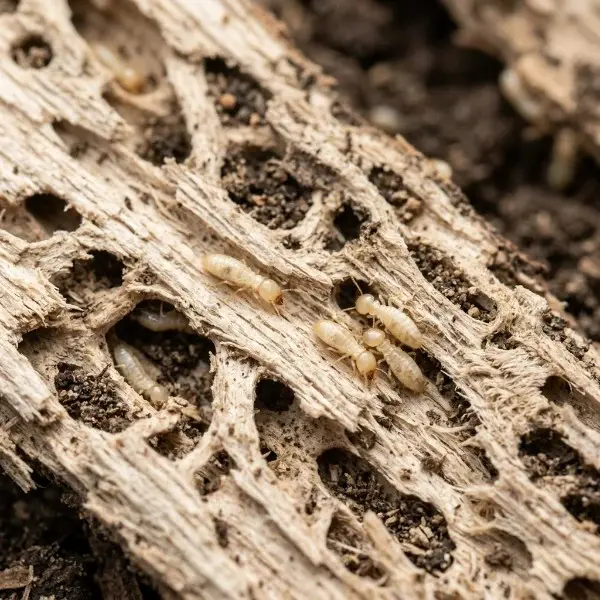
Termites
Porch lights and lit windows in swarm season Porch lights and lit windows actively pull night-swarming Formosan termites toward the house in May — the light itself is part of the problem.
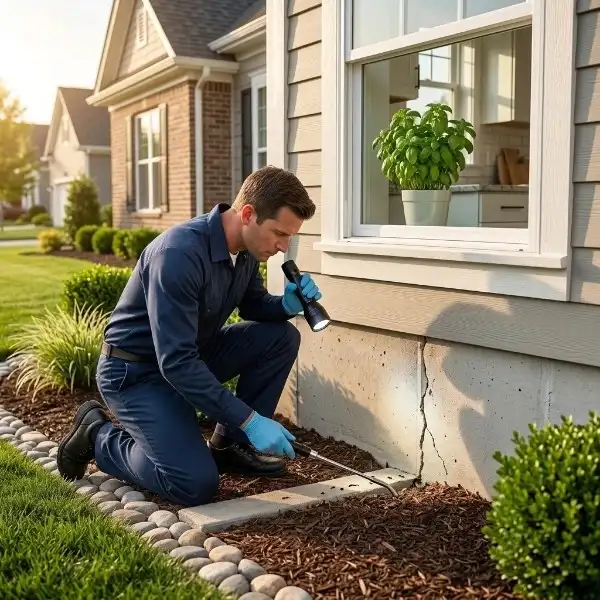
Ants
Argentine, odorous house and fire ants are all established across the parish, trailing indoors along foundations and after heavy rain.
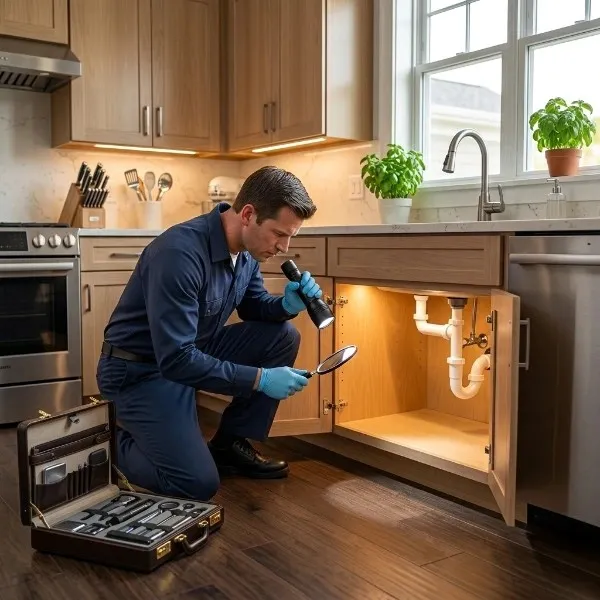
Roaches
Palmetto bugs and German roaches never fully reset here — temperatures rarely drop low enough to suppress them, and floods push them indoors.
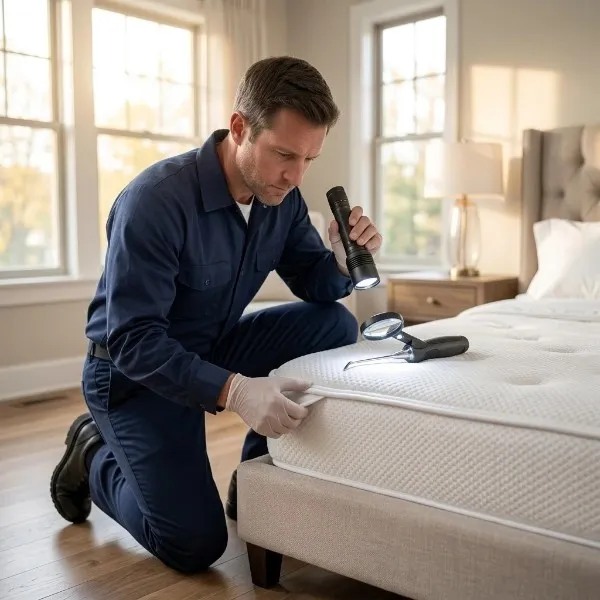
Bed Bugs
Steady travel, university turnover and rental housing keep bed bug cases active across Baton Rouge all year.
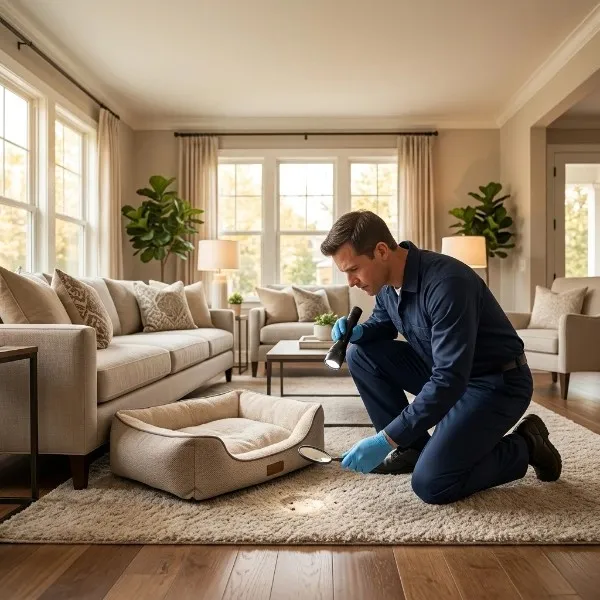
Fleas
Warm humid yards and constant wildlife activity mean flea populations stay active nearly year-round in Louisiana.
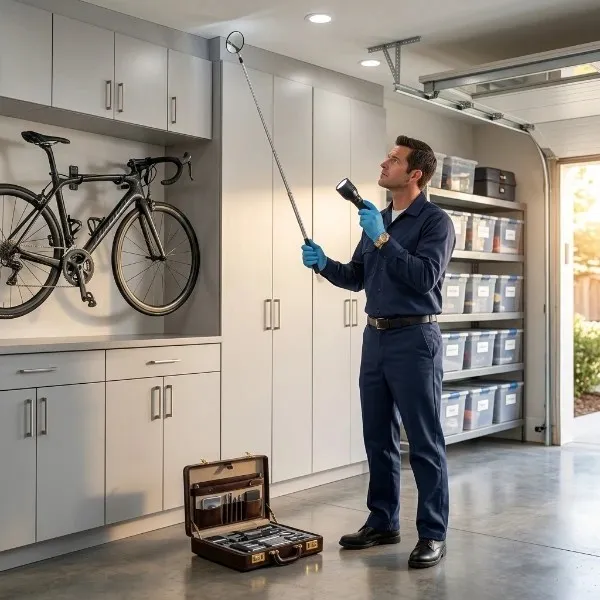
Spiders
Widow spiders and huntsman spiders use garages, sheds, crawl spaces and woodpiles across East Baton Rouge.
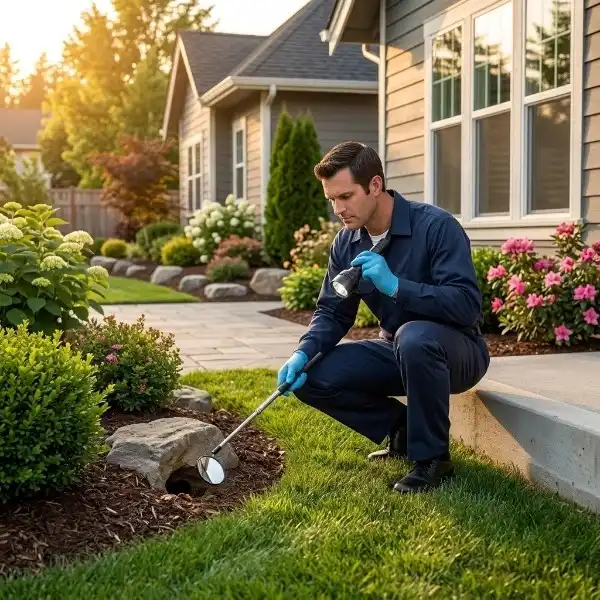
Yellow Jackets
Ground and void nests build fast in the heat and turn defensive quickly through the long humid summer.
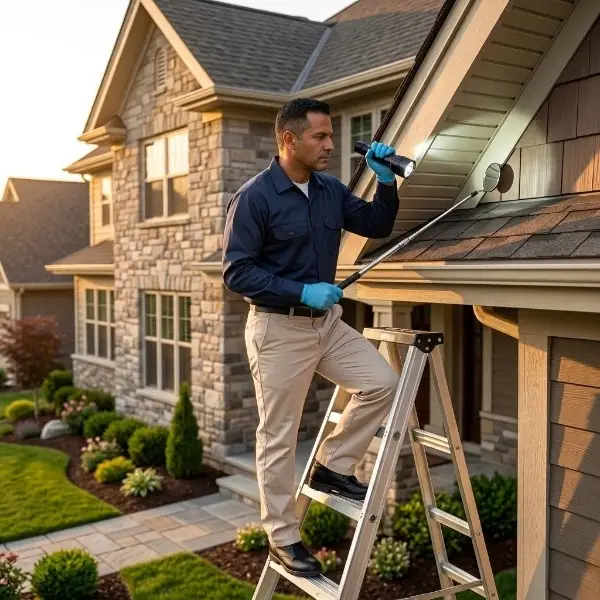
Wasps
Paper wasps build under eaves, porches, carports and outbuildings right through the year here.
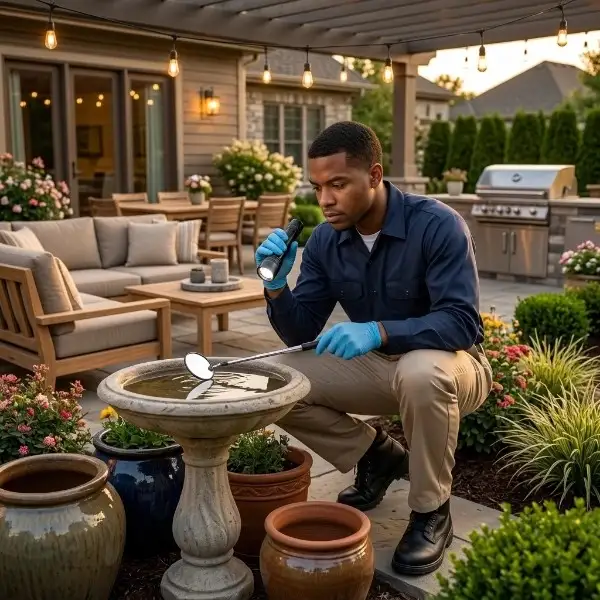
Mosquitoes
Mississippi River humidity and standing water let mosquitoes reproduce nearly year-round, with West Nile virus a real local concern.
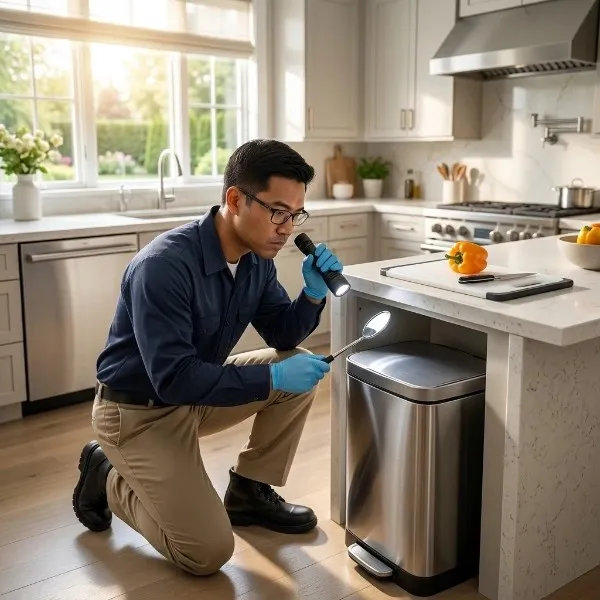
Flies
Drain and filth flies are constant in this climate, and the source is almost always a specific drain, bin area or grease line.
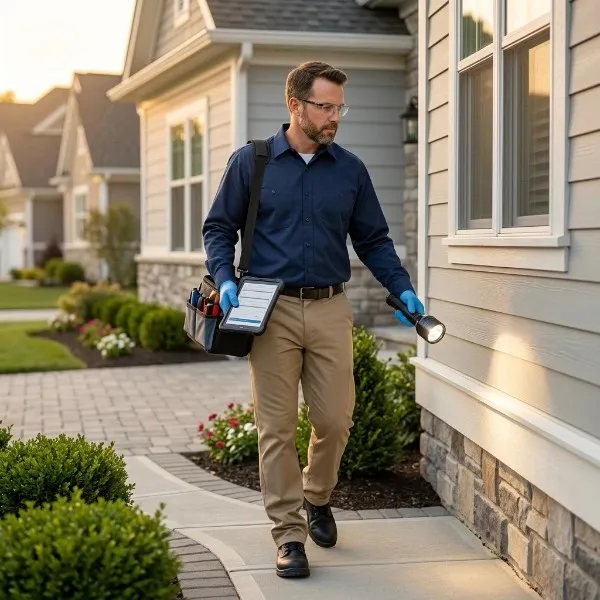
General Insects
Silverfish, millipedes and humidity-driven insects stay active year-round, plus Formosan and native subterranean termite inspection referrals.

General Rodents
Roof rats and Norway rats work attics, crawl spaces and drainage, with pressure rising after flooding displaces them.
Trusted by Homeowners Across the Country
Licensed & Insured
Every pro in the network carries current licensing and insurance.
Same-Day Service
Same-day and next-day appointments typically available.
100% Satisfaction Guarantee
If the pest comes back, your pro comes back — that is the standard.
Locally Trusted Experts
Independent pros who actually live and work in your area.
No Obligation to Book
Talk to a pro first. Nothing is committed until you say so.
Vetted Pro Network
We screen every contractor before they join the PestAlly network.
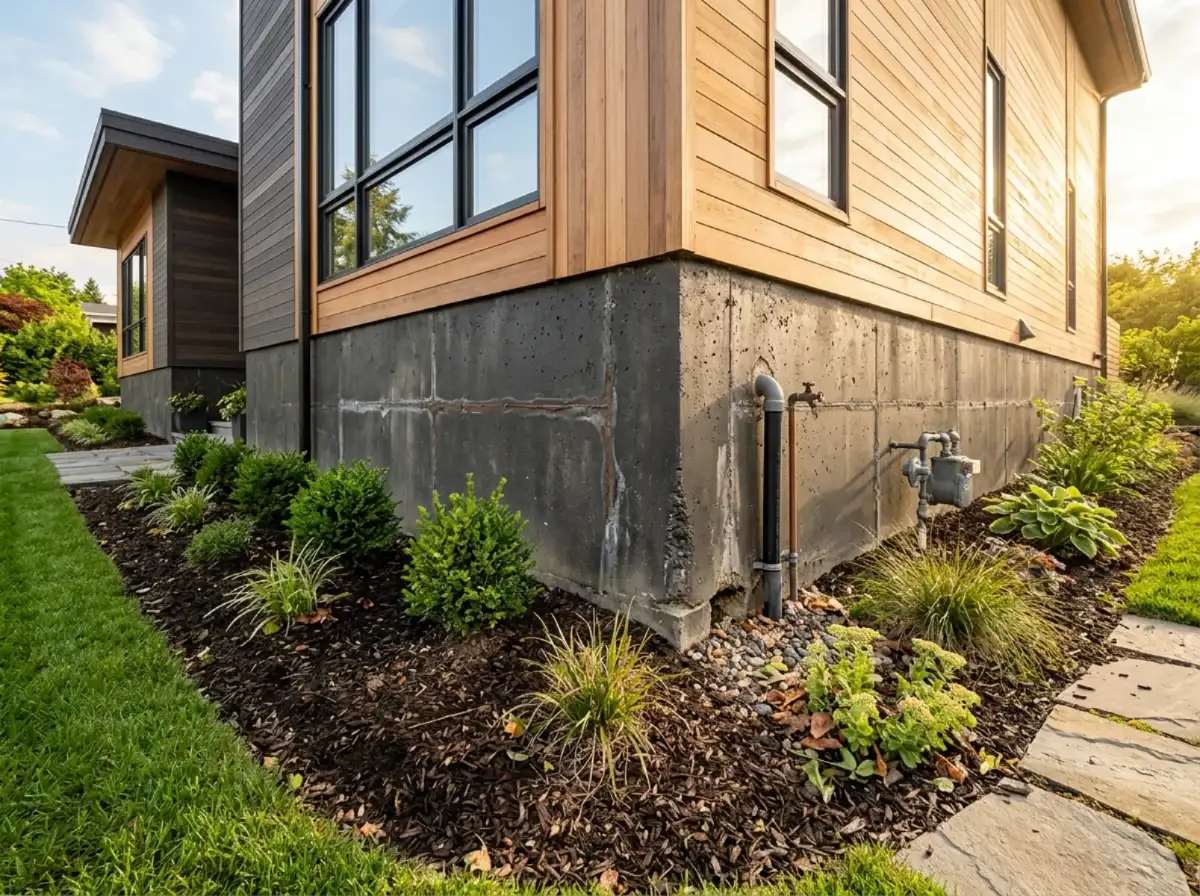
Most Common Pest Entry Points in Baton Rouge Homes
Formosan and native subterranean termites reach the structure through the slab edge and pipe penetrations, and mud tubes on the foundation are usually the first visible sign.
Porch lights and lit windows actively pull night-swarming Formosan termites toward the house in May — the light itself is part of the problem.
Damp crawl spaces and sub-floor access give roaches, spiders and rodents the whole lower level, and Louisiana humidity keeps those spaces wet.
Mulch, ground cover and woodpiles against the foundation are where palmetto bugs live, and heavy rain floods them straight indoors.
A/C line sets, condensate drains and wall penetrations stay permanently damp in this humidity, which makes them a reliable route for ants and roaches.
Why Baton Rouge Homes Deal With These Pests Specifically
Two Louisiana realities change how treatment has to work here — one about which termite, one about the rain.
Formosan super termites are a different problem from native ones
The Greater Baton Rouge area has both Formosan subterranean termites and four native subterranean species, and they are not equivalent problems. Formosan colonies are enormous — a single mature colony can consume around thirteen ounces of wood a day — and their numbers across East Baton Rouge have been climbing.
Treating a Formosan colony as if it were a native one. The scale and speed are different, and so is the treatment plan — which is why identifying the species during inspection is the step that matters most here.
Flooding pushes roaches indoors in waves, not gradually
Baton Rouge temperatures rarely drop low enough to suppress cockroach activity, so populations never fully reset. Heavy rainfall and flooding then push roaches indoors in waves as their outdoor nesting areas saturate — which is why roach calls spike after storms rather than in the heat.
Treating a post-flood roach surge as an indoor infestation. It’s usually a displacement event — the outdoor population moved in. Perimeter and harborage work outside does more than repeated interior treatment.
What to Expect From a Local Pro’s Visit
Every Baton Rouge property is different, but the sequence stays the same — your local pro identifies the termite first, because here that decides everything.
Inspect
Full inspection: slab edge and pipe penetrations, crawl space, mulch and woodpile placement, A/C penetrations and exterior lighting.
→Identify
Confirming the species — Formosan or native — since the scale, speed and treatment plan are genuinely different.
→Treat
Matched to the finding: termite baiting or liquid barrier, targeted roach work, rodent exclusion, or mosquito source reduction.
→Seal
Sealing slab-edge and pipe penetrations, closing crawl space access, and pulling mulch and woodpiles back off the foundation.
→Follow Up
Ongoing service on a tight interval — with no real winter reset, the schedule is what does the work, not the product.
→How PestAlly Works in Baton Rouge
PestAlly doesn’t perform the pest control ourselves — we connect you with vetted, independent local professionals who do.
Get Started →Tell us what’s going on
The pest, and roughly where in the Baton Rouge area you’re located.
We match you with an independent, local pro
Someone who services your specific neighborhood.
You deal directly with that contractor
Pricing, scheduling, and the work itself are between you and them.
Frequently Asked Questions
What’s the difference between a Formosan and a native termite?⌄
Formosans swarm at night and are drawn to light; the four native Louisiana subterranean species swarm during the day. Formosan colonies are also far bigger — a mature colony can eat around thirteen ounces of wood daily — so identifying which one you have changes both the urgency and the plan.
When do Formosan termites swarm in Baton Rouge?⌄
Around Mother’s Day, and at night. That’s the Formosan swarm window in Baton Rouge, and because they’re attracted to light, porch lights and lit windows pull them toward the house. Seeing a night swarm at a light in May is worth acting on rather than waiting.
Why do roaches appear indoors after heavy rain?⌄
Because their outdoor harborage flooded. Heavy rain saturates the mulch, drains and ground cover where roaches live, and they move to the nearest dry space. It’s a displacement event, so perimeter and exterior harborage work usually does more than treating inside again.
Do I need pest control all year in Baton Rouge?⌄
All year. Baton Rouge temperatures rarely fall low enough to suppress cockroach activity, so populations never fully reset, and warm weather lets mosquitoes reproduce more or less continuously. A gap in coverage here is unopposed growth rather than a pause.
Does PestAlly serve my specific Baton Rouge neighborhood?⌄
PestAlly connects homeowners throughout Baton Rouge and East Baton Rouge Parish, including the Garden District, Mid City, Southdowns, Shenandoah, Broadmoor and Old Goodwood, plus Denham Springs, Zachary, Prairieville, Port Allen and Baker. ZIP codes we cover in Baton Rouge include 70806, 70808, 70809, 70810, 70815, 70816 and 70820.
Get Connected With a Local Baton Rouge Pest Control Pro
Whether it’s a night swarm around the porch light in May, roaches indoors after every storm, or mosquitoes that never let up, PestAlly connects you with an independent, local pro who knows what Baton Rouge homes are actually up against.
Looking beyond Baton Rouge? See every Louisiana city we cover →