
Pest Control in San Luis, AZ
Connect With a Local Pro Who Knows Yuma County
San Luis sits right on the border in the middle of Yuma County’s irrigated farmland, the ground that grows a large share of America’s winter lettuce and greens. Canal water runs everywhere, the growing season is winter rather than summer, and the pest calendar here is genuinely inverted compared with most of the country. PestAlly connects San Luis homeowners with independent, licensed local pros who work Yuma County every week.
Call (888) 921-7764Speak to a Local ProWhy San Luis
Why San Luis Homes Get Hit Harder Than Most
Irrigation is the whole environment. San Luis is ringed by canal-fed vegetable fields, and that constant water in one of the driest places in North America creates permanent mosquito habitat, high humidity along the ditches and a steady food supply for rodents. Because the growing season here runs through winter, the field activity that pushes pests toward houses happens on the opposite schedule to most of the country.
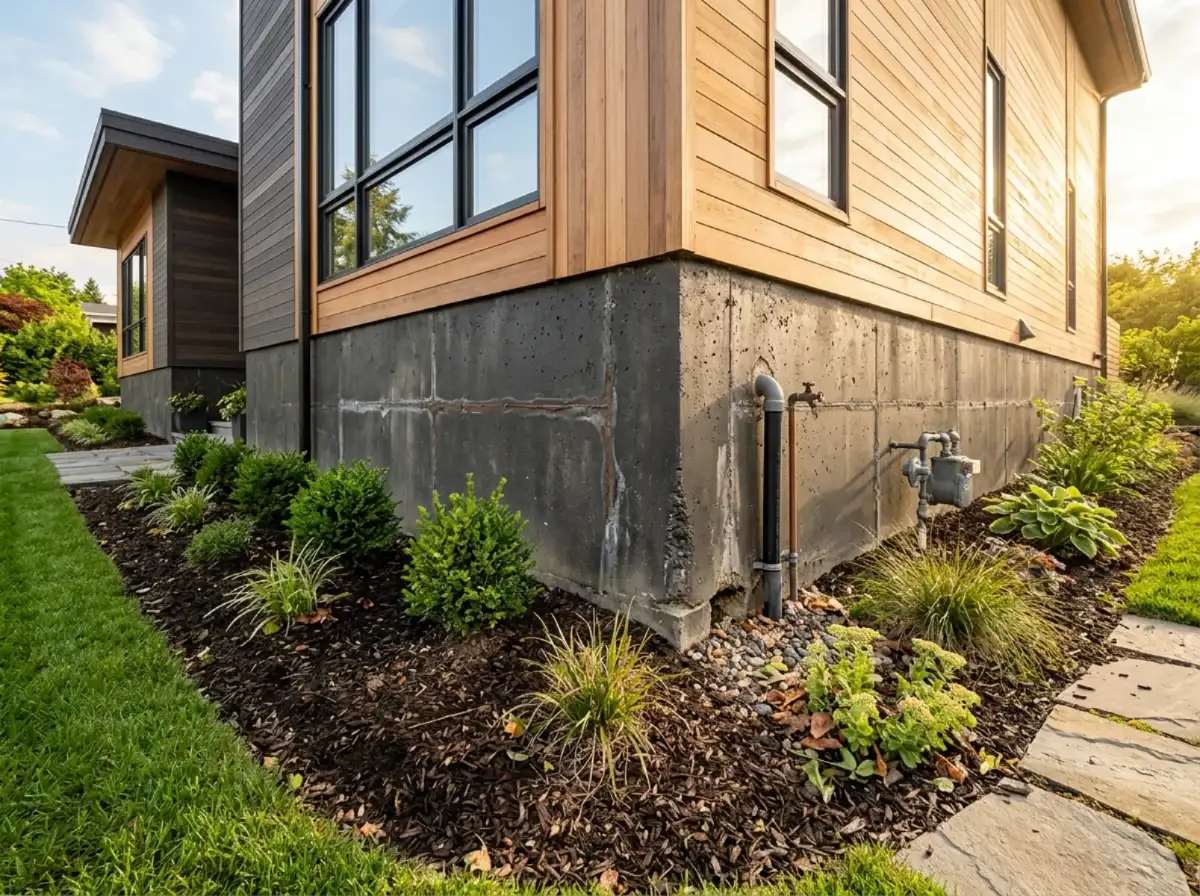
The heat does the rest. Yuma County summers are extreme, and that drives everything toward whatever is cool and damp — which is usually the inside of your house. Roaches move up sewer and irrigation lines, ants trail to any moisture source, and desert subterranean termites work all twelve months because the soil never cools enough to slow them. Slab construction is the norm, so termites come up expansion joints rather than climbing piers.
Seasonal Activity
What’s Active in San Luis, and When
Spring · Mar–May
Heat climbing fast. Ants and roaches move toward indoor moisture, and desert termites swarm after warm nights.
Summer · Jun–Aug
Extreme heat plus canal irrigation. Everything heads for cool, damp interiors; mosquitoes breed in the ditches.
Fall · Sep–Nov
Winter vegetable planting begins. Field activity and irrigation push rodents toward buildings on the farmland edge.
Winter · Dec–Feb
Peak growing season here. Harvest activity in the fields keeps rodent pressure on nearby structures unusually high for winter.
Coverage
Areas We Cover in San Luis
The irrigated field edge
Canal-fed vegetable ground right against housing. Field work and harvest push rodents toward the nearest structure, and it happens in winter here.
Canals & irrigation ditches
Permanent open water in a desert. This is the mosquito source in San Luis, and it does not dry up the way a wash does.
The border commercial corridor
Heavy cross-border traffic, food handling and dumpster pads. Roach and rodent pressure concentrates here and spills into nearby streets.
The residential slab subdivisions
Stucco over slab, so termites arrive through expansion joints and plumbing penetrations rather than climbing piers.
Older housing near the town centre
Mixed-age construction with more gaps, more shared walls and more places for roaches and rodents to move between units.
San Luis sits on the Mexican border about 25 minutes south of Yuma, surrounded by irrigated winter-vegetable ground — a very different setting from a Yuma city lot.
See the whole state on our Arizona pest control page, the metro hub in Yuma, or the nearby towns we also cover: Somerton, Marana, Sahuarita, Vail.
Services
The Pest Problems San Luis Calls About Most
Cockroach Control
Extreme heat drives roaches toward cool, damp interiors, and they surface from sewer and irrigation lines year-round here.
Mosquito Control
Canals and irrigation ditches are permanent open water. Treatment targets those, because they never dry out on their own.
Rodent Control
Yuma County grows in winter, so the field activity that pushes rodents toward buildings peaks when most of the country is quiet.
Termite Control
Desert subterranean termites work all twelve months here — the soil never cools enough to slow them down.
Ant Control
In this heat ants trail to any moisture source, which usually means kitchens, bathrooms and irrigation lines against the slab.
Fly Control
Agricultural operations and food handling near the border corridor keep fly pressure high most of the year.
Also available in San Luis: Wasp Nest Removal · Bed Bug Treatment · Flea Control · Yellow Jacket Removal · Fly Control · Spider Control
Common Questions
San Luis Pest Questions, Answered
Why is our pest season backwards compared with the rest of the country?
Do the canals cause the mosquitoes?
Do termites really survive here?
Why do roaches get worse in the hottest months?
When should I schedule ahead in San Luis?

Speak to an Exterminator in San Luis
Tell us what you’re dealing with and we’ll connect you with an independent, licensed exterminator working in Yuma County. Using PestAlly costs nothing and there is no obligation.
Call (888) 921-7764