
Pest Control in Harlem, GA
Connect With a Local Pro Who Knows Columbia County
Harlem is the rural west end of Columbia County — a small town that grew along the Georgia Railroad, best known as Oliver Hardy’s birthplace, with row crop, pasture and pine plantation starting a few streets from the centre. The housing is genuinely old in the middle and genuinely new on the edges, as Augusta’s growth has begun reaching this far out. Farm ground next to houses drives most of the pest calls. PestAlly is a free service connecting Harlem homeowners with independent, licensed local pest control pros working Columbia County.
Call (888) 921-7764Speak to a Local ProWhy Harlem
Why Harlem Homes Get Hit Harder Than Most
Agriculture sets the calendar here in a way it does not in the Augusta suburbs. Row crop and hay ground surrounds the town, and when a field is cut or harvested the rodents living in it lose their cover and their food on the same day — they move to the nearest structure within a week, which is why Harlem rodent calls cluster tightly around harvest rather than spreading through autumn. Grain storage, equipment sheds and hay barns hold populations year-round, and pine plantation on the other side supplies smokybrown roaches, yellow jackets and spiders.
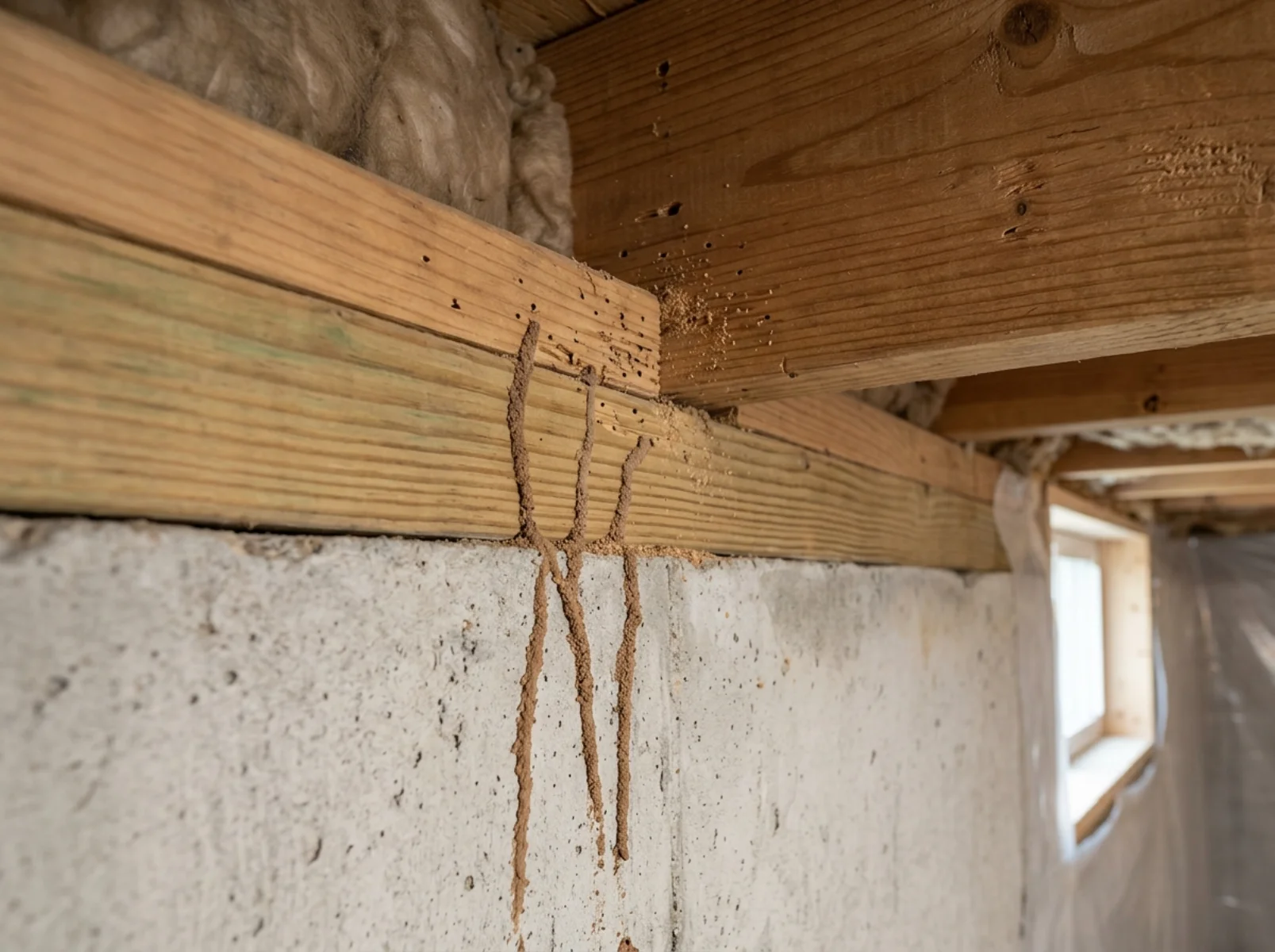
The buildings split into two groups that fail in opposite ways. The old town core has frame houses from the early 1900s on piers and shallow crawl spaces, with wood sills close to sandy soil — and the CSRA carries the heaviest termite pressure in the country, with Formosan colonies confirmed in the Augusta area. The newer subdivisions on the edges are slab and brick veneer on cleared farmland, where termites come through the slab edge and bath trap instead, and where fire ants that were already in the pasture now live in the irrigated turf.

Seasonal Activity
What’s Active in Harlem, and When
Spring · Mar–May
Heavy subterranean termite swarming after the first warm rains, fire ant mounds across pasture and yards, ants indoors.
Summer · Jun–Aug
Mosquitoes off farm ponds and ditches, smokybrown roaches out of pine straw and barns, wasps in equipment sheds.
Fall · Sep–Nov
Harvest pushes field rodents toward buildings, yellow jacket nests peak, and Joro webs cover the tree lines.
Winter · Dec–Feb
Rodents established in barns, sheds and wall voids, ants and roaches still active in the mild spells, termites feeding unseen.
Coverage
Areas We Cover in Harlem
Downtown Harlem & the rail corridor
Early-1900s frame houses on piers and shallow crawl spaces — termites at the sill, carpenter ants, and mice through original gaps.
The farm ground & county roads
Row crop and hay right at the property line. Rodent pressure spikes at harvest, and fire ants work the pasture edges all season.
The newer subdivisions
Slab and brick veneer on cleared farmland. Termites through the slab edge, fire ants in irrigated turf, yellow jackets in retaining walls.
Pine plantation edge
Working timber against the back lots, supplying smokybrown roaches, spiders and yellow jackets to whatever is nearest.
Barns, equipment sheds & grain storage
Populations of mice, rats and roaches that live here year-round and move into houses when the weather turns.
Harlem sits about 30 minutes west of Augusta on the far side of Columbia County, a small railroad town surrounded by working farm and timber ground.
See the whole state on our Georgia pest control page, the metro hub in Augusta, or the nearby towns we also cover: Evans, Grovetown, Hephzibah, Appling.
Services
The Pest Problems Harlem Calls About Most
Rodent Control
Harvest is the trigger in Harlem — cutting a field removes cover and food at once, and the population relocates to buildings within days.
Termite Control
The CSRA has the heaviest termite pressure in the country and confirmed Formosan colonies, and old frame houses here sit close to sandy soil.
Ant Control
Fire ants were in the pasture long before the lawns arrived, and irrigated turf suits them better than the pasture ever did.
Cockroach Control
Smokybrown roaches breed in pine straw, barns and woodpiles and come indoors at night — the fix is outside, not in the kitchen.
Mosquito Control
Farm ponds, irrigation ditches and shaded field edges keep breeding water close, and daytime-biting Aedes uses yard containers as well.
Fly Control
Livestock, manure and grain storage produce filth flies in numbers that residential fly control alone will never handle.
Also available in Harlem: Spider Control · Yellow Jacket Removal · Wasp Nest Removal · Bed Bug Treatment · Flea Control · General Pest Control
Common Questions
Harlem Pest Questions, Answered
Mice arrive every autumn like clockwork. Why?
Should the barn be treated separately from the house?
Our old house is on brick piers. How exposed is it?
Flies are unbearable in summer.
Is Harlem too small to get good pest service?
Speak to an Exterminator in Harlem
Tell us what you’re dealing with and we’ll connect you with an independent, licensed exterminator working in Columbia County. Using PestAlly costs nothing and there is no obligation.
Call (888) 921-7764