
Pest Control in Port Allen, LA
Connect With a Local Pro Who Knows West Baton Rouge Parish
Port Allen is a west bank river town, and everything about its pest situation follows from that. The Mississippi levee runs along the eastern edge, the Port Allen Lock connects the river to the Intracoastal Waterway, sugarcane fields start immediately behind the town, and a heavy industrial and petrochemical corridor runs along the batture and the rail line. River, cane and industry in one small parish. PestAlly is a free service connecting Port Allen homeowners with independent, licensed local pest control pros working West Baton Rouge Parish.
Call (888) 921-7764Speak to a Local ProWhy Port Allen
Why Port Allen Homes Get Hit Harder Than Most
The river and the levee create conditions the east bank does not have. Ground here sits low and wet, the water table is close to the surface, and the batture between the levee and the river holds willow, drift and standing backwater that produces mosquitoes and rats continuously. Norway rats work the port, the lock, the grain terminals and the rail sidings, and roof rats work the residential tree lines — so Port Allen genuinely has both, which is unusual. High water on the river also floods burrows and pushes rats inland toward the town.
Sugarcane and industry supply the rest. Cane fields run right up to the back of the neighbourhoods and are cut from October into January, sending field rodents, fire ants and snakes toward buildings through late autumn and winter. The port, the terminals and the plants add loading docks, waste handling and stored grain, which support commensal rodents and roaches at a level a town this size would not otherwise carry. West Baton Rouge sits inside Formosan territory, and older raised pier houses here put damp wood close to damp ground.

Seasonal Activity
What’s Active in Port Allen, and When
Spring · Mar–May
Native subterranean swarms by day, high river water flushing rats inland, and fire ant mounds pushing up through cane headlands.
Summer · Jun–Aug
Formosan swarms at dusk toward lights, and mosquitoes off the batture and the Intracoastal at their heaviest of the year.
Fall · Sep–Nov
Cane harvest starts, pushing field rodents toward buildings, and roof rats move into attics as the nights cool.
Winter · Dec–Feb
Cane harvest runs into January with the rodent push continuing, and mild damp weather keeps roaches and ants active.
Coverage
Areas We Cover in Port Allen
The levee & batture
Willow, drift and standing backwater between the levee and the river, producing mosquitoes and holding rat burrows year-round.
The port, lock & grain terminals
Loading docks, stored grain and waste handling supporting large Norway rat and roach populations that spill into nearby streets.
The cane fields, west and south
Working sugarcane at the back of the neighbourhoods, cut October to January — a late rodent push, plus fire ants and snakes.
Old Port Allen & the raised houses
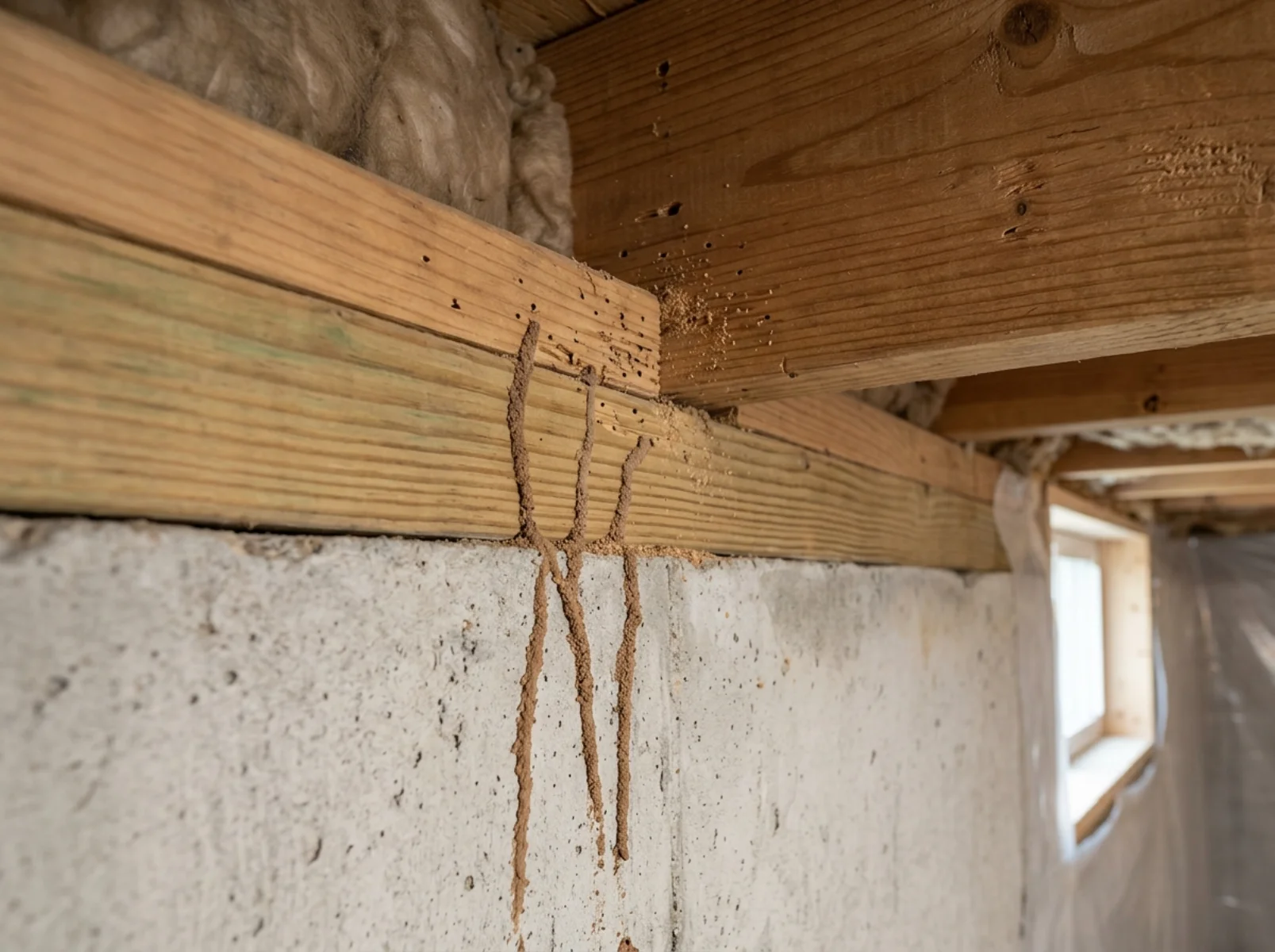
Older pier-built homes with damp, unventilated space beneath, where Formosan mud tubes climb and inspections rarely reach.
The industrial & rail corridor
Plants, sidings and yards with undisturbed ground and waste, giving rodents permanent harbourage close to housing.
Port Allen sits directly across the Mississippi from Baton Rouge in West Baton Rouge Parish, behind the levee where the Intracoastal Waterway meets the river.
See the whole state on our Louisiana pest control page, the metro hub in Baton Rouge, or the nearby towns we also cover: Denham Springs, Zachary, Prairieville, Baker.
Services
The Pest Problems Port Allen Calls About Most
Rodent Control
Port Allen has both — Norway rats at the port, terminals and sidings, and roof rats in the residential tree lines and attics.
Termite Control
West Baton Rouge sits in Formosan territory, and raised pier houses over damp ground let mud tubes climb where nobody inspects.
Mosquito Control
The batture and the Intracoastal hold permanent standing water, and the Asian tiger mosquito breeds in yard containers on top of it.
Cockroach Control
Port and terminal waste handling supports large populations, and smokybrown roaches come up from under raised houses at night.
Ant Control
Fire ants own the cane headlands and yards, and Argentine ants trail indoors after every heavy rain on this low ground.
Fly Control
Waste handling at the port and terminals, plus cane trash after harvest, produce filth flies well beyond residential scale.
Also available in Port Allen: Spider Control · Bed Bug Treatment · Wasp Nest Removal · Yellow Jacket Removal · Flea Control · General Pest Control
Common Questions
Port Allen Pest Questions, Answered
Do we have roof rats or Norway rats here?
The river came up and now we have rats.
We are raised on piers. Does that keep termites out?
Rodents arrive in December rather than autumn.
Mosquitoes are constant even when it has not rained.
Speak to an Exterminator in Port Allen
Tell us what you’re dealing with and we’ll connect you with an independent, licensed exterminator working in West Baton Rouge Parish. Using PestAlly costs nothing and there is no obligation.
Call (888) 921-7764