
Pest Control in Eden Prairie, MN
Connect With a Local Pro Who Knows Hennepin County
Eden Prairie was farmland into the 1970s and then developed with an unusual amount of water and woodland left in place — Staring Lake, Round Lake, Bryant Lake, the Purgatory Creek wetland and a long stretch of Minnesota River bluff and floodplain along the southern edge. Most housing is 1980s onward on full basements. Water, bluff woodland and hard winters set the pattern here. PestAlly is a free service connecting Eden Prairie homeowners with independent, licensed local pest control pros already working Hennepin County.
Call (888) 921-7764Speak to a Local ProWhy Eden Prairie
Why Eden Prairie Homes Get Hit Harder Than Most
Minnesota winters compress the whole rodent year into a few weeks. The first hard freeze here arrives early and decisively, and when it does, mice lose outdoor cover and food almost overnight and move to the nearest heated structure together rather than drifting in over a season. Every Eden Prairie house sits on a full basement below a deep frost line, and the rim joist above the foundation is the entry point on very nearly all of them — a gap that construction leaves and almost nobody seals afterwards.
The water and the bluff supply everything else. Lakes, ponds, restored wetland and Purgatory Creek hold shallow standing water from snowmelt through to autumn, and Minnesota has a serious mosquito season for its latitude — short, but intense, with Culex carrying West Nile alongside the nuisance species. The Minnesota River bluff woodland and the preserved tree cover through the subdivisions give squirrels, raccoons and bats direct access to soffits, and hold blacklegged ticks in the leaf litter in a state with genuine Lyme risk.

Seasonal Activity
What’s Active in Eden Prairie, and When
Spring · Mar–May
Heavy snowmelt into window wells and sump pits, bats returning to attic roosts, and ants active in slab joints.
Summer · Jun–Aug
A short, intense mosquito season off the lakes and wetland, and blacklegged ticks along the bluff woodland edges.
Fall · Sep–Nov
The first hard freeze moves mice indoors within days, and boxelder bugs and lady beetles take sunny walls.
Winter · Dec–Feb
A long, cold season with mice established in rim joists and wall voids, and squirrels denning in attics.
Coverage
Areas We Cover in Eden Prairie
The Minnesota River bluff & floodplain
Steep wooded bluff along the southern edge — ticks in the leaf litter, plus bats, squirrels and raccoons to the rooflines.
Staring, Round & Bryant Lakes
Lake margins and shallow shoreline holding water from snowmelt to autumn, driving the short intense mosquito season.
Purgatory Creek & the restored wetland
Preserved marsh running through the middle of the city, keeping shaded standing water and humidity all summer.
The 1980s–2000s subdivisions
Full basements below a deep frost line — the rim joist is the reliable mouse entry on very nearly every house.
The Golden Triangle & office corridor
Commercial and food-service ground with waste handling, supporting rodents and flies near the residential streets.
Eden Prairie sits about 20 minutes south-west of downtown Minneapolis in Hennepin County, wrapped along the Minnesota River bluffs with lakes and wetland throughout.
See the whole state on our Minnesota pest control page, the metro hub in Minneapolis, or the nearby towns we also cover: Burnsville, Hopkins, Maple Grove, Shakopee.
Services
The Pest Problems Eden Prairie Calls About Most
Rodent Control
Minnesota’s first hard freeze moves mice indoors within days, so sealing the rim joist in September beats trapping in November.
Mosquito Control
Lakes, ponds and restored wetland hold shallow water from snowmelt to autumn, and Culex here carries West Nile.
General Pest Control
Boxelder bugs and Asian lady beetles cover sunny walls each autumn and overwinter in wall voids until the first thaw.
Ant Control
Carpenter ants nest in damp rim joists and deck framing, and Minnesota’s snow load keeps that timber wet for months.
Spider Control
Full basements stay cool and damp all year, so camel crickets, centipedes and cellar spiders never really die back.
Wasp Nest Removal
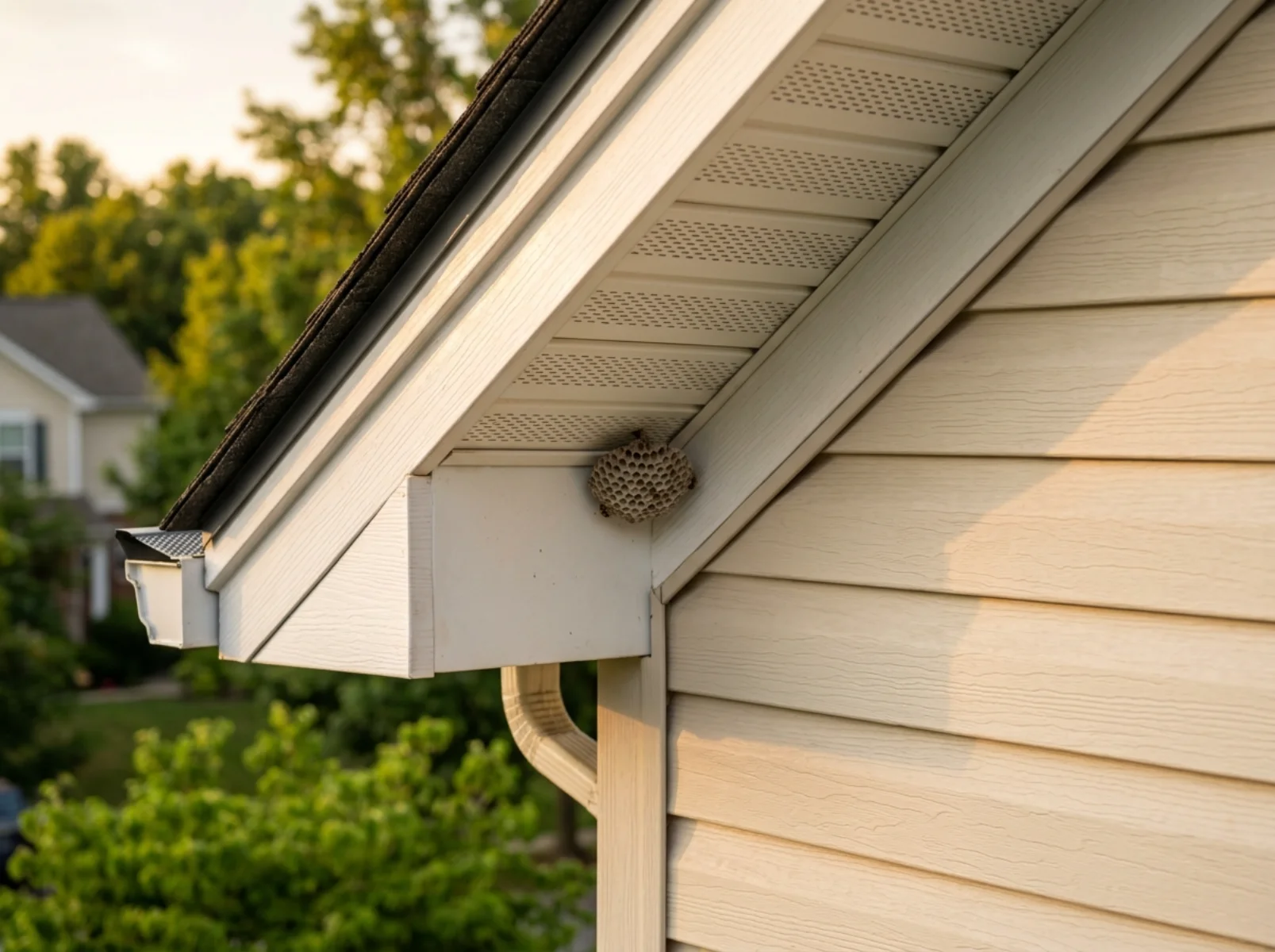
Deep eaves and covered decks on these homes are prime paper wasp sites, and colonies build fast in a short Minnesota summer.
Also available in Eden Prairie: Bed Bug Treatment · Cockroach Control · Yellow Jacket Removal · Flea Control · Fly Control · Termite Control
Common Questions
Eden Prairie Pest Questions, Answered
Mice appear within days of the first hard freeze.
Do we need to worry about ticks in Minnesota?
Is termite treatment necessary this far north?
Our deck framing is rotting and now there are big black ants.
Water in the window wells every spring.
Speak to an Exterminator in Eden Prairie
Tell us what you’re dealing with and we’ll connect you with an independent, licensed exterminator working in Hennepin County. Using PestAlly costs nothing and there is no obligation.
Call (888) 921-7764