
Pest Control in Rio Rancho, NM
Connect With a Local Pro Who Knows Sandoval County
Rio Rancho is the outlier of the Albuquerque metro. Where the valley towns have the Rio Grande bosque and centuries-old acequia ditches, Rio Rancho sits up on the West Mesa — dry sandy ground, no river corridor, no irrigation ditches, and almost everything built since the 1980s. That absence changes the pest list more than people expect. PestAlly is a free service connecting Rio Rancho homeowners with independent, licensed local pest control pros already working Sandoval County.
Call (888) 921-7764Speak to a Local ProWhy Rio Rancho
Why Rio Rancho Homes Get Hit Harder Than Most
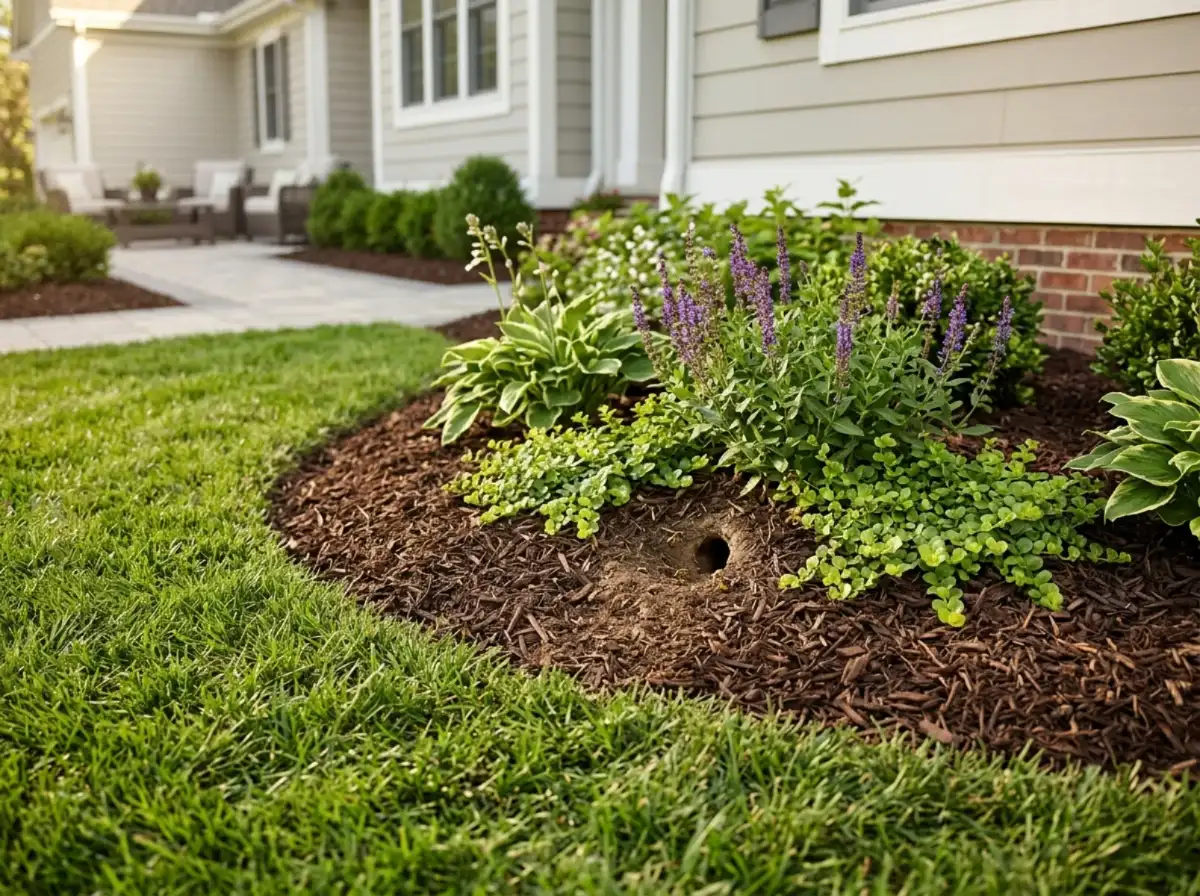
On the mesa there is no bosque and no acequia, so the water that draws pests is whatever a household creates. Irrigated yards, drip lines, leaking hose bibs and irrigation valve boxes are the only reliable moisture on sandy ground that drains almost instantly, and black widows, desert ants, crickets and roaches concentrate around exactly those points. Loose mesa sand also suits burrowing — ground-nesting wasps, kangaroo rats and packrats work right up to foundations without leaving much sign at the surface.
Continuous building is the other factor. Rio Rancho has been expanding across open mesa for four decades and still is, so grading and stripped ground keep evicting the mice, packrats, ground squirrels and ground-nesting wasps that lived there straight into finished streets. Construction is slab-and-stucco, so entry is at the weep screed, garage seal and utility penetrations rather than any crawl space, and desert subterranean termites tube up slab edges and block from dry ground.

Seasonal Activity
What’s Active in Rio Rancho, and When
Spring · Mar–May
Ground warms and scorpions, widows and ants become active, and desert termites swarm after the first rains.
Summer · Jun–Aug
Monsoon storms fill arroyos and low ground, and roaches and crickets concentrate around irrigation boxes.
Fall · Sep–Nov
Packrats and mice move into garages, sheds and stored vehicles as nights cool on the mesa.
Winter · Dec–Feb
Rodents settled in garages and wall voids, and widows staying active in sheltered block walls and boxes.
Coverage
Areas We Cover in Rio Rancho
The open West Mesa edge
Raw mesa against the newest streets, sending packrats, kangaroo rats, widows and desert ants toward irrigated yards.
The active build-out
Grading and stripped ground continually evicting rodents, ants and ground wasps into the finished streets alongside.
The irrigation boxes & drip lines
The only reliable moisture on fast-draining sand, concentrating widows, roaches and crickets at specific points.
The arroyo & storm channel system
Dry channels that run hard in monsoon season and leave damp pockets that draw roaches and breed mosquitoes.
The established 1980s–90s neighbourhoods
Older slab-and-stucco with settled joints and aged penetrations giving more wall-void entries than new builds.
Rio Rancho sits directly north-west of Albuquerque in Sandoval County, spread across the sandy West Mesa above the Rio Grande valley.
See the whole state on our New Mexico pest control page, the metro hub in Albuquerque, or the nearby towns we also cover: Bernalillo, Corrales, Los Lunas, Belen.
Services
The Pest Problems Rio Rancho Calls About Most
Spider Control
Black widows concentrate in irrigation valve boxes, block walls and stored material — wear gloves before reaching into a box.
Rodent Control
Packrats and kangaroo rats work loose mesa sand right up to foundations, and grading keeps pushing them into finished streets.
Ant Control
Irrigated ground is the only water on the mesa, so desert ant species trail toward it from dry country year-round.
Termite Control
Desert subterranean termites tube up slab edges and block from dry ground rather than needing damp framing to start.
Cockroach Control
Desert roaches live in irrigation boxes, drains and block wall voids and come in at night rather than nesting in kitchens.
Yellow Jacket Removal
Loose sand and disturbed construction soil suit ground nests, and they turn aggressive around food in late summer.
Also available in Rio Rancho: Mosquito Control · Bed Bug Treatment · Wasp Nest Removal · Flea Control · Fly Control · General Pest Control
Common Questions
Rio Rancho Pest Questions, Answered
Why is Rio Rancho different from the valley towns?
Widows in the irrigation valve box.
Our new house has more pests than the old one.
Termites on dry sandy ground?
Packrats in the garage and the vehicle.
Speak to an Exterminator in Rio Rancho
Tell us what you’re dealing with and we’ll connect you with an independent, licensed exterminator working in Sandoval County. Using PestAlly costs nothing and there is no obligation.
Call (888) 921-7764