
Pest Control in Greer, SC
Connect With a Local Pro Who Knows Greenville County
Greer sits on the Greenville and Spartanburg county line, an old textile mill town that changed completely when the vehicle plant and the inland port arrived — large manufacturing, distribution and logistics ground alongside mill housing and fast new subdivision growth. This is the Upstate: Piedmont red clay, not the sandy Midlands. PestAlly is a free service connecting Greer homeowners with independent, licensed local pest control pros working Greenville County.
Call (888) 921-7764Speak to a Local ProWhy Greer
Why Greer Homes Get Hit Harder Than Most
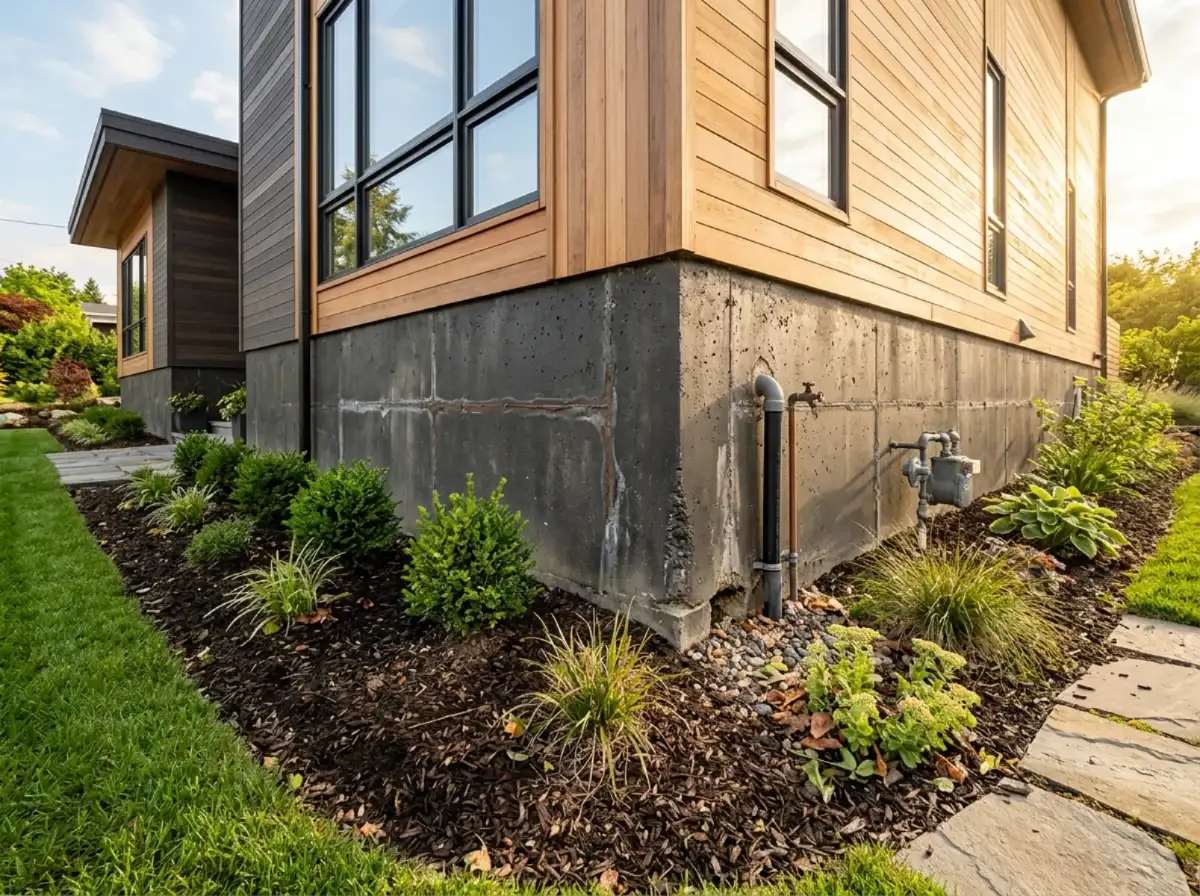
Piedmont red clay behaves differently from the sandy soil an hour east, and it matters. Clay holds surface water instead of draining it, so ground stays wet against foundations and crawl spaces stay humid long after rain, which is exactly what heavy South Carolina subterranean termite pressure exploits and what smokybrown roaches, camel crickets and carpenter ants need. Clay also cracks in summer heat, opening routes at slab edges.
Industrial and logistics ground supplies the rest. Manufacturing plants, the inland port, rail and distribution warehousing give Norway rats undisturbed harbourage and continuous cover at a scale housing never produces, and the airport adds food service and waste handling. Meanwhile mill housing on brick piers puts old sills close to that damp clay, and new subdivisions on cleared ground leave stumps beside fresh slabs.

Seasonal Activity
What’s Active in Greer, and When
Spring · Mar–May
Termite swarms after warm rain, ants through slab joints, and rats active on industrial ground.
Summer · Jun–Aug
Clay cracking at foundations, smokybrown roaches at peak, and mosquitoes off creek low ground.
Fall · Sep–Nov
Yellow jackets at their largest, and rodents moving into crawl spaces from cleared and freight ground.
Winter · Dec–Feb
Rats holding steady on industrial waste, and mice established in crawl spaces and wall voids.
Coverage
Areas We Cover in Greer
The Piedmont red clay ground
Water held at foundations rather than draining, keeping crawl spaces humid long after rain.
The manufacturing and inland port
Undisturbed harbourage and continuous cover supporting rats close to residential streets.
The old mill housing
Brick piers putting original sills close to damp clay under heavy termite pressure.
The new subdivisions on cleared ground
Stumps and buried timber sitting a few yards from brand-new slabs.
The airport and service corridor
Food service and waste handling feeding rodents and flies into nearby neighbourhoods.
Greer sits between Greenville and Spartanburg in the Upstate, an old textile mill town that now hosts a large vehicle manufacturing plant and the regional airport.
See the whole state on our South Carolina pest control page, the metro hub in Greenville, or the nearby towns we also cover: Simpsonville, Easley, Mauldin, Travelers Rest.
Services
The Pest Problems Greer Calls About Most
Termite Control
Red clay keeps ground wet at foundations, and South Carolina pressure is heavy statewide.
Rodent Control
Plant, port and warehouse ground sustains rats at a level housing never generates.
Cockroach Control
Smokybrown roaches breed in humid crawl spaces on clay and come up at night, not in the kitchen.
Ant Control
Clay cracking in summer heat opens slab joints, and fire ants work every open lot.
General Pest Control
Mild winters and constant humidity mean pressure barely resets between seasons.
Mosquito Control
Creek low ground on clay holds standing water long after the rain has stopped.
Also available in Greer: Spider Control · Wasp Nest Removal · Yellow Jacket Removal · Bed Bug Treatment · Flea Control · Fly Control
Common Questions
Greer Pest Questions, Answered
Is the Upstate different from the rest of the state for pests?
Water sits against the foundation after rain.
Rats from the industrial side.
Large roaches after dark in a spotless house.
Termites in a new-build on cleared land.
Speak to an Exterminator in Greer
Tell us on the call what you’re dealing with and we’ll connect you with an independent, licensed exterminator working in Greenville County. Using PestAlly costs nothing and there is no obligation.
Call (888) 921-7764