
Professional Ant Control That Eliminates the Colony — Not Just the Trail
PestAlly connects you with independent, local ant control pros who treat the colony — not the trail.
Structural Damage
Carpenter ants tunnel through damp or damaged wood to build nests, weakening structures over time if left untreated.
Contaminated Food
Ants travel through trash, drains, and outdoor debris before crawling across your counters and pantry shelves.
Painful Bites & Stings
Fire ants can deliver a painful, sometimes dangerous sting — a real concern for kids and pets in the yard.
At a Glance
| Service | Ant Control |
| Best For | Recurring or hard-to-locate ant problems |
| Common Species | Carpenter, Odorous House, Pavement, Pharaoh, Fire Ants |
| DIY Works? | Small, contained trails only |
| Professional Needed? | Recurring activity, large colonies, carpenter or pharaoh ants |
| Typical Treatment | Species ID → targeted baiting or nest treatment → sealing → follow-up |
| Service Area | Nationwide |
The PestAlly Process
Inspect
We start with a full inspection — indoors and out — to locate ant trails, identify the species, and narrow down where the colony itself is likely hiding.
Diagnose
Every ant problem has a reason it’s happening — moisture, an open entry point, food left out, or landscaping touching the house. We flag the cause, not just the ants you can see.
Treat
Instead of spraying only the ants you can see, treatment targets the source — species-specific baiting or direct nest treatment built to reach the colony, including the queen.
Seal
Entry points get sealed and the conditions that invite ants back — leaks, gaps, debris against the foundation — get flagged so the same trail doesn’t reopen.
Follow Up
Bait is typically carried back to the colony within 24–72 hours, with visible activity dropping in 1–2 weeks. Larger or recurring infestations often include a follow-up visit.
CUSTOM TREATMENT
So Long, Ants — For Good This Time
Keeping ants out is an ongoing process, not a one-time spray. Here’s how PestAlly-connected pros make sure they don’t come back.
Thorough Inspection
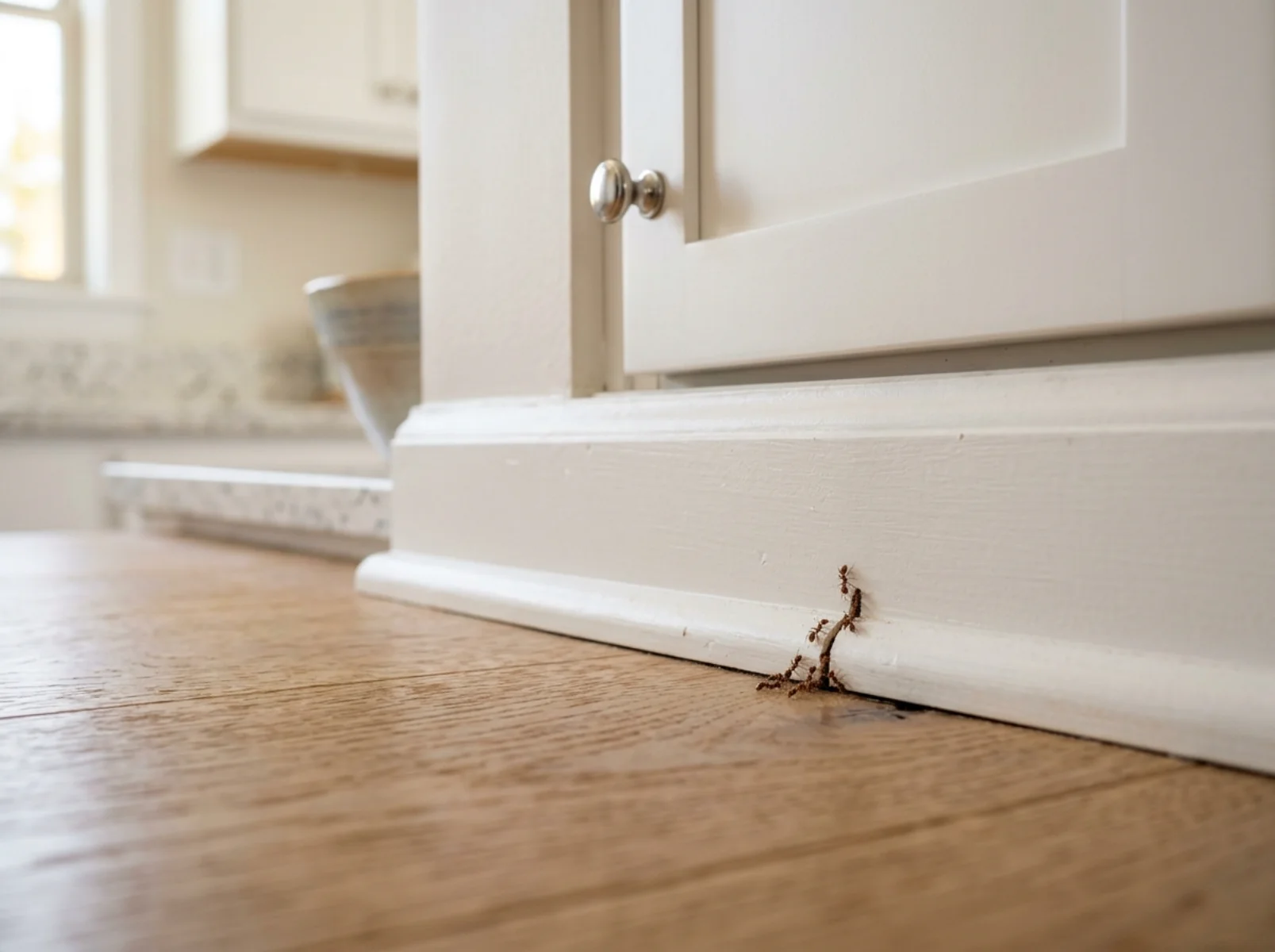
PestAlly-connected pros start by checking where ants actually gather — under sinks, along baseboards, near pet food bowls — not just the trail you spotted on the counter.
→Species-Specific Treatment
Carpenter ants, odorous house ants, and pharaoh ants all need a different approach. Treatment is matched to what’s actually in your home, not a one-size spray.
→Pet- & Family-Safe Options
Many PestAlly-connected pros offer EPA-registered products with pet- and family-safe application methods, so treatment doesn’t mean keeping everyone out of the house.
→RESOURCES
Ant Home Protection
Why Do I Suddenly Have Ants After It Rains?
Heavy rain floods the underground tunnels ants live in, pushing them toward higher, drier ground — often straight into your home.
→Are Carpenter Ants Actually Dangerous to My House?
They don’t eat wood like termites, but they tunnel through damp or damaged wood to build nests, which can cause real structural damage over time.
→Why Did the Ants Come Back a Few Weeks Later?
Bait works by worker ants carrying it back to the colony, which can take days. If ants return later, the original colony likely wasn’t fully eliminated.
→Is It Normal to See More Ants Right After Treatment?
Yes — bait-based treatments are designed to be carried back to the colony, so a short-term increase can actually mean it’s working.
→COMMON CAUSES
Why Ants Keep Coming Back After You’ve “Already Dealt With It”
If this is the third or fourth round of the same ant problem, here’s what’s usually going on:
You’re only treating what’s visible
Wiping out the ants on the counter does nothing to the colony they came from.
Some species have multiple queens
Odorous house ants can split into several separate nests, so killing one doesn’t end the problem.
New eggs keep hatching
Most sprays don’t affect eggs, so a fresh batch of workers shows up days later.
The attractant is still there
Crumbs, a leaky pipe, pet food left out overnight — if the reason they came hasn’t changed, more will follow.
Rain pushed them in, and they decided to stay
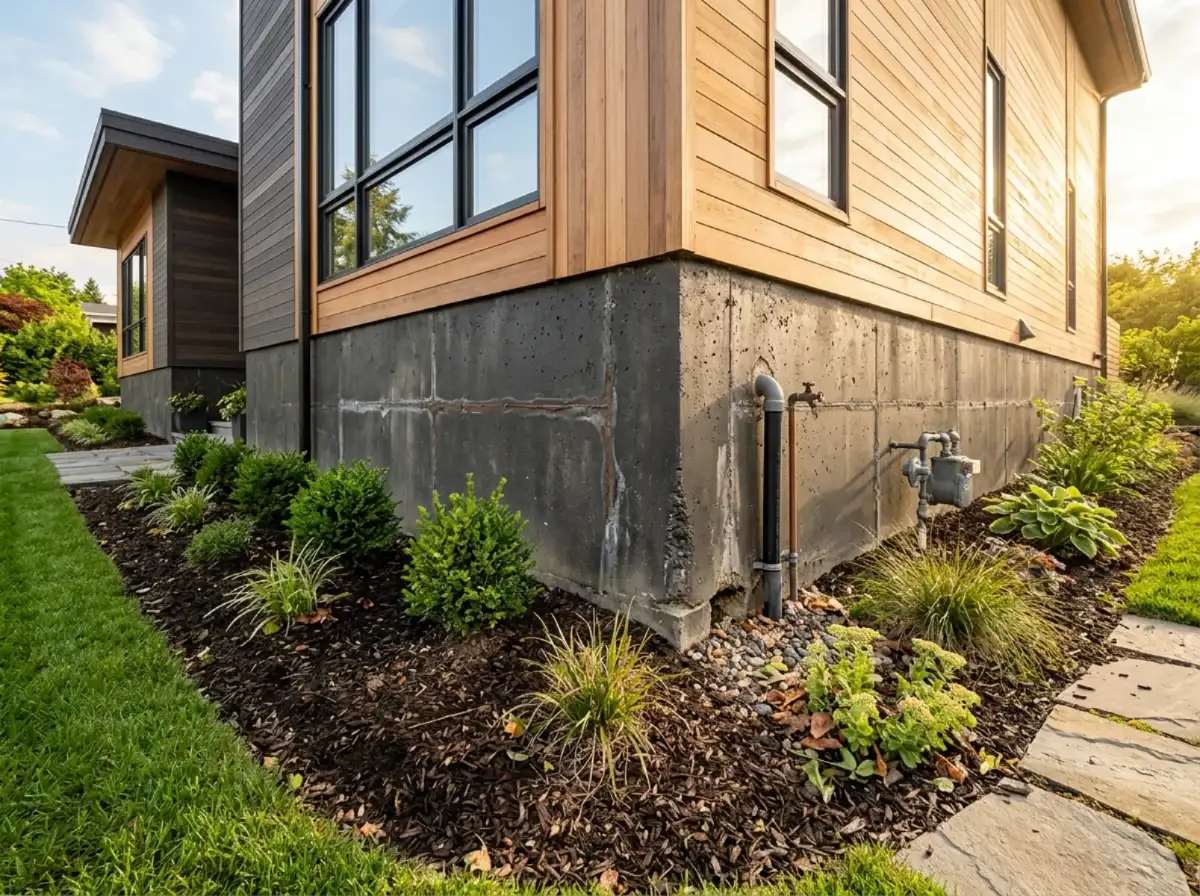
Heavy rain floods underground nests and drives ants toward higher, drier ground — often your foundation.
Treatment methods vary quite a bit by species, which is exactly why a one-time can of spray rarely finishes the job.
What Kind of Ant Is Actually in Your House?
What’s crawling across your kitchen changes both the treatment and the urgency.
| Ant Type | Size / Look | Key Sign | Risk Level |
|---|---|---|---|
| Odorous House Ants | ~1/8 in, dark brown/black | Rotten-coconut smell when crushed | Nuisance, large colonies |
| Carpenter Ants | 1/4 in+, black/reddish-black | Fine sawdust near baseboards or window frames | Structural — tunnels through damp wood |
| Pavement Ants | Small, dark | Small dirt mounds through slab cracks | Nuisance only, no structural damage |
| Pharaoh Ants | Very small, pale yellow | Untouched by regular sprays; colony “buds” if disturbed wrong | Hard to DIY safely |
| Fire Ants (southern states) | Reddish-brown | Mounds in lawns, painful sting | Safety risk to kids/pets |
Carpenter ants favor wood that’s gotten damp or soft — leaky windows, old deck ledgers, roof valleys — and sawdust-like debris is the classic giveaway that some damage is likely already happening out of sight.
Pharaoh ants are genuinely difficult to handle without professional help. Disturbing their nest with the wrong product can cause the colony to split into several new colonies instead of dying off.
Not sure which one you’re dealing with? That’s normal — it’s exactly what a local pro identifies during an inspection, and it’s what determines the entire treatment plan.
DIY vs. Professional Treatment
| DIY | Professional | |
|---|---|---|
| Works well for | Small, contained trails of common house ants | Recurring, large, or hidden colonies |
| Handles carpenter/pharaoh/fire ants? | Not reliably | Yes |
| Treats the colony, not just workers | Rarely | Yes — species-specific baiting/nest treatment |
| Typical cost | $10–$30 in store-bought products | $100–$300 per visit; lower per visit on a quarterly plan |
| Follow-up included | No | Often, especially for recurring cases |
Quick Prevention Checklist
- Seal visible gaps around windows, doors, and utility lines with caulk or silicone
- Store food (including pet food) in sealed containers, and don’t leave dishes out overnight
- Fix leaky faucets and pipes — moisture is a major draw
- Keep mulch and vegetation from touching the siding or foundation
- Wipe up spills and crumbs promptly rather than letting them sit
DIY isn’t useless — it just has a ceiling. It’s worth calling a professional once you’re past a small, one-time trail.
Dealing with more than just ants? PestAlly also connects homeowners with local pros for Bed Bug Treatment Termites, Rodent Control, and General Pest Control.
- Inspect — walk the interior and exterior to identify the species, locate trails, and find (or narrow down) the nest location.
- Identify the cause — moisture issues, entry points, food sources, and landscaping that’s inviting ants toward the house.
- Treat at the source — targeted baiting and/or direct nest treatment, not just surface spraying, so the colony is actually addressed.
- Seal and prevent — closing up entry points and flagging conditions that will cause the same problem again if left alone.
- Follow up — because ant colonies aren’t always a one-visit fix, especially for carpenter ants or multi-queen species.
How a PestAlly-Connected Pro Handles an Ant Problem
PestAlly connects you with independent, local professionals — many licensed and using EPA-registered products, including pet- and family-safe options where needed. Every provider works a little differently, but a proper ant treatment generally follows this pattern:
Frequently Asked Questions
Why do I suddenly have ants in my house after it rains?
Do ants really cause damage, or are they just annoying?
Why did the ants disappear for a few days and then come back?
Is it normal to see more ants right after treatment?
How much does professional ant control cost?
Can I get rid of ants myself, or do I need a professional?
Stop Fighting the Same Ant Problem Every Few Weeks
If you’ve already tried the sprays, the vinegar, and the cinnamon and the ants are still finding their way back in, it’s time to deal with the actual colony instead of the trail. PestAlly connects you with an independent, local ant control professional who can identify what you’re dealing with and treat it properly the first time.
Need ant control where you live? PestAlly covers 594 cities across 29 states and Washington, D.C. — find your city →