
Roach Control That Deals With the Nest — Not Just the One You Saw Last Night
PestAlly connects you with independent, local roach control pros who find and treat the nest, not just the ones you catch in the light.
Asthma & Allergy Triggers
Roach droppings, shed skin, and saliva contain allergens that are a recognized trigger for asthma, especially in kids.
Bacteria Exposure
Roaches can carry bacteria like Salmonella and E. coli on their bodies as they move between drains, trash, and countertops.
Rapid Population Growth
A visible roach at night usually means a much larger population hiding in cracks and wall voids during the day.
THE PESTALLY STANDARD
Independent, local providers — vetted for you.
We connect you with independent, local providers — many licensed, insured, and background-checked. If a match isn’t right, we’ll help you find another.
At a Glance
| Service | Roach Control |
| Best For | Kitchen/bathroom sightings, apartment or multi-unit infestations, recurring activity |
| Common Species | German, American, Oriental cockroaches |
| Health Concern | Asthma/allergy triggers, bacteria (Salmonella, E. coli) |
| DIY Works? | Sometimes for a very light, single-room issue |
| Professional Needed? | Usually — roaches are resilient and often need multiple visits |
| Service Area | Nationwide |
The PestAlly Process
Inspect
Identify the species — which points to the likely source: kitchen, plumbing, or basement — and locate hiding spots.
Treat the Source
Gel bait and targeted treatment in cracks, behind appliances, and around plumbing, not just surface spraying.
Address Moisture & Food
Flagging leaks, exposed food, or clutter that’s sustaining the population.
Seal Entry Points
Between units, around pipes, and at baseboards.
Follow-Up
Since egg cases can hatch after treatment, and building-wide apartment issues often need more than one round.
FIND THE NEST
Roaches Gone — Nest Included
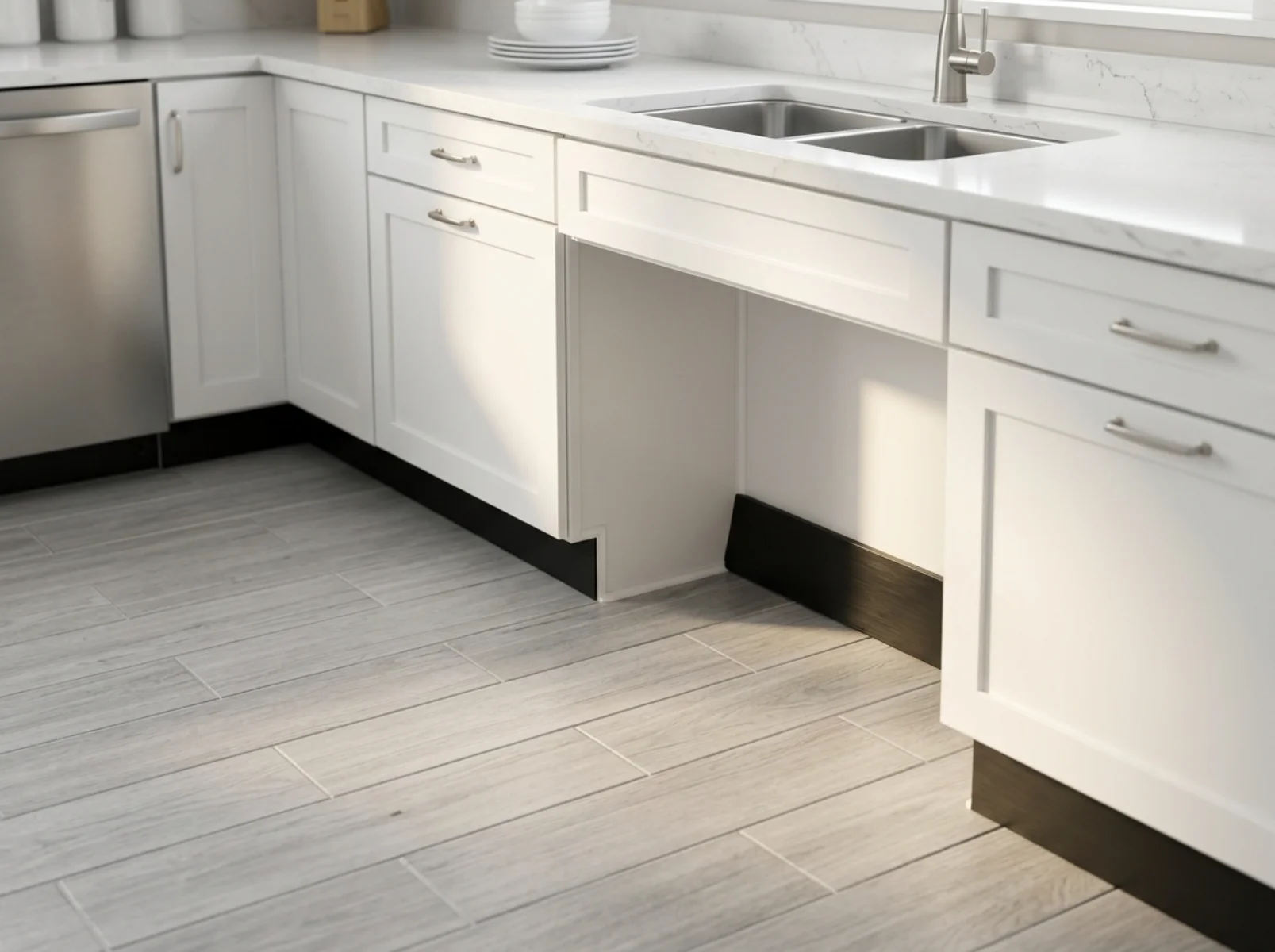
A specialist treats the cracks, the wall voids, and behind the appliances — not just the roach you saw last night.
RESOURCES
Roach Home Protection
Are roaches actually a health risk?
Yes — droppings, shed skin, and saliva contain allergens linked to asthma, and roaches can carry bacteria like Salmonella.
→Why do I still see roaches after spraying?
Sprays often only kill what’s visible and can scatter the rest deeper into hiding spots instead of eliminating the source.
→Is my apartment roach problem building-wide?
Often yes — roaches travel easily between units through shared walls and plumbing.
→What’s the difference between roach species?
German roaches are small and common in kitchens; American are larger and prefer damp basements; Oriental are dark and prefer cool, damp spaces.
→COMMON CAUSES
Why “I Sprayed and They’re Still Here” Happens So Often
If spraying hasn’t solved it, here’s what’s usually going on.
You’re Only Seeing a Fraction
Roaches are nocturnal and spend daylight hours hidden in cracks, behind appliances, and inside wall voids.
Sprays Scatter, Not Eliminate
A visible spray can push roaches deeper into walls and neighboring units rather than killing the source.
The Source Hasn’t Changed
Leaky pipes, pet food left out, or a cluttered pantry keep drawing new roaches in even after a treatment.
It’s a Building-Wide Issue
In apartments, roaches move easily between units — treating just your unit doesn’t help if the infestation is building-wide.
Egg Cases Survive
Roach egg cases (oothecae) are tough and resistant to surface-level sprays, so a new generation can hatch afterward.
This is why targeted gel baits and crack-and-crevice treatment matter more than another can of spray.

Which Roach Is It, and Why It Matters
Species matters because it points straight to the source: German roaches usually mean a kitchen-level food/moisture issue, while American or Oriental roaches often point to a plumbing, basement, or drain problem.
- German Cockroaches — small (under 5/8 inch), tan, with two dark stripes just behind the head. The most common roach found inside kitchens and bathrooms, and the fastest to build large populations if left untreated.
- American Cockroaches — much larger, often over 1.5 inches, reddish-brown with a pale, yellowish marking behind the head. Prefer warm, damp areas: basements, sewers, and around plumbing.
- Oriental Cockroaches — shiny black or dark brown, roughly an inch long, drawn to cool, damp, dark spaces like basements and floor drains. Neither sex flies, and they move more sluggishly than German or American roaches.
Not sure which one you’re dealing with? That’s exactly what a local pro identifies during an inspection, and it’s what determines the entire treatment plan.
DIY vs. Professional Treatment
| DIY | Professional | |
|---|---|---|
| Works well for | Very light, single-room, freshly-noticed activity | Kitchen/bathroom infestations, recurring activity, apartments |
| Reaches hidden nests/egg cases | Rarely | Yes — targeted gel baits, dust, and crack-and-crevice treatment |
| Addresses building-wide spread | No | Yes, especially when coordinated with property management |
| Typical cost | $10–$30 in store products | $100–$600 per visit; apartments often $100–$300 |
| Follow-up | No | Common — roaches are resilient and often need 2+ visits |
Prevention Checklist
- Fix leaky faucets, pipes, and any standing moisture — roaches need water more than food
- Store food (including pet food) in sealed containers; don’t leave dishes overnight
- Take out trash regularly and keep bins sealed
- Seal cracks around pipes, baseboards, and appliances where roaches travel between rooms or units
- Reduce cardboard/clutter in basements and pantries — common roach hiding spots
If you’re dealing with more than roaches, PestAlly also connects homeowners with local pros for Ant Control, Rodent Control, and General Pest Control.
- Inspect — identify the species (which points to the likely source: kitchen, plumbing, or basement) and locate hiding spots.
- Treat the source — gel bait and targeted treatment in cracks, behind appliances, and around plumbing, not just visible surface spraying.
- Address moisture and food sources — flagging leaks, exposed food, or clutter that’s sustaining the population.
- Seal entry points — between units, around pipes, and at baseboards.
- Follow-up visits — since egg cases can hatch after the initial treatment, and building-wide apartment issues often need more than one round.
How a PestAlly-Connected Pro Handles a Roach Problem
PestAlly connects you with independent, local roach control professionals — many licensed and using EPA-registered gel baits, dusts, and crack-and-crevice treatments designed to reach where roaches actually hide. A proper roach treatment typically includes:
Frequently Asked Questions
Are roaches actually a health risk, or just gross?
Why do I keep seeing roaches even after spraying?
What’s the difference between German, American, and Oriental cockroaches?
I live in an apartment — why does the problem keep coming back?
How much does professional roach extermination cost?
Can I get rid of roaches myself?
Stop Chasing Roaches One Spray at a Time
If you’re still seeing roaches no matter how much you clean or spray, the real population is likely still hidden — in the walls, under appliances, or in a neighboring unit. PestAlly connects you with an independent, local roach control professional who treats the actual source.
Need roach control where you live? PestAlly covers 594 cities across 29 states and Washington, D.C. — find your city →