
Spider Control That Starts With Knowing What You’re Actually Dealing With
PestAlly connects you with independent, local spider control pros who can identify what’s actually in your home and treat it safely.
Venomous Species
Black widows and brown recluses are commonly confused with harmless look-alikes, and the difference matters for how urgently it should be handled.
Painful Bites
While most spider bites are harmless, bites from venomous species can cause serious pain, tissue damage, or systemic reactions.
A Sign of Other Pests
Spiders are drawn to homes with active insect populations, so a rise in spider activity can point to another pest issue.
THE PESTALLY STANDARD
Independent, local providers — vetted for you.
We connect you with independent, local providers — many licensed, insured, and background-checked. If a match isn’t right, we’ll help you find another.
At a Glance
| Service | Spider Control |
| Best For | Recurring indoor spider activity, or suspected black widow/brown recluse sightings |
| Species to Know | Black widow, brown recluse, common house spiders |
| Key ID Feature | Eye count and body shape — more reliable than color alone |
| DIY Works? | Fine for occasional harmless house spiders |
| Professional Needed? | Yes, for suspected venomous species or recurring large numbers |
| Service Area | Nationwide |
The PestAlly Process
Identify
Confirm the species, since treatment urgency and approach differ significantly between harmless and venomous spiders.
Locate Nests & Webs
Including less-obvious spots like crawl spaces, woodpiles, and storage areas.
Treat the Insect Food Source
Since spiders are drawn to homes with active insect populations, addressing that reduces activity long-term.
Seal Entry Points
Cracks and gaps that both spiders and their prey use to get inside.
Follow-Up
Especially for confirmed venomous species, to ensure the population is fully addressed.
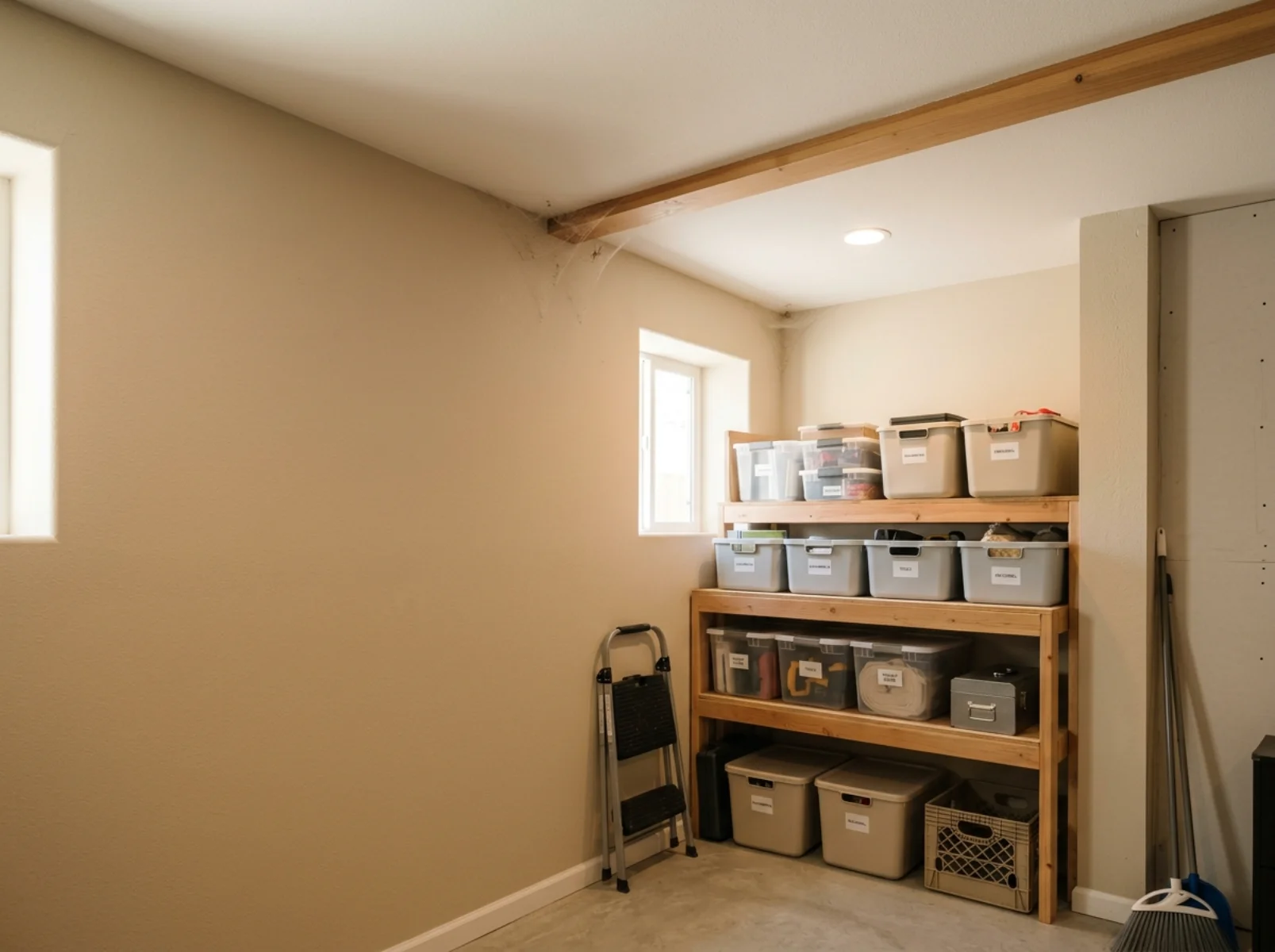
IDENTIFY FIRST
Spiders Gone — Identification Included
A specialist confirms exactly what you’re dealing with before treating — not just a generic spray for every spider.
RESOURCES
Spider Home Protection
How do I know if it’s a black widow or brown recluse?
Black widows are glossy black with a red hourglass and 8 eyes; brown recluses are smaller, tan to brown, with a violin marking and only 6 eyes.
→Why am I suddenly seeing more spiders in fall?
It’s usually spiders reaching full size, mating season, and spiders following insects indoors as it gets colder — not a population boom.
→Are spiders a sign of a bigger pest problem?
Sometimes — spiders are drawn to homes with active insect populations, so more spider activity can point to another pest issue.
→Do I need a pro for a harmless house spider?
Usually not — vacuuming webs and sealing cracks is often enough. Call a pro for suspected venomous species or large, recurring numbers.
→SEASONAL PATTERNS
Why You’re Suddenly Seeing More Spiders (Especially in Fall)
This is one of the most common seasonal questions, and it usually comes down to a few overlapping reasons.
Spiders Have Finally Grown Large Enough to Notice
Spiderlings are easy to miss all summer; by fall, they’re full-sized.
It’s Mating Season
Male spiders leave their webs to search for a mate, which is why homeowners see more wandering in the open during fall.
They’re Following Food and Warmth Indoors
As outdoor insects search for shelter as temperatures drop, spiders follow them in.
It’s Often a Perception Shift
The spiders were mostly there all along — they’re just more visible and mobile this time of year.
Knowing this doesn’t mean ignoring it — more spider activity is also a sign it’s worth checking for entry points and insect activity.

Black Widow vs. Brown Recluse vs. Common House Spider
Guessing from a quick glance isn’t reliable. Here’s what actually tells them apart:
- Black Widow — glossy black, globular body, about ½ inch, with a reddish hourglass marking on the underside. Has 8 eyes in two rows. Builds webs in dark, undisturbed spots — woodpiles, garages, crawl spaces.
- Brown Recluse — smaller and slimmer, light tan to dark brown, with a violin-shaped marking. The most reliable identifier is 6 eyes in three pairs (most other spiders have 8). Prefers dark, undisturbed areas — closets, boxes, behind furniture.
- Common House Spiders — smaller, more variable in color, with 8 eyes. Build the messy, visible webs typically seen in corners, window frames, or basement ceilings.
The web is often the giveaway: common house spiders build obvious, messy webs; black widows and brown recluses are far less likely to have an easily-visible web.
DIY vs. Professional Treatment
| DIY | Professional | |
|---|---|---|
| Works well for | Occasional harmless house spiders, visible webs in corners | Suspected black widow/brown recluse, recurring large numbers |
| Correctly identifies species | Often guesswork | Yes — trained identification |
| Treats entry points/food source | Rarely addressed | Yes, as part of the treatment plan |
| Typical cost | Under $50 in supplies | $100–$500 one-time; ongoing plans $400–$1,000+/year |
| Venomous species handling | Not recommended | More thorough process, sometimes priced higher |
Prevention Checklist
- Seal cracks around windows, doors, and foundation — spiders often follow insects through the same gaps
- Reduce outdoor lighting near entry points, since it attracts the insects spiders feed on
- Clear webs regularly in corners, window frames, garages, and basements
- Store boxes and clutter off the floor and away from walls — a favorite hiding spot for recluse spiders
- Wear gloves when moving woodpiles, outdoor furniture, or long-stored boxes
If insects are also part of the problem, PestAlly connects homeowners with local pros for General Pest Control, Ant Control, and Fly Control as well.
- Identify — confirm the species, since treatment urgency and approach differ significantly between harmless and venomous spiders.
- Locate nests and webs — including less-obvious spots like crawl spaces, woodpiles, and storage areas.
- Treat the insect food source — since spiders are drawn to homes with active insect populations.
- Seal entry points — cracks and gaps that both spiders and their prey use to get inside.
- Follow-up — especially for confirmed venomous species, to ensure the population is fully addressed.
How a PestAlly-Connected Pro Handles a Spider Problem
PestAlly connects you with independent, local spider control professionals — many licensed and using EPA-registered products. A proper spider treatment typically includes:
Frequently Asked Questions
How do I know if a spider is a black widow or brown recluse?
Why am I suddenly seeing so many spiders this fall?
Are spiders in my house a sign of a bigger pest problem?
Do I need a professional for a harmless house spider?
How much does professional spider control cost?
Can I get rid of spiders without harming them?
Know What’s in Your Home Before You Decide How to Handle It
Guessing whether a spider is dangerous isn’t worth the risk, and generic spraying doesn’t address why spiders are showing up in the first place. PestAlly connects you with an independent, local spider control professional who can identify what’s actually there and treat it properly.
Need spider control where you live? PestAlly covers 594 cities across 29 states and Washington, D.C. — find your city →