
Pest Control in Yuma, AZ
Connect With a Local Pro
Who Knows the Lower Colorado
PestAlly connects Yuma County homeowners with independent
local pest control pros who understand irrigated farmland, river-fed mosquitoes
and the hottest, driest corner of Arizona.
Yuma Is Farmland, River and Desert — All Within a Few Miles
Yuma is one of the hottest, driest places in the United States, but it is also surrounded by some of its most intensively irrigated farmland, sitting where the Gila meets the Colorado. That combination is unusual and it drives everything about pest pressure here. Flood-irrigated fields and canals put standing water into a landscape that otherwise has almost none, so mosquitoes, filth flies and rodents concentrate along those edges instead of spreading out. Meanwhile the surrounding desert supplies scorpions, ants and termites that head for whatever is shaded and damp. PestAlly connects Yuma homeowners with independent, local pros who understand both sides of that line.
Get Connected With a Local Pro →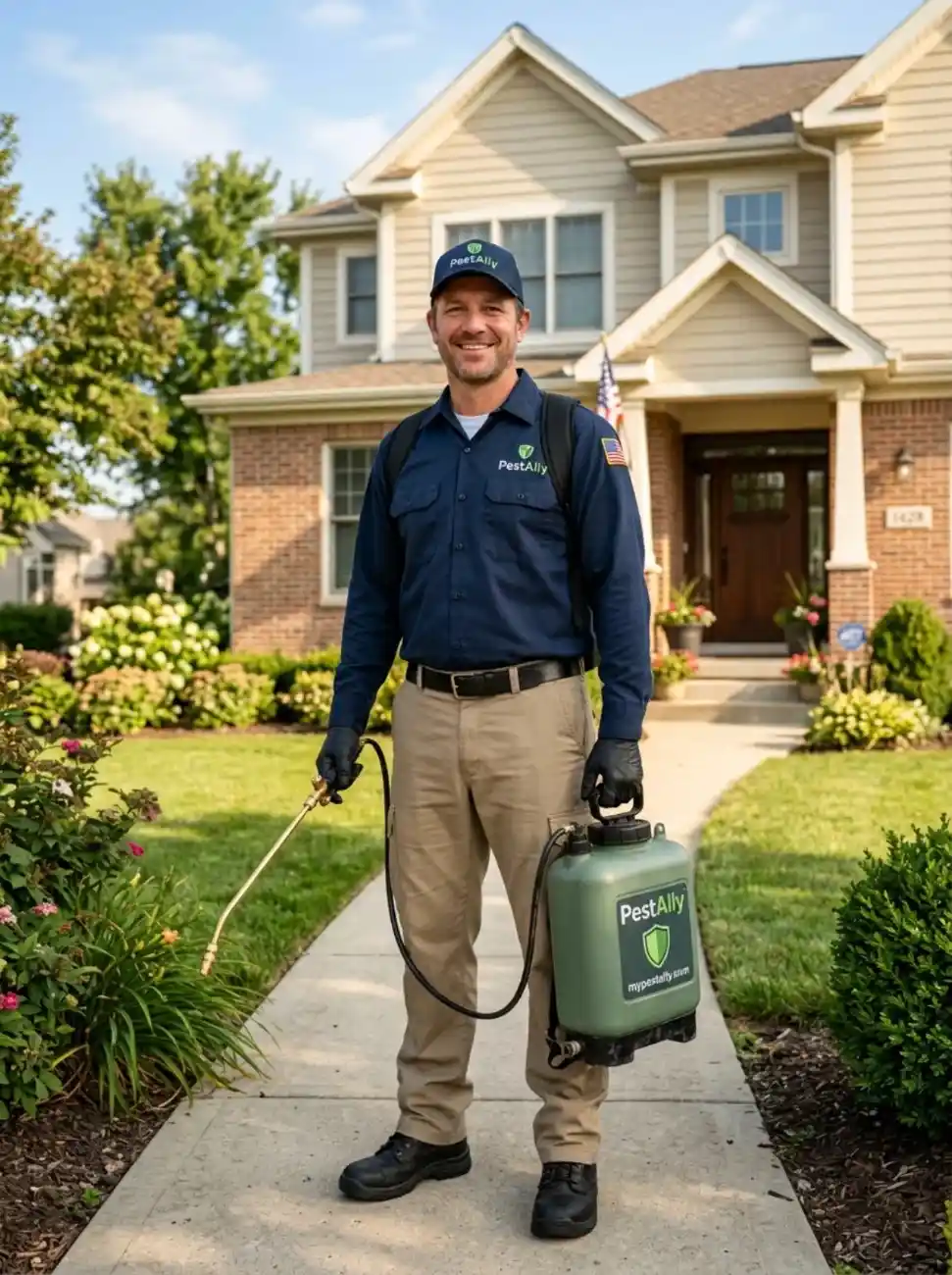
At a Glance
Service Area
Yuma, AZ and surrounding Yuma County communities
Most Common Pests
Scorpions, ants, subterranean termites, mosquitoes, filth flies, roaches, rodents
Peak Pest Season
Late spring through early fall; mosquito pressure tracks the irrigation cycle
Response Time
Same-day and next-day appointments typically available
Yuma’s Year-Round Pest Calendar
Yuma’s mild winters bring visitors and a full growing season, so activity here never fully stops — it just shifts along the fields.
Winter
Dec – FebWinter growing season in full swing; rodents work field edges and outbuildings
Mildest month; ants and roaches stay active indoors
Termite activity picks up as soil warms
Spring
Mar – MayScorpions emerge; ants trail toward irrigated landscaping
Mosquito pressure builds with irrigation and warming canals
Extreme heat drives everything toward shade, water and cooled interiors
Summer
Jun – AugMonsoon humidity arrives; mosquitoes and filth flies peak near fields
Scorpion activity at its highest through the hottest weeks
Heat eases slightly; rodents begin moving toward structures
Fall
Sep – NovFall planting begins; flies and rodents follow field activity
Cooling nights push spiders and rodents into garages and sheds
Winter residents arrive; indoor ant and roach calls climb
One exception: Mosquitoes here don’t simply follow rainfall the way they do in most of the country. Yuma’s flood irrigation and canal system supply standing water on a schedule set by farming, not weather — which is why pressure can spike in a month with no rain at all.
Services We Cover in Yuma
From the field edge to the back patio — here’s what the local pros in our network handle.
Termites
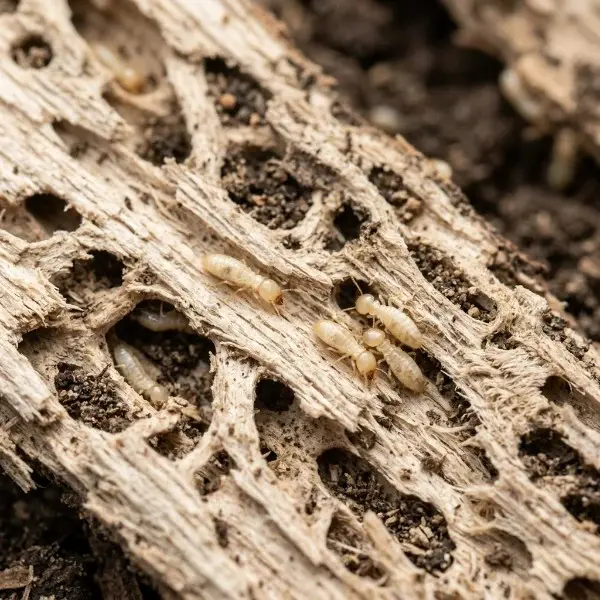
Subterranean termites need soil contact rather than rainfall, and irrigated landscaping beside a slab supplies exactly the moisture they need.
Ants
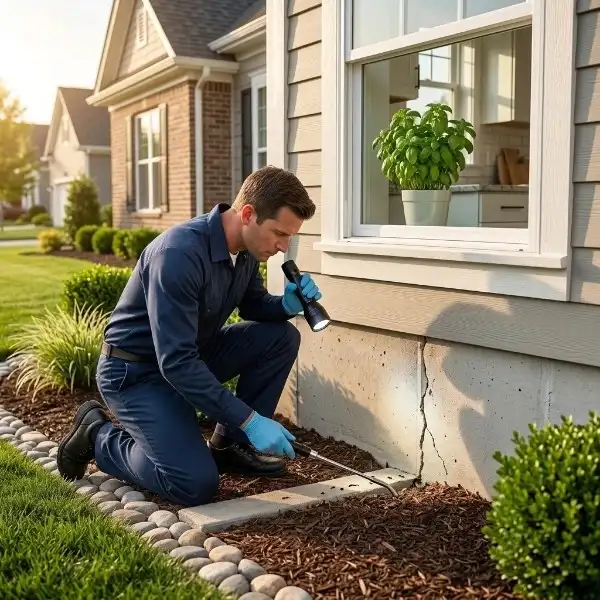
Ants move toward irrigated landscaping and any reliable moisture, then trail indoors through slab edges and utility gaps.
Roaches
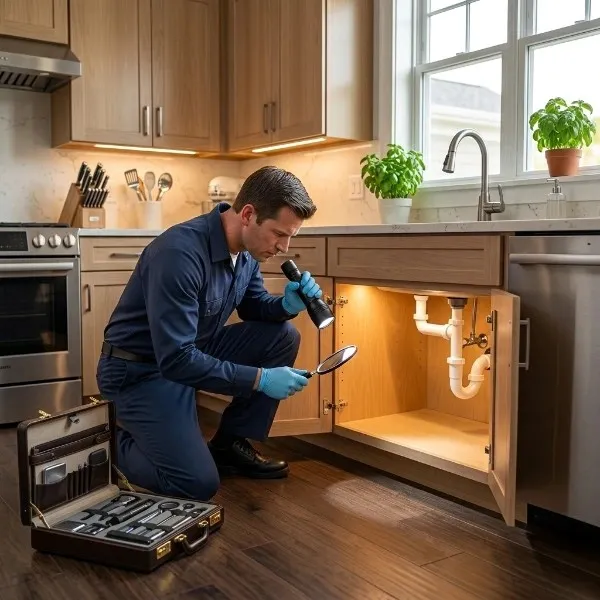
American and Turkestan roaches work sewer lines, irrigation boxes and block walls, then come inside when the heat peaks.

Bed Bugs
Steady winter-visitor and seasonal-worker turnover keeps bed bug cases coming through the cooler months.

Fleas
Irrigated yards and field-edge wildlife keep flea pressure alive despite the dry climate.

Spiders
Black widows and desert spiders shelter in block walls, sheds, woodpiles and stored equipment.
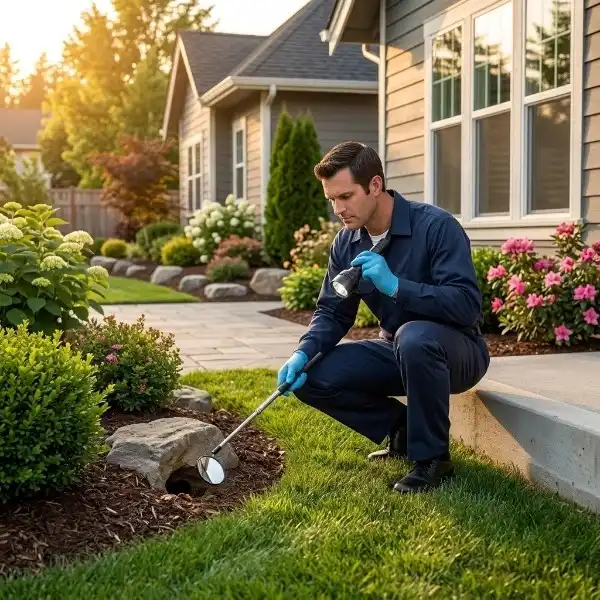
Yellow Jackets
Ground and void nests turn defensive quickly through the long, hot season around patios and outbuildings.
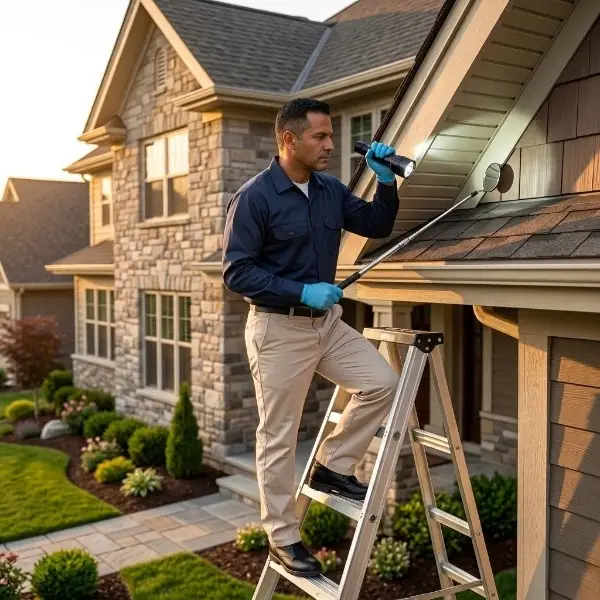
Wasps
Paper wasps build under ramadas, patio covers and eaves through spring and summer.
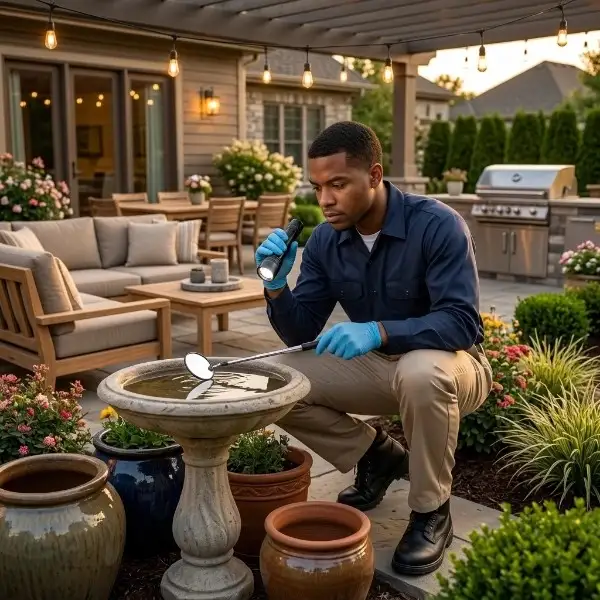
Mosquitoes
Canals, flood-irrigated fields and standing water give Yuma a long and genuinely local mosquito season.

Flies
Filth and drain flies concentrate near agricultural activity and organic matter — a pro finds the source rather than fogging.

General Insects
Crickets, silverfish and desert centipedes increase through monsoon humidity and around irrigated ground.

General Rodents
Rodents work field margins, canal banks, sheds and garages, so exclusion matters as much as trapping here.
Trusted by Homeowners Across the Country
Licensed & Insured
Every pro in the network carries current licensing and insurance.
Same-Day Service
Same-day and next-day appointments typically available.
100% Satisfaction Guarantee
If the pest comes back, your pro comes back — that is the standard.
Locally Trusted Experts
Independent pros who actually live and work in your area.
No Obligation to Book
Talk to a pro first. Nothing is committed until you say so.
Vetted Pro Network
We screen every contractor before they join the PestAlly network.
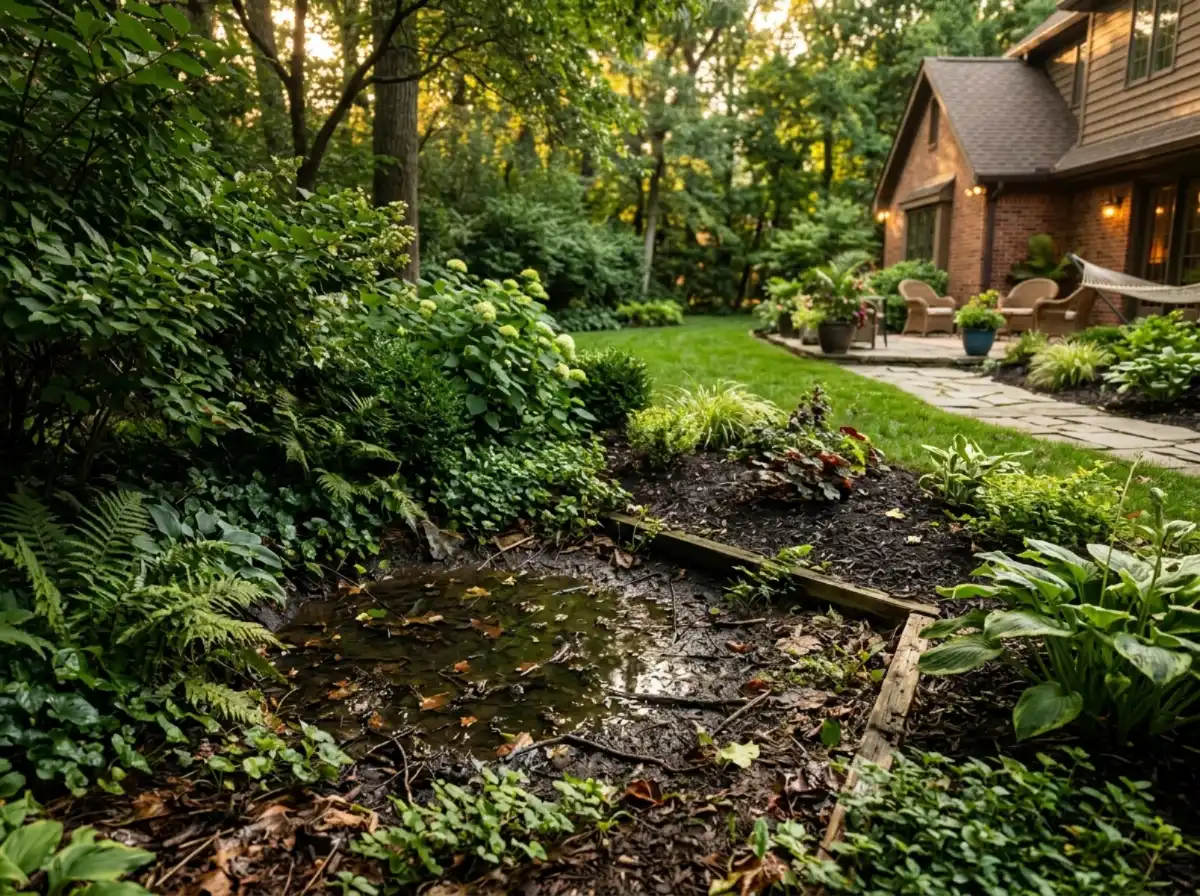
Most Common Pest Entry Points in Yuma Homes
Drip lines, flood irrigation and green landscaping right up against the foundation give ants, roaches and scorpions the one thing the surrounding desert doesn’t have — reliable water at the wall.
Hollow block stays cool and gravel gives harborage beneath, offering scorpions and widows a protected route to the house.
Blowing desert grit wears weatherstripping quickly, and garages and detached sheds are usually where scorpions and spiders are found first.
Evaporative coolers, AC lines and pipe entries add both moisture and gaps — a combination that draws insects straight to the opening.
Properties backing onto canals, ditch banks or fields sit on a wildlife and rodent corridor, and pressure arrives from that side first.
Why Yuma Homes Deal With These Pests Specifically
Two things about Yuma County change the job here — and neither of them applies to most of Arizona.
Irrigation, not rainfall, sets the mosquito calendar
Yuma receives very little rain, but flood irrigation and an extensive canal network keep water moving across the valley through the growing season. Mosquito and filth fly pressure therefore tracks the farming schedule rather than the weather forecast.
Waiting for rain before treating. Because the water source is agricultural, activity can climb during a completely dry stretch — timing has to follow the irrigation cycle instead.
Extreme heat concentrates pests instead of reducing them
In a place this hot and dry, anything alive is pushed toward shade and moisture. Your irrigated yard, cooled interior and block walls are the most hospitable ground for miles, so pressure concentrates on the property rather than dispersing.
Assuming the heat will do the work. Summer doesn’t clear pests out here — it funnels them directly toward the house.

What to Expect From a Local Pro’s Visit
Every Yuma property is different, but the sequence stays the same — your local pro starts where the water is, because in this valley water decides everything.
Inspect
Full perimeter walk: irrigation and drip lines, block walls, gravel beds, sheds, cooler and utility penetrations, and any field or canal boundary.
→Identify
Confirming what’s present, since mosquito source work, scorpion harborage treatment and termite soil work are different jobs.
→Treat
Matched to the finding: perimeter and harborage treatment, source reduction near standing water, or termite soil treatment.
→Seal
Closing garage and shed thresholds, cooler and utility gaps, and pulling irrigated planting back from the foundation.
→Follow Up
Recurring service through the long warm season, with extra attention while fields are being irrigated.
→How PestAlly Works in Yuma
PestAlly doesn’t perform the pest control ourselves — we connect you with vetted, independent local professionals who do.
Get Started →Tell us what’s going on
The pest, and roughly where in the Yuma area you’re located.
We match you with an independent, local pro
Someone who services your specific neighborhood.
You deal directly with that contractor
Pricing, scheduling, and the work itself are between you and them.
Frequently Asked Questions
Why are mosquitoes bad here when it barely rains?⌄
Because the water is agricultural rather than natural. Flood irrigation and the canal network keep standing water available across the valley during the growing season, so mosquito pressure follows the farming schedule and can rise during completely dry weeks.
Are scorpions a problem in Yuma?⌄
Yes. The surrounding desert supports scorpions, and they move toward shade and moisture — which means block walls, gravel beds, sheds and irrigated landscaping around homes. Activity peaks through the hottest part of the year.
Does the winter visitor season change pest activity?⌄
It does. Yuma’s population climbs sharply in the cooler months, and that turnover in rentals, parks and seasonal housing keeps bed bug and general pest calls steady right through winter.
Do termites matter in a climate this dry?⌄
They do. Subterranean termites need soil contact rather than rainfall, and irrigated landscaping beside a slab supplies exactly the moisture they need. Dry air above ground doesn’t protect the structure below it.
Does PestAlly serve my specific Yuma neighborhood?⌄
PestAlly connects homeowners throughout Yuma and Yuma County, including the Foothills, Mesa del Sol, Araby and Historic Downtown. ZIP codes we cover in Yuma are 85364, 85365 and 85367. We also cover nearby San Luis (85336, 85349), Somerton (85350) and Wellton (85356).
Get Connected With a Local Yuma Pest Control Pro
Whether it’s mosquitoes off the irrigation, a scorpion in the garage, or ants working the drip line, PestAlly connects you with an independent, local pro who knows what Lower Colorado homes are actually up against.
Looking beyond Yuma? See every Arizona city we cover →