
Pest Control in Tucson, AZ
Connect With a Local Pro
Who Knows the Sonoran Desert
PestAlly connects Tucson and Pima County homeowners with independent
local pest control pros who understand pack rat middens, kissing bug season
and what monsoon rain moves toward the house.
In Tucson, the Nest Outside Decides What Gets Inside
Tucson sits at about 2,400 feet, high enough that the pest profile here isn’t the same as the low desert an hour and a half north. The defining feature is the pack rat. A single midden — that mound of cactus joints, twigs and debris packed under a shed, a woodpile or an untrimmed prickly pear — is a self-contained ecosystem, and what lives inside it is the real problem: kissing bugs that feed on the rats, plus black widows and bark scorpions using the same shelter. Clear the midden and you remove a colony’s worth of pressure at once. PestAlly connects Tucson homeowners with independent, local pros who look at the yard first.
Get Connected With a Local Pro →
At a Glance
Service Area
Tucson, AZ and surrounding Pima County communities
Most Common Pests
Pack rats, bark scorpions, kissing bugs, black widows, desert centipedes, ants, termites
Peak Pest Season
Kissing bugs May–July; scorpions and rodents through monsoon into fall
Response Time
Same-day and next-day appointments typically available
Tucson’s Year-Round Pest Calendar
At 2,400 feet the swings are sharper than the low desert — cold snaps that push rodents in, then a monsoon that brings everything else out.
Winter
Dec – FebPack rats move into sheds, engine bays and stored boxes for warmth
Rodent pressure peaks; scorpions largely inactive
Ants begin working again on warm afternoons
Spring
Mar – MayTermite activity resumes; desert vegetation greens up after winter rain
Bark scorpions emerge; widow spiders rebuild in block walls
Kissing bug flight season begins — drawn to porch and window lights
Summer
Jun – AugKissing bug flights peak late June into early July
Monsoon arrives; centipedes, crickets and beetles surge overnight
Scorpion activity at its highest as humidity holds
Fall
Sep – NovMonsoon tail keeps scorpion and spider pressure up
Pack rats rebuild middens ahead of winter
Rodents and spiders push toward garages and storage
One exception: Kissing bugs don’t follow the general pattern. Their flight season is narrow — roughly May through July, peaking between late June and early July — and they travel toward light at night, which means they can arrive from a pack rat nest well beyond your own property line.
Services We Cover in Tucson
From a midden behind the shed to something on the ceiling at 2am — here’s what the local pros in our network handle.
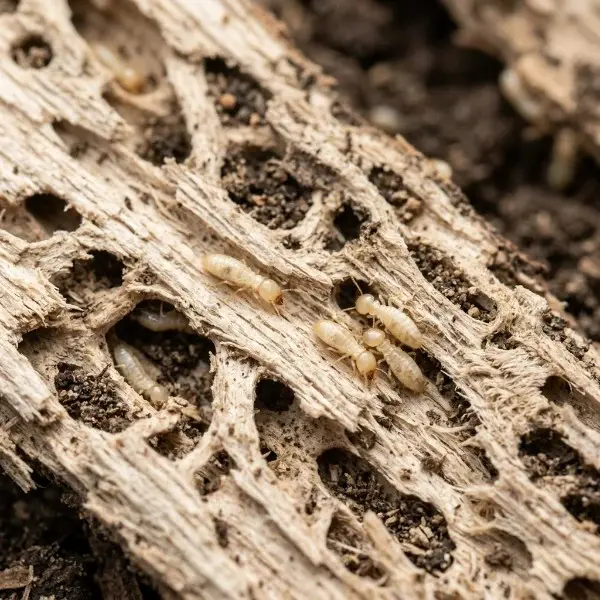
Termites
Older adobe and masonry joints In El Presidio, Armory Park and Sam Hughes, settled joints and hairline cracks in historic masonry give termites and insects a route the newer subdivisions don’t have.
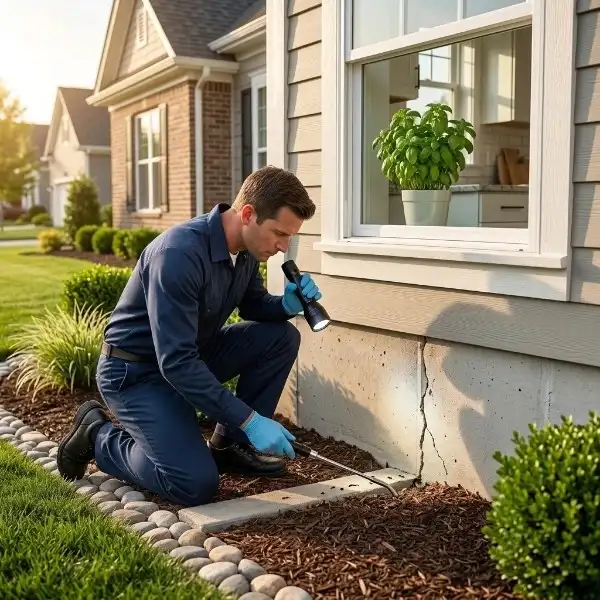
Ants
Desert harvester and pavement ants clear wide bare patches around nests and trail indoors toward any reliable moisture.
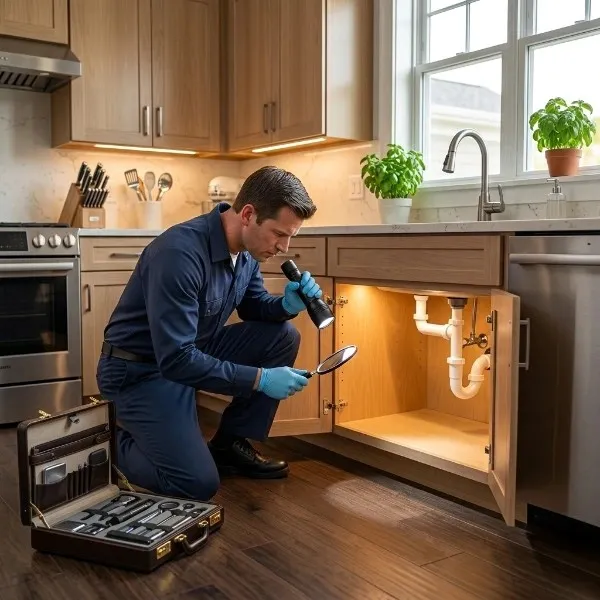
Roaches
Turkestan and American roaches live in irrigation boxes, block wall voids and sewer lines, then move indoors when the heat peaks.

Bed Bugs
Steady university, snowbird and visitor turnover through Tucson keeps bed bug cases consistent year-round.

Fleas
Desert wildlife working washes and yard edges keeps re-seeding properties, so pet treatment alone rarely holds.

Spiders
Black widows favour block walls, woodpiles and pack rat middens; treating those harborages is what actually reduces them.
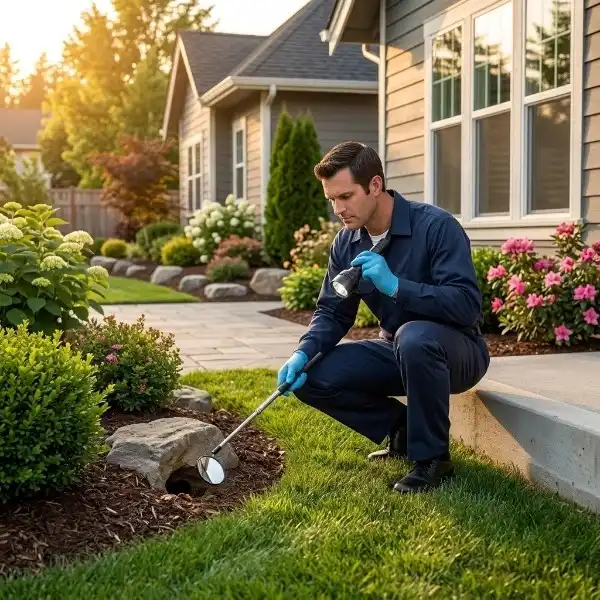
Yellow Jackets
Ground and void nests turn defensive fast in late summer heat around patios and pool areas.

Wasps
Paper wasps build under ramadas, patio covers and eaves across Tucson every spring and summer.
Mosquitoes
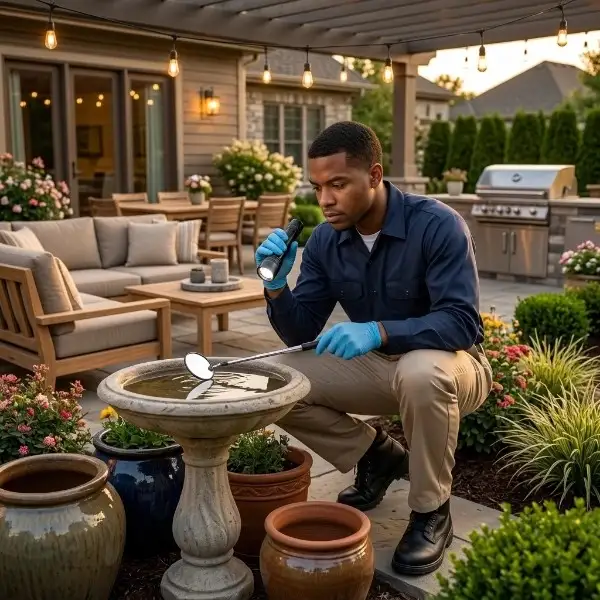
Monsoon pooling in washes, low ground and untended pools drives a strong July-to-September window.

Flies
Drain and filth flies trace to a specific source; in Tucson that’s usually a seldom-used drain or a line that only runs seasonally.
General Insects
Desert centipedes, crickets and silverfish surge after monsoon rain, and crickets are the food supply that pulls scorpions closer.

General Rodents
Pack rats are the defining Tucson rodent: middens must be removed and the harborage cleared, or trapping just makes room for the next one.
Trusted by Homeowners Across the Country
Licensed & Insured
Every pro in the network carries current licensing and insurance.
Same-Day Service
Same-day and next-day appointments typically available.
100% Satisfaction Guarantee
If the pest comes back, your pro comes back — that is the standard.
Locally Trusted Experts
Independent pros who actually live and work in your area.
No Obligation to Book
Talk to a pro first. Nothing is committed until you say so.
Vetted Pro Network
We screen every contractor before they join the PestAlly network.
Most Common Pest Entry Points in Tucson Homes
A midden under a shed, deck, woodpile or overgrown prickly pear is the single biggest driver of pest pressure on a Tucson property, because it shelters kissing bugs, widows and scorpions along with the rats.
Hollow block stays cool and gravel holds harborage underneath, giving scorpions and widows a protected route right up to the foundation.
Not a physical gap, but the reason kissing bugs and night-flying insects arrive at the door in June; warm white or shielded fixtures pull far fewer in.
Desert grit wears seals down fast, and garages are typically where scorpions and centipedes are first found indoors.
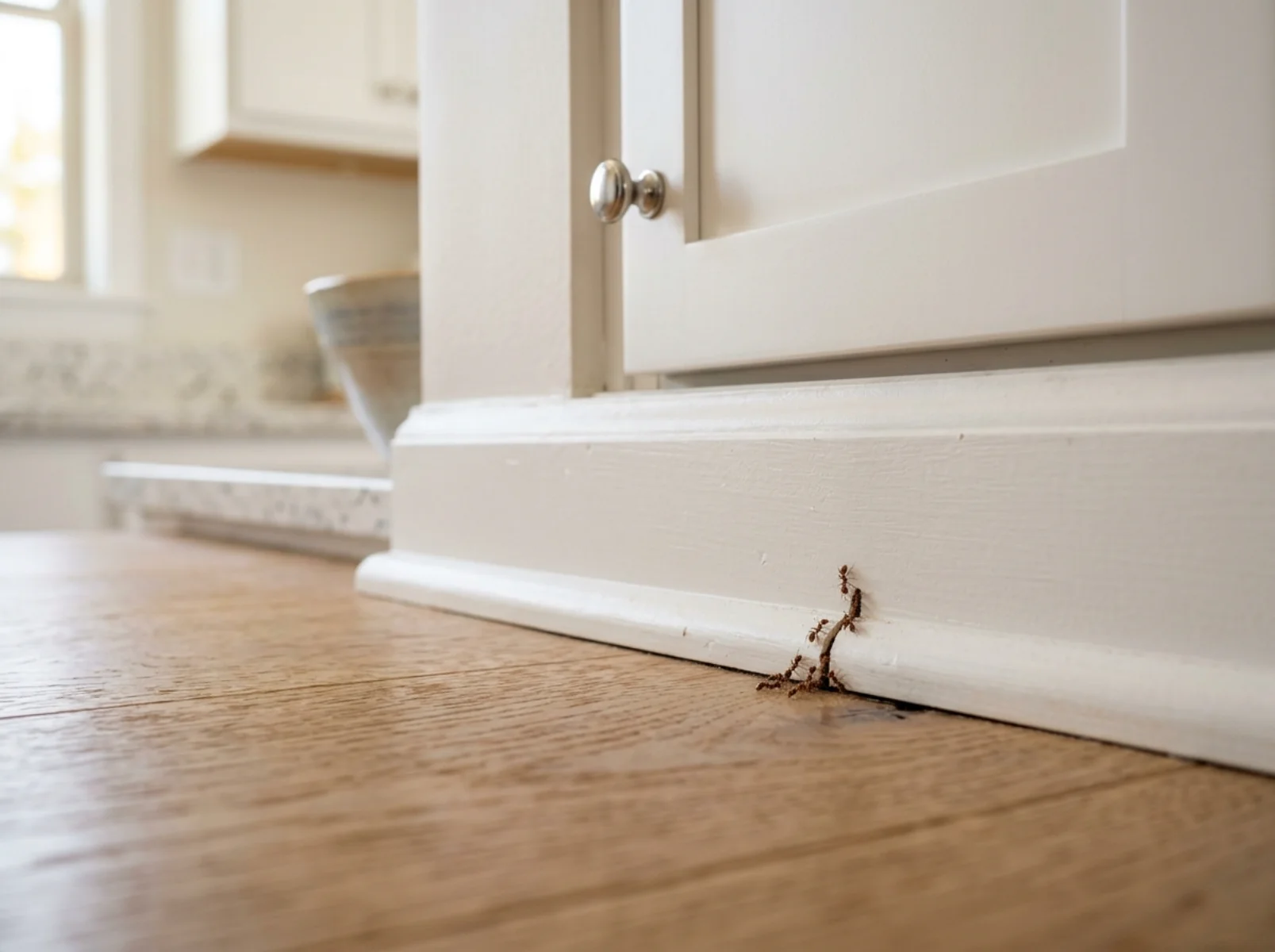
In El Presidio, Armory Park and Sam Hughes, settled joints and hairline cracks in historic masonry give termites and insects a route the newer subdivisions don’t have.
Why Tucson Homes Deal With These Pests Specifically
Two things about Pima County change the job here — and both start outside the walls, not inside them.
A pack rat midden is a pest colony, not just a nest
Pack rat middens shelter far more than pack rats. Kissing bugs live in them and feed on the rats, and black widows and bark scorpions use the same protected space. That’s why a property with an active midden keeps producing problems no matter how often the inside is treated.
Trapping the rats and leaving the midden. The structure itself is the harborage — remove it and clear the surrounding vegetation, or a new occupant simply inherits it.
Kissing bugs arrive by air, on a narrow schedule
The two common Sonoran Desert species are vectors of Chagas disease and can also trigger serious allergic reactions. They fly at night toward light, mainly May through July with the peak from late June into early July, and they can travel well past the nest they came from.
Assuming sealing the house is enough. Because they fly in and are drawn to lighting, reducing nearby middens and managing exterior lights during those weeks matters as much as door seals.

What to Expect From a Local Pro’s Visit
Every Tucson property is different, but the sequence stays the same — your local pro starts in the yard, because in the Sonoran Desert the yard is what feeds the house.
Inspect
Full property walk: washes and yard edges, middens, woodpiles, block walls, gravel beds, garage and roof line.
→Identify
Confirming what’s present, since pack rat work, kissing bug risk reduction and scorpion treatment are three different jobs.
→Treat
Matched to the finding: harborage and perimeter treatment, termite soil work, or rodent removal.
→Seal
Clearing middens and vegetation contact, then closing garage thresholds, masonry joints and utility gaps.
→Follow Up
Bi-monthly service is the realistic desert cadence here, with extra attention through monsoon and kissing bug season.
→How PestAlly Works in Tucson
PestAlly doesn’t perform the pest control ourselves — we connect you with vetted, independent local professionals who do.
Get Started →Tell us what’s going on
The pest, and roughly where in the Tucson area you’re located.
We match you with an independent, local pro
Someone who services your specific neighborhood.
You deal directly with that contractor
Pricing, scheduling, and the work itself are between you and them.
Frequently Asked Questions
When is kissing bug season in Tucson?⌄
Roughly May through July, with the peak flight period between late June and early July. They fly at night and are drawn to lights, so exterior lighting and any nearby pack rat nests matter more than door seals during those weeks.
Why do pack rats keep coming back after we trap them?⌄
Because the midden is still there. That mound of cactus joints and debris is the shelter — remove it, cut back the vegetation touching it, and clear the woodpile, or the space simply gets re-occupied. It also removes the kissing bugs, widows and scorpions living in it.
Are scorpions as bad in Tucson as in Phoenix?⌄
Bark scorpions are present across both, but Tucson’s higher elevation and cooler winters mean a shorter active window. Pressure builds in spring, peaks through monsoon, and drops off noticeably in winter.
My house is historic — does that change anything?⌄
It does. Older adobe and masonry in areas like El Presidio, Armory Park and Sam Hughes has settled joints and hairline cracks that newer stucco-over-frame construction doesn’t, which gives termites and insects routes a standard perimeter spray won’t close.
Does PestAlly serve my specific Tucson neighborhood?⌄
PestAlly connects homeowners throughout Tucson and Pima County, including Sam Hughes, El Presidio, Armory Park, Catalina Foothills and Rita Ranch. ZIP codes we cover in Tucson include 85701, 85704, 85705, 85706, 85707, 85708, 85709, 85710, 85711, 85712, 85713, 85714, 85715, 85716, 85718, 85719, 85721, 85723, 85724, 85726, 85730, 85734, 85735, 85736, 85737, 85739, 85741, 85742, 85743, 85745, 85746, 85747, 85748, 85749, 85750, 85755, 85756 and 85757. We also cover nearby Marana (85653, 85658), Sahuarita (85629), Vail (85641) and Mount Lemmon (85619).
Should I be worried about Chagas disease from kissing bugs?⌄
The two kissing bug species common around Tucson can carry the parasite that causes Chagas disease, though transmission to people in the United States is considered uncommon. Bites can also cause serious allergic reactions in some people. Reducing pack rat middens near the house and limiting bright exterior lighting during May to July are the practical steps — for any health concern after a bite, speak to a doctor.
Get Connected With a Local Tucson Pest Control Pro
Whether it’s a midden behind the shed, something flying at the porch light in June, or a scorpion on the wall at midnight, PestAlly connects you with an independent, local pro who knows what Sonoran Desert homes are actually up against.
Looking beyond Tucson? See every Arizona city we cover →