
Pest Control in Saint Augustine, FL
Connect With a Local Pro
Who Knows Historic Homes
PestAlly connects St. Augustine homeowners with independent, local
pest control pros who understand aging historic woodwork, salt marsh
mosquitoes and coastal soil that never dries out.
The Oldest City in the Country — and Old Buildings Come With Old Gaps
St. Augustine’s housing stock is genuinely unusual, and it changes the pest work. Historic-district buildings were put up long before anyone designed for pest prevention: aging wood, settled framing, hidden voids and dozens of small gaps that were never meant to be sealed. That makes them exceptionally vulnerable — drywood termites attack exposed beams and trim directly, subterranean termites come up from moist coastal soil, and rodents and palmetto bugs use routes that simply don’t exist in modern construction. Surrounding all of it are the salt marshes, the Matanzas River and coastal wetlands, which produce relentless mosquito pressure and never really pause. Coastal humidity and Atlantic weather keep insect and rodent activity going twelve months a year. PestAlly connects St. Augustine homeowners with independent, local pros who know how to work on old buildings.
Get Connected With a Local Pro →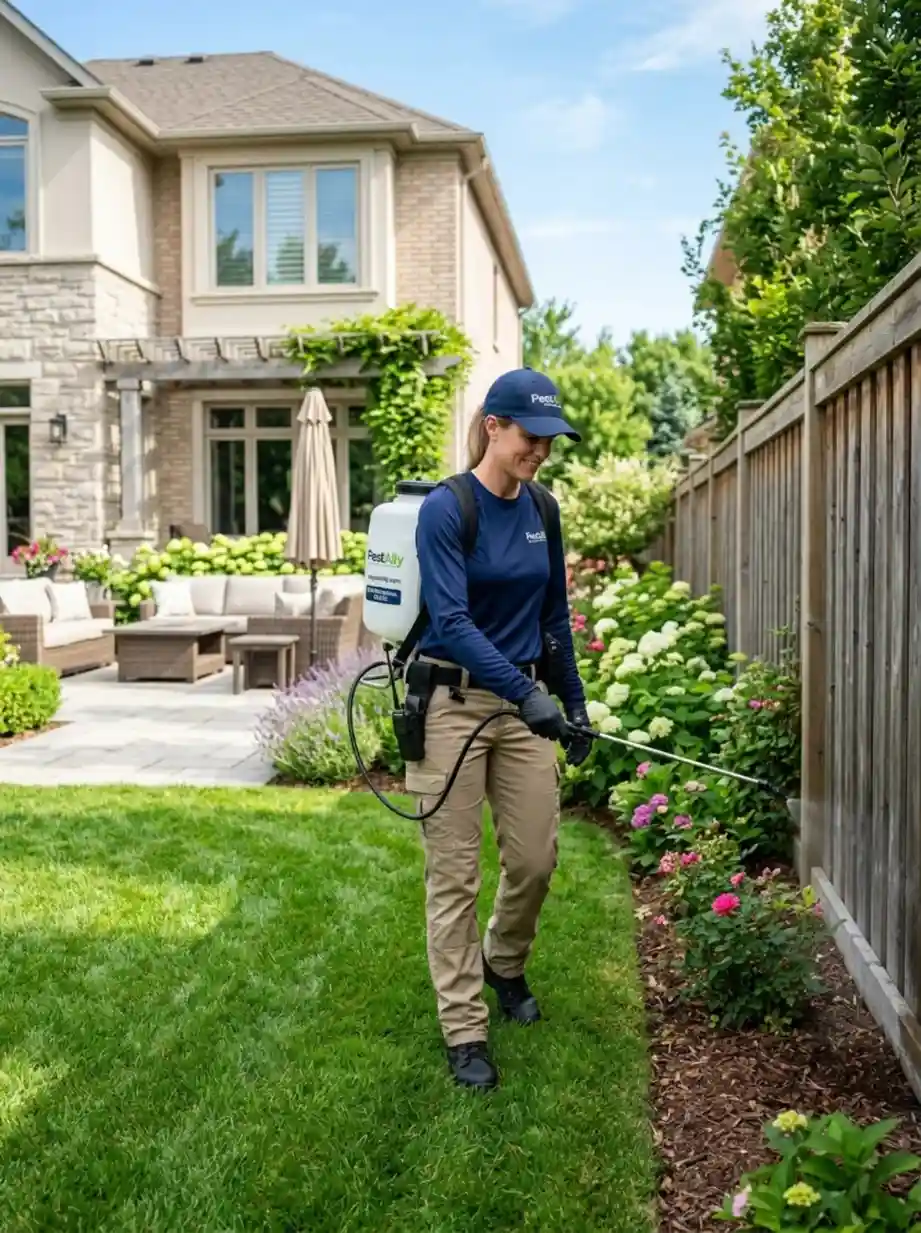
At a Glance
Service Area
Saint Augustine, FL and surrounding St. Johns County communities
Most Common Pests
Drywood and subterranean termites, palmetto bugs, rodents, mosquitoes, ants, silverfish, spiders
Peak Pest Season
Year-round — historic homes and marsh proximity remove the off-season
Response Time
Same-day and next-day appointments typically available
Saint Augustine’s Year-Round Pest Calendar
Coastal humidity and Atlantic weather keep this calendar running through every month of the year.
Winter
Dec – FebRodents settled in wall voids and attics of older buildings
Termites keep feeding; damp coastal soil never freezes
Ant colonies expand; palmetto bugs become active again
Spring
Mar – MaySubterranean termite swarms begin across St. Johns County
Drywood swarms in historic woodwork; mosquito activity climbs
Salt marsh mosquito pressure builds along the Matanzas
Summer
Jun – AugPeak mosquito season off the marshes and coastal wetlands
Heaviest humidity of the year; roaches driven indoors
Storm season opens new gaps in aging structures
Fall
Sep – NovRodents move indoors as nights cool
Rodent entry attempts peak in older buildings
Insects ease slightly, termites continue in wood and soil
One exception: Historic buildings don’t follow this calendar. Aging wood, settled framing and hidden gaps mean rodents, roaches and termites have access year-round regardless of season, and the structure keeps creating new openings as it moves. Quarterly service suits most modern homes here; historic-district properties, marsh-adjacent homes and older houses often need monthly attention instead.
Services We Cover in Saint Augustine
Historic-district home, beachside property or a newer build inland — here’s what the local pros in our network handle.
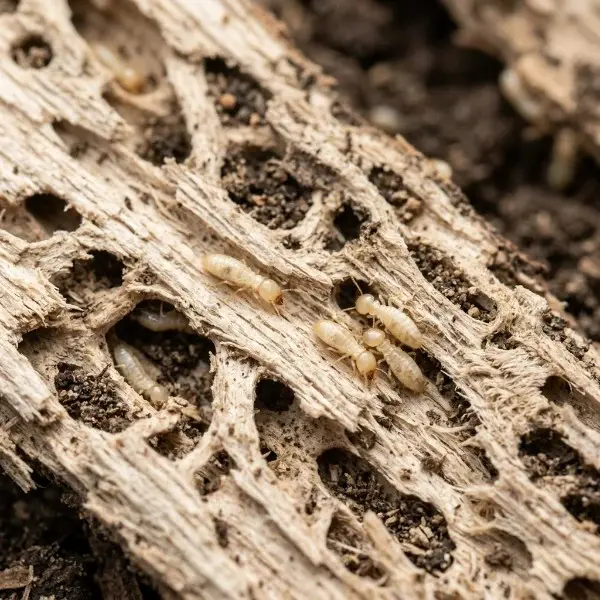
Termites
Termite risk in particular is exceptionally high — drywood termites work the exposed beams and trim while subterranean termites come up from the coastal soil, sometimes in the same building.
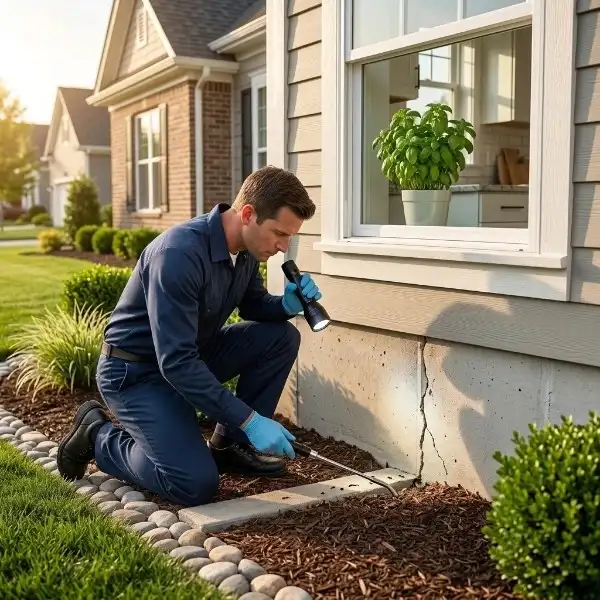
Ants
Argentine, ghost and fire ants are all present, trailing indoors through the many small gaps older buildings provide.
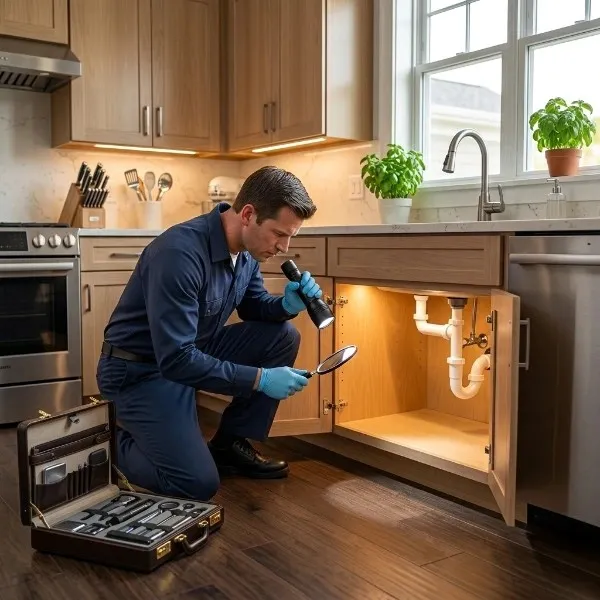
Roaches
Palmetto bugs thrive in the humid coastal climate and in older structures, while German roaches breed indoors and rebound quickly.
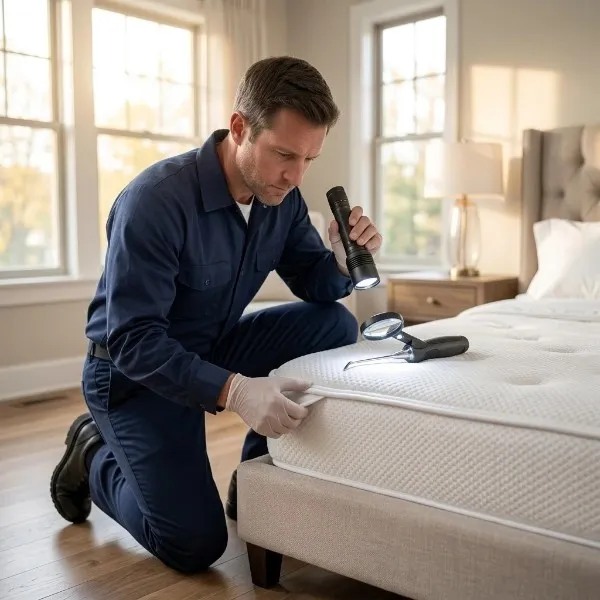
Bed Bugs
Heavy tourism, short-term rentals and constant visitor turnover keep bed bug cases active across St. Augustine all year.
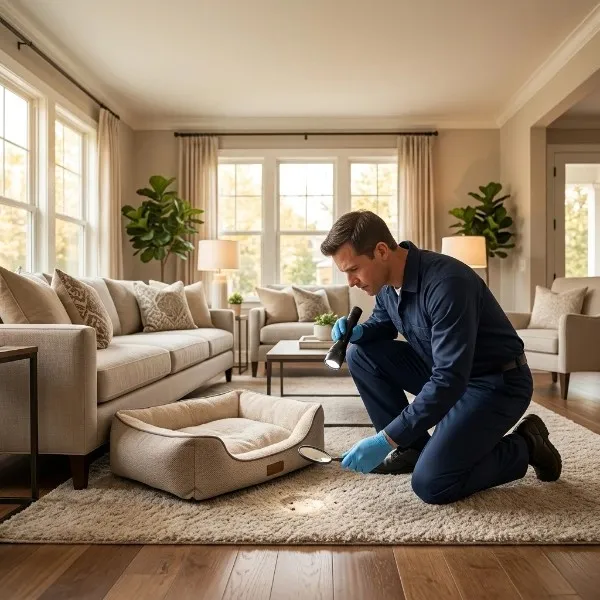
Fleas
Coastal humidity lets fleas complete their cycle continuously, and wildlife along the marsh edges keeps re-seeding yards.
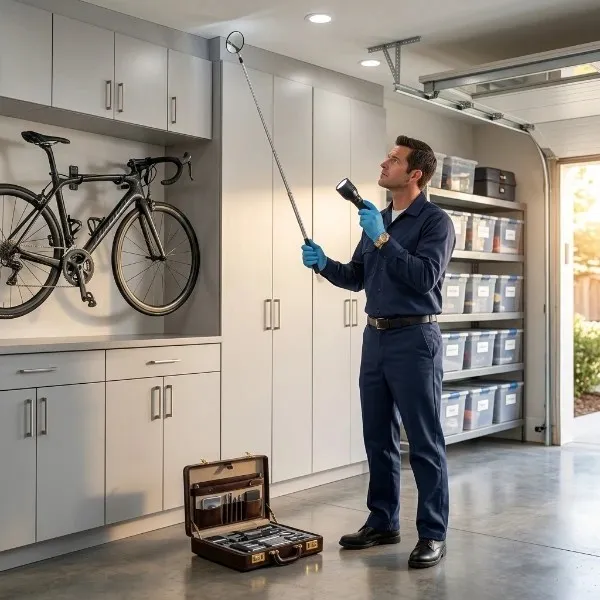
Spiders
Widow spiders and house spiders use the crawl spaces, sheds and undisturbed voids that older buildings have in abundance.
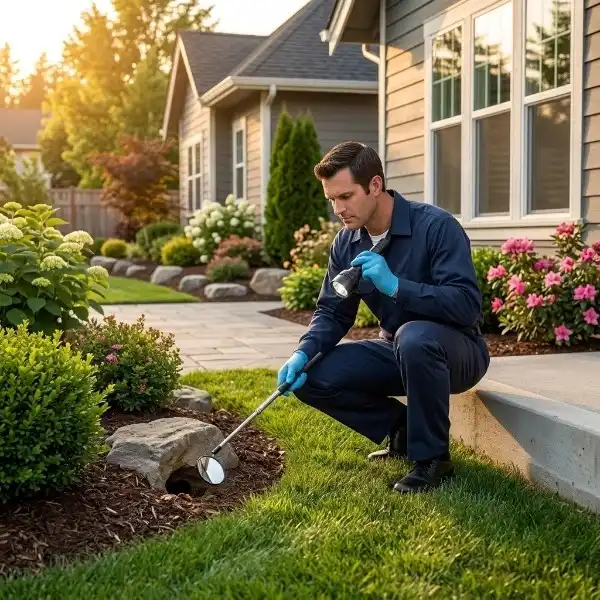
Yellow Jackets
Ground and void nests build fast in the heat, and old outbuildings and porches are common problem spots.
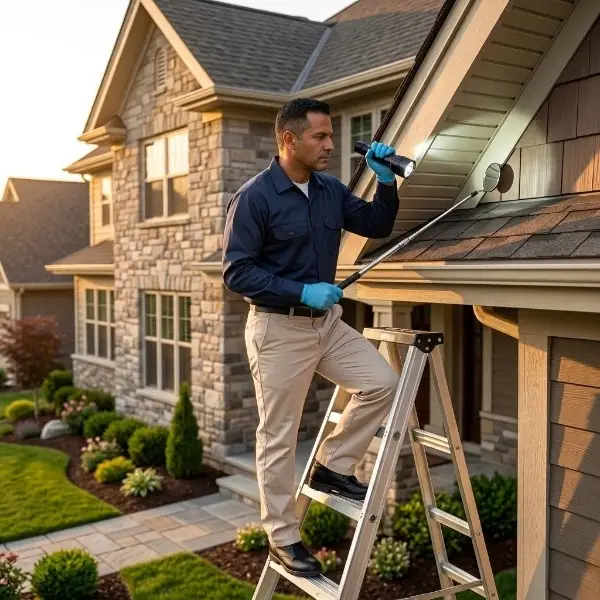
Wasps
Paper wasps build under eaves, porches, balconies and historic trim right through the long warm season.
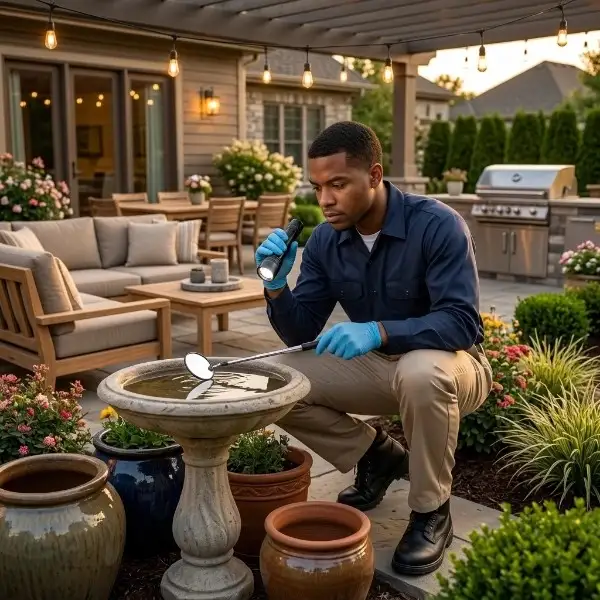
Mosquitoes
Salt marshes, the Matanzas River and coastal wetlands produce relentless mosquito populations around the city.
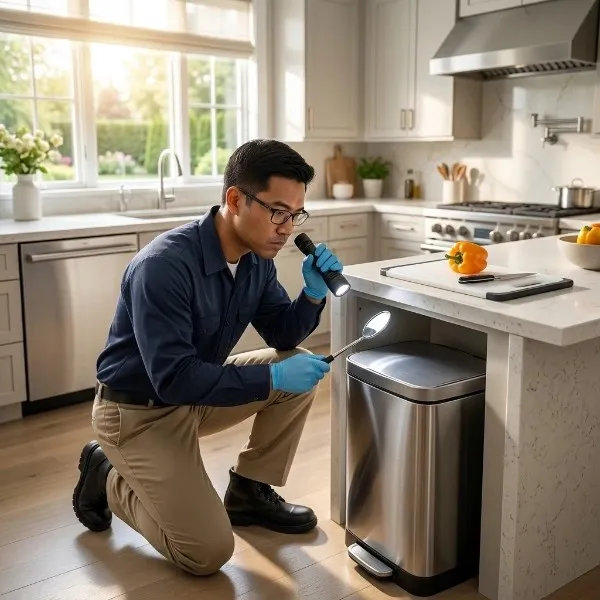
Flies
Drain and filth flies trace to a specific source — usually a drain or bin area — rather than needing the room treated.
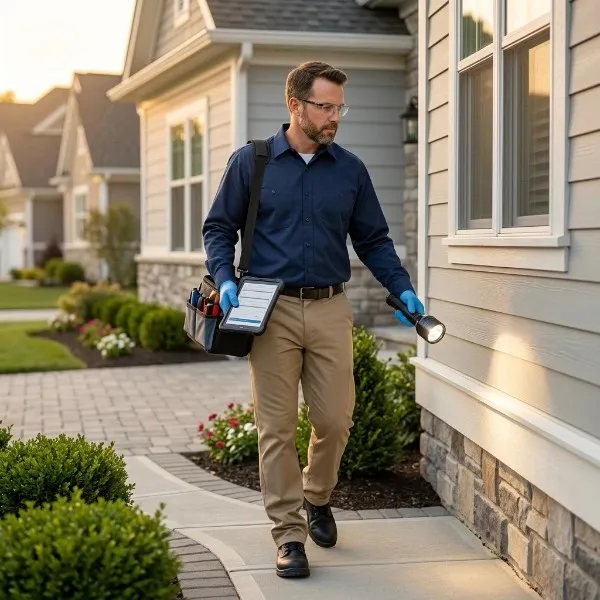
General Insects
Silverfish thrive in the damp voids of older buildings, plus drywood and subterranean termite inspection referrals.

General Rodents
Rodents exploit the aging wood and hidden gaps of historic structures, entering wall voids and attics that modern homes simply don’t have.
Trusted by Homeowners Across the Country
Licensed & Insured
Every pro in the network carries current licensing and insurance.
Same-Day Service
Same-day and next-day appointments typically available.
100% Satisfaction Guarantee
If the pest comes back, your pro comes back — that is the standard.
Locally Trusted Experts
Independent pros who actually live and work in your area.
No Obligation to Book
Talk to a pro first. Nothing is committed until you say so.
Vetted Pro Network
We screen every contractor before they join the PestAlly network.
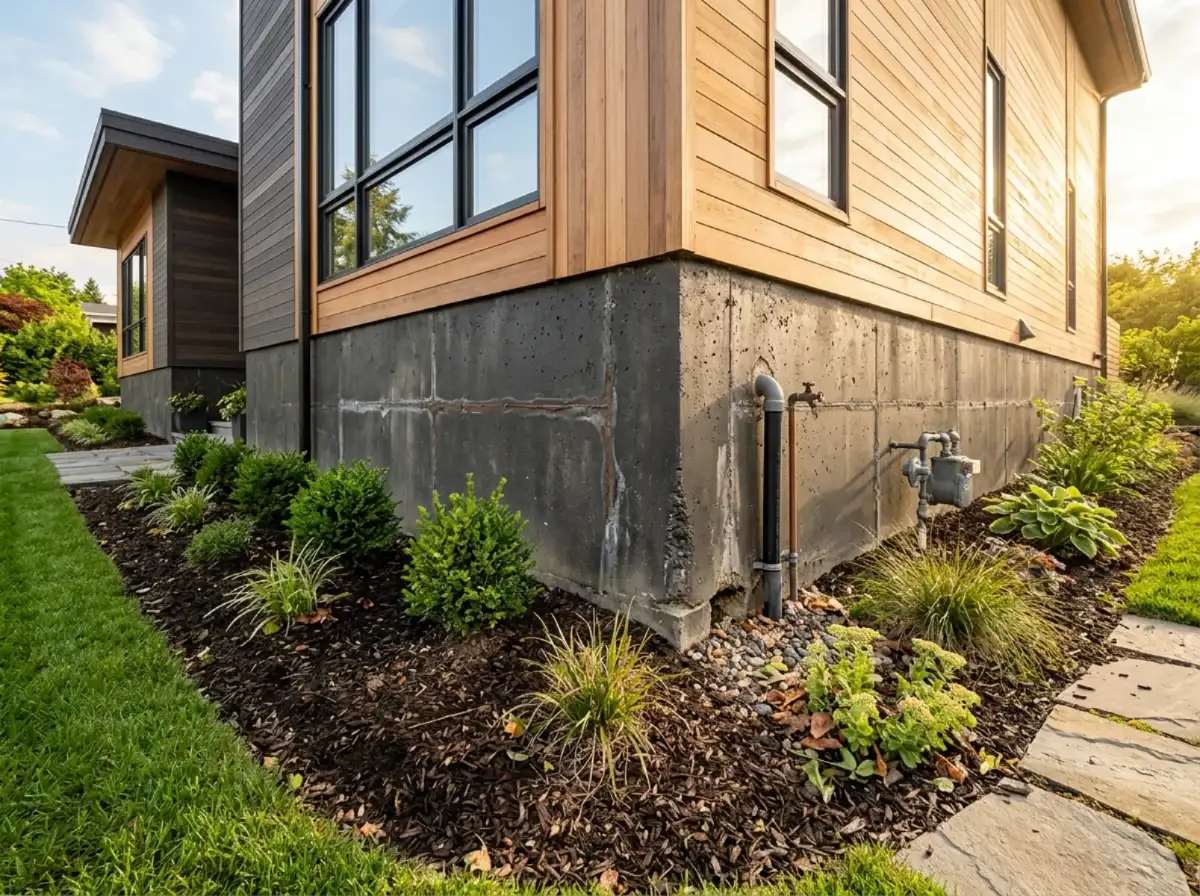
Most Common Pest Entry Points in Saint Augustine Homes
Historic buildings have dozens of small gaps created by decades of settling and aging wood, and those are the routes rodents and roaches use — none of which exist in modern construction.
Older St. Augustine homes over a crawl space lose the entire sub-floor to rodents, spiders and silverfish through one unscreened vent or a failed access door.
Drywood termites attack exposed beams, trim and porch woodwork directly, with no soil contact at all — which is exactly why soil treatment misses them.
Subterranean termites enter from the moist coastal soil at foundation contact points, and the damp ground here keeps them working year-round.
Salt air corrodes screens, seals and vent covers faster on this coast, so gaps open in even well-maintained buildings over a few years.
Why Saint Augustine Homes Deal With These Pests Specifically
Two local realities change how treatment has to work here — one about the buildings, one about the marsh.
Historic construction was never designed to keep anything out
Older St. Augustine buildings have aging wood, hidden voids and multiple entry points that pre-date any idea of pest prevention. Termite risk in particular is exceptionally high — drywood termites work the exposed beams and trim while subterranean termites come up from the coastal soil, sometimes in the same building.
Applying a standard modern treatment plan to a historic property. These buildings usually need a different inspection approach and a shorter service interval, and both termite types have to be considered rather than one.
Salt marsh mosquitoes arrive from outside the property
The salt marshes, Matanzas River and coastal wetlands around St. Augustine produce relentless mosquito populations. Container-breeding species come from gutters and planters on the property, but marsh broods arrive from well beyond it, particularly after high tides and heavy rain.
Judging a mosquito treatment by whether every mosquito disappears. Source reduction genuinely removes the container-breeders; a marsh brood arriving from the wetlands is outside anyone’s yard work.
What to Expect From a Local Pro’s Visit
Every St. Augustine property is different, but the sequence stays the same — your local pro reads the age of the building first, because here that decides everything.
Inspect
Full inspection: aging wood and framing gaps, crawl space, exposed beams and trim, foundation soil contact, screens and roofline.
→Identify
Confirming the species — including which termite — since drywood, subterranean and rodent work are entirely different jobs.
→Treat
Matched to the finding: drywood-specific treatment, subterranean baiting or liquid barrier, rodent exclusion, or perimeter and harborage work.
→Seal
Sealing the gaps that decades of settling have opened, screening crawl space vents and replacing corroded seals and screens.
→Follow Up
Ongoing service on an interval matched to the building — quarterly for most modern homes, often monthly for historic and marsh-adjacent properties.
→Saint Augustine Neighborhoods & Communities We Serve
PestAlly connects homeowners across St. Augustine and the surrounding St. Johns County communities.
Historic District
→Lincolnville
→Davis Shores
→Anastasia Island
→St. Augustine Beach
→North City
→Vilano Beach
→World Golf Village
→Palencia
→Crescent Beach
→How PestAlly Works in Saint Augustine
PestAlly doesn’t perform the pest control ourselves — we connect you with vetted, independent local professionals who do.
Get Started →Tell us what’s going on
The pest, and roughly where in the St. Augustine area you’re located.
We match you with an independent, local pro
Someone who services your specific neighborhood.
You deal directly with that contractor
Pricing, scheduling, and the work itself are between you and them.
Frequently Asked Questions
Are historic homes really harder to protect from pests?⌄
Yes, meaningfully. Older buildings have aging wood, hidden voids and multiple entry points that were never designed against pests, so rodents, roaches and termites have routes a modern home simply doesn’t offer. It usually means a more detailed inspection and a shorter service interval rather than a stronger product.
Do I have drywood or subterranean termites?⌄
Both are present in St. Augustine and sometimes in the same building. Drywood termites attack exposed beams and trim with no soil contact; subterranean termites come up from the moist coastal soil and leave mud tubes. Identifying which one is active determines the treatment entirely.
How often should I have service on a coastal property?⌄
Quarterly works for most modern homes in the area. Coastal properties, marsh-adjacent homes and older historic houses often need monthly service instead, because the moisture and pest pressure are consistently higher and the buildings offer more access.
Why are mosquitoes so bad even when my yard is clear?⌄
Because the salt marshes, Matanzas River and coastal wetlands around the city produce mosquito broods that travel well beyond the property they bred on. Clearing gutters and containers genuinely removes the container-breeding species, but it can’t stop a marsh brood arriving after a high tide.
Does PestAlly serve my specific St. Augustine neighborhood?⌄
PestAlly connects homeowners throughout St. Augustine and St. Johns County, including the Historic District, Lincolnville, Davis Shores, Anastasia Island, St. Augustine Beach and World Golf Village. ZIP codes we cover in St. Augustine are 32080, 32084, 32086, 32092 and 32095.
Get Connected With a Local Saint Augustine Pest Control Pro
Whether it’s an old house with gaps you can’t find, mosquitoes off the marsh, or a termite question on historic woodwork, PestAlly connects you with an independent, local pro who knows what St. Johns County homes are actually up against.
Looking beyond Saint Augustine? See every Florida city we cover →