
Pest Control in Des Moines, IA
Connect With a Local Pro
Who Knows Iowa Winters
PestAlly connects Des Moines homeowners with independent, local
pest control pros who know the autumn overwintering wave, rodents
moving in with the first cold and a short but busy summer.
In Des Moines the Pest Year Splits Cleanly in Two
Des Moines has a genuinely cold winter, and that shapes the whole pest year here into two distinct halves. From roughly November through February the problem isn’t insects in the yard — it’s everything that decided to spend the winter inside your walls. Boxelder bugs, Asian lady beetles, stink bugs and cluster flies all start looking for overwintering sites as the first cold arrives, and they find them in the gaps around windows, siding and soffits. At the same time rodents move indoors through cracks and holes that are smaller than most homeowners believe possible. Then the warm half arrives and it’s ants, wasps and mosquitoes instead. The useful thing about that split is that one well-timed autumn perimeter treatment addresses most of the overwintering group at once. PestAlly connects Des Moines homeowners with independent, local pros who work to that timing.
Get Connected With a Local Pro →
At a Glance
Service Area
Des Moines, IA and surrounding Polk County communities
Most Common Pests
Boxelder bugs, Asian lady beetles, stink bugs, cluster flies, house mice, ants, wasps
Peak Pest Season
Two seasons: overwintering pests and rodents Nov–Feb, insects May–Sep
Response Time
Same-day and next-day appointments typically available
Des Moines’ Year-Round Pest Calendar
Iowa’s cold winter genuinely resets the outdoor year — but it drives everything indoors first.
Winter
Dec – FebPeak indoor rodent season; lady beetles appear on every warm day
Deep winter — overwintering insects active inside wall voids
Thaw wakes boxelder bugs and stink bugs in the walls
Spring
Mar – MayOverwintering insects leave; ant activity resumes outdoors
Ant trails expand; wasp queens start building nests
Mosquito season begins; carpenter ants work damp wood
Summer
Jun – AugPeak outdoor insect season across central Iowa
Wasp and yellow jacket colonies at full size
Yellow jackets at their most defensive as food runs short
Fall
Sep – NovThe overwintering wave arrives — treat the exterior now
Rodent entry attempts peak with the first hard freeze
Everything is indoors: rodents and overwintering insects
One exception: The overwintering group all moves on the same trigger. Boxelder bugs, Asian lady beetles, stink bugs and cluster flies don’t arrive gradually — they arrive over a few warm days in autumn, all at once, and once they’re inside the wall voids they’re extremely difficult to reach. That’s why the timing of a single autumn exterior treatment matters more here than the number of treatments.
Services We Cover in Des Moines
Older Beaverdale brick, a mid-century ranch or a newer build in the suburbs — here’s what the local pros in our network handle.
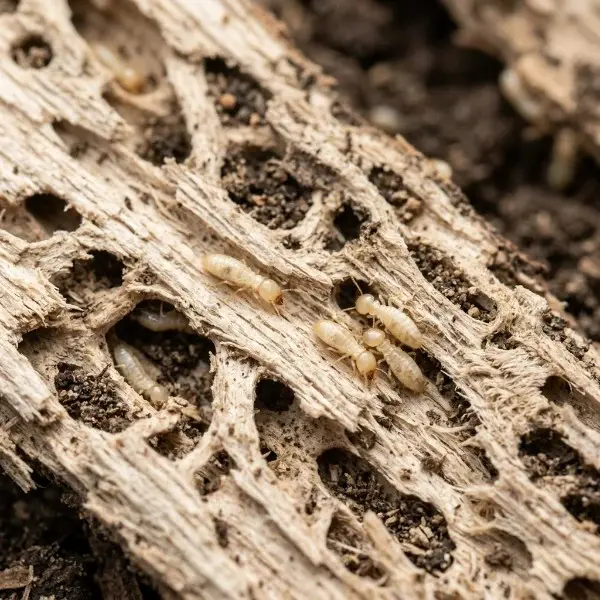
Termites
Wood-to-soil contact, damp crawl spaces and mulch piled against the siding are what invite subterranean termites into Des Moines homes in the first place.
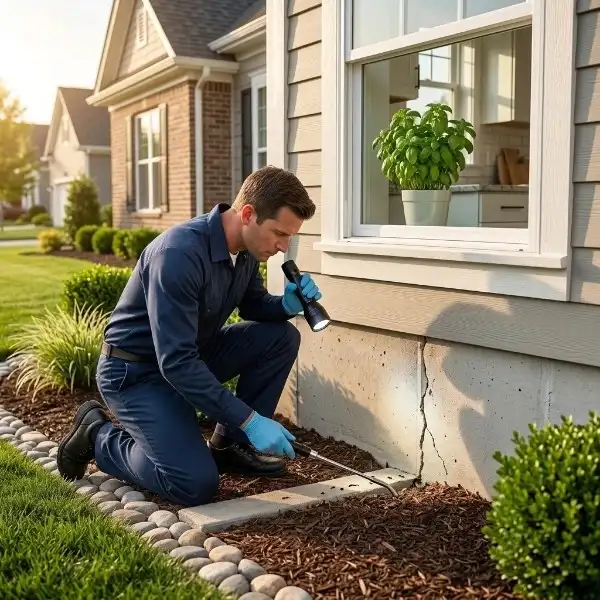
Ants
Pavement and odorous house ants trail indoors through the warm months, and carpenter ants work damp or damaged wood around Iowa homes.
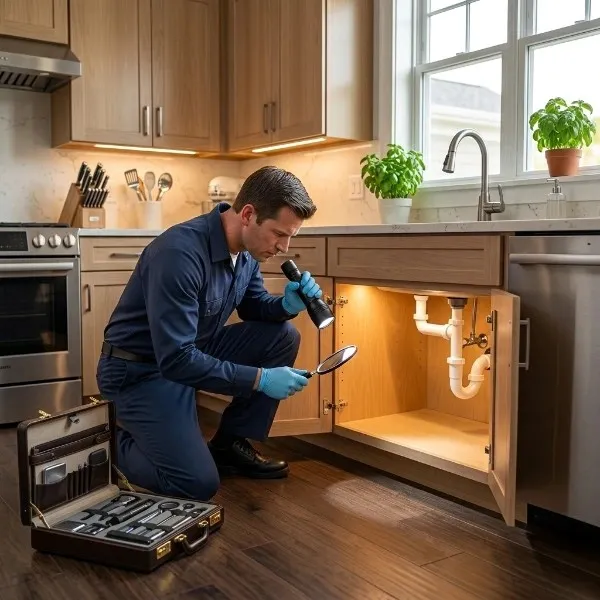
Roaches
German roaches persist in multi-unit housing and around plumbing, while Iowa’s dry cold keeps overall roach pressure lower than in the South.
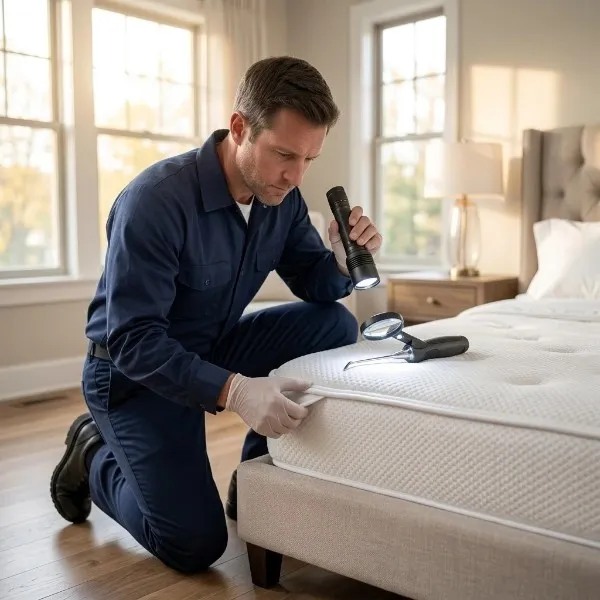
Bed Bugs
Steady rental turnover and travel through the metro keep bed bug cases active in Des Moines all year.
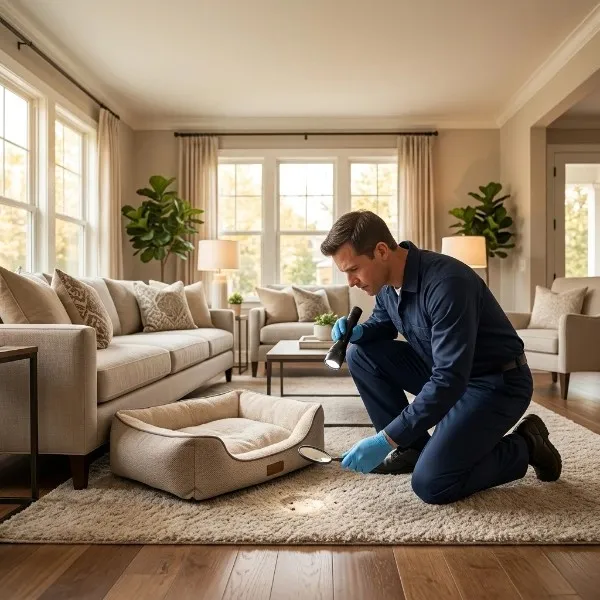
Fleas
Pets and urban wildlife re-seed fleas through the warm months, though Iowa’s winter genuinely knocks the outdoor population back.
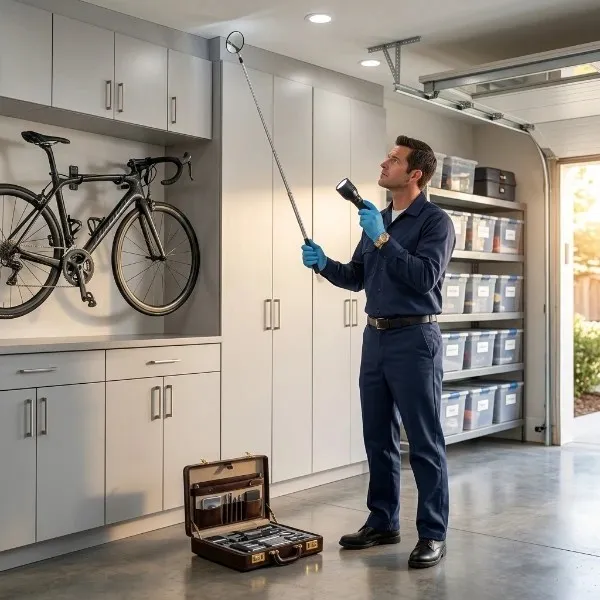
Spiders
Cellar spiders, house spiders and wolf spiders use basements, garages, crawl spaces and woodpiles across central Iowa.
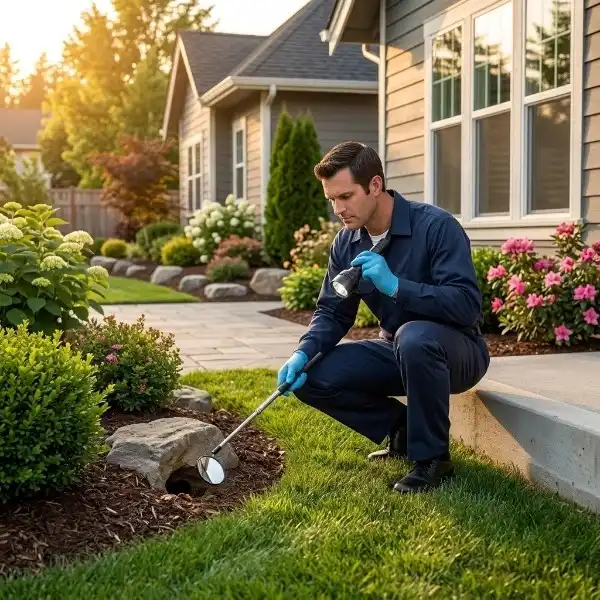
Yellow Jackets
Yellow jackets build ground and void nests through summer and turn aggressive in late summer as their food runs short.
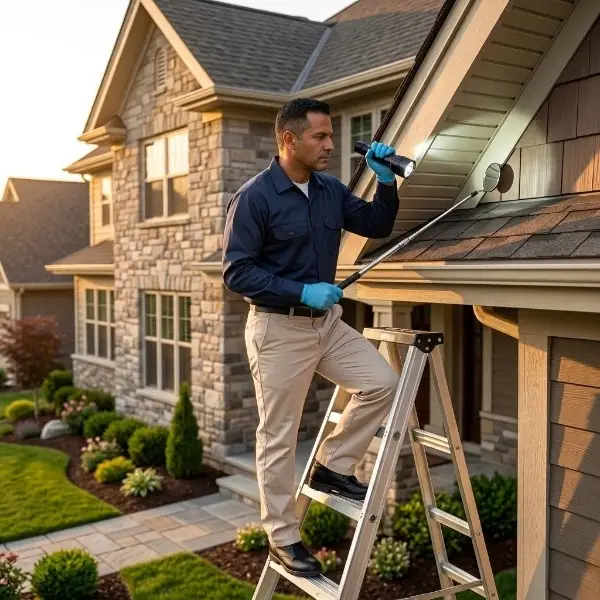
Wasps
Paper wasps build under eaves, decks, porches and outbuildings right through the short but busy warm season.
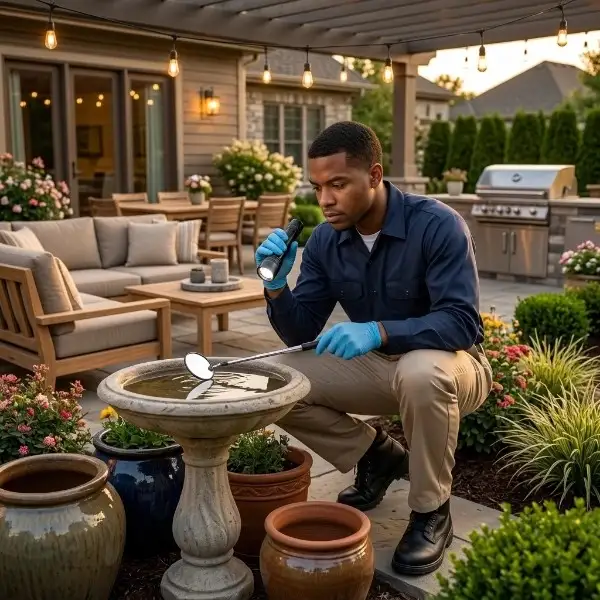
Mosquitoes
Standing water, gutters and low ground support a real mosquito season from late spring through early autumn in central Iowa.
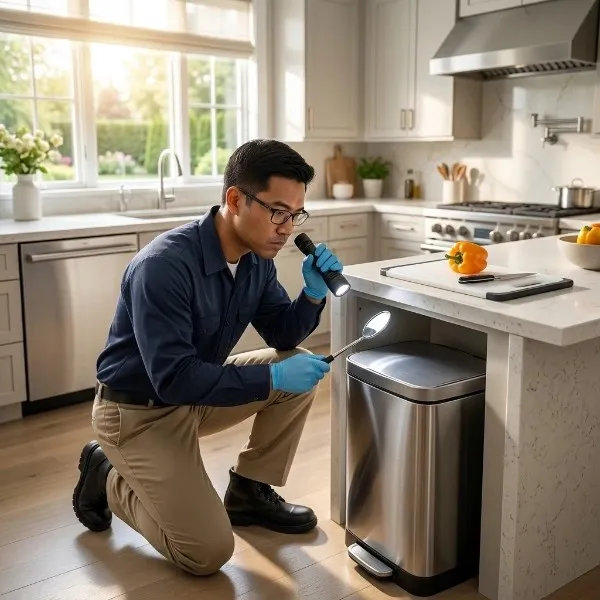
Flies
Cluster flies overwinter indoors in large numbers, and drain flies trace to a specific source rather than needing the room treated.
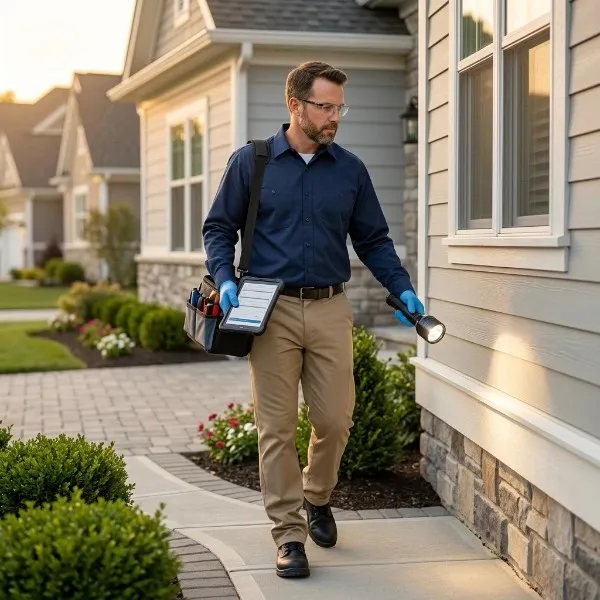
General Insects
Boxelder bugs, Asian lady beetles and stink bugs are the defining Des Moines problem, moving into wall voids every autumn on the same trigger.
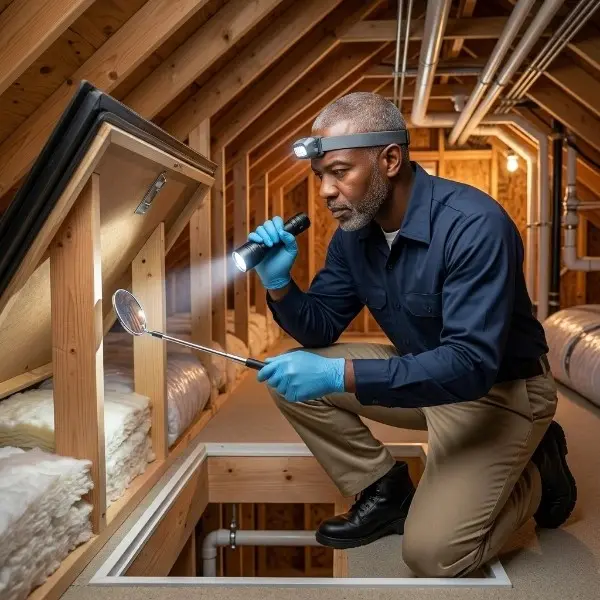
General Rodents
House mice and Norway rats move indoors with the first cold, entering through cracks and holes far smaller than most homeowners expect.
Trusted by Homeowners Across the Country
Licensed & Insured
Every pro in the network carries current licensing and insurance.
Same-Day Service
Same-day and next-day appointments typically available.
100% Satisfaction Guarantee
If the pest comes back, your pro comes back — that is the standard.
Locally Trusted Experts
Independent pros who actually live and work in your area.
No Obligation to Book
Talk to a pro first. Nothing is committed until you say so.
Vetted Pro Network
We screen every contractor before they join the PestAlly network.
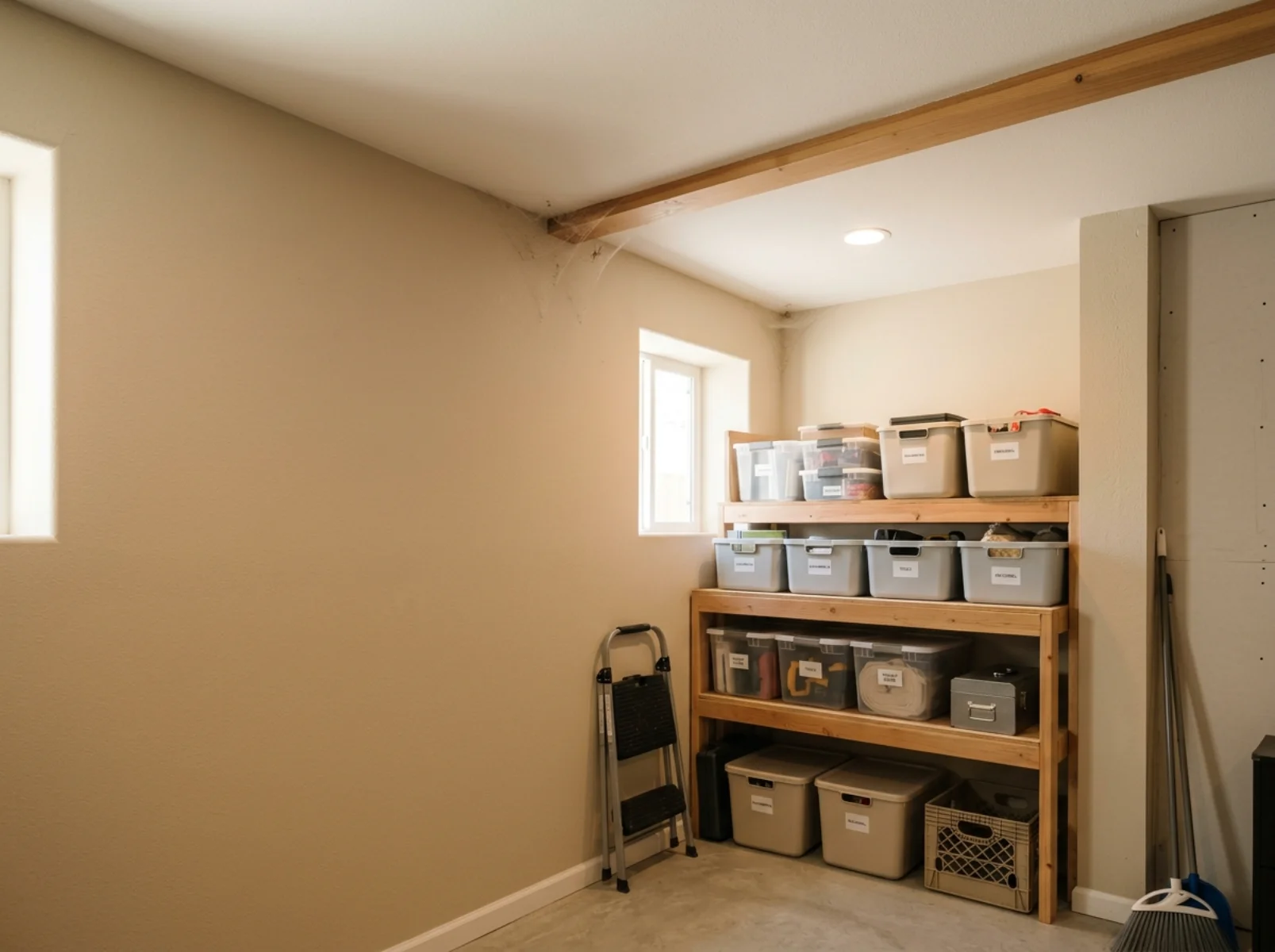
Most Common Pest Entry Points in Des Moines Homes
Warm, sunny south and west walls are where boxelder bugs and lady beetles gather before entering, which is exactly why the exterior treatment goes there first.
Gaps at window frames, siding joints and trim are the actual doorway for the whole overwintering group — they need very little space.
Soffit and fascia gaps let overwintering insects and rodents straight into the attic, and it’s above eye level so it’s usually found late.
Worn garage door thresholds are the most common rodent entry on an Iowa home, and the garage connects directly to the living space.
Sill plate gaps, basement window wells and utility penetrations are where mice get in once the first hard freeze pushes them to look.
Why Des Moines Homes Deal With These Pests Specifically
Two Iowa realities change how treatment has to work here — and both come down to timing.
Four different insects overwinter in your walls on the same trigger
Boxelder bugs, Asian lady beetles, stink bugs and cluster flies all seek overwintering sites as Iowa cools, and they enter through the same gaps: window frames, siding joints, soffits and utility penetrations. They don’t breed indoors and they don’t damage the house — but they cluster in large numbers and reappear on every warm winter day.
Spraying indoors once they’re already in the walls. At that point the population is inside inaccessible voids and interior treatment achieves very little — the work that matters is an exterior perimeter application before they move, in early autumn.
Rodents come in through gaps far smaller than people expect
As Iowa temperatures drop, mice and rats move indoors looking for warmth and food, entering through cracks and holes far smaller than most people expect. Once inside they contaminate food, gnaw wiring and can spread salmonella and hantavirus.
Setting traps and stopping there. Trapping removes what’s already inside; if the entry points stay open, the next cold snap sends another group in along exactly the same route.
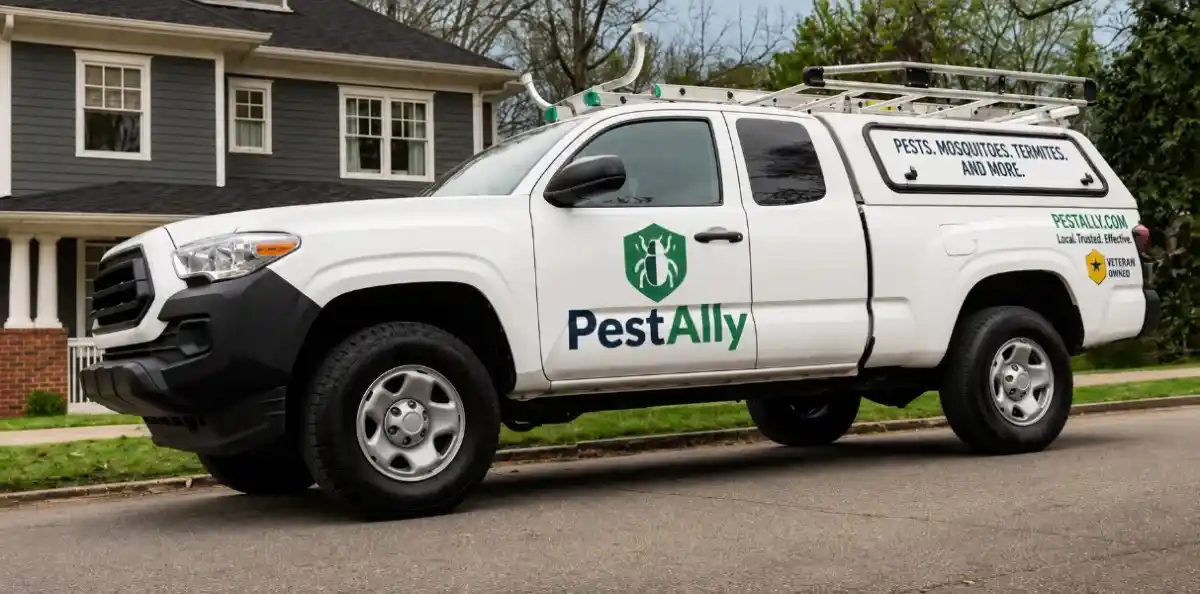
What to Expect From a Local Pro’s Visit
Every Des Moines property is different, but the sequence stays the same — your local pro starts with the ways in, because in Iowa that’s what the whole winter depends on.
Inspect
Full inspection: south and west walls, window and siding gaps, soffits, garage threshold, sill plate and basement windows.
→Identify
Confirming the species, since overwintering insect work, rodent exclusion and ant treatment are three different jobs.
→Treat
Matched to the finding: timed exterior perimeter treatment, rodent trapping and exclusion, ant baiting, or direct nest work.
→Seal
Sealing window and siding gaps, closing soffit access, replacing the garage threshold and closing sill plate and basement entries.
→Follow Up
Ongoing service built around two moments: the early-autumn exterior treatment and the first hard freeze.
→How PestAlly Works in Des Moines
PestAlly doesn’t perform the pest control ourselves — we connect you with vetted, independent local professionals who do.
Get Started →Tell us what’s going on
The pest, and roughly where in the Des Moines area you’re located.
We match you with an independent, local pro
Someone who services your specific neighborhood.
You deal directly with that contractor
Pricing, scheduling, and the work itself are between you and them.
Frequently Asked Questions
What are these bugs on my windows in the middle of winter?⌄
They’re overwintering insects — boxelder bugs, Asian lady beetles, stink bugs or cluster flies. They moved into your wall voids in autumn and come out whenever a warm day fools them into thinking it’s spring. They don’t breed indoors, so the fix is sealing gaps and treating the exterior before they enter, not spraying inside.
When should I treat for boxelder bugs and lady beetles?⌄
Early autumn, before the first real cold. Boxelder bugs, Asian lady beetles, stink bugs and cluster flies all move on the same trigger, so a single well-timed exterior perimeter treatment handles the whole group. Once they’re in the walls, the window has passed.
How are mice getting in when I’ve sealed everything?⌄
Through gaps you’d never think twice about. Mice get through openings smaller than most people expect, and the usual routes are the garage threshold, utility penetrations, sill plate gaps and around basement windows. Trapping without sealing those just resets the problem.
Do I need pest control through an Iowa winter?⌄
Yes, but for different reasons than summer. Winter here is rodent season and overwintering-insect season — the outdoor insect work stops, and the indoor work matters more. November through February is when boxelder bugs, lady beetles and rodent activity are at their most noticeable indoors.
Does PestAlly serve my specific Des Moines neighborhood?⌄
PestAlly connects homeowners throughout Des Moines and the metro, including Beaverdale, Sherman Hill, Drake, the East Village, Merle Hay and the South Side, plus West Des Moines, Ankeny, Urbandale, Johnston and Altoona. ZIP codes we cover in Des Moines are 50309, 50310, 50311, 50312, 50313, 50314, 50315, 50316, 50317, 50319, 50320 and 50321.
Get Connected With a Local Des Moines Pest Control Pro
Whether it’s lady beetles on the window every warm day, something in the wall at night, or ants back on the counter in June, PestAlly connects you with an independent, local pro who knows what Iowa homes are actually up against.
Looking beyond Des Moines? See every Iowa city we cover →