
Pest Control in Wichita, KS
Connect With a Local Pro
Who Knows Brown Recluse
PestAlly connects Wichita homeowners with independent, local
pest control pros who know brown recluse harborage, zone 2 termite
pressure and what a dry Kansas summer sends indoors.
In Wichita, One Spider Changes How the Whole Job Is Done
Wichita sits squarely inside the brown recluse spider’s native range, and that single fact makes pest control here different from most of the country. These spiders live in the dry, quiet corners of basements, closets, garages and crawl spaces across Sedgwick County, and unlike most household spiders they’re a genuine medical concern rather than a nuisance. The second Wichita factor is underneath the house: Kansas sits in termite pressure zone 2, and the older housing in College Hill, Delano and the surrounding neighbourhoods — heavy clay soil, wood close to grade — makes prime subterranean termite targets. Around those two, the Great Plains climate does the rest: hot dry summers that push pavement and odorous house ants indoors hunting moisture, and cold winters that send mice in. PestAlly connects Wichita homeowners with independent, local pros who take the recluse question seriously.
Get Connected With a Local Pro →
At a Glance
Service Area
Wichita, KS and surrounding Sedgwick County communities
Most Common Pests
Brown recluse spiders, subterranean termites, pavement and odorous house ants, house mice, roaches, wasps
Peak Pest Season
Insects peak in summer; brown recluse and termites run all year
Response Time
Same-day and next-day appointments typically available
Wichita’s Year-Round Pest Calendar
Kansas gets four real seasons outdoors — but the two biggest problems here live indoors and underground.
Winter
Dec – FebPeak indoor rodent season; brown recluse active in heated storage
Deep winter — termites keep feeding below the frost line
Ant activity resumes as the ground warms
Spring
Mar – MaySubterranean termite swarms begin across Sedgwick County
Ant trails expand indoors; wasp queens start building
Dry heat pushes ants inside hunting moisture
Summer
Jun – AugPeak outdoor insect season; recluse sightings climb
Hottest, driest weeks — heaviest ant pressure indoors
Recluse sightings peak as the spiders move more
Fall
Sep – NovWasps turn defensive; rodents begin testing the house
Rodent entry attempts peak with the first hard freeze
Recluse and rodents indoors; everything else slows down
One exception: Brown recluse spiders ignore the seasons almost entirely. They live indoors year-round in undisturbed storage, closets, basements and garages, and they’re active whenever conditions inside allow — which in a heated Wichita home is always. Sightings go up in late summer because the spiders move more, not because the population changed. Recluse work is about reducing indoor harborage rather than about timing.
Services We Cover in Wichita
Older College Hill or Delano home, a mid-century ranch or a newer build out west — here’s what the local pros in our network handle.
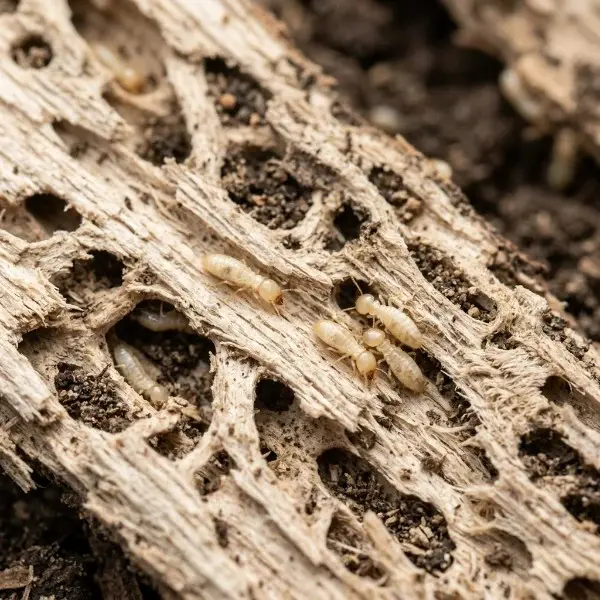
Termites
Subterranean termites work out of sight through the soil and the first visible sign is usually a mud tube — scheduled inspection is what catches it earlier than that.
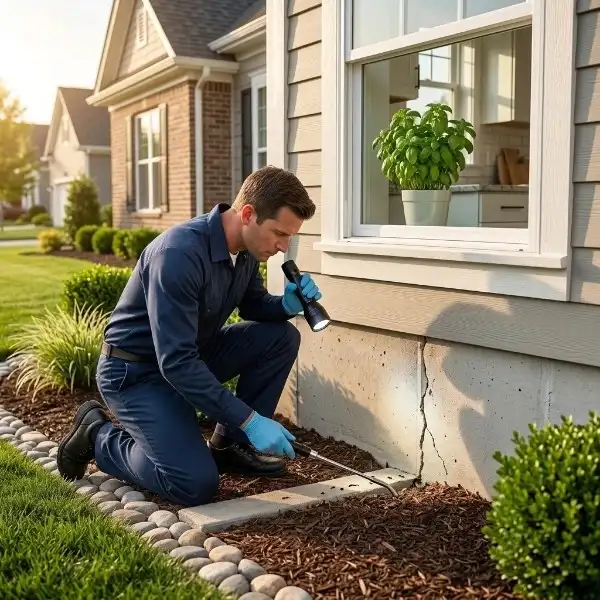
Ants
Pavement and odorous house ants push indoors hunting moisture through hot dry Kansas summers, and carpenter ants work damp or damaged wood.
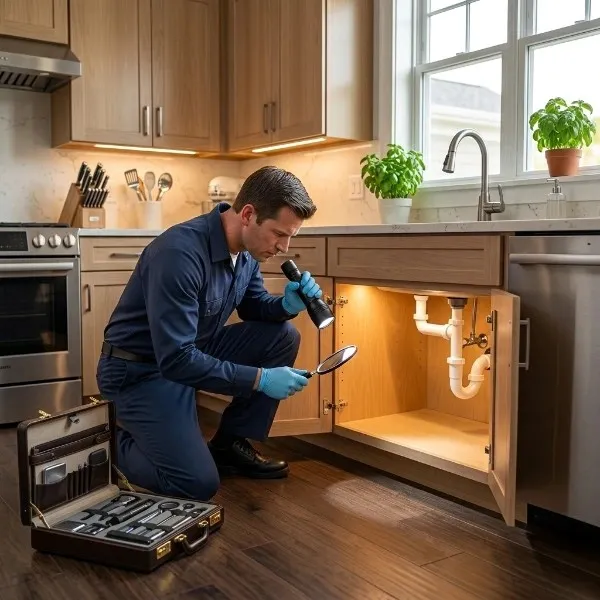
Roaches
German and American roaches persist around plumbing and in multi-unit housing, though the dry climate keeps overall pressure moderate.
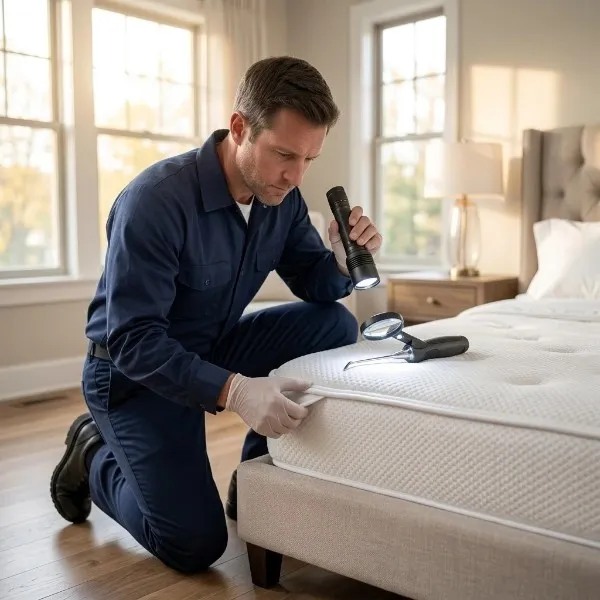
Bed Bugs
Steady travel and rental turnover through the metro keep bed bug cases active in Wichita all year.
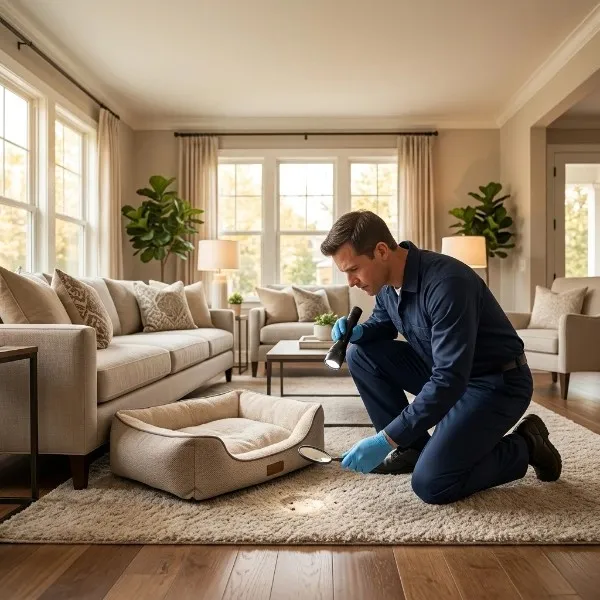
Fleas
Pets and urban wildlife re-seed fleas through the warm months, with pressure easing through the Kansas winter.
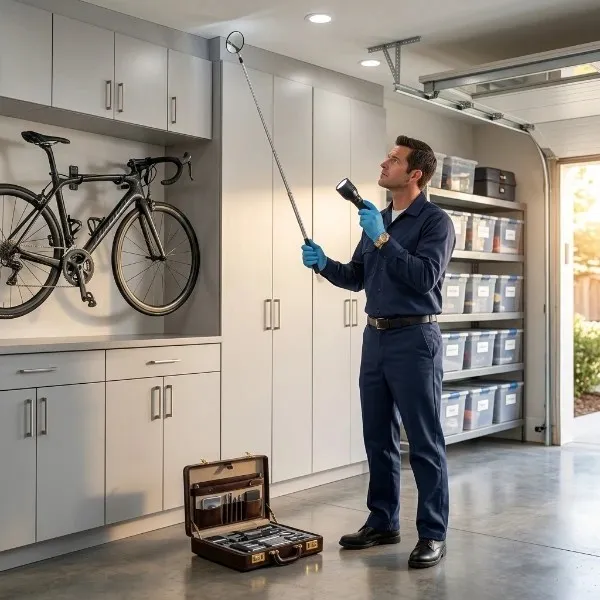
Spiders
Brown recluse are the serious Wichita concern, living year-round in basements, closets, garages and undisturbed storage.
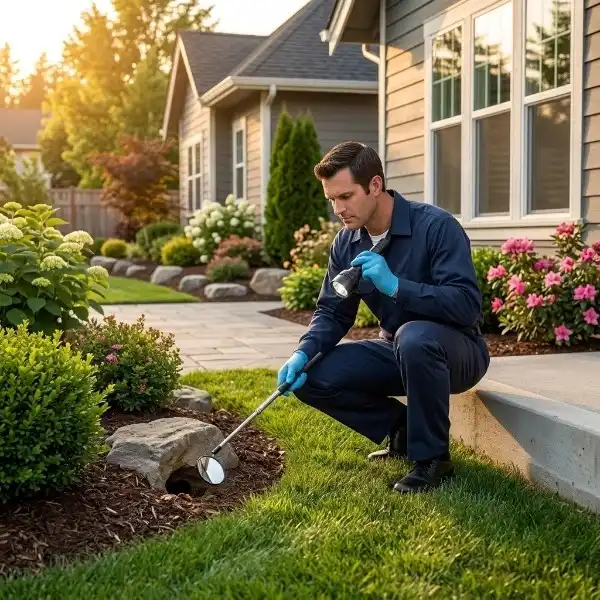
Yellow Jackets
Yellow jackets build ground and void nests through summer and turn aggressive in late summer as their food runs short.

Wasps
Paper wasps build under eaves, decks, porches and outbuildings right through the long Kansas warm season.
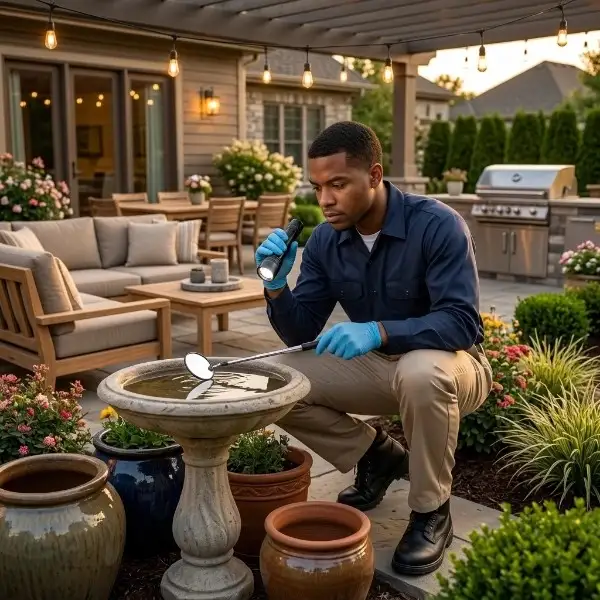
Mosquitoes
Standing water, gutters and low ground support a real mosquito season from late spring through early autumn in south-central Kansas.
Flies
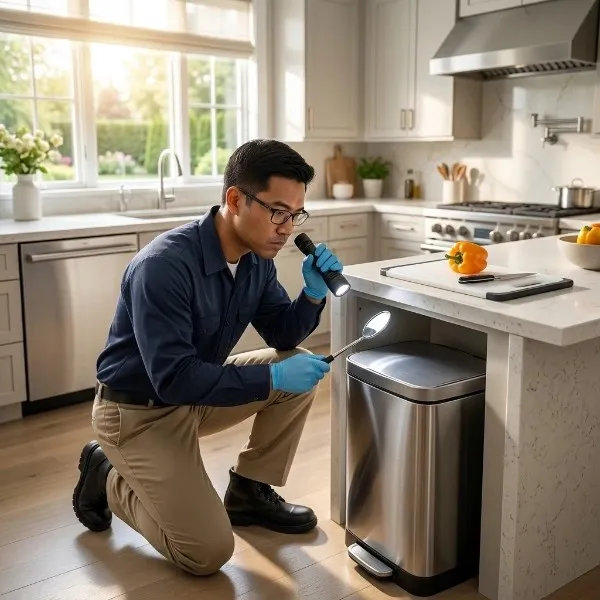
Drain and filth flies trace to a specific source — usually a floor drain or bin area — rather than needing the room treated.
General Insects
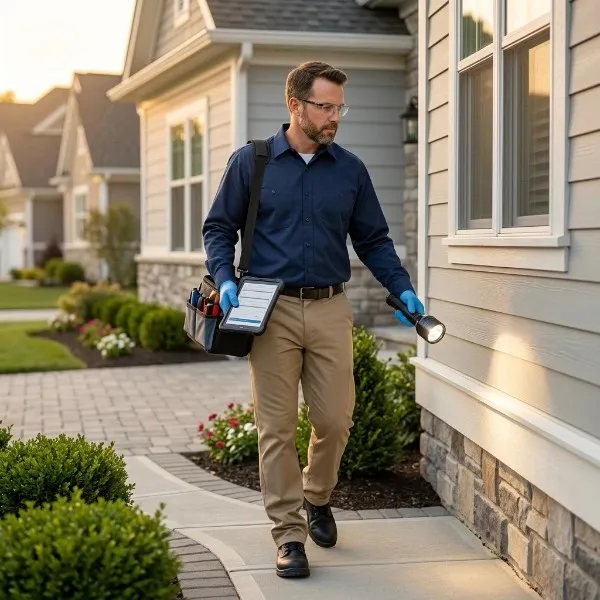
Centipedes, silverfish and crickets are common in Kansas basements, plus subterranean termite inspection referrals in zone 2 pressure.

General Rodents
House mice and field mice move indoors as soon as it turns cold, entering through gaps far smaller than most homeowners expect.
Trusted by Homeowners Across the Country
Licensed & Insured
Every pro in the network carries current licensing and insurance.
Same-Day Service
Same-day and next-day appointments typically available.
100% Satisfaction Guarantee
If the pest comes back, your pro comes back — that is the standard.
Locally Trusted Experts
Independent pros who actually live and work in your area.
No Obligation to Book
Talk to a pro first. Nothing is committed until you say so.
Vetted Pro Network
We screen every contractor before they join the PestAlly network.
Most Common Pest Entry Points in Wichita Homes
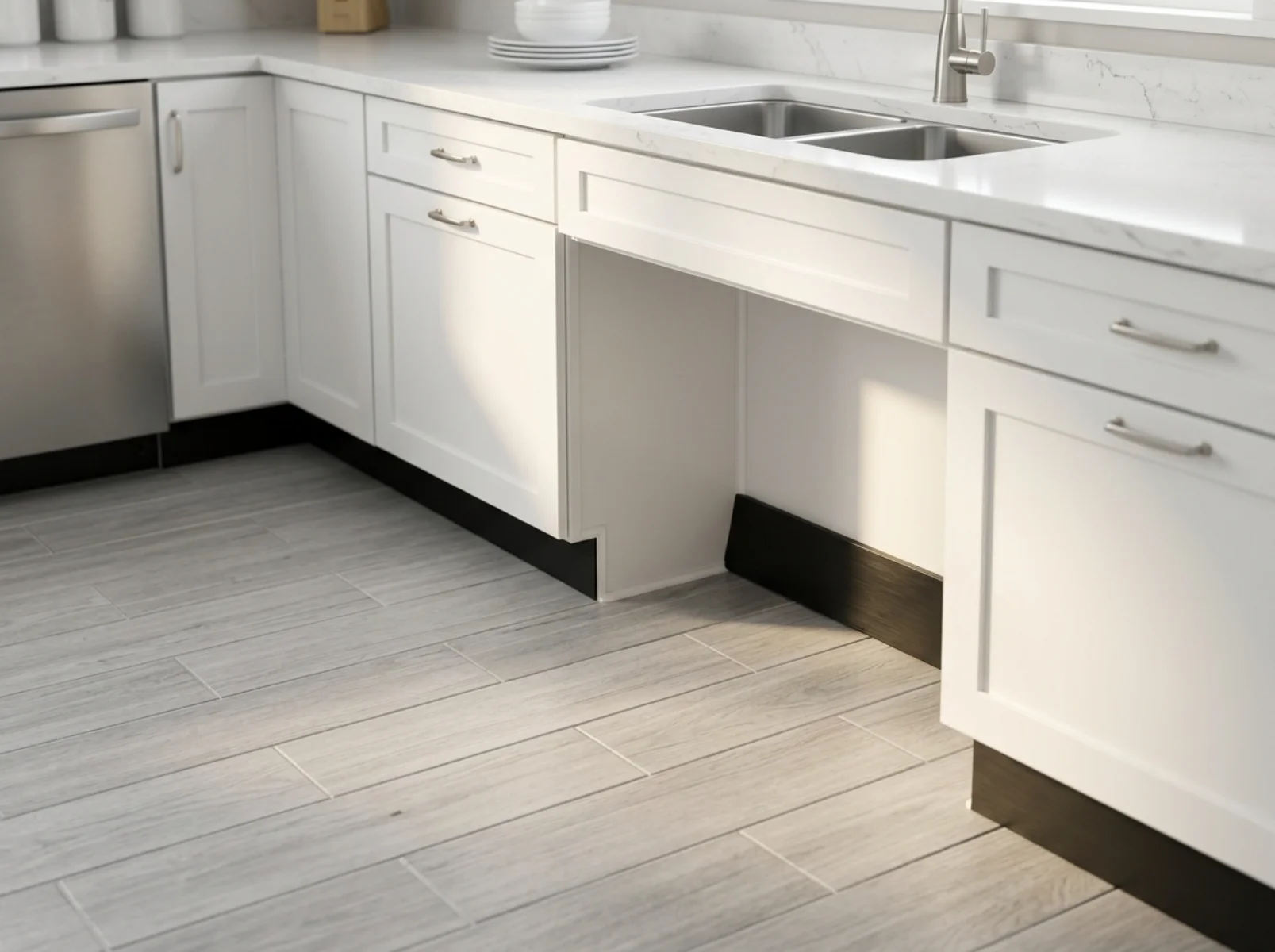
Stored cardboard, boxes and clutter in basements and closets is where brown recluse actually live — it’s harborage rather than an entry point, and it’s the thing that matters most.
Garages, sheds and crawl spaces give recluse the dry, quiet, undisturbed conditions they prefer, which is why they turn up in stored items rather than in the open.
Wood-to-soil contact and foundation cracks are how subterranean termites reach the structure, and older Wichita housing has more of both.
Worn garage door thresholds are the most common rodent entry on a Kansas home, and the garage connects directly to the living space.
Sill plate gaps, basement window wells and utility penetrations are where mice get in once the first hard freeze pushes them to look.
Why Wichita Homes Deal With These Pests Specifically
Two Kansas realities change how treatment has to work here — one indoors, one underground.
Wichita sits inside the brown recluse’s native range
South-central Kansas is part of the brown recluse’s natural range, and Wichita sits squarely inside it. They favour dry, quiet, undisturbed places — storage boxes, closets, basements, garages and crawl spaces — which means the population lives alongside people rather than out in the yard.
Treating recluse as a normal spider problem. A perimeter spray does very little for a species that lives permanently indoors. What works is reducing harborage — clearing stored cardboard and clutter, sealing storage, monitoring — alongside targeted treatment.
Clay soil and older housing make prime termite targets
Kansas sits in termite pressure zone 2, and Wichita’s clay soil combined with the older housing stock in College Hill, Delano and similar neighbourhoods gives subterranean termites what they need — moisture held against the foundation and wood close to grade.
Assuming an older Wichita home is fine because nothing has been seen. Subterranean termites work out of sight through the soil and the first visible sign is usually a mud tube — scheduled inspection is what catches it earlier than that.

What to Expect From a Local Pro’s Visit
Every Wichita property is different, but the sequence stays the same — your local pro starts with the storage areas and the foundation, because in Kansas that’s where it begins.
Inspect
Full inspection: basement and closet storage, garage and crawl space, wood-to-soil contact, foundation, garage threshold and sill plate.
→Identify
Confirming the species, since brown recluse work, subterranean termite treatment and rodent exclusion are three different jobs.
→Treat
Matched to the finding: recluse harborage reduction and targeted treatment, termite baiting or liquid barrier, rodent trapping, or ant baiting.
→Seal
Reducing indoor harborage, sealing foundation cracks and wood-to-soil contact, and closing the garage threshold and sill plate gaps.
→Follow Up
Ongoing service year-round, because brown recluse and subterranean termites don’t pause when the outdoor season does.
→How PestAlly Works in Wichita
PestAlly doesn’t perform the pest control ourselves — we connect you with vetted, independent local professionals who do.
Get Started →Tell us what’s going on
The pest, and roughly where in the Wichita area you’re located.
We match you with an independent, local pro
Someone who services your specific neighborhood.
You deal directly with that contractor
Pricing, scheduling, and the work itself are between you and them.
Frequently Asked Questions
How worried should I be about brown recluse in Wichita?⌄
Take it seriously. South-central Kansas is inside the brown recluse’s native range and Wichita homes commonly have them in basements, closets, garages and storage areas. They aren’t aggressive, but a bite can cause a serious wound, so the sensible response is to reduce indoor harborage and get the property assessed rather than to ignore it.
Why doesn’t a perimeter spray help with brown recluse?⌄
Because they’re indoor spiders, not yard spiders. Perimeter spraying targets species that come in from outside; brown recluse live permanently in undisturbed indoor spaces. Reducing clutter and cardboard storage, sealing boxes and monitoring is what actually lowers the population.
Do I really have termite risk in Kansas?⌄
Yes. Kansas is in termite pressure zone 2, and Wichita’s clay soil plus older housing with wood close to grade makes subterranean termites a real risk here. They work hidden in the soil and the first sign is usually a mud tube on the foundation, so inspection matters more than watching.
Do I need pest control through a Kansas winter?⌄
Yes. Outdoor insect activity drops right back, but brown recluse carry on indoors regardless of the season, and house mice and field mice move in as soon as it turns cold. Winter in Wichita is when the indoor work matters most.
Does PestAlly serve my specific Wichita neighborhood?⌄
PestAlly connects homeowners throughout Wichita and Sedgwick County, including College Hill, Delano, Riverside, Eastborough, Crown Heights and West Wichita, plus Derby, Andover, Haysville, Maize and Goddard. ZIP codes we cover in Wichita include 67203, 67206, 67208, 67211, 67212, 67217, 67220 and 67226.
Get Connected With a Local Wichita Pest Control Pro
Whether it’s a recluse in the basement, mud tubes on an older foundation, or ants on the counter every dry August, PestAlly connects you with an independent, local pro who knows what Kansas homes are actually up against.
Looking beyond Wichita? See every Kansas city we cover →