
Pest Control in Schoolcraft, MI
Connect With a Local Pro Who Knows Kalamazoo County
Schoolcraft sits on Prairie Ronde, one of the original oak-openings prairies that made this some of the best farm ground in Michigan, and it is still farmed hard — corn, seed crops and dairy in every direction. The village is a compact strip of 1830s to 1900s brick and frame along the old road. Open prairie farm ground surrounding a very small village is the whole story here. PestAlly is a free service connecting Schoolcraft homeowners with independent, licensed local pest control pros working Kalamazoo County.
Call (888) 921-7764Speak to a Local ProWhy Schoolcraft
Why Schoolcraft Homes Get Hit Harder Than Most
When a village is this small and the farm ground starts this close, the agricultural calendar is the pest calendar. Corn and seed-crop harvest strips cover from the surrounding prairie in September and October, and Michigan’s first hard freeze follows within weeks, so the rodent movement into buildings is sharp rather than gradual — and with so few buildings available, the pressure concentrates on them. Grain storage, drying and handling on the farms holds rodents and stored-product insects through the entire year.
Dairy and old buildings do the rest. Livestock operations produce house and stable flies at a scale no house treatment matches, and pasture earthworms produce the cluster flies that cover sunny walls each September before overwintering in attics and wall voids. The village housing is 1830s to 1900s brick and frame on stone and block basements, with original rim joists and wood close to soil — carpenter ant and mouse territory in a state where termite pressure is genuinely low.

Seasonal Activity
What’s Active in Schoolcraft, and When
Spring · Mar–May
Cluster flies waking indoors, snowmelt into stone basements, and carpenter ant swarmers from damp framing.
Summer · Jun–Aug
Peak dairy and livestock fly pressure, mosquitoes in drainage ditches, and wasps in barns and under eaves.
Fall · Sep–Nov
Harvest strips the prairie and the freeze follows — the sharpest rodent window of the year on very few buildings.
Winter · Dec–Feb
Rodents in barns, grain storage and wall voids, and cluster flies at windows on every mild day.
Coverage
Areas We Cover in Schoolcraft
The Prairie Ronde farm ground
Open corn and seed-crop prairie surrounding the village, cut in autumn just as the first hard freeze lands.
Grain storage, drying & handling
Bins, dryers and augers holding spilled grain, supporting rodents and stored-product insects year-round.
The village centre & Territorial Road
1830s–1900s brick and frame on stone basements with original rim joists — mice and carpenter ants at the sill.
The dairy & livestock operations
Manure, feed and bedding producing house, stable and cluster flies far beyond residential scale.
The farmstead lots & outbuildings
Barns, machine sheds and pole buildings that hold populations year-round and feed them into houses each autumn.
Schoolcraft sits about 20 minutes south of Kalamazoo on the old Territorial Road, a small village in the middle of the Prairie Ronde farm country.
See the whole state on our Michigan pest control page, the metro hub in Kalamazoo, or the nearby towns we also cover: Portage, Mattawan, Plainwell, Vicksburg.
Services
The Pest Problems Schoolcraft Calls About Most
Rodent Control
With so few buildings and so much open prairie, the harvest-and-freeze rodent push concentrates hard on the village houses.
Fly Control
Dairy and livestock ground produce filth flies at genuine farm scale, and pasture earthworms produce the autumn cluster flies.
General Pest Control
Spilled grain brings Indian meal moths and grain beetles into houses inside feed, flour and birdseed bags.
Ant Control
Carpenter ants nest in damp basement and sill framing in the 1800s village housing rather than eating sound wood.
Spider Control
Old stone basements and farm outbuildings stay cool and damp, keeping spiders and camel crickets active all winter.
Mosquito Control
Field ditches and low prairie ground hold standing water for weeks, breeding the Culex that carry West Nile.
Also available in Schoolcraft: Cockroach Control · Bed Bug Treatment · Wasp Nest Removal · Yellow Jacket Removal · Flea Control · Termite Control
Common Questions
Schoolcraft Pest Questions, Answered
Why do we get so many mice for such a small village?
Moths in the pantry that we never brought in.
Flies are unbearable and we do not farm.
Should the outbuildings be treated as well?
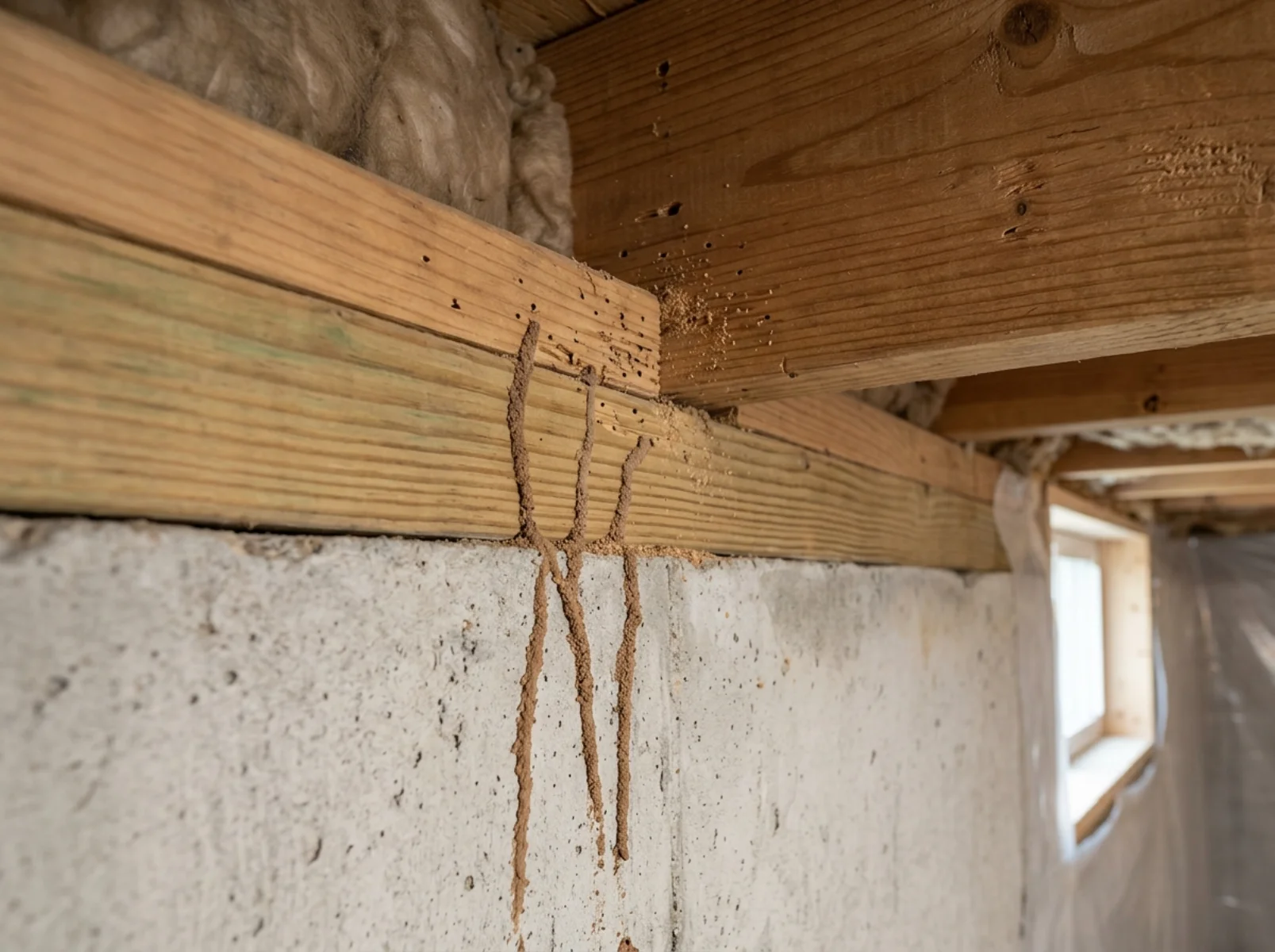
Do we need termite treatment out here?
Speak to an Exterminator in Schoolcraft
Tell us what you’re dealing with and we’ll connect you with an independent, licensed exterminator working in Kalamazoo County. Using PestAlly costs nothing and there is no obligation.
Call (888) 921-7764