
Pest Control in Chesterfield, MO
Connect With a Local Pro Who Knows St. Louis County
Chesterfield is built on two levels. Up on the bluff sit large wooded lots and 1980s onward subdivisions among mature oak-hickory; below, the Chesterfield Valley is Missouri River floodplain protected by a levee — farmland once, now one of the largest retail and commercial strips in the region. Bluff woodland above and levee-protected floodplain below is a genuinely unusual split. PestAlly is a free service connecting Chesterfield homeowners with independent, licensed local pest control pros working St. Louis County.
Call (888) 921-7764Speak to a Local ProWhy Chesterfield
Why Chesterfield Homes Get Hit Harder Than Most
The two levels produce different work. The valley floor is old river floodplain behind a levee — the water table sits high, the ground stays damp, and the enormous retail and restaurant concentration there generates food waste, dumpsters and loading docks that support commensal rodents and flies at a scale housing never would. The bluff above is oak-hickory woodland: squirrels, flying squirrels, raccoons and bats reaching soffits, standing dead timber for carpenter ants, and lone star ticks in the leaf litter.
Underneath both, Missouri’s termite pressure is the constant. This is one of the heaviest eastern subterranean areas in the Midwest, and Chesterfield’s large homes on slow-draining clay, with walk-out basements cut into slope and deck framing against damp ground, give termites plenty to work with. Brown recluse are equally at home in a large finished basement with stored boxes as in an old cellar, since Missouri sits in the core of their range.

Seasonal Activity
What’s Active in Chesterfield, and When
Spring · Mar–May
Termite swarms after the first warm rains, bats returning to attic roosts, and carpenter ant swarmers indoors.
Summer · Jun–Aug
Lone star ticks at their peak in the bluff woodland, and mosquitoes off the valley floor and creek low ground.
Fall · Sep–Nov
Squirrels and raccoons look for attic space, and mice move in off the woodland with the first cold nights.
Winter · Dec–Feb
Squirrels denning in attics, mice in wall voids, and recluse active in large finished basements.
Coverage
Areas We Cover in Chesterfield
The Chesterfield Valley floor
Levee-protected floodplain with a high water table, and a huge retail strip generating waste that feeds rodents and flies.
The bluff woodland & large lots
Oak-hickory over the rooflines — bats, squirrels, ticks in the leaf litter and dead timber for carpenter ants.
The 1980s–2000s subdivisions
Large homes with walk-out basements cut into slope, putting finished wall and framing against damp clay.
Creve Coeur Creek & the low ground
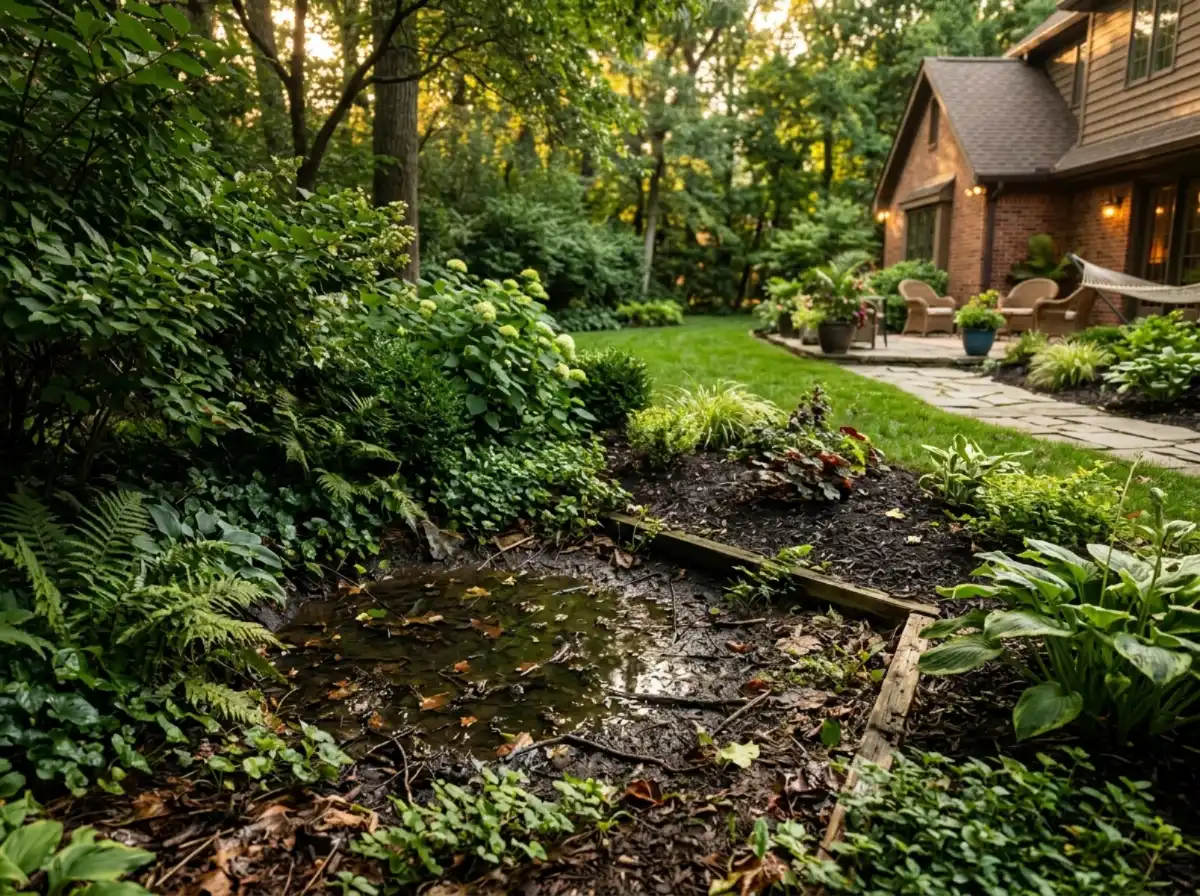
Damp corridor holding standing water for weeks and breeding the Culex that carry West Nile in Missouri.
The commercial & restaurant strip
Concentrated food service and waste handling supporting rodents, roaches and flies close to residential ground.
Chesterfield sits about 30 minutes west of downtown St. Louis in west St. Louis County, on the bluffs above the Missouri River bottoms known as the Chesterfield Valley.
See the whole state on our Missouri pest control page, the metro hub in Saint Louis, or the nearby towns we also cover: Florissant, Saint Charles, OFallon, Ballwin.
Services
The Pest Problems Chesterfield Calls About Most
Termite Control
One of the heaviest termite areas in the Midwest, and walk-out basements put finished wall against damp clay on the low side.
Rodent Control
Bluff woodland restocks squirrels and mice, while the valley retail strip supports Norway rats on commercial waste.
Spider Control
Missouri is core brown recluse range, and a large finished basement with stored boxes suits them as well as any cellar.
General Pest Control
Lone star ticks are a genuine Missouri concern, and the bluff woodland edge is exactly their habitat.
Ant Control
Standing dead timber on the bluff gives carpenter ants parent nests, with satellites in soffits and deck ledgers.
Mosquito Control
Valley floor damp and creek low ground hold standing water, breeding the Culex that carry West Nile.
Also available in Chesterfield: Cockroach Control · Bed Bug Treatment · Wasp Nest Removal · Yellow Jacket Removal · Flea Control · Fly Control
Common Questions
Chesterfield Pest Questions, Answered
Does a walk-out basement raise the termite risk?
How careful should we be about ticks on the bluff?
Something in the attic that moves at dusk.
Does the valley retail strip affect the neighbourhoods?
Recluse in a modern finished basement.
Speak to an Exterminator in Chesterfield
Tell us what you’re dealing with and we’ll connect you with an independent, licensed exterminator working in St. Louis County. Using PestAlly costs nothing and there is no obligation.
Call (888) 921-7764