
Pest Control in Omaha, NE
Connect With a Local Pro
Who Knows the River Corridor
PestAlly connects Omaha homeowners with independent, local
pest control pros who know Missouri River mosquito pressure, four
rotating seasonal threats and winter roaches.
In Omaha the River and the Season Decide What You’re Dealing With
Omaha’s pest year is shaped by two things: the Missouri River and four genuinely distinct seasons. The river corridor sustains elevated mosquito, tick and ant activity right through spring and summer, and river-adjacent habitat keeps rodent and wildlife populations going well beyond the warm months — so a property near the water is on a different schedule from one further inland. Around that, Nebraska’s seasons rotate the threat rather than simply raising and lowering it: ants and termites in spring, mosquitoes and wasps in summer, rodents in autumn, and cockroaches through winter. Brown recluse and wolf spiders are both established here, and mice and rats nest in insulation, wall cavities and basements across the city from autumn onward. PestAlly connects Omaha homeowners with independent, local pros who work to that rotation.
Get Connected With a Local Pro →
At a Glance
Service Area
Omaha, NE and surrounding Douglas and Sarpy County communities
Most Common Pests
Mice and rats, cockroaches, pavement and carpenter ants, brown recluse and wolf spiders, subterranean termites, mosquitoes, ticks
Peak Pest Season
Ants and termites spring, mosquitoes summer, rodents autumn, roaches winter
Response Time
Same-day and next-day appointments typically available
Omaha’s Year-Round Pest Calendar
Nebraska’s four seasons each bring a different pest, not just more of the same one.
Winter
Dec – FebWinter roach season; rodents nesting in insulation and wall voids
Deep winter — roaches and rodents indoors, termites below ground
Spring threat begins — ants and termites become active
Spring
Mar – MaySubterranean termite swarms begin across the metro
Ant trails expand; mosquito and tick activity climbs on the river
Summer threat begins — mosquitoes and wasps in earnest
Summer
Jun – AugPeak mosquito and tick season along the river corridor
Wasp colonies at full size; heaviest insect pressure of the year
Recluse sightings peak; wasps turn defensive
Fall
Sep – NovAutumn threat begins — rodents start moving indoors
Rodent entry attempts peak with the first hard freeze
Roach season returns; rodents settled in for the winter
One exception: Proximity to the Missouri River overrides the seasonal pattern. River-adjacent properties carry elevated mosquito, tick and ant pressure through spring and summer, and rodent and wildlife activity stays high well past the point where it drops off elsewhere in the city. Two Omaha homes on the same seasonal calendar can need genuinely different service intervals depending on how close the water is.
Services We Cover in Omaha
A Dundee or Benson older home, a river-adjacent property or a newer build out west — here’s what the local pros in our network handle.
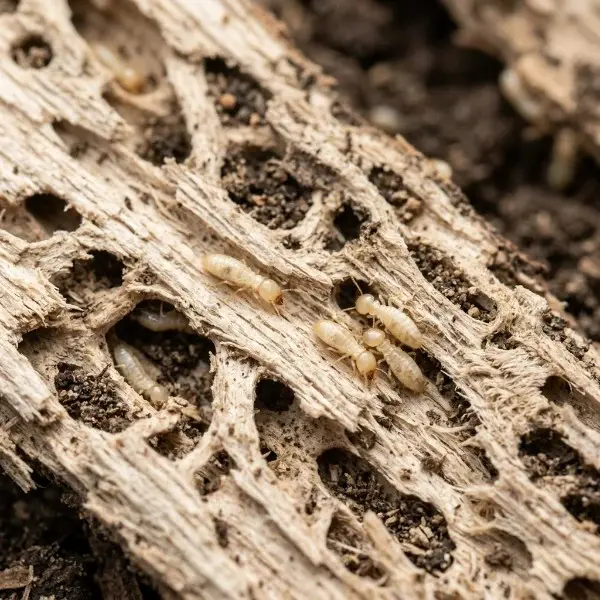
Termites
Subterranean termites are established across Omaha and spring is their main window.
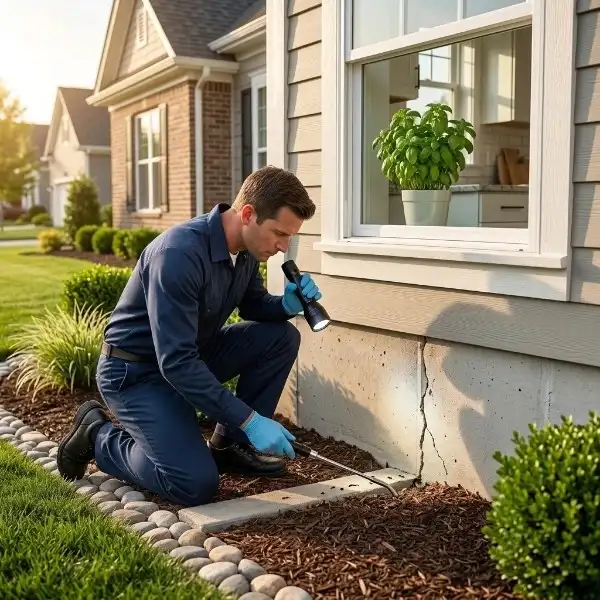
Ants
Pavement and carpenter ants are the main Omaha ant complaints, with river-corridor properties seeing elevated activity all spring and summer.
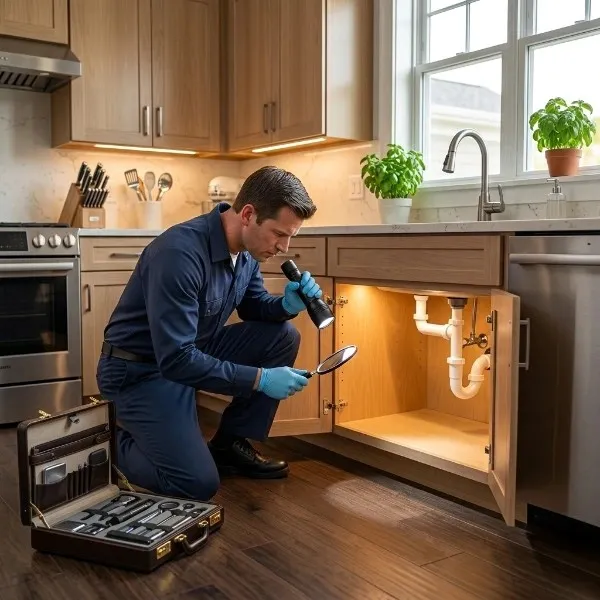
Roaches
Cockroaches are the defining Omaha winter pest, persisting in heated buildings and rebounding fast in multi-unit housing.
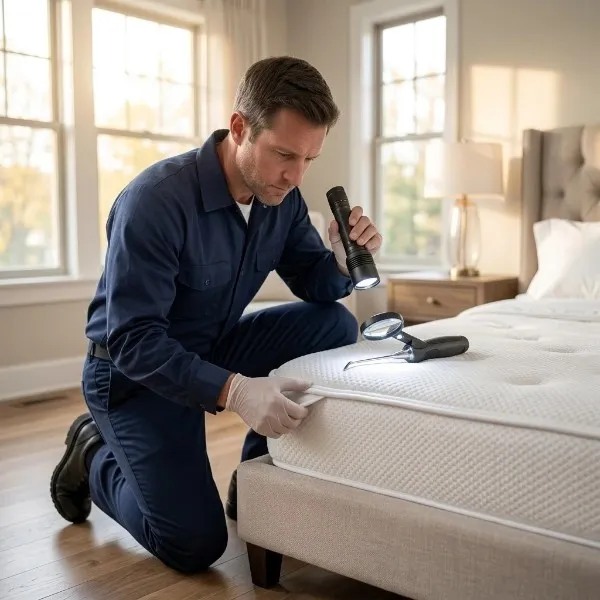
Bed Bugs
Steady travel and rental turnover through the metro keep bed bug cases active in Omaha all year.

Fleas
River-adjacent wildlife, pets and warm-season habitat keep flea and tick pressure alive through spring and summer.
Spiders
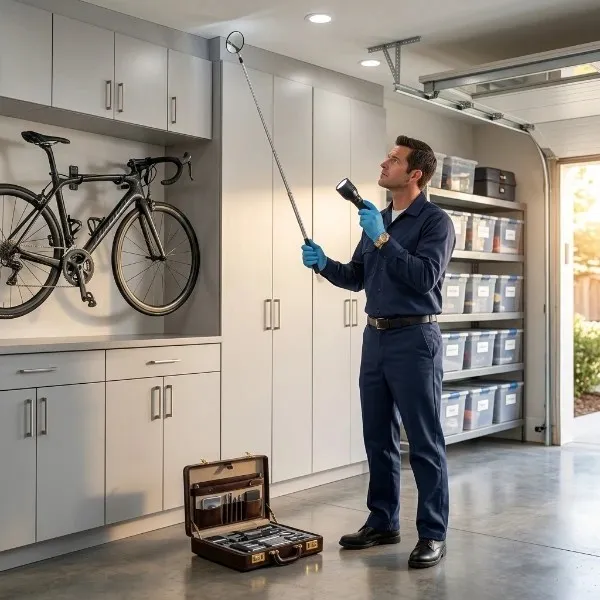
Brown recluse and wolf spiders are both established here, living in basements, closets, garages and undisturbed storage.
Yellow Jackets
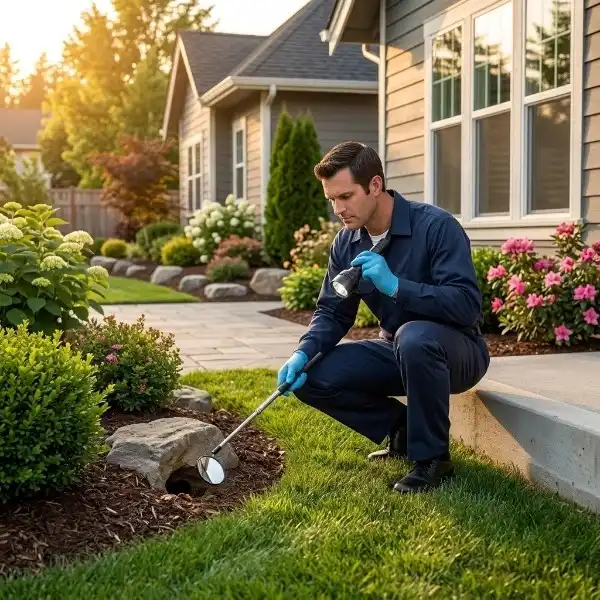
Yellow jackets build ground and void nests through summer and turn aggressive in late summer as their food runs short.

Wasps
Paper wasps build under eaves, decks, porches and outbuildings right through the Nebraska warm season.

Mosquitoes
The Missouri River corridor sustains elevated mosquito activity through spring and summer across the Omaha metro.

Flies
Drain and filth flies trace to a specific source — usually a floor drain or bin area — rather than needing the room treated.

General Insects
Boxelder bugs, stink bugs and lady beetles overwinter in wall voids and turn up on warm days, plus subterranean termite inspection referrals.

General Rodents
Mice and rats nest in insulation, wall cavities and basements across Omaha, particularly through autumn and winter.
Trusted by Homeowners Across the Country
Licensed & Insured
Every pro in the network carries current licensing and insurance.
Same-Day Service
Same-day and next-day appointments typically available.
100% Satisfaction Guarantee
If the pest comes back, your pro comes back — that is the standard.
Locally Trusted Experts
Independent pros who actually live and work in your area.
No Obligation to Book
Talk to a pro first. Nothing is committed until you say so.
Vetted Pro Network
We screen every contractor before they join the PestAlly network.
Most Common Pest Entry Points in Omaha Homes
Insulation and wall cavities are where Omaha mice and rats actually nest, which is why the damage is often found long after the entry point should have been.
Stored cardboard, boxes and clutter in basements and closets is where brown recluse live — harborage rather than an entry point, and the thing that matters most.
River-facing property lines carry elevated mosquito, tick, rodent and wildlife pressure that doesn’t drop off the way it does further inland.
Worn garage door thresholds are among the most common rodent entries on a Nebraska home, and the garage connects directly to the living space.
Sill plate gaps, basement window wells and utility penetrations are where mice get in once the autumn cold pushes them to look.
Why Omaha Homes Deal With These Pests Specifically
Two Nebraska realities change how treatment has to work here — one about the seasons, one about the river.
Each Nebraska season brings a genuinely different threat
Nebraska’s four distinct seasons each bring a different pest pressure rather than more of the same one — ants and termites in spring, mosquitoes and wasps in summer, rodents in autumn, and cockroaches through the winter.
Booking a single annual visit. With four genuinely different seasonal threats, one treatment lands in the right window for one of them and the wrong window for the other three.
The Missouri River corridor keeps pressure elevated
The Missouri River corridor keeps mosquito, tick and ant activity elevated through spring and summer, and river-adjacent habitat sustains rodent and wildlife populations well beyond the warm months.
Assuming a riverside property needs the same schedule as an inland one. The habitat next to the water keeps resupplying, so the interval there generally has to be tighter.

What to Expect From a Local Pro’s Visit
Every Omaha property is different, but the sequence stays the same — your local pro reads how close you are to the river and which season you’re in.
Inspect
Full inspection: insulation and wall cavities, basement and closet storage, river-facing boundary, garage threshold and sill plate.
→Identify
Confirming the species, since rodent exclusion, brown recluse work and termite treatment are three different jobs.
→Treat
Matched to the finding: rodent trapping and exclusion, recluse harborage reduction, termite baiting or liquid barrier, or mosquito source reduction.
→Seal
Sealing the garage threshold, sill plate gaps and basement entries, and reducing the harborage recluse and rodents are using.
→Follow Up
Ongoing service across all four seasons, with a tighter interval on river-adjacent properties.
→How PestAlly Works in Omaha
PestAlly doesn’t perform the pest control ourselves — we connect you with vetted, independent local professionals who do.
Get Started →Tell us what’s going on
The pest, and roughly where in the Omaha area you’re located.
We match you with an independent, local pro
Someone who services your specific neighborhood.
You deal directly with that contractor
Pricing, scheduling, and the work itself are between you and them.
Frequently Asked Questions
How worried should I be about brown recluse in Omaha?⌄
Take it seriously. Brown recluse are established in Omaha alongside wolf spiders, and they turn up in basements, closets, garages and storage. They aren’t aggressive, but a bite can cause a serious wound, so the sensible response is to reduce indoor harborage and get the property assessed.
Why doesn’t a perimeter spray help with brown recluse?⌄
Because they’re indoor spiders, not yard spiders. Perimeter spraying targets species that come in from outside; brown recluse live permanently in undisturbed indoor spaces. Reducing clutter and cardboard storage, sealing boxes and monitoring is what actually lowers the population.
Do I really have termite risk in Omaha?⌄
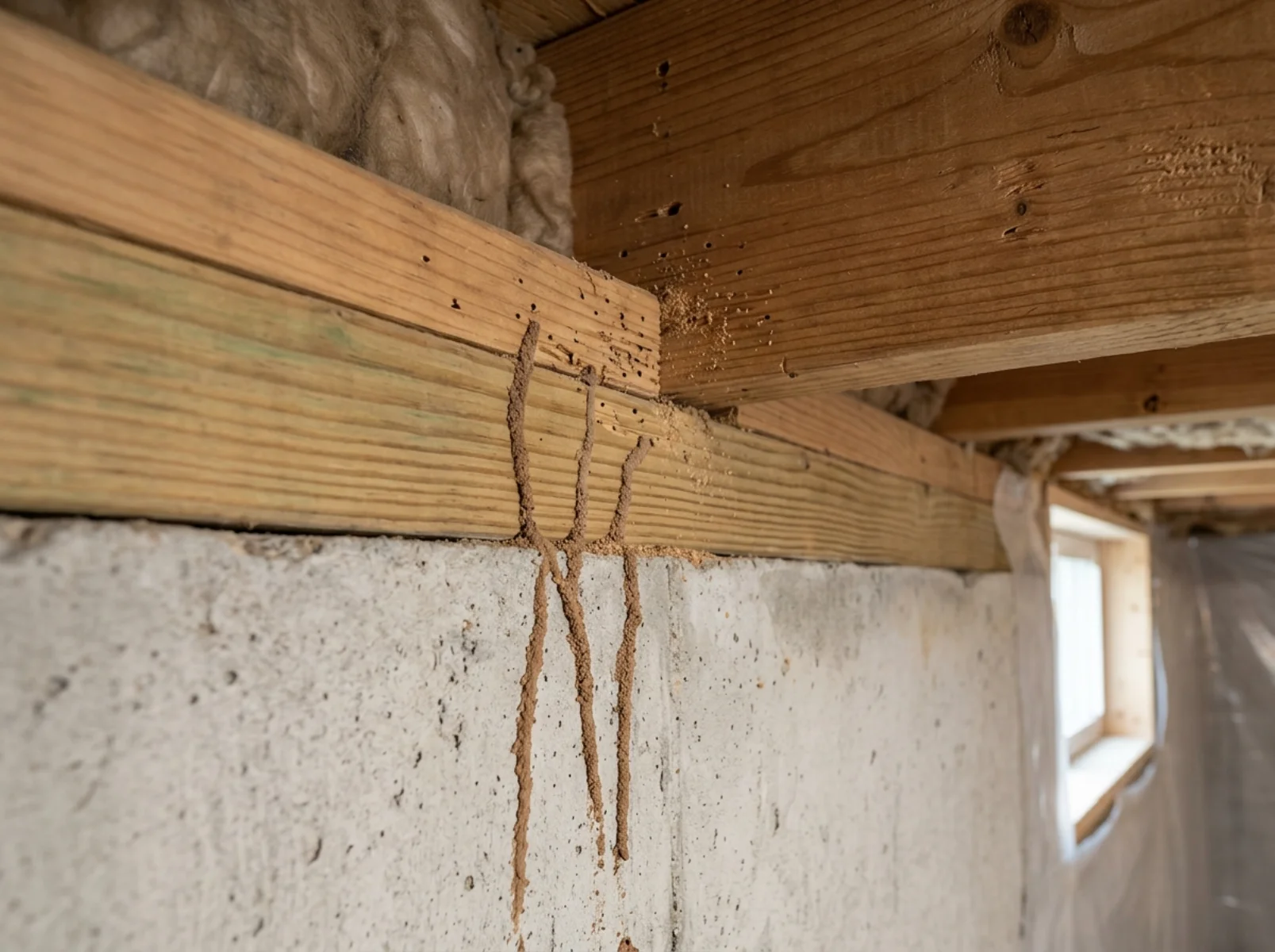
Yes. Subterranean termites are established across Omaha and spring is their main window. They work hidden in the soil and the first sign is usually a mud tube on the foundation, so scheduled inspection matters more than watching for signs.
Do I need pest control through a Nebraska winter?⌄
Yes — winter here is roach and rodent season. Outdoor insect activity stops, but cockroaches are the defining winter problem in Omaha, mice and rats are nesting in insulation and wall cavities, and overwintering boxelder bugs and lady beetles turn up on warm days.
Does PestAlly serve my specific Omaha neighborhood?⌄
PestAlly connects homeowners throughout Omaha and the surrounding metro, including Dundee, Benson, Aksarben, Millard, Florence and Little Bohemia, plus Bellevue, Papillion, La Vista, Elkhorn and Gretna. ZIP codes we cover in Omaha include 68104, 68105, 68114, 68116, 68124, 68132, 68134 and 68144.
Get Connected With a Local Omaha Pest Control Pro
Whether it’s mosquitoes off the river, a recluse in the basement, or mice in the insulation come October, PestAlly connects you with an independent, local pro who knows what Omaha homes are actually up against.
Looking beyond Omaha? See every Nebraska city we cover →