
Pest Control in New York, NY
Connect With a Local Pro
Who Knows Pre-War Buildings
PestAlly connects New York homeowners, boards and landlords with independent,
local pest control pros who know shared risers and chases, subway-line
Norway rats and buildings that never cool down.
In New York the Building Envelope Decides Everything
New York’s pest problem is a building problem before it is anything else. So much of the housing stock predates 1940 that an infestation in one apartment is almost never contained to one apartment — shared walls, chases and risers let German cockroaches and bed bugs travel between units unless the treatment addresses the whole building envelope. Outside, Norway rats work the sewer lines, subway corridors and brownstone back yards across Manhattan, Brooklyn and the Bronx, burrowing at ground level and doing most of the city’s rat-related structural damage. House mice get in through gaps as small as six millimetres and are the dominant rodent inside apartments. And because heated buildings stay warm all winter, none of it dies back seasonally. PestAlly connects New York homeowners, co-op boards and landlords with independent, local pros who work on city buildings.
Get Connected With a Local Pro →
At a Glance
Service Area
New York, NY and surrounding boroughs
Most Common Pests
Norway rats, house mice, German cockroaches, bed bugs, pavement ants, pharaoh ants
Peak Pest Season
All twelve months — heated buildings mean nothing dies back
Response Time
Same-day and next-day appointments typically available
New York’s Year-Round Pest Calendar
Heated New York buildings stay warm all winter, so almost nothing here has an off-season.
Winter
Dec – FebPeak indoor rodent season; roaches thriving in heated buildings
Deep winter — rats keep working sewers and subway corridors
Thaw exposes new burrows in back yards and around bins
Spring
Mar – MayAnt activity resumes; pharaoh ants active in heated buildings
Bed bug calls climb as the moving season begins
Rats breed hard in warm weather; ant trails expand indoors
Summer
Jun – AugPeak rat activity in back yards, bins and subway corridors
Bed bug cases spike with the summer move and travel season
Bed bug complaints peak as travel infestations come home
Fall
Sep – NovRodents start testing buildings as nights cool
Rodent entry attempts peak with the first hard freeze
Rats, mice and roaches carry on — heated buildings never cool
One exception: Because heated buildings stay warm all winter, rats, mice and roaches stay active across all twelve months here rather than dying back. The one thing that does follow a calendar is bed bugs — complaints spike after the summer travel season, when infestations come home in luggage. Everything else in a New York building runs at more or less the same level year-round.
Services We Cover in New York
A pre-war walk-up, a co-op, a brownstone or a modern high-rise — here’s what the local pros in our network handle.
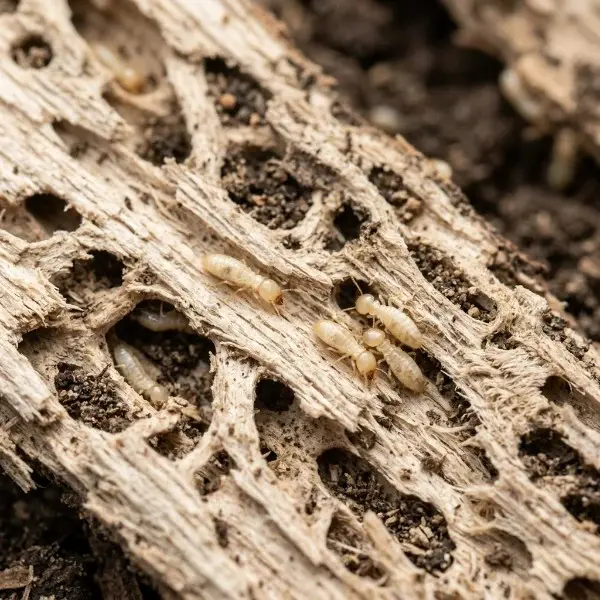
Termites
A New York termite inspection starts at the foundation line and the crawl space, where mud tubes and damaged sill plates turn up long before anything shows indoors.
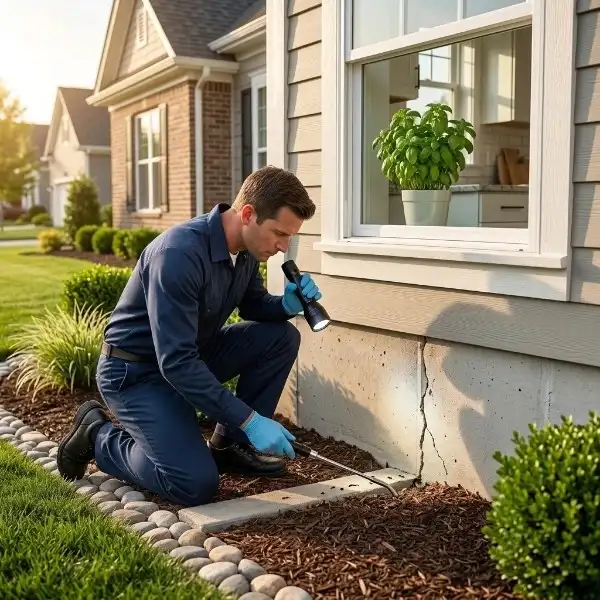
Ants
Pavement ants and pharaoh ants are the year-round New York ants, and pharaoh ants in particular thrive in heated multi-unit buildings.
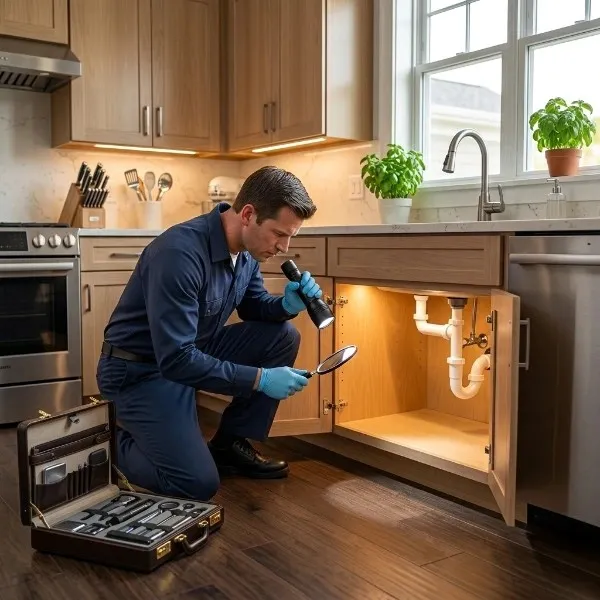
Roaches
German cockroaches spread building-to-building through the shared walls of pre-war apartments and tenements, rebounding fast without follow-up.
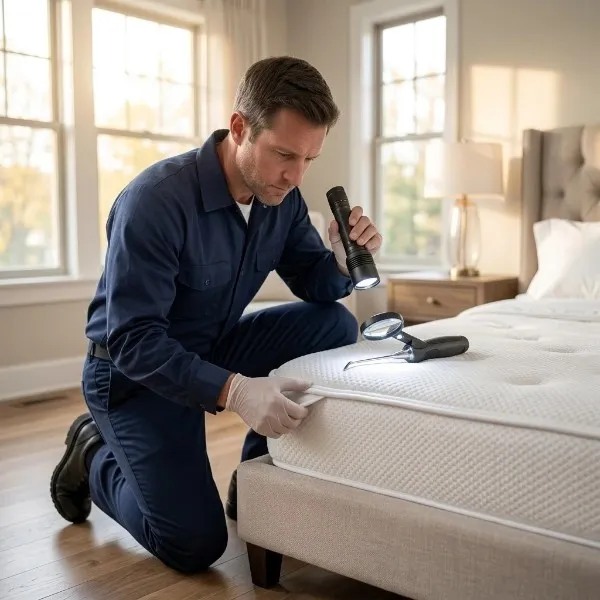
Bed Bugs
Dense apartment stock and constant turnover keep bed bugs circulating between New York units all year, with a spike after summer travel.

Fleas
Urban wildlife and pets keep flea pressure alive through the warm months, especially in buildings with shared basements and back yards.
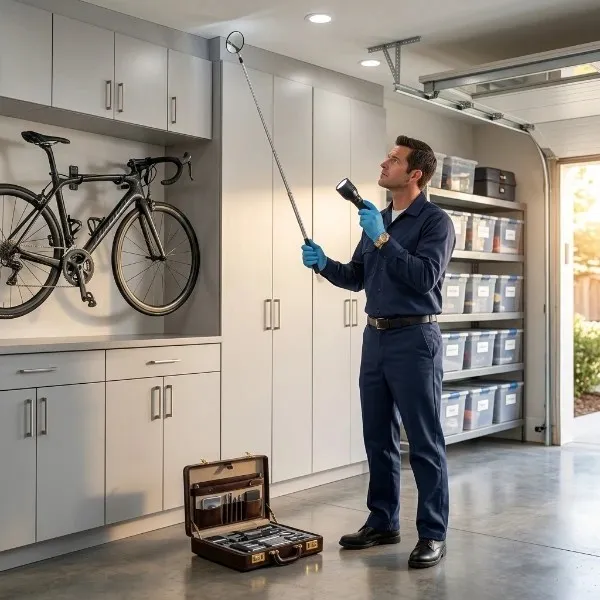
Spiders
Cellar spiders and house spiders use basements, storage rooms, boiler rooms and back yards across the city.
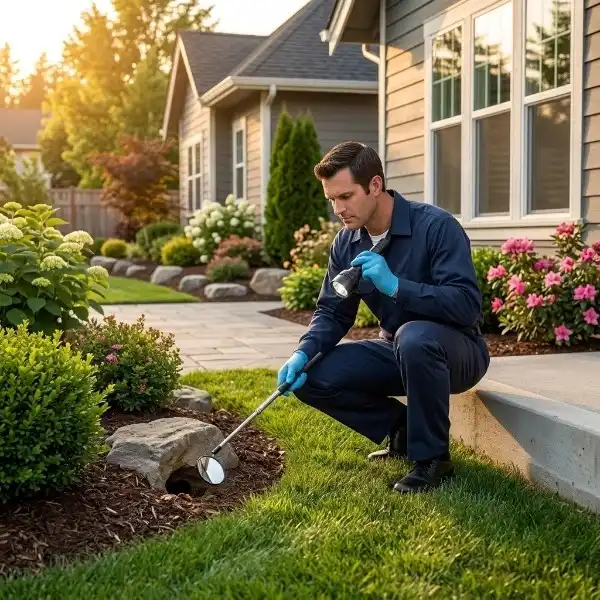
Yellow Jackets
Yellow jackets build ground and void nests through summer and turn defensive fast around back yards, bins and roof decks.

Wasps
Paper wasps build under cornices, fire escapes, roof decks and back-yard structures right through the warm season.

Mosquitoes
Standing water in back yards, roof drains and gutters supports a real if short mosquito season, with West Nile virus present in New York.

Flies
Drain and filth flies trace to a specific source — usually a floor drain, compactor room or grease line — rather than needing the room treated.
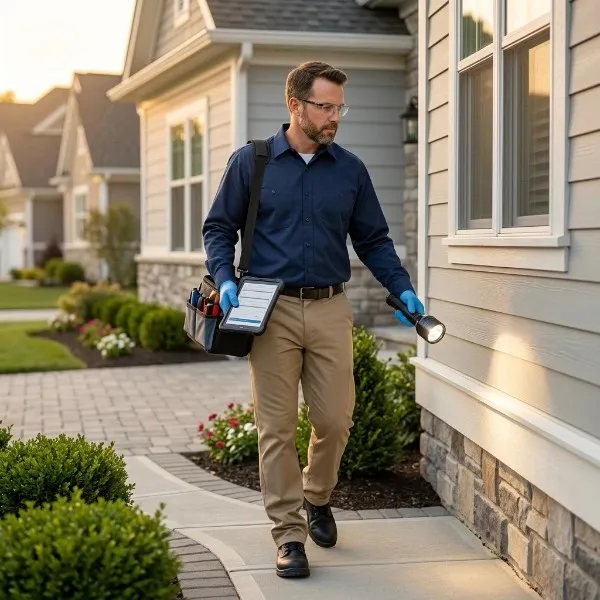
General Insects
Silverfish, pantry pests and carpet beetles are common in older New York buildings, alongside seasonal invaders in wall voids.
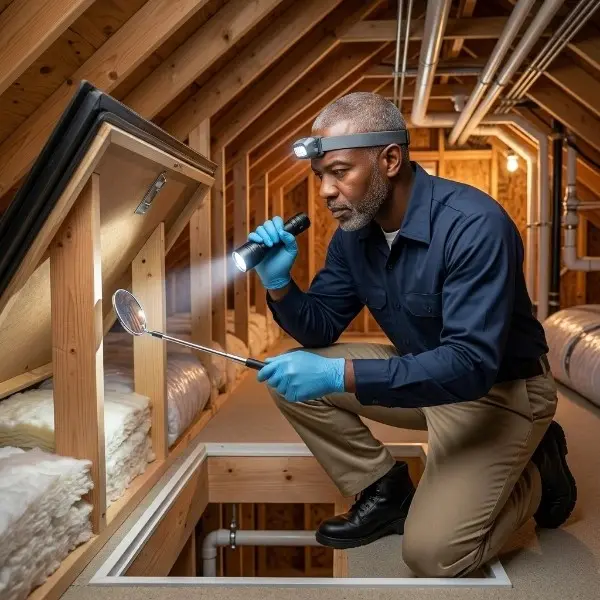
General Rodents
Norway rats are the defining New York pest, working sewer lines, subway corridors and brownstone back yards, with house mice indoors all year.
Trusted by Homeowners Across the Country
Licensed & Insured
Every pro in the network carries current licensing and insurance.
Same-Day Service
Same-day and next-day appointments typically available.
100% Satisfaction Guarantee
If the pest comes back, your pro comes back — that is the standard.
Locally Trusted Experts
Independent pros who actually live and work in your area.
No Obligation to Book
Talk to a pro first. Nothing is committed until you say so.
Vetted Pro Network
We screen every contractor before they join the PestAlly network.

Most Common Pest Entry Points in New York Apartments
Basements, boiler rooms and compactor rooms are the defining New York entry point — German roaches and bed bugs move between apartments without ever going outside.
A house mouse gets through a gap as small as six millimetres, and in an apartment those gaps are around pipes, radiators, under sinks and along baseboards.
Norway rats burrow at ground level in brownstone back yards and around bin areas, then enter through gaps at grade and around utility penetrations.
Basements, boiler rooms and compactor rooms are where building-wide rodent and roach populations actually live, and they feed the units above.
Sewer lines and subway corridors are the city-scale harborage, which is why block-level rat pressure isn’t something one building can fully solve alone.
Why New York Buildings Deal With These Pests Specifically
Two New York realities change how treatment has to work here — one about the building, one about the block.
Pre-1940 buildings let everything move unit to unit
With so much New York housing predating 1940, an infestation in one unit is rarely contained to one unit. Shared walls, chases and risers mean German roaches and bed bugs travel between apartments unless the treatment addresses the whole building envelope.
Treating a single apartment. In a pre-war building that usually just relocates the population next door and back again — the work has to be building-wide to hold.
Norway rats own the sewers, subways and back yards
Norway rats dominate New York’s sewer and subway infrastructure. Adults weigh between 250 and 500 grams, they burrow at ground level, and they’re responsible for most of the rat-related structural damage in the city.
Focusing on the interior. Rat work in New York has to address the burrow, the back yard and the bin area — the population belongs to the block, not to the building.

What to Expect From a Local Pro’s Visit
Every New York building is different, but the sequence stays the same — your local pro starts at the shared walls and the back yard, because in this city that’s where it begins.
Inspect
Full inspection: shared walls and risers, pipe and baseboard gaps, basement and compactor room, back yard and bin area.
→Identify
Confirming the species, since Norway rat exclusion, German roach control and bed bug treatment are three completely different jobs.
→Treat
Matched to the finding: rodent baiting and burrow work, building-wide roach treatment, bed bug heat or chemical work, or perimeter treatment.
→Seal
Sealing risers and chases, closing pipe and baseboard gaps, and clearing back-yard and bin-area harborage.
→Follow Up
Ongoing service year-round — heated New York buildings never cool down, so nothing here has an off-season.
→How PestAlly Works in New York
PestAlly doesn’t perform the pest control ourselves — we connect you with vetted, independent local professionals who do.
Get Started →Tell us what’s going on
The pest, and roughly where in the New York area you’re located.
We match you with an independent, local pro
Someone who services your specific neighborhood.
You deal directly with that contractor
Pricing, scheduling, and the work itself are between you and them.
Frequently Asked Questions
Why do rats keep coming back to my building?⌄
Because the population belongs to the block. Norway rats work the sewer lines, subway corridors and brownstone back yards, burrowing at ground level, so sealing and baiting one building helps but the surrounding harborage keeps resupplying it.
Why do roaches keep coming back after treatment?⌄
Almost certainly German cockroaches. They spread building-to-building through the shared walls of pre-war apartments and tenements, breed indoors and rebound fast. A single treatment in one unit rarely reaches every harborage — follow-up and building-wide work is what breaks the cycle.
How are mice getting into my apartment?⌄
A house mouse enters through gaps as small as six millimetres, and it’s the dominant rodent pest inside New York apartments. Those gaps are usually around pipes, radiators, under sinks and along baseboards — sealing them matters more than trapping does.
Do I need pest control through a New York winter?⌄
Yes. Heated New York buildings stay warm all winter, so rats, mice and roaches remain active across all twelve months rather than dying back. Winter is when the indoor work matters most, not least.
Does PestAlly serve my specific New York neighborhood?⌄
PestAlly connects homeowners, co-op boards and landlords throughout Manhattan, including the Upper West Side, Upper East Side, Harlem, Chelsea, the East Village and Washington Heights, plus Brooklyn, the Bronx, Staten Island, Jamaica and Flushing. ZIP codes we cover in Manhattan include 10002, 10011, 10019, 10024, 10027, 10029, 10032 and 10128.
Get Connected With a Local New York Pest Control Pro
Whether it’s a burrow in the back yard, roaches coming through the shared wall, or bed bugs after the summer travel season, PestAlly connects you with an independent, local pro who knows what New York buildings are actually up against.
Looking beyond New York? See every New York city we cover →