
Pest Control in Broken Arrow, OK
Connect With a Local Pro Who Knows Tulsa County
Broken Arrow is the biggest suburb in the Tulsa metro and has grown outward across farmland for decades, from an older rail-town centre and Rose District out to subdivisions on the eastern edge. Eastern Oklahoma is wetter and more wooded than the centre of the state, and that changes the pest list noticeably from Oklahoma City. PestAlly is a free service connecting Broken Arrow homeowners with independent, licensed local pest control pros working Tulsa County.
Call (888) 921-7764Speak to a Local ProWhy Broken Arrow
Why Broken Arrow Homes Get Hit Harder Than Most
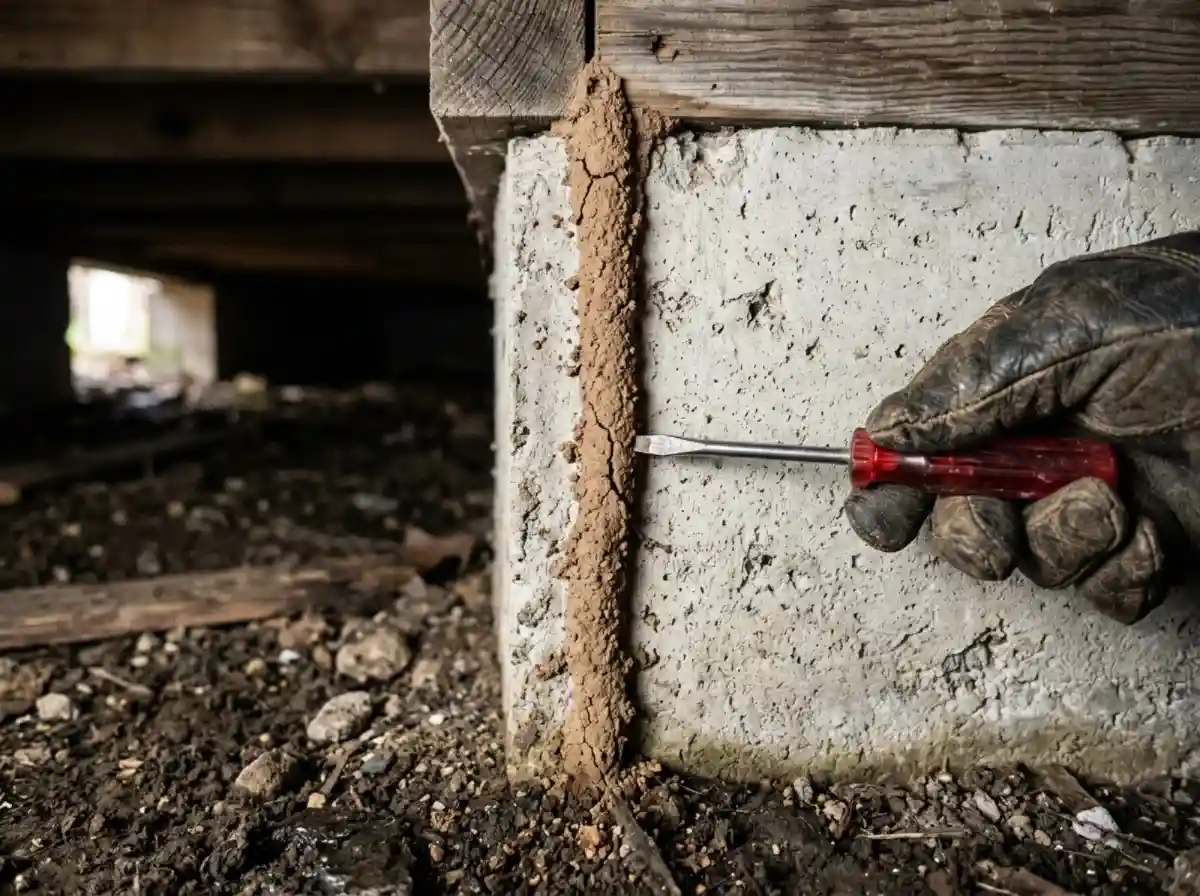
Eastern Oklahoma carries the heaviest termite pressure in the state. Higher rainfall, more woodland and heavy clay that holds water against foundations give eastern subterranean termites better conditions here than in the drier west, and slab-on-grade construction hides their access at the slab edge, at expansion joints and behind porches and patios. A wood-destroying insect report matters more in this half of Oklahoma than most homeowners assume.
The rest is the eastern Oklahoma mix. Brown recluse spiders are common and live indoors year-round in undisturbed storage; lone star ticks and chiggers are heavy in the wooded creek corridors and old fence lines, in a state reporting some of the highest tickborne disease rates in the country; and the Arkansas River bottomland and neighbourhood ponds hold standing water that keeps mosquito pressure up right through a long, humid summer.

Seasonal Activity
What’s Active in Broken Arrow, and When
Spring · Mar–May
Termite swarms after warm rain, ticks and chiggers emerging, and ants pushing through slab joints.
Summer · Jun–Aug
Long humid heat with heavy mosquito pressure, ticks at their peak, and scorpions active at night.
Fall · Sep–Oct
Cricket swarms under lights, recluse sightings rising indoors, and mice moving in from field margins.
Winter · Nov–Feb
Recluse active in heated storage, mice in garages and wall voids, and termites still working damp clay.
Coverage
Areas We Cover in Broken Arrow
The older rail-town centre & Rose District
Early timber and brick with shared voids, taking direct termite and rodent pressure.
The wooded creek corridors
Shaded damp ground heavy with lone star ticks and chiggers right against back gardens.
The eastern subdivisions on farmland
Cleared ground with buried timber giving termite colonies a site beside new slabs.
The Arkansas River bottomland
Standing water and humidity keeping mosquito production high through a long summer.
The garages, sheds & storage rooms
Undisturbed boxes and clutter where brown recluse populations quietly build up.
Broken Arrow sits south-east of Tulsa in Tulsa and Wagoner counties, the largest suburb in the metro, spread across former farmland between the Arkansas River and the Ozark foothills.
See the whole state on our Oklahoma pest control page, the metro hub in Tulsa, or the nearby towns we also cover: Owasso, Jenks, Bixby, Sand Springs.
Services
The Pest Problems Broken Arrow Calls About Most
Termite Control
Eastern Oklahoma carries the state’s heaviest subterranean pressure, and slab edges hide the access.
Spider Control
Brown recluse live indoors year-round here, and undisturbed storage is where the population builds.
General Pest Control
Lone star ticks and chiggers fill the creek corridors, and Oklahoma tickborne rates are among the highest.
Mosquito Control
River bottomland, ponds and long humid summers keep pressure high well past container control alone.
Ant Control
Clay that shrinks in the heat opens slab joints and patio edges straight into the house.
Rodent Control
Field margins push mice in each autumn, and slab gaps and garage thresholds are the usual entry.
Also available in Broken Arrow: Cockroach Control · Wasp Nest Removal · Yellow Jacket Removal · Bed Bug Treatment · Flea Control · Fly Control
Common Questions
Broken Arrow Pest Questions, Answered
Is termite risk really worse on this side of the state?
What does a termite inspector look at on a slab house?
Chiggers after mowing the back fence line.
Brown recluse in the garage.
Mosquitoes seem worse here than in Oklahoma City.
Speak to an Exterminator in Broken Arrow
Tell us on the call what you’re dealing with and we’ll connect you with an independent, licensed exterminator working in Tulsa County. Using PestAlly costs nothing and there is no obligation.
Call (888) 921-7764