
Pest Control in Junction City, OR
Connect With a Local Pro Who Knows Lane County
Junction City sits in the flat middle of the Willamette Valley, surrounded by grass seed fields, mint and vegetable ground — this valley grows a large share of the world’s cool-season grass seed — with Danish heritage in the town centre and substantial RV manufacturing plants on the edge. Farm country and industrial plants in one small town. PestAlly is a free service connecting Junction City homeowners with independent, licensed local pest control pros working Lane County.
Call (888) 921-7764Speak to a Local ProWhy Junction City
Why Junction City Homes Get Hit Harder Than Most
Grass seed harvest is the local event that moves rodents. Fields are cut and baled across large acreages in mid to late summer, and the field mice and voles living in them lose cover within days and move into the nearest buildings, sheds and plants. Seed storage and straw stacks then hold them through the winter. Voles also work irrigated lawns and orchards, girdling young trees and shrubs in a way people usually blame on something else.
Wet valley conditions supply the structural side. Flat ground, a high winter water table and seven months of rain keep crawl spaces damp, which is what carpenter ants and Pacific dampwood termites need, since both follow wood that is already wet rather than travelling from dry soil. Blackberry along ditches and field margins gives rats permanent harbourage, and yellowjackets turn aggressive around fruit and bins from August.

Seasonal Activity
What’s Active in Junction City, and When
Spring · Mar–May
Carpenter ant swarmers indoors, voles working lawns and young trees, and crawl spaces still wet.
Summer · Jun–Aug
Grass seed harvest pushing mice and voles into buildings, and yellowjacket colonies growing fast.
Fall · Sep–Nov
Peak yellowjacket aggression, dampwood swarms at dusk, and rodents settling in as rain returns.
Winter · Dec–Feb
Rodents in straw and seed storage, and damp crawl spaces feeding rot and moisture ants.
Coverage
Areas We Cover in Junction City
The grass seed fields
Cut and baled across large acreages in summer, sending mice and voles into the nearest buildings.
The seed and straw storage
Stacked straw and stored seed holding rodents right through the wet winter.
The RV manufacturing plants
Large buildings, loading areas and stored materials giving rodents harbourage close to housing.
The ditches and field margins
Blackberry and rough cover along drains, giving rats permanent and uninspectable harbourage.
The older town housing
Crawl-space construction on flat ground with a high winter water table, staying damp for months.
Junction City sits north of Eugene in Lane County, a Danish heritage farm town in the middle of the Willamette Valley grass seed country, with large RV manufacturing plants alongside.
See the whole state on our Oregon pest control page, the metro hub in Eugene, or the nearby towns we also cover: Springfield, Creswell, Cottage Grove, Veneta.
Services
The Pest Problems Junction City Calls About Most
Rodent Control
Seed harvest sends mice and voles into buildings within days, and straw storage keeps them all winter.
Ant Control
Carpenter ants follow damp framing, which flat valley ground and a wet winter reliably produce.
Yellow Jacket Removal
Colonies peak in late summer and turn aggressive around fruit, bins and outdoor work areas.
Termite Control
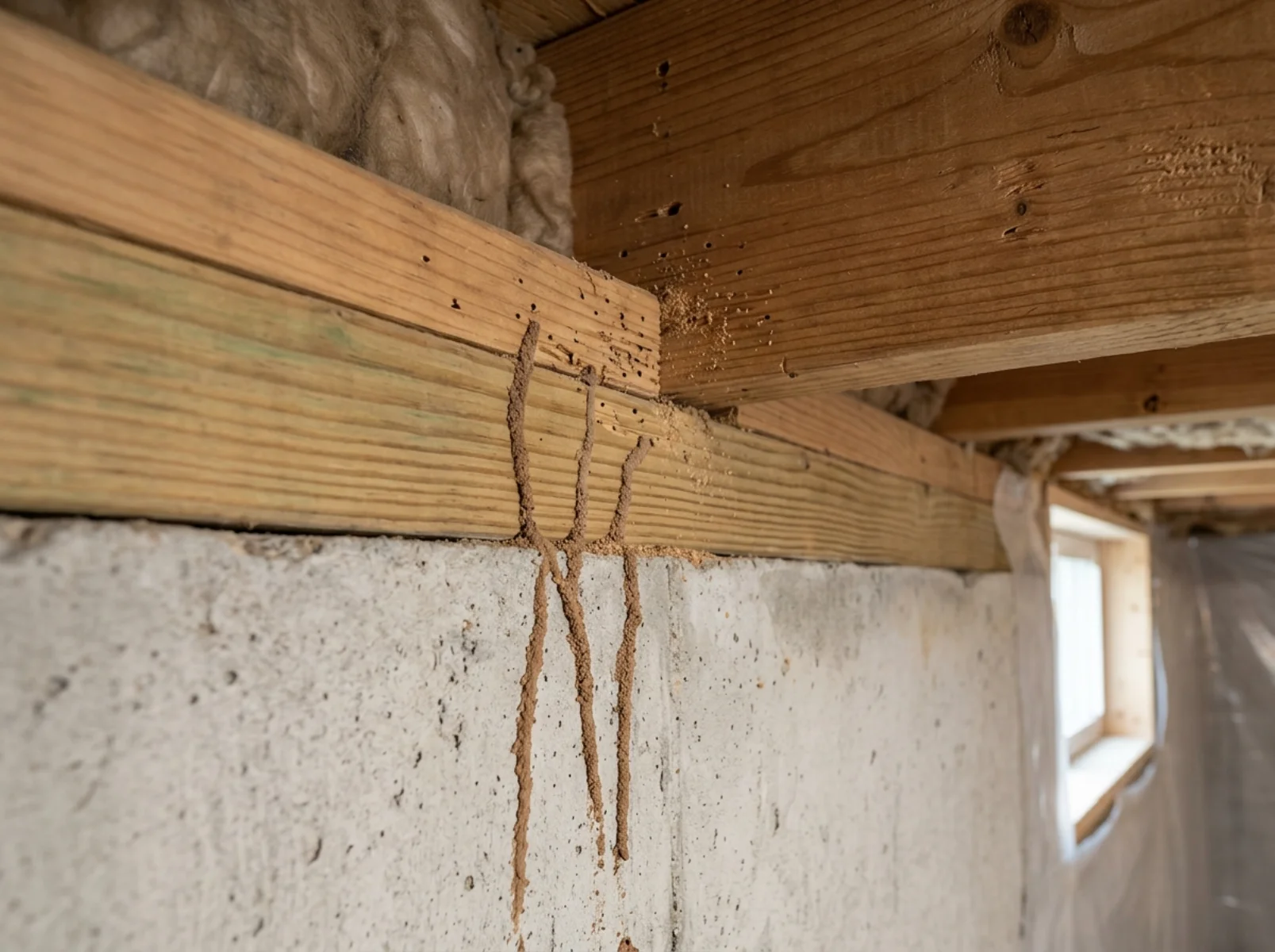
Pacific dampwood termites attack wood that is already wet, so they flag a moisture problem.
General Pest Control
Wet winters bring moisture ants, silverfish and springtails, and voles damage lawns and young trees.
Spider Control
Damp crawl spaces, barns and outbuildings give spiders shelter and a steady supply of prey.
Also available in Junction City: Wasp Nest Removal · Fly Control · Cockroach Control · Bed Bug Treatment · Flea Control · Mosquito Control
Common Questions
Junction City Pest Questions, Answered
Mice arrive as soon as the seed fields are cut.
Something is killing young trees and shrubs at the base.
Straw stacks near the house.
Damp crawl space on flat ground.
Do we get the same termites as the southern states?
Speak to an Exterminator in Junction City
Tell us on the call what you’re dealing with and we’ll connect you with an independent, licensed exterminator working in Lane County. Using PestAlly costs nothing and there is no obligation.
Call (888) 921-7764