
Pest Control in McKeesport, PA
Connect With a Local Pro Who Knows Allegheny County
McKeesport sits at the confluence of the Youghiogheny and the Monongahela, and it was once one of the largest steel towns in the country. The mills closed, the population fell by more than half, and what remains is a city of steep hillside streets, Victorian and early 1900s housing, and a great deal of vacant and demolished property between the occupied houses. PestAlly is a free service connecting McKeesport homeowners with independent, licensed local pest control pros working Allegheny County.
Call (888) 921-7764Speak to a Local ProWhy McKeesport
Why McKeesport Homes Get Hit Harder Than Most
Vacancy is the factor that changes everything here. An empty or half-demolished house next door is a reservoir nobody manages — no one runs the sump, cuts the yard, closes the bins or notices a rat burrow — and the population it supports forages straight into the occupied houses either side. That is why exclusion and harbourage work at your own wall carries more weight in McKeesport than treatment volume: you are managing a boundary, not clearing a source you control.
Old fabric and river valley conditions supply the rest. Century-old stone and brick cellars with soft mortar, coal chutes and original laterals give rodents entry at points modern buildings do not have, and steep hillside lots push groundwater toward foundation walls. The Mon and Yough corridors hold standing water and dense cover, western Pennsylvania winters drive stink bugs and cluster flies into wall voids, and Pennsylvania leads the country in Lyme cases.

Seasonal Activity
What’s Active in McKeesport, and When
Spring · Mar–May
Rat burrows reopening on vacant lots, termite swarms after rain, and ticks emerging on the hillsides.
Summer · Jun–Aug
Overgrown vacant yards giving cover next door, and mosquitoes off the river bottomland.
Fall · Sep–Nov
Stink bugs and cluster flies on sunlit walls, and rodents moving into cellars as nights cool.
Winter · Dec–Feb
Mice in old wall voids and cellars, and rats holding on in unheated vacant buildings.
Coverage
Areas We Cover in McKeesport
The vacant and demolished lots
Unmanaged buildings and overgrown ground acting as reservoirs beside occupied houses.
The century-old stone cellars
Soft mortar, coal chutes and original laterals giving rodents entry modern buildings do not have.
The steep hillside streets
Groundwater moving toward foundation walls rather than away from them.
The Mon and Yough corridors
River bottomland and dense margins holding standing water and carrying wildlife in.
The sunlit south and west walls
Where stink bugs and cluster flies gather each autumn before entering wall voids.
McKeesport sits south-east of Pittsburgh where the Youghiogheny joins the Monongahela, a Mon Valley steel city that lost most of its population and much of its housing stock.
See the whole state on our Pennsylvania pest control page, the metro hub in Pittsburgh, or the nearby towns we also cover: West Mifflin, Monroeville, Bethel Park, Cranberry Township.
Services
The Pest Problems McKeesport Calls About Most
Rodent Control
Vacant property next door is an unmanaged reservoir, so exclusion at your own wall decides it.
General Pest Control
Stink bugs and cluster flies invade every autumn, and hillside brush holds Lyme-carrying ticks.
Termite Control
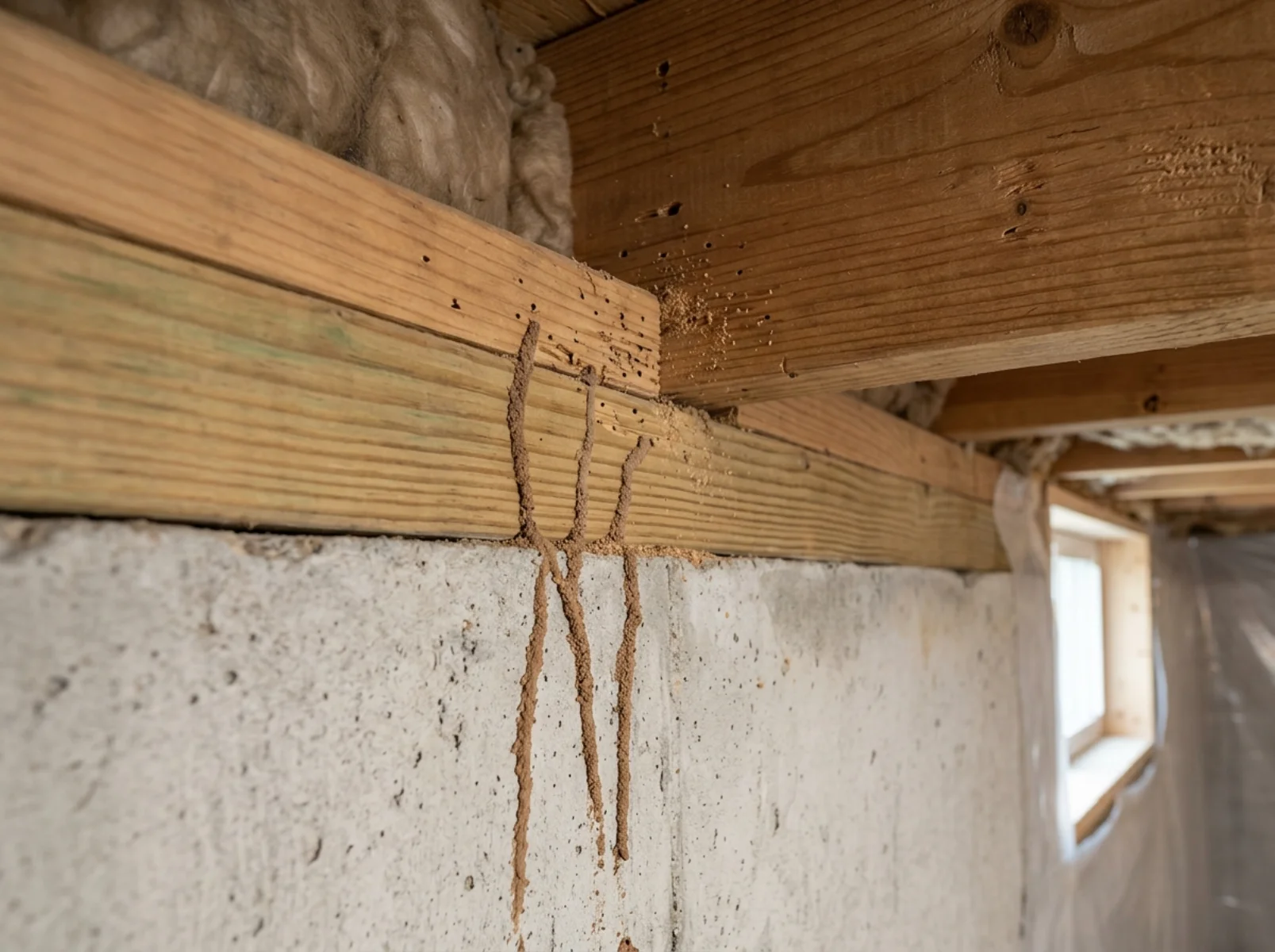
Subterranean colonies reach sill timber through gaps in ageing stonework nobody can see into.
Ant Control
Carpenter ants follow timber kept damp by hillside drainage and century-old guttering.
Cockroach Control
Older attached and divided housing lets German roaches move between adjoining units.
Mosquito Control
River bottomland and overgrown vacant ground hold water and give adults daytime cover.
Also available in McKeesport: Spider Control · Wasp Nest Removal · Yellow Jacket Removal · Bed Bug Treatment · Flea Control · Fly Control
Common Questions
McKeesport Pest Questions, Answered
The empty house next door is the problem. What can we do?
Rats in the yard for the first time.
Water pushing into a hillside cellar.
Do stone cellars get termites?
Stink bugs and flies indoors on warm winter days.
Speak to an Exterminator in McKeesport
Tell us on the call what you’re dealing with and we’ll connect you with an independent, licensed exterminator working in Allegheny County. Using PestAlly costs nothing and there is no obligation.
Call (888) 921-7764