
Pest Control in Washington, DC
Connect With a Local Pro
Who Knows Rowhouse Work
PestAlly connects Washington DC homeowners with independent,
local pest control pros who know why older neighbourhoods carry higher
termite risk and what a District summer brings.
Washington DC Is a Rowhouse City With a Rat Problem It Talks About Openly
Washington has one of the most publicly discussed rodent problems of any American city, and the reason is structural rather than accidental. This is a dense rowhouse capital where alleys run behind almost every block, where restaurant and residential waste sits within a few metres of back doors, and where the housing stock is old enough that foundations have settled and mortar has opened. Norway rats and house mice have food, cover and entry all within the same city block. The same attached construction lets German cockroaches, mice and bed bugs move between addresses through shared walls without ever going outdoors. Outside, the Asian tiger mosquito is the summer problem — a daytime biter that breeds in containers in your own yard rather than in a marsh, and rarely travels far from where it hatched. PestAlly connects Washington homeowners with independent, local pros who know rowhouse work.
Get Connected With a Local Pro →
At a Glance
Service Area
Washington, DC and the surrounding District communities
Most Common Pests
Norway rats and house mice, German cockroaches, bed bugs, Asian tiger mosquitoes, subterranean termites, stink bugs, ants, spiders
Peak Pest Season
Rats and roaches year-round; tiger mosquitoes through the summer
Response Time
Same-day and next-day appointments typically available
Washington DC’s Year-Round Pest Calendar
Dense attached housing, alley waste and a humid summer keep the District busy in every month of the year.
Winter
Dec – FebRats and mice work alleys, cellars and wall voids through the cold
Coldest weeks; German cockroach activity is entirely indoors
Overwintering stink bugs wake in attics and window frames on mild days
Spring
Mar – MayAnts begin trailing indoors as the ground warms
Subterranean termite swarms appear across the District
Asian tiger mosquitoes begin breeding in containers and blocked drains
Summer
Jun – AugPeak mosquito month — daytime biting at its worst
Heaviest humidity; roach pressure highest in attached housing
Rat activity peaks around outdoor dining and alley waste
Fall
Sep – NovMosquitoes ease; rats begin moving from alleys into buildings
Stink bugs gather on sunny walls before working indoors
Rodent entry attempts peak as the first hard frosts arrive
One exception: whether the building is attached matters more than anything else on this page. A detached house in upper Northwest and a rowhouse on Capitol Hill sit on the same seasonal calendar, but only one of them shares a wall with a problem the owner cannot control.
Services We Cover in Washington DC
A Columbia Heights older home, an Shaw property or a newer build on the edge of town — here’s what the local pros in our network handle.
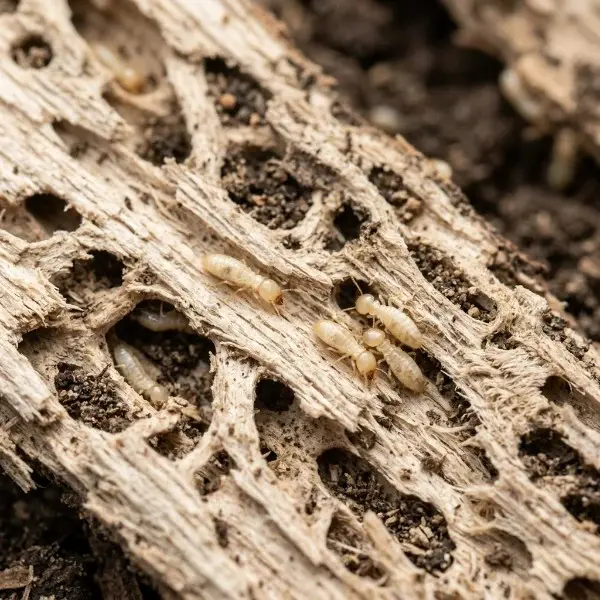
Termites
Mulch and firewood at the foundation Damp cellar joists and sill plates give subterranean termites somewhere to work quietly for years.
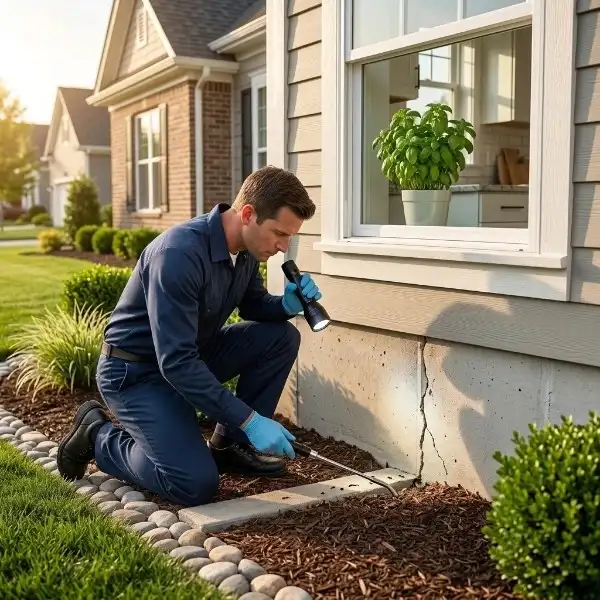
Ants
Pavement and odorous house ants trail in through old mortar joints and cellar cracks rather than open doorways.
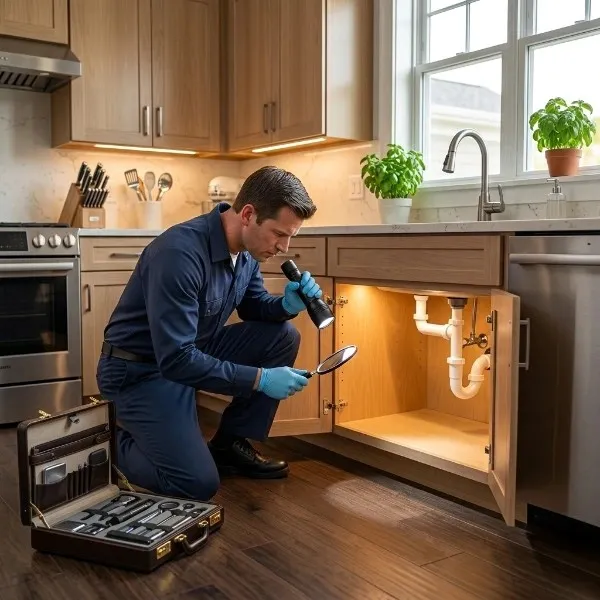
Roaches
German cockroaches move between attached rowhouses and apartment units through wall voids without ever going outside.

Bed Bugs
Dense rental stock, constant relocation and shared walls keep bed bugs circulating through District housing year-round.

Fleas
Humid summers, pets and abundant urban wildlife keep flea and tick pressure going through the warm half of the year.

Spiders
Cellar and house spiders take over old basements and crawl spaces, feeding on the insects that get in ahead of them.

Yellow Jackets
Ground and void nests build fast through the humid summer and turn defensive quickly around decks and play areas.

Wasps
Paper wasps and carpenter bees work eaves, decks, porches and untreated trim right through the long warm season.

Mosquitoes
Asian tiger mosquitoes breed in containers rather than marshes, bite through the day, and rarely travel far from where they hatched.

Flies
Drain and filth flies trace to a specific source — usually a drain, bin area or grease line — rather than needing the room treated.

General Insects
Brown marmorated stink bugs are the autumn nuisance here, along with silverfish and camel crickets in old cellars.

General Rodents
Norway rats and house mice are the defining District pest problem, sustained by alley waste and century-old foundations.
Trusted by Homeowners Across the Country
Licensed & Insured
Every pro in the network carries current licensing and insurance.
Same-Day Service
Same-day and next-day appointments typically available.
100% Satisfaction Guarantee
If the pest comes back, your pro comes back — that is the standard.
Locally Trusted Experts
Independent pros who actually live and work in your area.
No Obligation to Book
Talk to a pro first. Nothing is committed until you say so.
Vetted Pro Network
We screen every contractor before they join the PestAlly network.
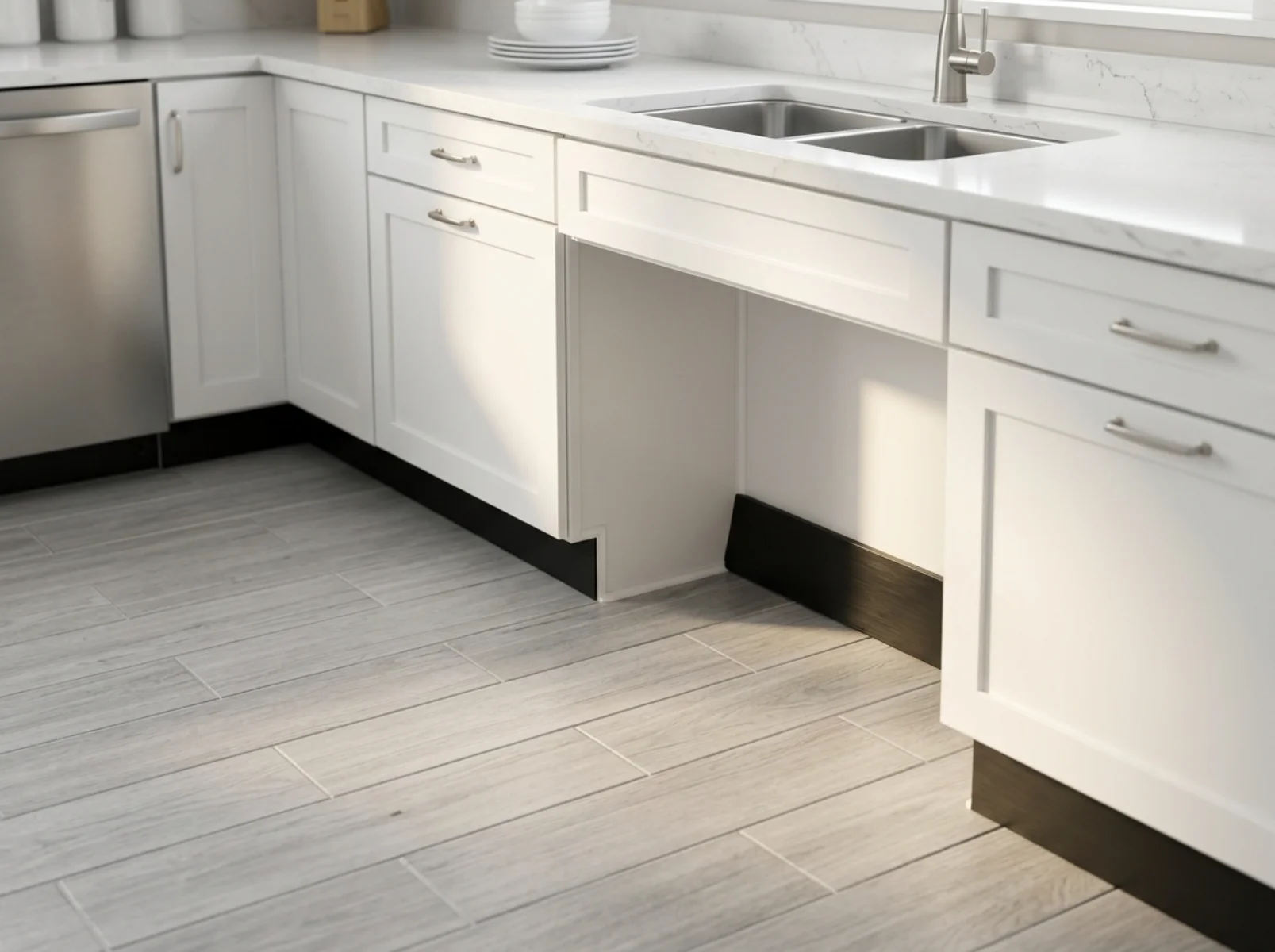
Most Common Pest Entry Points in Washington DC Homes
Rear alleys put food, cover and shelter within a few metres of the back door, which is what sustains the District’s rat population block by block.
Century-old foundations settle and open at the mortar, and a gap the width of a pencil is enough for a house mouse.
German cockroaches, mice and bed bugs move between rowhouses and apartment units through wall voids and joist bays without going outdoors.
Containers holding water in the yard are where Asian tiger mosquitoes breed — buckets, saucers, tyres and blocked drains.
Damp cellar joists and sill plates give subterranean termites somewhere to work quietly for years.
Why Washington DC Homes Deal With These Pests Specifically
Two things drive nearly every call here — the alley network, and construction that connects one home to the next.
Rats are being fed as well as sheltered
Exclusion alone rarely settles a District rat problem, because the food supply in the alley is unchanged. Sealing a building without addressing waste storage moves the population next door and back again.
Baiting and trapping while the bins stay open. The work that holds combines exclusion with the waste management side, ideally coordinated across the block.
You are treating a block, not a house
In attached rowhouse construction you are treating one part of a connected structure. If neighbouring units are untreated, roaches and mice return through the shared wall within weeks.
Treating one address and expecting it to hold. German cockroach and bed bug work in attached housing only succeeds when the connected properties are handled together.

What to Expect From a Local Pro’s Visit
Every District property is different, but the sequence stays the same, and here it usually starts at the back of the building.
Inspect
Full inspection: wood-to-soil contact, crawl space, lawn and mounds, plumbing areas, mulch and firewood placement.
→Identify
Confirming the species, since rat exclusion, German roach work and container mosquito reduction are three completely different jobs.
→Treat
Matched to the finding: exclusion plus waste-source work, targeted roach baiting across connected units, bed bug treatment, or container source reduction.
→Seal
Correcting wood-to-soil contact, screening crawl space vents, and pulling mulch and firewood back off the wall.
→Follow Up
Ongoing service through the year, coordinated with neighbouring properties wherever the building is attached.
→How PestAlly Works in Washington DC
PestAlly doesn’t perform the pest control ourselves — we connect you with vetted, independent local professionals who do.
Get Started →Tell us what’s going on
The pest, and roughly where in the District you’re located.
We match you with an independent, local pro
Someone who services your specific neighborhood.
You deal directly with that contractor
Pricing, scheduling, and the work itself are between you and them.
Frequently Asked Questions
Are termites actually a problem in Washington DC?⌄
Present and worth an inspection. Eastern subterranean termites are active across the District and work quietly in damp cellar joists and sill plates, though rats, roaches and bed bugs generate far more calls here.
Why do the rats keep coming back?⌄
Usually because the food source in the alley never changed. Sealing the building helps, but where waste storage stays open the population rebuilds as fast as it is knocked down.
When are mosquitoes worst in Washington DC?⌄
Late June through August, and the species that matters is the Asian tiger mosquito — a daytime biter that breeds in containers in your own yard. Emptying buckets, saucers and blocked drains does more than any spray.
Do I need pest control through a DC winter?⌄
Yes, and winter is when much of it matters. Rats, mice, German cockroaches and bed bugs are all entirely indoor problems by December, and cold weather concentrates rodent pressure inside rather than reducing it.
Does PestAlly serve my specific DC neighborhood?⌄
PestAlly connects homeowners throughout Washington DC, including ZIP codes 20001, 20002, 20003, 20004, 20005, 20006, 20007, 20008, 20009, 20010, 20011, 20012, 20015, 20016, 20017, 20018, 20019, 20020, 20024, 20032, 20036 and 20037 among others, across all eight wards. If you are not sure whether your address is covered, call and we will tell you straight away.
Get Connected With a Local Washington DC Pest Control Pro
Whether it’s rats working the alley behind the block, roaches coming through a shared wall, or tiger mosquitoes biting in the garden at noon, PestAlly puts you in touch with an independent local pro who knows rowhouse work.
Looking beyond Washington? See every Washington DC city we cover →