
Pest Control in Seattle, WA
Connect With a Local Pro
Who Knows King County
PestAlly connects Seattle and King County homeowners with independent,
local pest control pros who know why older neighbourhoods carry higher
termite risk and what a Puget Sound summer brings.
Seattle’s Rats and Carpenter Ants Both Live on Moisture
Seattle’s pest list is short, but the two entries at the top of it are stubborn. Norway rats are a well-documented and long-standing urban problem here — the city is dense, the terrain is steep and full of retaining walls and daylight basements, and nine months of rain keeps the ground soft enough to burrow in year-round. Carpenter ants are the structural one. They do not eat wood; they excavate galleries into timber that has already taken on water, and in a city where wet fascia, failed flashing and damp crawl spaces are routine, they cause more structural damage than termites do by a wide margin. Around those two sit odorous house ants trailing in with every heavy rain, giant house spiders appearing in bathtubs each autumn, and silverfish that never leave the crawl space. PestAlly connects Seattle homeowners with independent, local pros who work King County.
Get Connected With a Local Pro →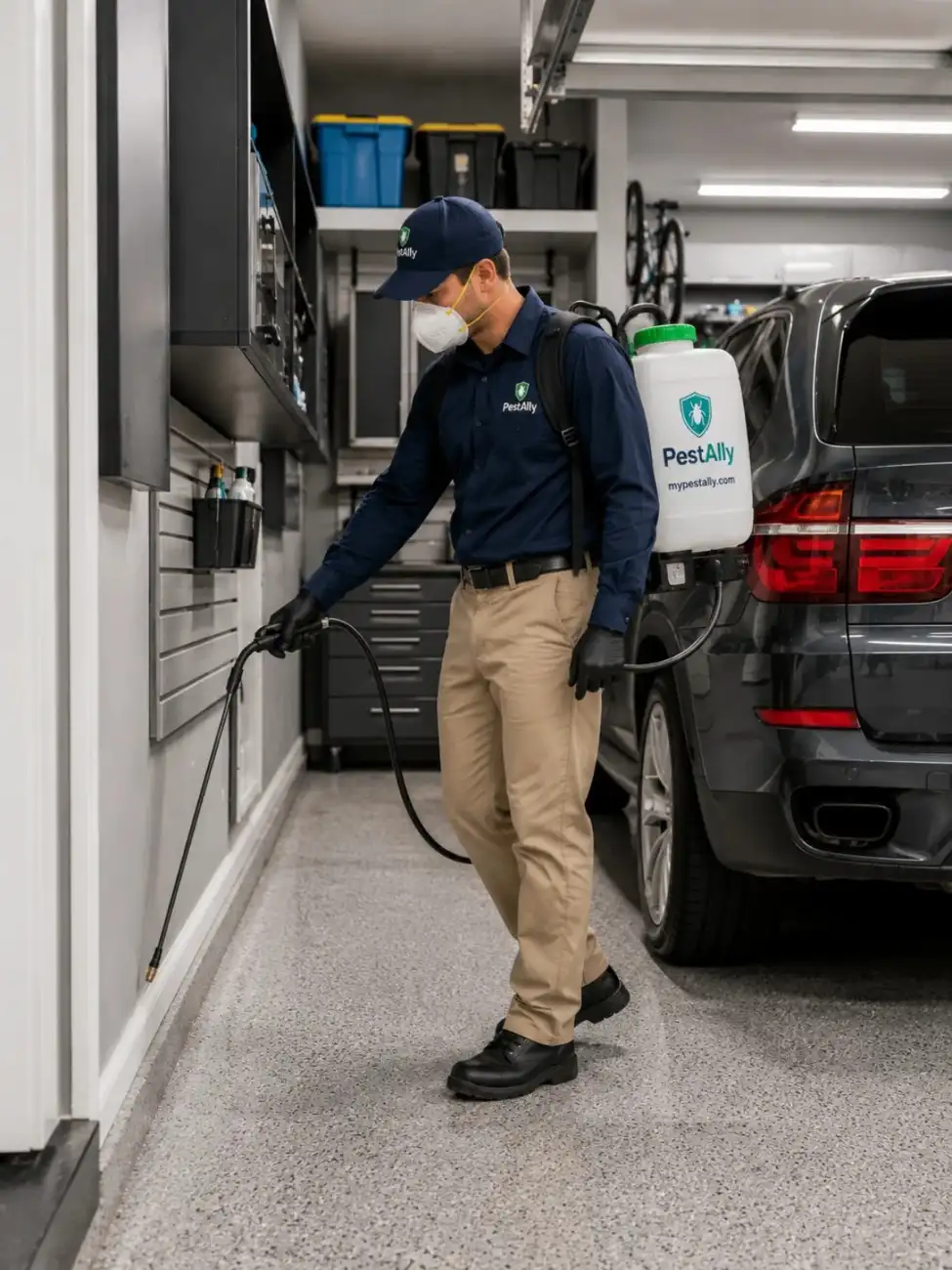
At a Glance
Service Area
Seattle, WA and surrounding King County communities
Most Common Pests
Norway rats and roof rats, carpenter ants, odorous house ants, giant house and hobo spiders, silverfish, wasps, fleas, occasional termites
Peak Pest Season
Rodents and spiders October–April; ants and wasps in the dry months
Response Time
Same-day and next-day appointments typically available
Seattle’s Year-Round Pest Calendar
Nine months of rain and steep, dense housing give Seattle a pest year that peaks in the cold half.
Winter
Dec – FebRats work crawl spaces, daylight basements and retaining walls
Wettest weeks; silverfish and sowbugs come up out of saturated ground
Carpenter ant swarmers appear indoors — the sign of an established nest
Spring
Mar – MayOdorous house ants trail indoors with every heavy rain
Peak ant month as the ground finally begins to dry out
Dry season begins; wasp queens establish nests under eaves
Summer
Jun – AugWarmest weeks; rat activity moves outdoors into gardens and compost
Wasp nests reach full size around eaves, sheds and decks
Peak wasp month; ants push indoors on the first rain after a dry spell
Fall
Sep – NovRain returns; giant house spiders appear indoors looking for mates
Rats move back into buildings as the wet season sets in properly
Rodent entry attempts peak; crawl space humidity climbs again
One exception: the terrain matters as much as the weather here. Retaining walls, terraced gardens and daylight basements give Norway rats burrowing conditions most cities cannot offer, which is why Seattle exclusion work has to go below grade rather than stopping at the obvious gaps.
Services We Cover in Seattle
A Fremont older home, an Queen Anne property or a newer build on the edge of town — here’s what the local pros in our network handle.
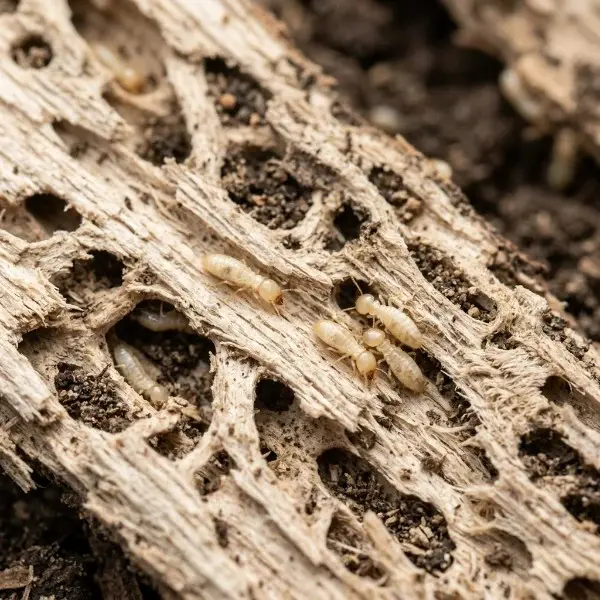
Termites
Subterranean and dampwood termites do turn up in older Seattle homes with wet crawl spaces, but carpenter ants cause far more structural damage here and drive most of the calls.
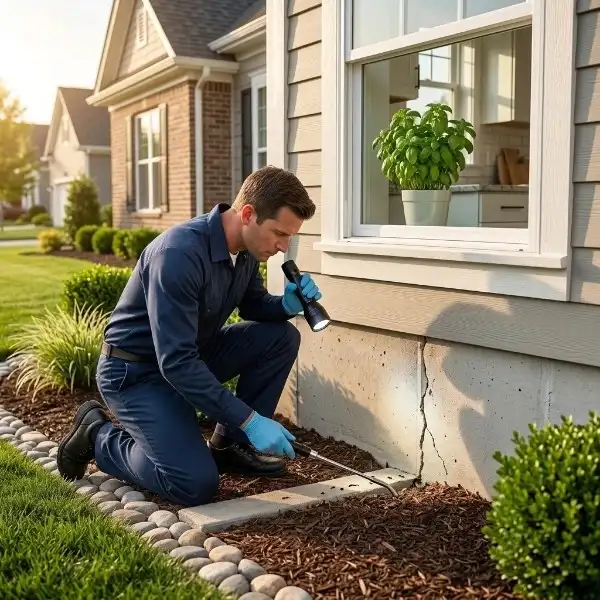
Ants
Carpenter ants are the leading structural pest here, and odorous house ants trail indoors every time the rain gets heavy.
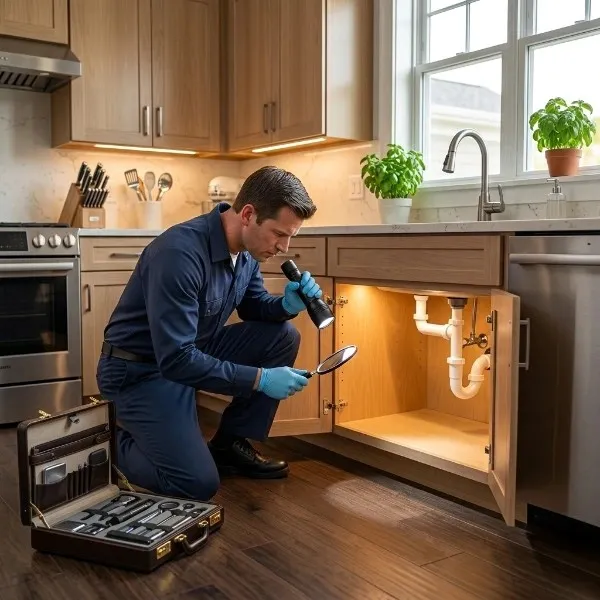
Roaches
German roaches turn up in older multi-family housing and rentals rather than walking in from outdoors as they do in warmer states.

Bed Bugs
Dense rental stock, travel and second-hand furniture keep bed bugs circulating through Seattle housing year-round.

Fleas
Damp yards, pets and abundant urban wildlife keep flea pressure going through most of the Seattle year.

Spiders
Giant house spiders and hobo spiders arrive indoors in numbers every autumn, usually turning up in baths and basements.
Yellow Jackets
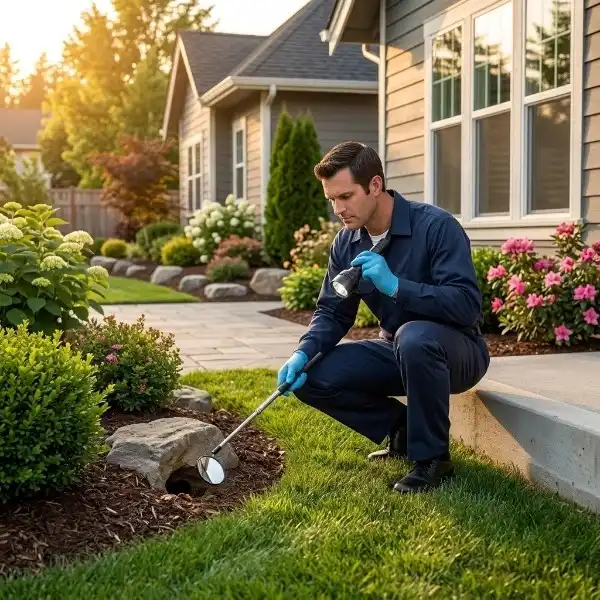
Ground and void nests build fast through the humid summer and turn defensive quickly around decks and play areas.

Wasps
Paper wasps and carpenter bees work eaves, decks, porches and untreated trim right through the long warm season.

Mosquitoes
Mosquitoes are a minor problem here by national standards, though standing water in the wet season still produces them locally.

Flies
Drain and filth flies trace to a specific source — usually a drain, bin area or grease line — rather than needing the room treated.
General Insects
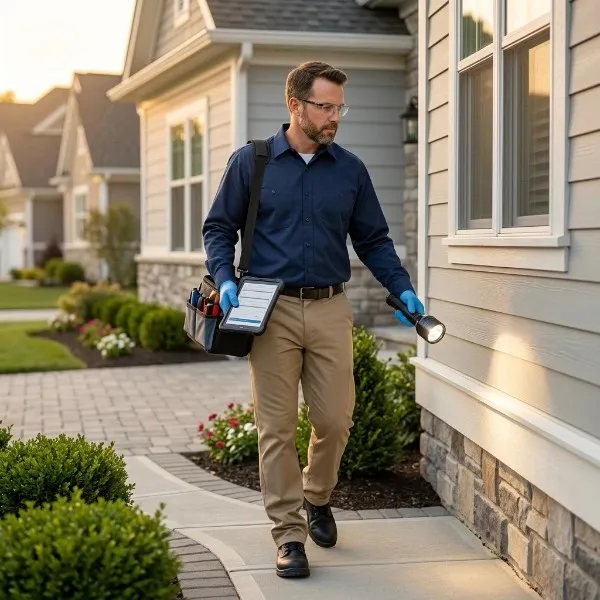
Silverfish, sowbugs and springtails are constants in Seattle crawl spaces and signal a moisture problem rather than a pest one.

General Rodents
Norway rats are a long-standing Seattle problem — steep terrain, retaining walls and soft wet ground give them ideal burrowing conditions.
Trusted by Homeowners Across the Country
Licensed & Insured
Every pro in the network carries current licensing and insurance.
Same-Day Service
Same-day and next-day appointments typically available.
100% Satisfaction Guarantee
If the pest comes back, your pro comes back — that is the standard.
Locally Trusted Experts
Independent pros who actually live and work in your area.
No Obligation to Book
Talk to a pro first. Nothing is committed until you say so.
Vetted Pro Network
We screen every contractor before they join the PestAlly network.
Most Common Pest Entry Points in Seattle Homes
Steep Seattle lots mean retaining walls, terraced gardens and half-buried basements everywhere, and rats burrow behind and under all of them.
Crawl spaces here run humid for most of the year, and a torn vent screen or a failed vapour barrier is all rats and sowbugs need.
Ivy, shrubs and branches resting on walls and rooflines give rats, ants and spiders a bridge straight past everything at ground level.
Moisture-damaged fascia, trim and sill plates give carpenter ants somewhere to excavate without touching sound wood.
Compost and food waste stored close to the house sustains the rat population no matter how well the building is sealed.
Why Seattle Homes Deal With These Pests Specifically
Two things drive nearly every call here — persistent damp, and terrain that suits burrowing rodents.
Carpenter ants are a symptom, not the disease
They nest in wood that has already taken on water. Treating the colony without finding the leak or the drainage fault that softened the timber means a new colony finds the same spot within a season or two.
Treating the ants and stopping there. The question that matters is where the water is getting in, and any pro worth using will ask it before quoting.
The terrain is built for rats
Steep lots, retaining walls, daylight basements and soft wet ground give Norway rats burrowing conditions most cities cannot match. That is why exclusion here has to include below-grade work, not just the obvious gaps.
Trapping without sealing and without changing the food source. Traps clear what is inside; the burrow behind the retaining wall is still there the following week.

What to Expect From a Local Pro’s Visit
Every Seattle property is different, but the sequence stays the same, and here it usually starts with finding the water.
Inspect
Full inspection: wood-to-soil contact, crawl space, lawn and mounds, plumbing areas, mulch and firewood placement.
→Identify
Confirming the species, since carpenter ant work, rat exclusion and spider treatment are three completely different jobs.
→Treat
Matched to the finding: carpenter ant baiting plus the moisture fix, exclusion including below-grade work, crawl space correction, or wasp nest removal.
→Seal
Correcting wood-to-soil contact, screening crawl space vents, and pulling mulch and firewood back off the wall.
→Follow Up
Ongoing service through the year, with exclusion and crawl space work booked for September before the rain returns.
→How PestAlly Works in Seattle
PestAlly doesn’t perform the pest control ourselves — we connect you with vetted, independent local professionals who do.
Get Started →Tell us what’s going on
The pest, and roughly where in the Seattle area you’re located.
We match you with an independent, local pro
Someone who services your specific neighborhood.
You deal directly with that contractor
Pricing, scheduling, and the work itself are between you and them.
Frequently Asked Questions
Are termites actually a problem in Seattle?⌄
Uncommon compared with most of the country. Subterranean and dampwood termites do turn up in older Seattle homes with wet crawl spaces, but carpenter ants cause far more structural damage here and drive most of the calls.
Why do the rats keep coming back?⌄
Usually because the burrow is still there. Seattle rats nest behind retaining walls and under daylight basements, so trapping indoors without below-grade exclusion and food-source control just clears the current occupants.
When are mosquitoes worst in Seattle?⌄
A minor problem here by national standards, though standing water in the wet season still produces them. Clearing gutters, saucers and anything holding rainwater handles most of it.
Do I need pest control through a Seattle winter?⌄
Yes — and here the cold half is the busy half. Rats, spiders and crawl space insects all move indoors with the October rain and stay through to spring, the reverse of how most of the country runs.
Does PestAlly serve my specific Seattle neighborhood?⌄
PestAlly connects homeowners throughout Seattle and King County, including ZIP codes 98102, 98103, 98105, 98106, 98107, 98108, 98112, 98115, 98116, 98118, 98119, 98122, 98133, 98134, 98144, 98148, 98177, 98188, 98198 and 98199 among others, plus the surrounding communities of Bellevue, Renton, Kent, Redmond and Kirkland. If you are not sure whether your address is covered, call and we will tell you straight away.
Get Connected With a Local Seattle Pest Control Pro
Whether it’s rats burrowing behind a retaining wall, carpenter ants in wet fascia, or giant house spiders turning up in the bath every October, PestAlly puts you in touch with an independent local pro who works King County.
Looking beyond Seattle? See every Washington city we cover →