
Pest Control in Spokane, WA
Connect With a Local Pro
Who Knows the Inland Northwest
PestAlly connects Spokane and Spokane County homeowners with independent,
local pest control pros who know why older neighbourhoods carry higher
termite risk and what a Inland Northwest summer brings.
Spokane Sits on the Dry Side of the Cascades, and It Shows
Spokane is the eastern half of Washington and it behaves nothing like Seattle. The Cascades take most of the rain out of the air before it gets here, so this is a semi-arid inland climate with hot dry summers, genuinely cold winters and around seventeen inches of precipitation a year. That flips the whole pest list. Carpenter ants still turn up, but the wet-wood problems that dominate the coast are far less common, and the calls here are driven by extremes instead. Summer heat and drought push ants and spiders indoors hunting moisture. Then a real freeze arrives and mice, voles and cluster flies move in during a short autumn window from the ponderosa pine and open ground that surrounds the city on every side. Yellow jackets own August around the river bluffs. PestAlly connects Spokane homeowners with independent, local pros who work the Inland Northwest.
Get Connected With a Local Pro →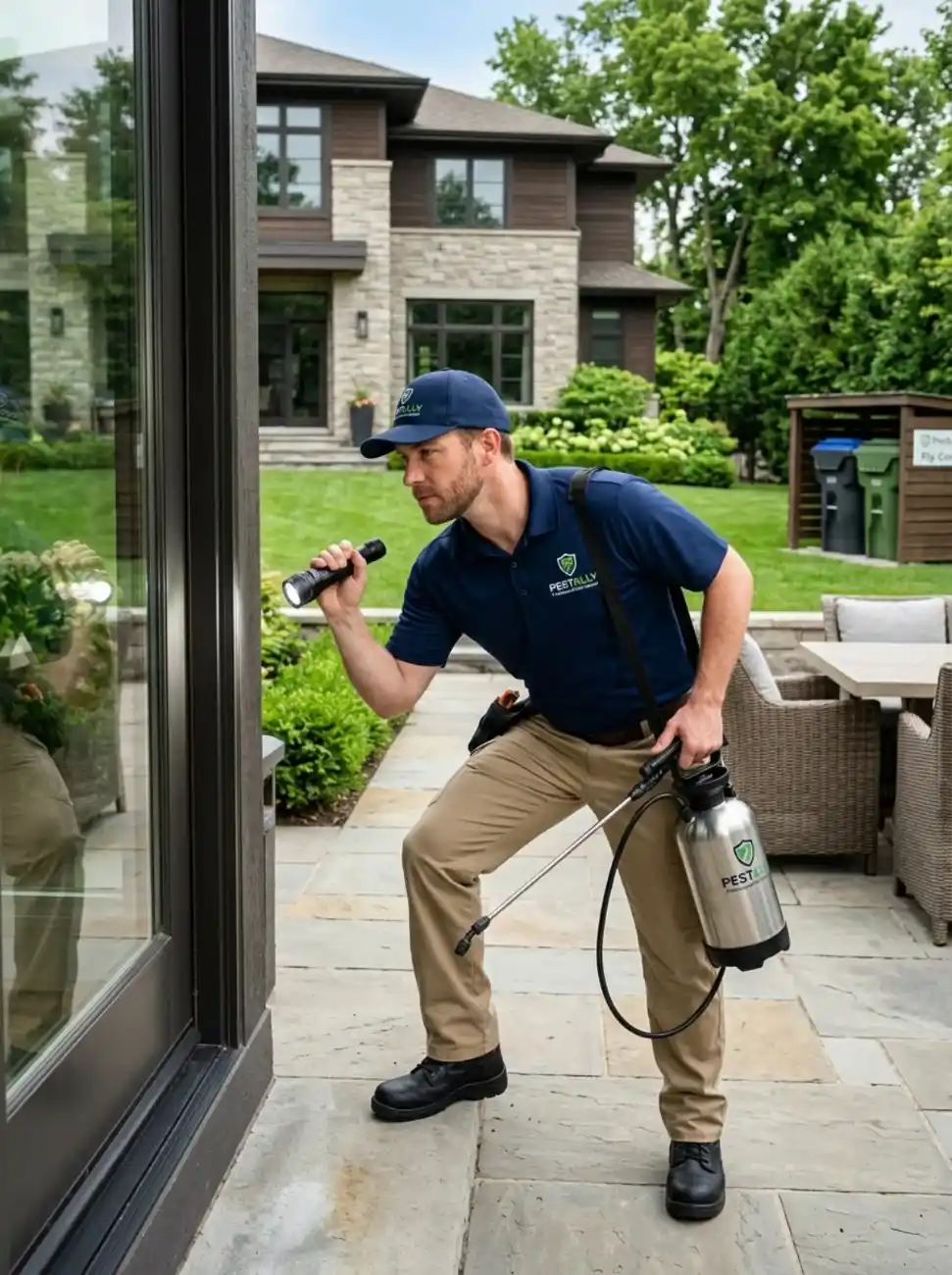
At a Glance
Service Area
Spokane, WA and surrounding Spokane County communities
Most Common Pests
House mice and voles, yellow jackets and hornets, cluster flies, carpenter ants, odorous house ants, hobo and black widow spiders, cockroaches
Peak Pest Season
Ants and wasps through the dry summer; rodents in a sharp autumn window
Response Time
Same-day and next-day appointments typically available
Spokane’s Year-Round Pest Calendar
A semi-arid inland climate with real winters gives Spokane a short, sharp pest year unlike western Washington.
Winter
Dec – FebMice and voles work attics and wall voids; deep cold outside
Coldest weeks of any Washington market — activity is entirely indoors
Cluster flies wake in attics on the first mild days of the year
Spring
Mar – MaySnowmelt saturates ground; voles reveal runs across lawns
Ants become active as the ground dries and warms
Yellow jacket queens establish nests in banks, sheds and cavities
Summer
Jun – AugDry heat sets in and ants push indoors hunting moisture
Peak heat; hobo and black widow spiders active around foundations
Peak yellow jacket month — nests at full size and most defensive
Fall
Sep – NovCluster flies and spiders begin gathering on sunny walls
The critical month — mice and voles move indoors before the freeze
Rodent entry attempts peak as the first hard freezes arrive
One exception: this side of the Cascades runs on the opposite logic to Seattle. There, rain drives pests indoors; here it is drought — a long dry stretch is what sends ants and spiders looking for the only moisture available, which is inside the house.
Services We Cover in Spokane
A Browne’s Addition older home, an Perry District property or a newer build on the edge of town — here’s what the local pros in our network handle.
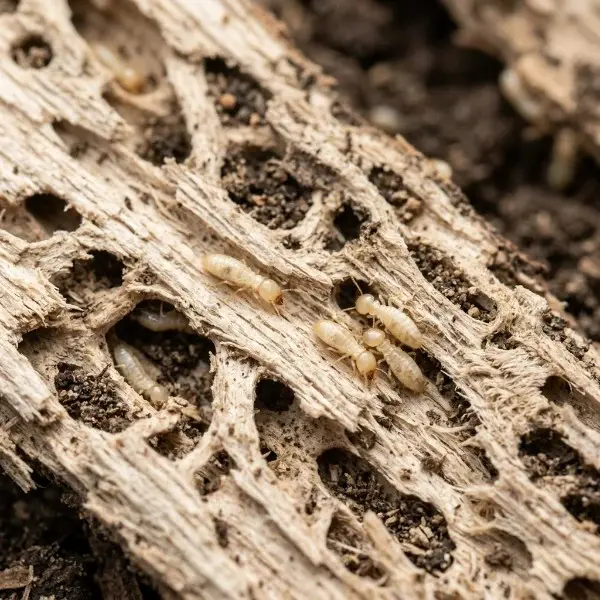
Termites
The dry inland climate and cold winters make termites a minor issue compared with western Washington or the South.
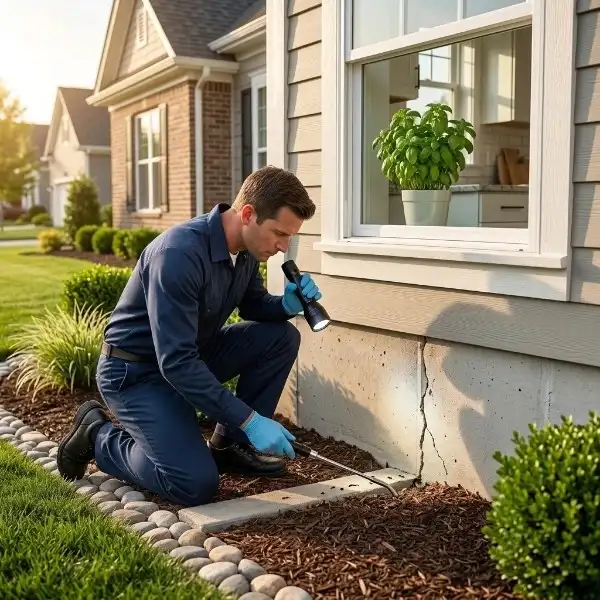
Ants
Carpenter and odorous house ants both turn up here, and in a dry summer they come indoors looking for water rather than food.
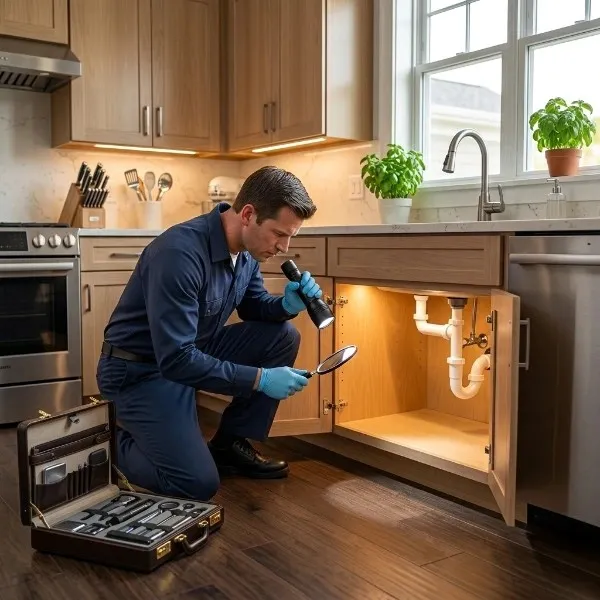
Roaches
Cockroaches are uncommon in this dry climate and usually turn up in rentals or commercial kitchens rather than arriving from outdoors.

Bed Bugs
Rental turnover, university housing and second-hand furniture keep bed bugs moving through Spokane housing year-round.

Fleas
Pets, pine-country wildlife and dry warm summers keep flea and tick pressure up through the short season.

Spiders
Hobo and black widow spiders shelter around foundations, woodpiles and outbuildings across Spokane County.
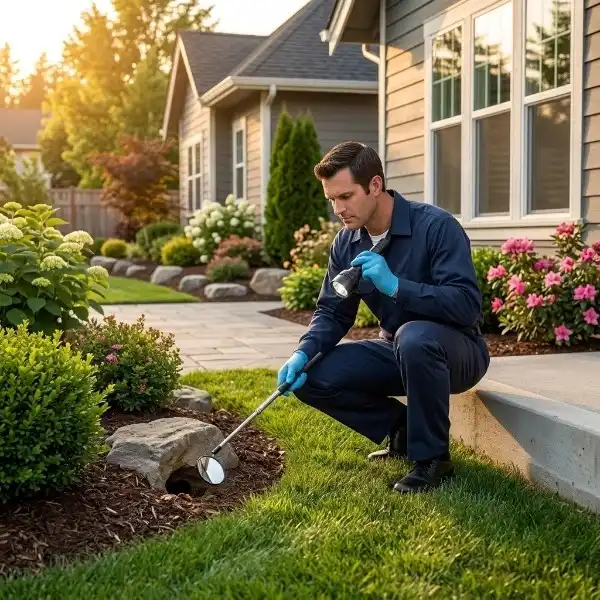
Yellow Jackets
Ground and void nests build fast through the humid summer and turn defensive quickly around decks and play areas.

Wasps
Paper wasps and carpenter bees work eaves, decks, porches and untreated trim right through the long warm season.

Mosquitoes
Mosquitoes are limited by the dry air but still hatch around the Spokane River, irrigation and standing water in summer.

Flies
Drain and filth flies trace to a specific source — usually a drain, bin area or grease line — rather than needing the room treated.
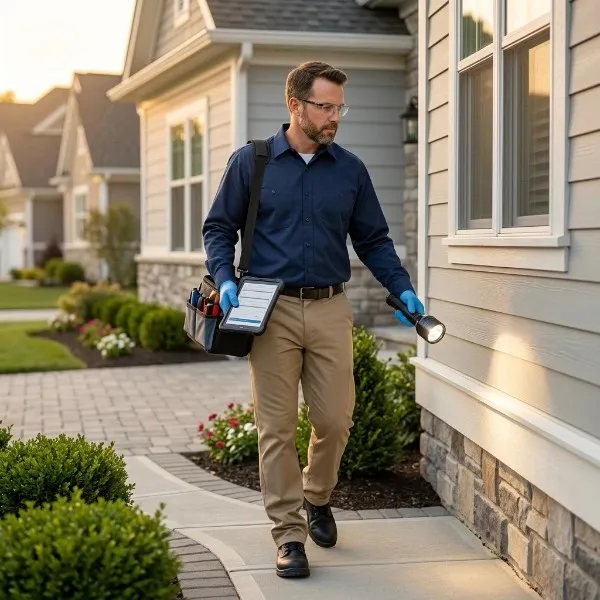
General Insects
Cluster flies are the autumn signature here, along with the occasional boxelder bug on sunny south-facing walls.

General Rodents
Mice and voles live in the ponderosa pine and open ground around the city and move indoors in a very short autumn window.
Trusted by Homeowners Across the Country
Licensed & Insured
Every pro in the network carries current licensing and insurance.
Same-Day Service
Same-day and next-day appointments typically available.
100% Satisfaction Guarantee
If the pest comes back, your pro comes back — that is the standard.
Locally Trusted Experts
Independent pros who actually live and work in your area.
No Obligation to Book
Talk to a pro first. Nothing is committed until you say so.
Vetted Pro Network
We screen every contractor before they join the PestAlly network.
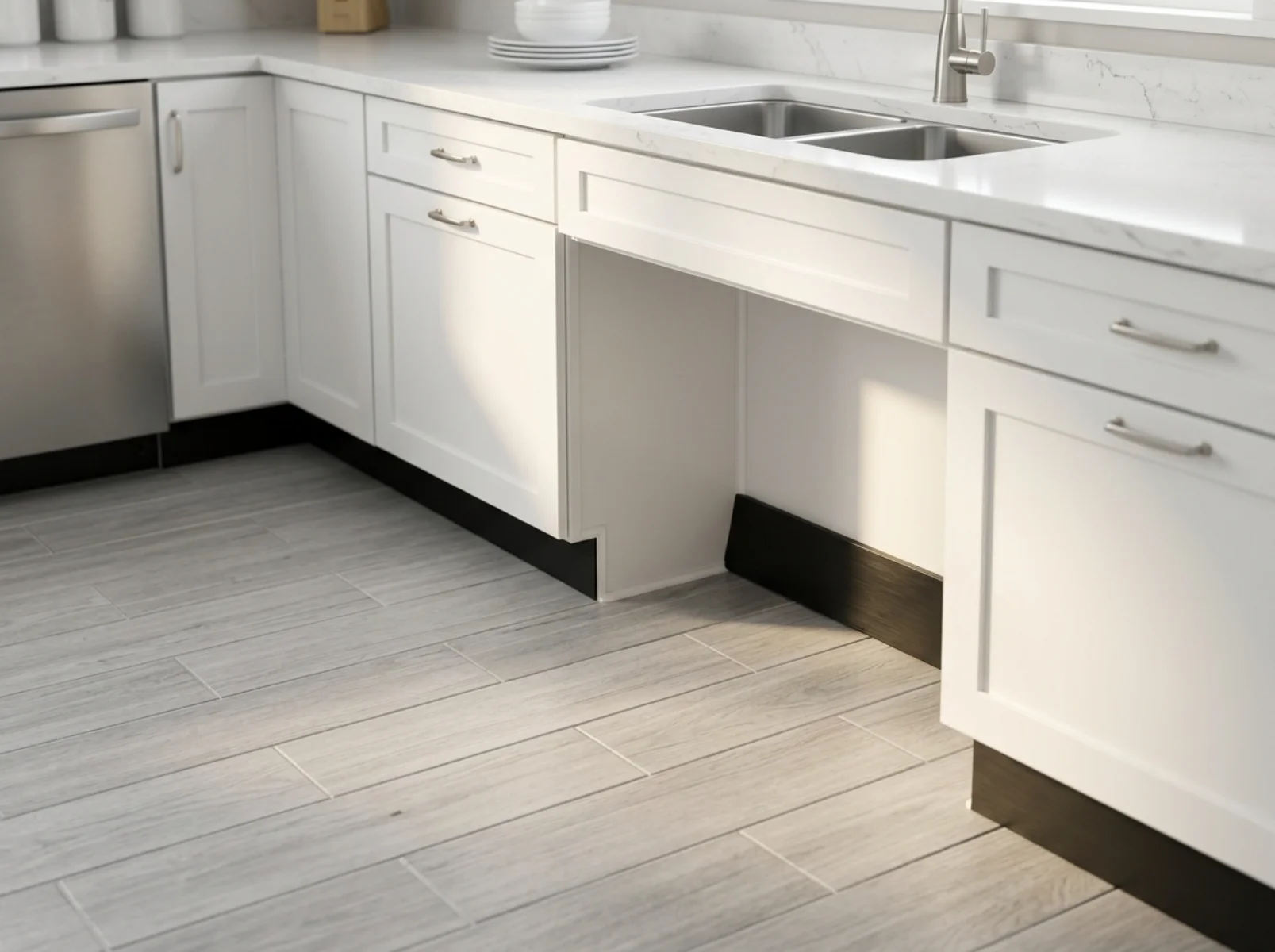
Most Common Pest Entry Points in Spokane Homes
Spokane’s subdivisions run straight into pine and open range, which puts mice and voles a few metres from the building all year.
Gaps at the sill plate and around utility runs are the route rodents use in the two or three weeks before the first hard freeze.
In a semi-arid summer the only reliable moisture is indoors, which is when ants and spiders stop staying outside and start coming in.
Banks, sheds and wall cavities on the river bluffs are exactly where yellow jackets choose to build.
Woodpiles and stacked material against the house give hobo and black widow spiders shelter within reach of a door.
Why Spokane Homes Deal With These Pests Specifically
Two inland realities shape the work here — a dry summer that drives pests in, and an autumn window that closes fast.
Drought pushes pests indoors, not out
Most pest advice assumes rain drives insects inside. In Spokane it is the opposite — a long dry stretch is what sends ants and spiders looking for moisture, and the house is the only place they will find it.
Waiting for rain to fix an ant problem. In this climate the dry weeks are the busy weeks, and a treatment timed to the start of a dry stretch earns its keep.
Autumn is short and it decides the winter
Spokane gets a real freeze, and mice, voles and cluster flies all move indoors during a two or three week window before it arrives. Once they are in a wall void a spray achieves very little.
Booking exclusion for November. By then the freeze has already pushed everything inside, and sealing at that point traps them rather than keeping them out.

What to Expect From a Local Pro’s Visit
Every Spokane property is different, but the sequence stays the same, and here the timing matters more than the frequency.
Inspect
Full inspection: wood-to-soil contact, crawl space, lawn and mounds, plumbing areas, mulch and firewood placement.
→Identify
Confirming the species, since rodent exclusion, yellow jacket removal and spider harbourage work are three different jobs.
→Treat
Matched to the finding: exclusion and sealing before the freeze, nest removal, harbourage reduction, or ant baiting timed to the dry spell.
→Seal
Correcting wood-to-soil contact, screening crawl space vents, and pulling mulch and firewood back off the wall.
→Follow Up
Ongoing service through the warm months, with the exclusion work deliberately booked for early September.
→Spokane Neighborhoods & Communities We Serve
PestAlly connects homeowners across Spokane and the surrounding Spokane County communities.
Browne’s Addition
→Perry District
→North Spokane
→Indian Trail
→Spokane Valley
→Five Mile Prairie
→West Central
→Garland District
→Latah Valley
→South Hill
→How PestAlly Works in Spokane
PestAlly doesn’t perform the pest control ourselves — we connect you with vetted, independent local professionals who do.
Get Started →Tell us what’s going on
The pest, and roughly where in the Spokane area you’re located.
We match you with an independent, local pro
Someone who services your specific neighborhood.
You deal directly with that contractor
Pricing, scheduling, and the work itself are between you and them.
Frequently Asked Questions
Are termites actually a problem in Spokane?⌄
Uncommon here. The dry inland climate and cold winters make termites a minor issue compared with western Washington or the South. Carpenter ants account for most of the structural work in Spokane.
Why do ants come indoors when it is dry?⌄
Because a dry spell is what brings them in. Ants and spiders come indoors hunting moisture rather than food in this climate, so the treatment that works is timed to the dry weeks and paired with sealing the routes in.
When are mosquitoes worst in Spokane?⌄
Limited by the dry air, but the Spokane River, irrigation and standing water still produce them through summer. Clearing standing water does more here than a broad barrier treatment.
Do I need pest control through a Spokane winter?⌄
For most homes the priority is autumn rather than winter. Mice, voles and cluster flies all come in during a short window before the first freeze, so September exclusion is worth more than a January treatment.
Does PestAlly serve my specific Spokane neighborhood?⌄
PestAlly connects homeowners throughout Spokane and Spokane County, including ZIP codes 99201, 99202, 99203, 99204, 99205, 99206, 99207, 99208, 99212, 99216, 99217, 99218, 99223 and 99224, plus the surrounding communities of Airway Heights, Cheney, Liberty Lake, Mead and Deer Park. If you are not sure whether your address is covered, call and we will tell you straight away.
Get Connected With a Local Spokane Pest Control Pro
Whether it’s ants coming in during a dry spell, a yellow jacket nest on the bluff, or mice arriving before the first freeze, PestAlly puts you in touch with an independent local pro who works the Inland Northwest.
Looking beyond Spokane? See every Washington city we cover →