
Pest Control in Georgia — Find a Local Pro in Your City
Georgia sits in the highest federal termite risk band, fire ants own the open ground, and the humid season runs eight months. PestAlly connects you with an independent local pro.
☎ Call (888) 921-7764Jump to your city ↓In Georgia the Red Clay Holds Water, and Termites Never Stop
Georgia falls inside Termite Infestation Probability Zone 1, the highest-risk band on the federal map, and eastern subterranean termites are established in every county. Piedmont red clay is the reason it stays that way — it holds moisture against foundations long after the rain has stopped, which is exactly the condition subterranean colonies need. Formosan termites have moved inland from the coast and now turn up around Savannah and up the Savannah River corridor.
Everything else follows the same humidity: fire ants rebuilding across every open yard within days of a storm, American roaches coming in from mulch beds looking for moisture, and mosquito pressure that holds from April into October. PestAlly is a referral network, not a single company — when you call, you get routed to a pro who works your specific market.
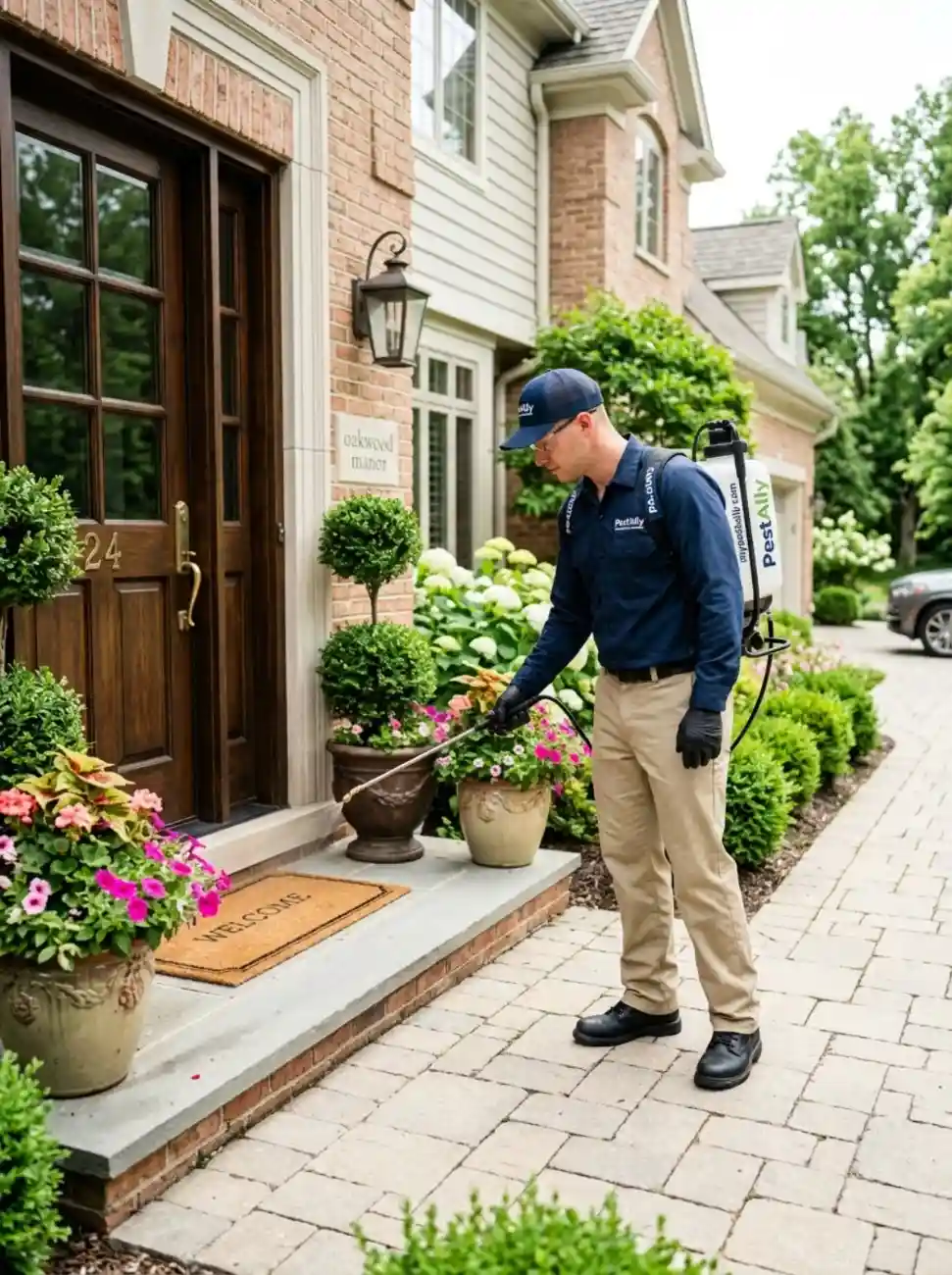
What Drives Pest Pressure Across Georgia
The state runs from the Blue Ridge foothills down to the Lowcountry, and the pest mix shifts the whole way.
North Georgia
Piedmont & FoothillsRed clay, wooded suburban edges and a genuine winter. Termites work steadily, and ticks come off the treeline in the northern counties.
- Eastern subterranean termites
- Fire ants across open yards
- Ticks along wooded boundaries
- Rodents pushing indoors from November
Central Georgia
Fall Line & River CorridorWhere the clay meets the sandy coastal plain. Humidity climbs, the season lengthens, and roach pressure rises with it.
- Subterranean termites year-round
- American roaches from mulch and drains
- Mosquitoes along the river bottoms
- Fleas and ticks through the long summer
South & Coastal Georgia
LowcountrySandy soil, near-constant humidity and barely any dormant season. Formosan termites are established here rather than occasional.
- Formosan and eastern termites
- Palmetto bugs from pine straw and mulch
- Salt marsh mosquitoes near the coast
- Year-round roach and rodent activity
Georgia Cities We Cover
Pick your city for local pest problems, seasonal timing and the neighbourhoods each pro serves. Not listed? Call and we will tell you straight whether we have coverage near you.
Services Available Across Georgia
Every service below is offered by PestAlly-connected pros across Georgia. Each page explains what the treatment involves, what it typically costs and what to expect afterwards.
The Georgia Pest Calendar
Georgia gives you a long active season with one very sharp spring peak.
- Subterranean termite swarms peak
- Fire ant mounds expand across yards
- Ant colonies split and move indoors
- Carpenter bees drill soffits and decks
- Mosquitoes after every afternoon storm
- American roaches move in from mulch beds
- Wasp and yellow jacket nests at full size
- Fleas peak on pets and in yards
- Rodents start scouting attics and crawl spaces
- Spiders move indoors as nights cool
- Storm rain rebuilds fire ant mounds
- Best window for a pre-winter inspection
- Rodent activity peaks in North Georgia
- German roaches stay active indoors
- South Georgia sees no real slowdown
- Quietest time to schedule a treatment
Georgia Pest Control Questions
The questions Georgia homeowners actually ask — answered without the sales pitch.
Is a termite bond worth it in Georgia?
For most homeowners here, yes. The whole state is in the highest federal termite risk zone and homeowners insurance does not cover termite damage anywhere in the country. Read the paperwork though — a repair bond and a retreatment-only bond cost about the same and do very different things.
Why do palmetto bugs and roaches keep getting inside?
Because they live outdoors and come in for moisture. American roaches breed in mulch, pine straw and drains, so interior spraying without dealing with the mulch line, the weep holes and the door sweeps only ever buys a few weeks.
Why do fire ant mounds keep coming back?
Because the mound was treated and the colony was not. Fire ants relocate when disturbed, so pouring something on a visible mound usually just moves it a few metres. Broadcast baiting across the whole yard is what actually reduces the population.
When are mosquitoes worst in Georgia?
April through October, building fastest after afternoon thunderstorms and heaviest in low ground and river bottoms. A barrier spray holds three to four weeks and less after heavy rain, so pair it with clearing saucers, gutters and anything else holding water.
Do I need pest control through a Georgia winter?
Yes, though the mix changes. Rodent pressure peaks in the colder months, German cockroaches stay active indoors, and termites keep feeding below ground regardless of the air temperature above it.
Get Connected With a Georgia Pest Pro
One call, no runaround. Tell us the city and what you are seeing, and we will route you to an independent local pro who works that market.