
Pest Control in Saint Louis, MO
Connect With a Local Pro
Who Knows Old Brick
PestAlly connects St. Louis homeowners with independent, local
pest control pros who know century-old brick, clay-soil termite
pressure and brown recluse in the basement.
In St. Louis the Building Matters More Than the Weather
St. Louis has an unusually wide spread of housing, and that matters more here than the weather does. Historic brick homes near Forest Park sit in the same market as new construction out in Chesterfield, and pests exploit whatever gap the building offers — in an older brick home even a minor gap lets ants, spiders or mice straight in, particularly in winter when they’re looking for warmth. Underneath all of it, the region’s warm humid summers and clay soil create close to ideal conditions for subterranean termite colonies, which are the most serious structural pest in the area. Brown recluse spiders are well established here too, and they live in the quiet undisturbed parts of basements and closets rather than out in the yard. House mice and Norway rats are the most common rodents. PestAlly connects St. Louis homeowners with independent, local pros who read the building first.
Get Connected With a Local Pro →
At a Glance
Service Area
Saint Louis, MO and surrounding metro communities
Most Common Pests
Subterranean termites, brown recluse spiders, carpenter and odorous house ants, house mice, Norway rats, roaches
Peak Pest Season
Insects peak in summer; termites, recluse and rodents run all year
Response Time
Same-day and next-day appointments typically available
Saint Louis’ Year-Round Pest Calendar
Warm humid summers and cold winters mean something is always active in St. Louis.
Winter
Dec – FebPeak indoor rodent season; brown recluse active in heated storage
Deep winter — termites keep feeding below the frost line
Ant activity resumes; mild spring lifts everything
Spring
Mar – MaySubterranean termite swarms begin across the metro
Carpenter and odorous house ants trail indoors
Humid heat pushes roach, ant and wasp activity up sharply
Summer
Jun – AugPeak season — roaches, spiders, wasps and ants all at once
Hottest, most humid weeks; heaviest insect pressure of the year
Recluse sightings peak as the spiders move more
Fall
Sep – NovWasps turn defensive; rodents begin testing older brick
Rodent entry attempts peak with the first hard freeze
Recluse and rodents indoors; everything else slows down
One exception: Brown recluse spiders ignore the seasons almost entirely. They live indoors year-round in undisturbed storage, closets, basements and garages, and in a heated St. Louis home the conditions never stop suiting them. Sightings go up in late summer because the spiders move more, not because the population changed — which is why recluse work is about reducing indoor harborage rather than about timing.
Services We Cover in Saint Louis
A century-old brick home near Forest Park, a South City flat or a Chesterfield new build — here’s what the local pros in our network handle.
Termites
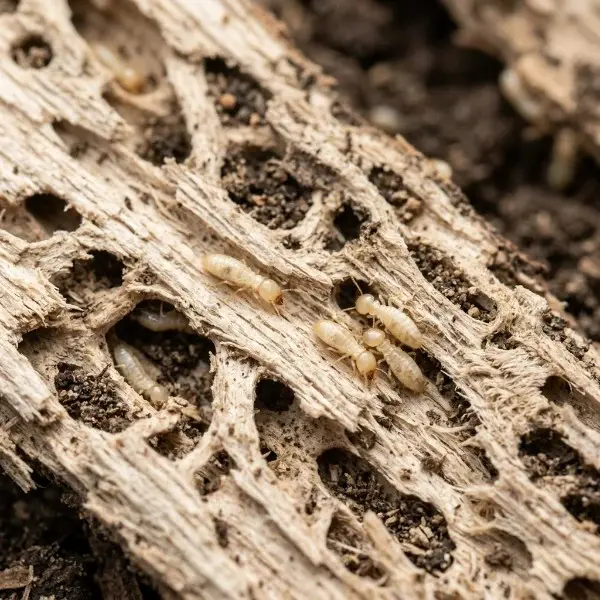
Clay holds moisture against foundations, and the termites work entirely out of sight until a mud tube appears — by which point the colony is well established.
Ants
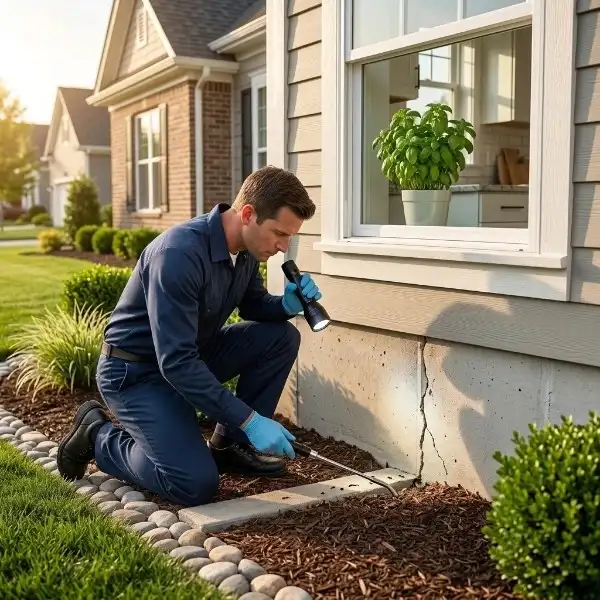
Carpenter ants and odorous house ants are the most common St. Louis ant complaints, working damp wood and trailing indoors from gaps.
Roaches
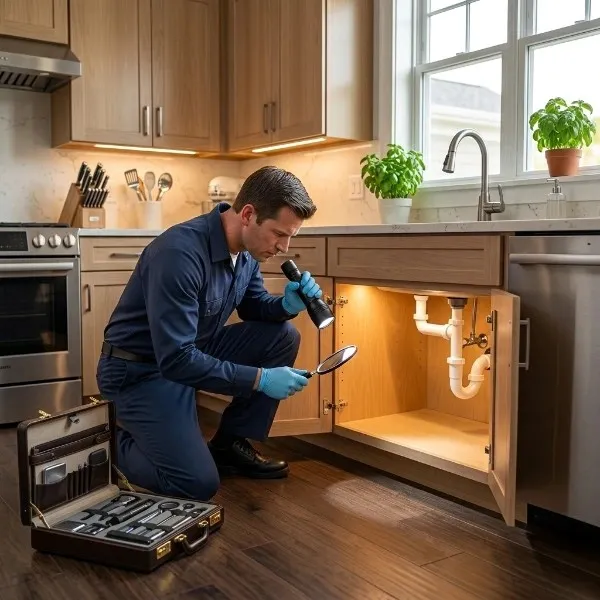
Cockroaches thrive in St. Louis’ warm humid summers, and German roaches rebound quickly in multi-unit housing without follow-up.
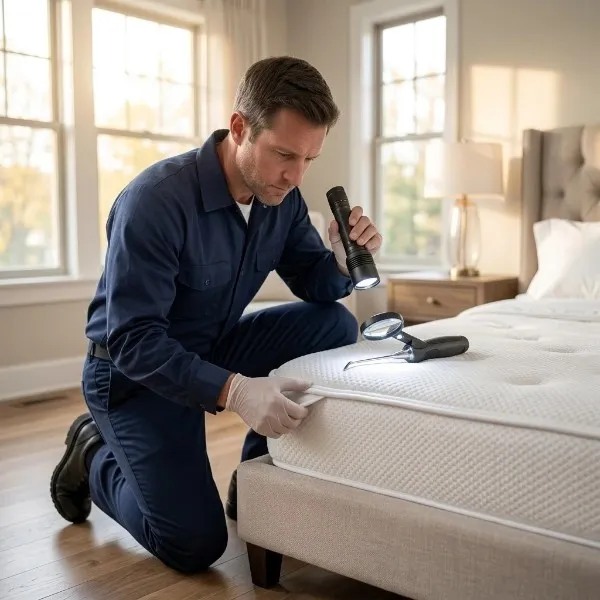
Bed Bugs
Steady travel and rental turnover across the metro keep bed bug cases active in St. Louis all year.
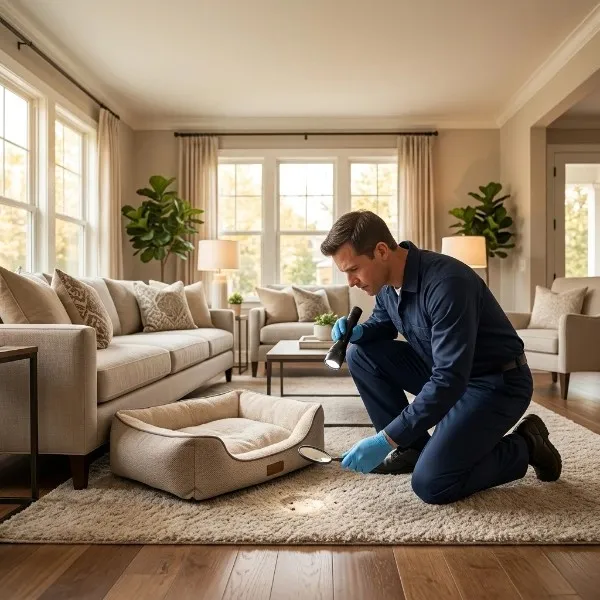
Fleas
Pets and urban wildlife re-seed fleas through the warm months, with pressure easing through the Missouri winter.
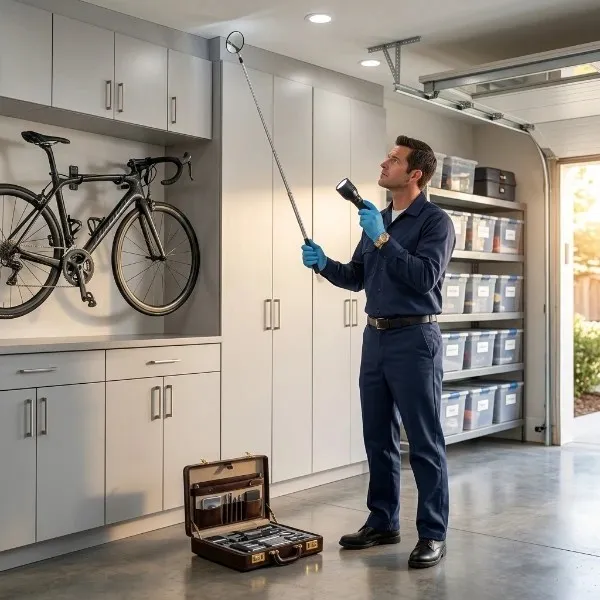
Spiders
Brown recluse are the serious concern here — pale brown with a violin marking, living year-round in basements, closets and storage.
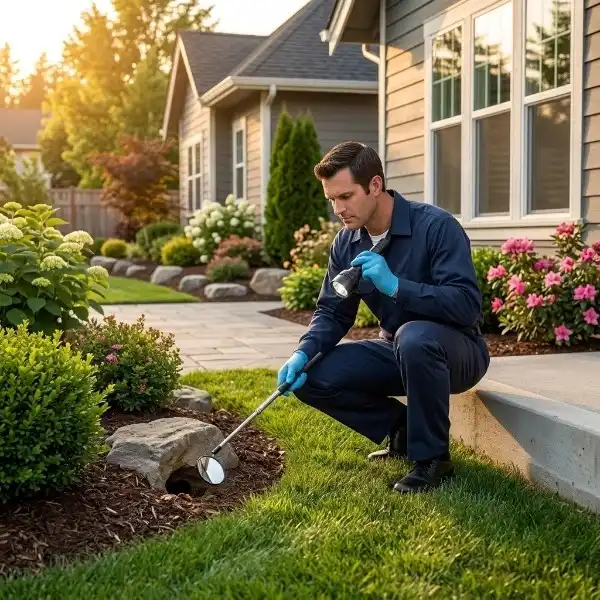
Yellow Jackets
Yellow jackets build ground and void nests through summer and turn aggressive in late summer as their food runs short.

Wasps
Paper wasps build under eaves, decks, porches and outbuildings right through the long humid warm season.
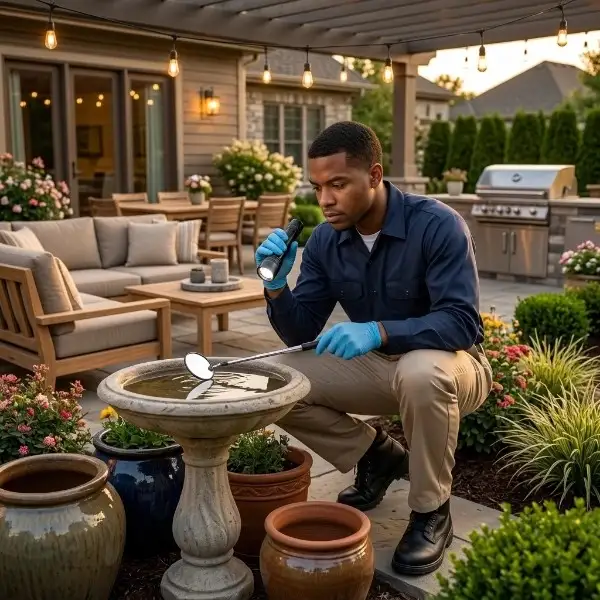
Mosquitoes
Warm months lift mosquito activity sharply, and standing water, gutters and low ground supply the breeding sites.
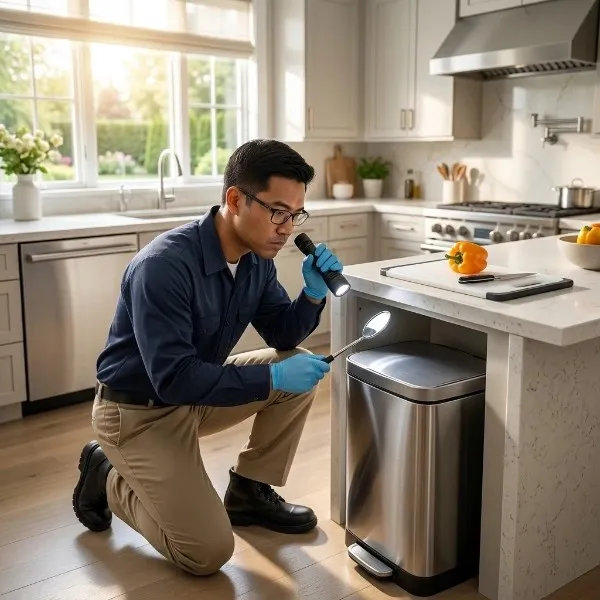
Flies
Drain and filth flies trace to a specific source — usually a floor drain or bin area — rather than needing the room treated.
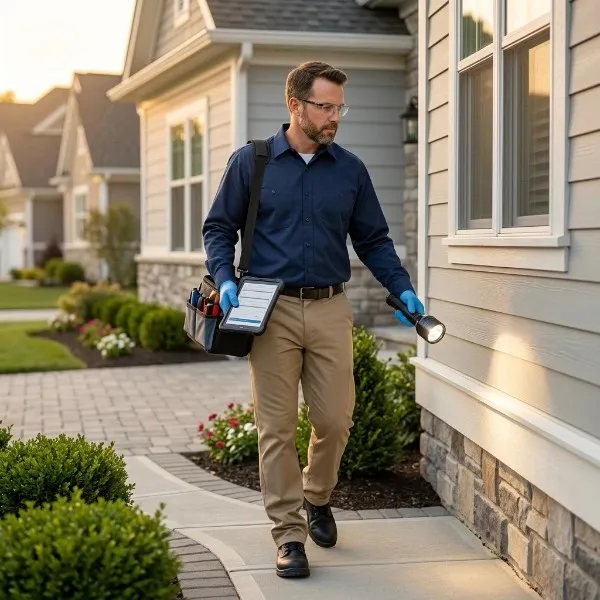
General Insects
Pantry moths, silverfish and crickets exploit warm humid Missouri cupboards, plus subterranean termite inspection referrals.

General Rodents
House mice and Norway rats are the most common St. Louis rodents, and older brick homes give them plenty of small gaps to use.
Trusted by Homeowners Across the Country
Licensed & Insured
Every pro in the network carries current licensing and insurance.
Same-Day Service
Same-day and next-day appointments typically available.
100% Satisfaction Guarantee
If the pest comes back, your pro comes back — that is the standard.
Locally Trusted Experts
Independent pros who actually live and work in your area.
No Obligation to Book
Talk to a pro first. Nothing is committed until you say so.
Vetted Pro Network
We screen every contractor before they join the PestAlly network.
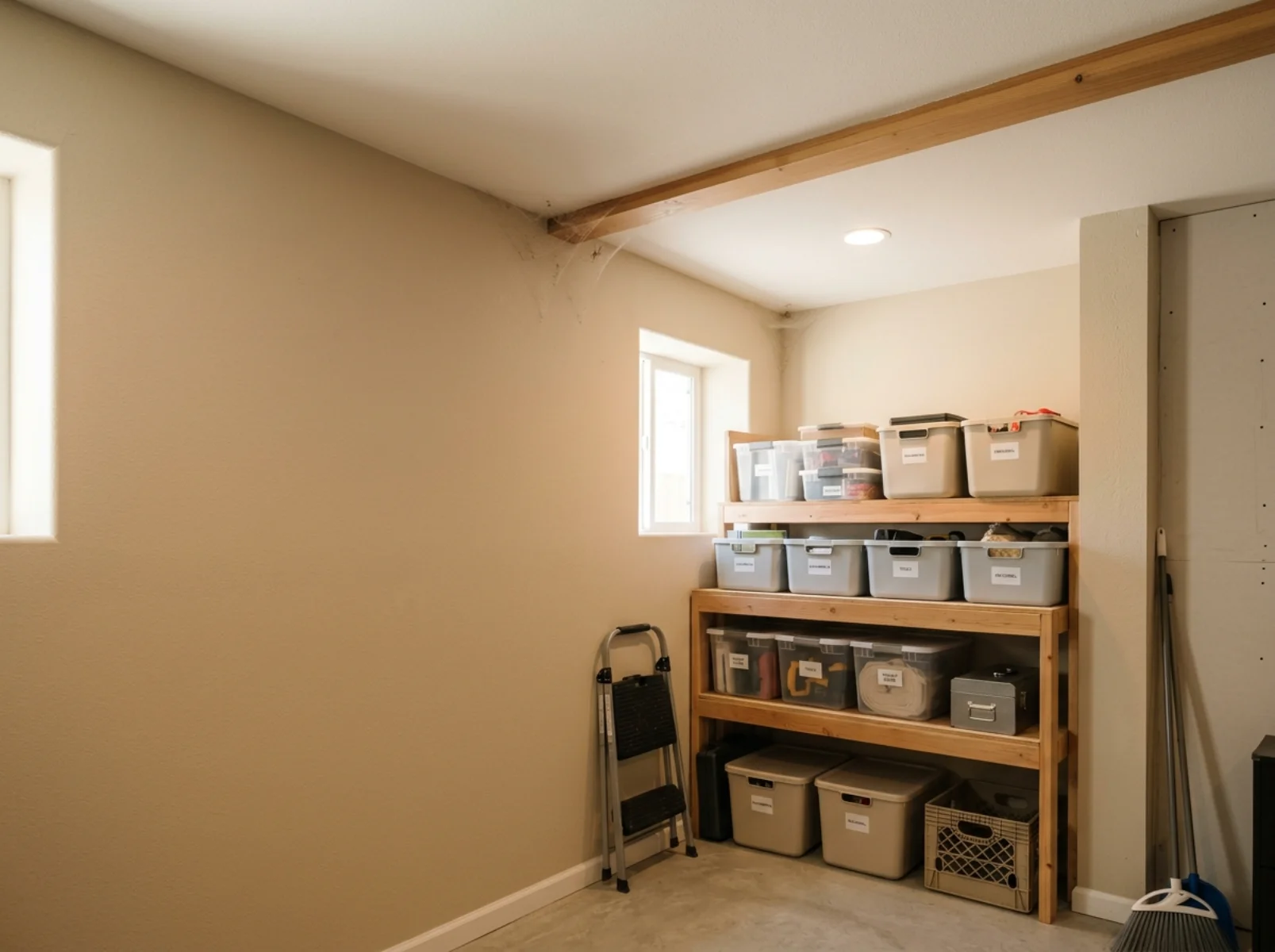
Most Common Pest Entry Points in Saint Louis Homes
Minor gaps and cracks in older brick and mortar are the defining St. Louis entry point — ants, spiders and mice all use them, especially in winter when they’re looking for warmth.
Wood-to-soil contact and foundation cracks are how subterranean termites reach the structure, and mud tubes on the foundation are the first visible sign.
Stored cardboard, boxes and clutter in basements and closets give brown recluse the dry, quiet, undisturbed conditions they prefer, which is why they turn up in stored items rather than in the open.
Worn garage door thresholds are among the most common rodent entries on a Missouri home, and the garage connects directly to the living space.
Sill plate gaps, basement window wells and utility penetrations are where mice get in once the first hard freeze pushes them to look.
Why Saint Louis Homes Deal With These Pests Specifically
Two St. Louis realities change how treatment has to work here — one about the building, one about the soil.
Older brick homes give pests far more ways in
St. Louis housing runs from historic brick near Forest Park to new construction in Chesterfield, and the pest picture differs accordingly. In older brick homes even a minor gap or crack lets ants, spiders or mice in, and winter is when they go looking.
Applying a standard plan to a century-old brick home. Older buildings have far more small gaps than a modern build, so the exclusion work is a bigger part of the job here than the treatment itself.
Clay soil and humid summers suit termite colonies perfectly
The region’s warm, humid summers and clay soil create ideal conditions for subterranean termite colonies. Clay holds moisture against foundations, and the termites work entirely out of sight until a mud tube appears — by which point the colony is well established.
Assuming no visible sign means no termites. This species specialises in staying hidden, so the absence of evidence isn’t evidence of absence — scheduled inspection is the only practical early warning.

What to Expect From a Local Pro’s Visit
Every St. Louis property is different, but the sequence stays the same — your local pro starts with the building’s gaps and the foundation, because here those decide everything.
Inspect
Full inspection: basement and closet storage, garage and crawl space, wood-to-soil contact, foundation, garage threshold and sill plate.
→Identify
Confirming the species, since brown recluse work, subterranean termite treatment and rodent exclusion are three different jobs.
→Treat
Matched to the finding: recluse harborage reduction and targeted treatment, termite baiting or liquid barrier, rodent trapping, or ant baiting.
→Seal
Reducing indoor harborage, sealing foundation cracks and wood-to-soil contact, and closing the garage threshold and sill plate gaps.
→Follow Up
Ongoing service year-round, because brown recluse and subterranean termites don’t pause when the outdoor season does.
→How PestAlly Works in Saint Louis
PestAlly doesn’t perform the pest control ourselves — we connect you with vetted, independent local professionals who do.
Get Started →Tell us what’s going on
The pest, and roughly where in the St. Louis area you’re located.
We match you with an independent, local pro
Someone who services your specific neighborhood.
You deal directly with that contractor
Pricing, scheduling, and the work itself are between you and them.
Frequently Asked Questions
How worried should I be about brown recluse in St. Louis?⌄
Take it seriously. Brown recluse are well established in St. Louis — pale brown, about three-eighths of an inch, with a violin-shaped marking behind the head. They aren’t aggressive, but a bite can cause a serious wound, so the sensible response is to reduce indoor harborage and get the property assessed.
Why doesn’t a perimeter spray help with brown recluse?⌄
Because they’re indoor spiders, not yard spiders. Perimeter spraying targets species that come in from outside; brown recluse live permanently in undisturbed indoor spaces. Reducing clutter and cardboard storage, sealing boxes and monitoring is what actually lowers the population.
Do I really have termite risk in St. Louis?⌄
Yes. Warm humid St. Louis summers and clay soil are close to ideal for subterranean termite colonies, and they’re the most serious structural pest in the region. They work hidden in the soil, so scheduled inspection matters far more than watching for signs.
Do I need pest control through a Missouri winter?⌄
Yes. Outdoor insect activity drops right back, but brown recluse carry on indoors regardless of the season, and house mice and Norway rats move in as soon as it turns cold — through gaps an older brick home has plenty of.
Does PestAlly serve my specific St. Louis neighborhood?⌄
PestAlly connects homeowners throughout St. Louis and the surrounding metro, including the Central West End, Tower Grove, Soulard, Dogtown, Lafayette Square and South City, plus Florissant, Saint Charles, O’Fallon, Chesterfield and Ballwin. ZIP codes we cover in St. Louis include 63104, 63109, 63110, 63116, 63118, 63119, 63123 and 63139.
Get Connected With a Local Saint Louis Pest Control Pro
Whether it’s a recluse in the basement, mud tubes on the foundation, or mice finding a gap in century-old brick, PestAlly connects you with an independent, local pro who knows what St. Louis homes are actually up against.
Looking beyond Saint Louis? See every Missouri city we cover →