
Pest Control in Saint Petersburg, FL
Connect With a Local Pro Who Knows Pinellas County
St. Petersburg is a peninsula, and almost nowhere in the city is more than a couple of miles from salt water. That means a high water table, salt air working on wood and screening, and mangrove and tidal flats close enough to send biting midges inland on a still evening. The city also holds one of the largest concentrations of 1920s bungalows in the South. Old wood plus permanent damp is a specific combination. PestAlly is a free service connecting St. Petersburg homeowners with independent, licensed local pest control pros working Pinellas County.
Call (888) 921-7764Speak to a Local ProWhy Saint Petersburg
Why Saint Petersburg Homes Get Hit Harder Than Most
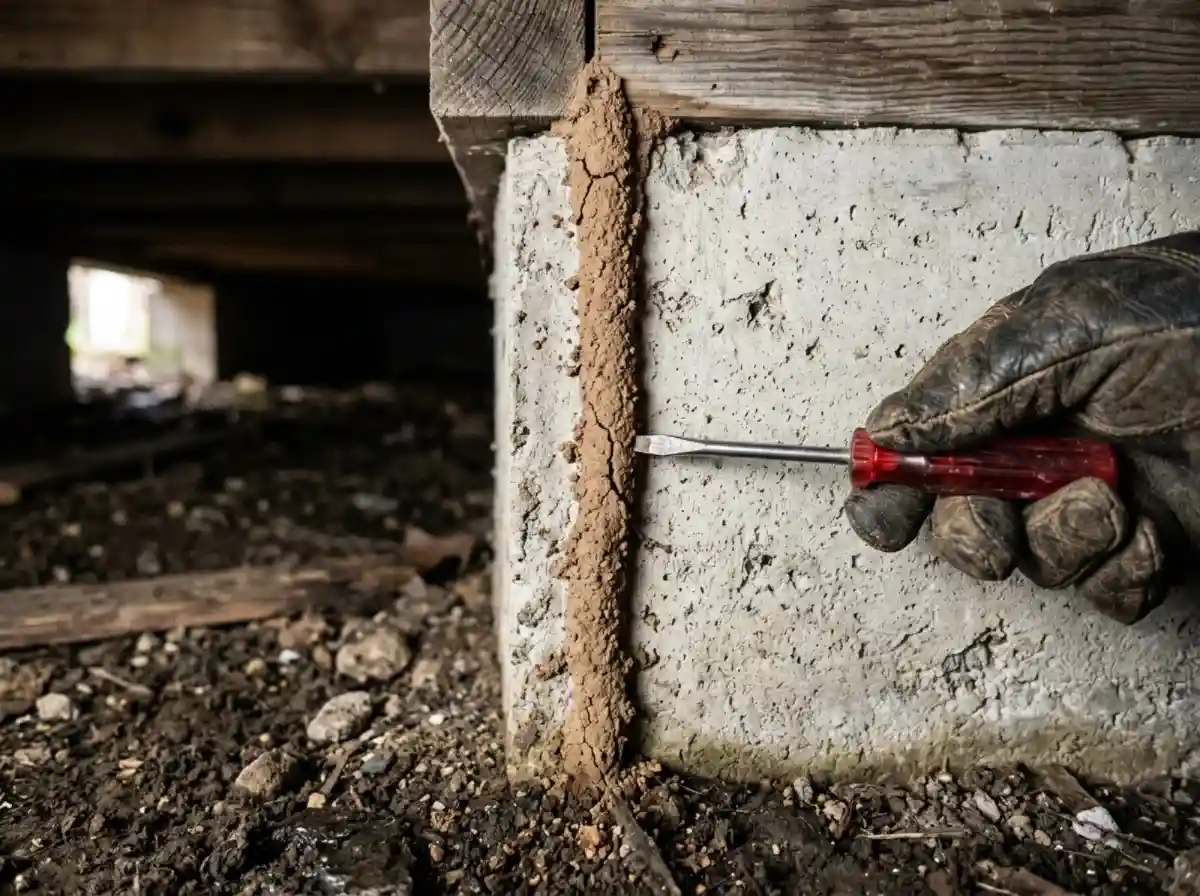
Being surrounded by water changes what you are dealing with. The water table sits close to the surface across most of the peninsula, so soil moisture is permanent and subterranean termites never slow down. Mangrove fringe and tidal flats along the bay and the Gulf side breed saltmarsh mosquitoes and no-see-ums — biting midges small enough to pass through standard window screening, which is why some evenings are unbearable in a screened porch that keeps mosquitoes out perfectly well. Salt air also breaks down wood trim, fascia and screen frames faster, opening entry points.
The housing is unusually old and unusually wooden for Florida. Historic Kenwood alone holds one of the largest collections of 1920s craftsman bungalows in the United States, and the Old Northeast adds Mediterranean Revival and frame houses from the same era — real wood structure, wood siding, exposed rafter tails and shallow crawl spaces. That is West Indian drywood termite habitat, and drywood is the species that generally ends in whole-structure fumigation. Post-1960 St. Pete is block on slab, where subterranean termites come up through bath traps and slab joints instead.

Seasonal Activity
What’s Active in Saint Petersburg, and When
Spring · Mar–May
Subterranean swarms after the first warm rains and drywood swarms into May. Ghost ants push indoors as the dry season ends.
Summer · Jun–Aug
Peak mosquito and no-see-um season off the mangrove fringe, plus American roaches out of drainage after the daily storms.
Fall · Sep–Nov
Mosquitoes hold through the end of the rains, roof rats move into attics, and ant trailing peaks after each storm.
Winter · Dec–Feb
A mild dry season that drives ants and roaches indoors for water, while drywood damage keeps progressing inside old wood.
Coverage
Areas We Cover in Saint Petersburg
Historic Kenwood
One of the largest 1920s bungalow districts in the country — wood structure, rafter tails and shallow crawl spaces make it prime drywood termite ground.
Old Northeast & Coffee Pot Bayou
Frame and Mediterranean Revival houses beside tidal water. Drywood and subterranean termites together, plus heavy no-see-um pressure at dusk.
Downtown & the waterfront condos
Dense multi-unit buildings where German roaches and bed bugs travel shared walls, chutes and utility chases between units.
St. Pete Beach & the barrier island side
Salt air degrading fascia and screening, plus saltmarsh mosquitoes and midges arriving off the flats on still evenings.
Greater Pinellas Point & the southern blocks
Post-1960 block on slab close to the bay. Subterranean termites through bath traps, ghost ants, and roof rats on tile roofs.
St. Petersburg sits about 30 minutes south-west of Tampa on the peninsula between Tampa Bay and the Gulf, with water on three sides of the city.
See the whole state on our Florida pest control page, the metro hub in Tampa, or the nearby towns we also cover: Kissimmee, Winter Park, Clearwater, Largo.
Services
The Pest Problems Saint Petersburg Calls About Most
Termite Control
Kenwood and Old Northeast wood bungalows are drywood territory, while the block-on-slab south side gets subterranean termites through bath traps.
Mosquito Control
Saltmarsh mosquitoes and no-see-ums arrive off the mangrove fringe, and midges pass through standard screening — the fix is different from container control.
Ant Control
Ghost ants and white-footed ants work the whole peninsula, and Florida carpenter ants nest in the damp wood of the older bungalows.
Rodent Control
Roof rats travel oaks and palms onto roofs and enter through fascia gaps that salt air has already opened up on the older houses.
Cockroach Control
American roaches come up out of drainage after storms, while German roaches move through shared walls in the downtown and beach condo stock.
Spider Control
Screened porches and pool cages collect webs constantly, and brown widows have largely replaced black widows along the Gulf coast.
Also available in Saint Petersburg: Bed Bug Treatment · Wasp Nest Removal · Yellow Jacket Removal · Flea Control · Fly Control · General Pest Control
Common Questions
Saint Petersburg Pest Questions, Answered
I am getting bitten on a screened porch that has no mosquitoes.
My 1925 bungalow — drywood or subterranean termites?
Does salt air actually cause pest problems?
Is the water table really why termites are constant here?
Brown widows are all over my pool cage.
Speak to an Exterminator in Saint Petersburg
Tell us what you’re dealing with and we’ll connect you with an independent, licensed exterminator working in Pinellas County. Using PestAlly costs nothing and there is no obligation.
Call (888) 921-7764