
Pest Control in Skokie, IL
Connect With a Local Pro Who Knows Cook County
Skokie is a post-war village and that makes it unusual among its neighbours. Where Evanston and Oak Park are full of 1900s wood, Skokie filled in during the 1950s and 1960s with brick ranches, Georgians and Cape Cods on slab or shallow crawl, plus a large stock of mid-century apartment buildings along Dempster and Skokie Boulevard. The North Shore Channel and the Skokie Lagoons sit on the doorstep. PestAlly is a free service connecting Skokie homeowners with independent, licensed local pest control pros working Cook County.
Call (888) 921-7764Speak to a Local ProWhy Skokie
Why Skokie Homes Get Hit Harder Than Most
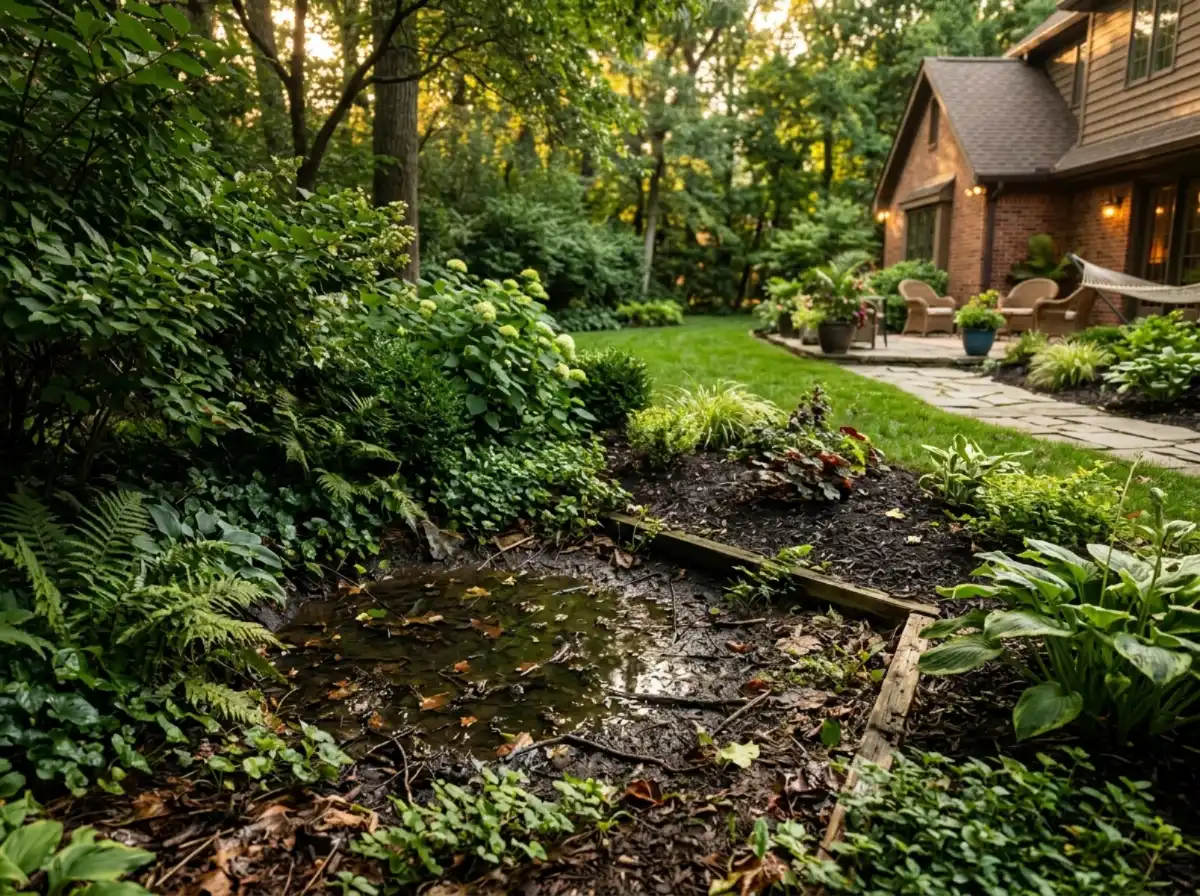
Water is the local driver. The North Shore Channel runs the length of the eastern boundary and the Skokie Lagoons sit just north, and the whole village was built on what was originally wet prairie and marsh — the name itself comes from a word for marsh. The ground still drains slowly, which is why basements here take on water in heavy storms and why Culex mosquitoes have so much to work with. Cook County records West Nile activity most summers, and the alley catch basins beside every block are the breeding site that matters most.
The building stock changes what gets in and how. Post-war brick construction on slab or shallow crawl means far less exposed wood than in Oak Park, so carpenter ants are less of an issue — but the same construction gives mice easy entry at garage door seals, utility penetrations and the gap where brick veneer meets grade, and they arrive in numbers at the first hard freeze. The mid-century apartment blocks along the main corridors are a separate problem entirely, with German roaches and bed bugs moving between units through shared walls and chases.

Seasonal Activity
What’s Active in Skokie, and When
Spring · Mar–May
Rat burrows reopen with the thaw, pavement ants push through walk and driveway joints, and wet basements draw insects.
Summer · Jun–Aug
Culex mosquitoes off the channel, lagoons and alley catch basins peak — the Cook County West Nile window.
Fall · Sep–Nov
Boxelder bugs and lady beetles mass on sunny brick, and mice move indoors in numbers at the first hard freeze.
Winter · Dec–Feb
Mice established in wall voids and garages, German roaches at their most active in heated apartment buildings.
Coverage
Areas We Cover in Skokie
North Shore Channel corridor
Standing water along the channel and in the catch basins beside it — the heaviest Culex mosquito pressure in the village.
Downtown Skokie & the Dempster corridor
Mid-century apartment blocks where German roaches and bed bugs travel shared walls, chases and outlets between units.
The 1950s brick neighbourhoods
Ranches and Georgians on slab or shallow crawl — mice at garage seals and utility penetrations rather than termites in framing.
The alley network, village-wide
Garbage carts and garage slabs behind every block, where Norway rats burrow and forage outward across properties.
Skokie Lagoons side & the north end
Marsh and forest preserve close by, adding mosquito production and steady wildlife movement into back yards.
Skokie sits about 20 minutes north of downtown Chicago, just inland from Evanston, with the North Shore Channel running along its eastern edge.
See the whole state on our Illinois pest control page, the metro hub in Chicago, or the nearby towns we also cover: Evanston, Oak Park, Des Plaines, Cicero.
Services
The Pest Problems Skokie Calls About Most
Mosquito Control
The channel, the lagoons and every alley catch basin breed Culex, the West Nile carrier, so the work is locating water rather than fogging.
Rodent Control
Mice enter post-war brick houses at garage seals and utility penetrations, while Norway rats burrow under garage slabs in the alleys.
Cockroach Control
German roaches move between units in the mid-century apartment stock, so treating one apartment while neighbours go untreated will not hold.
Bed Bug Treatment
Dense multi-unit buildings along the main corridors spread them through shared walls, and Cook County rules cover adjacent units too.
General Pest Control
Boxelder bugs, Asian lady beetles and cluster flies pile onto sunny brick each October and overwinter inside wall voids.
Ant Control
Pavement ants come up through slab joints, walks and driveways, and damp basements draw them further in during wet springs.
Also available in Skokie: Spider Control · Wasp Nest Removal · Yellow Jacket Removal · Flea Control · Fly Control · Termite Control
Common Questions
Skokie Pest Questions, Answered
Why are the mosquitoes worse here than a few miles inland?
Our basement takes water every big storm. Does that cause pests?
Do we need termite protection on a 1958 brick house?
Mice arrive every November no matter what we do.
Roaches in our apartment building keep coming back.
Speak to an Exterminator in Skokie
Tell us what you’re dealing with and we’ll connect you with an independent, licensed exterminator working in Cook County. Using PestAlly costs nothing and there is no obligation.
Call (888) 921-7764