
Pest Control in Des Plaines, IL
Connect With a Local Pro Who Knows Cook County
Des Plaines is defined by two things that sit at opposite ends of the city: the Des Plaines River, which has flooded these neighbourhoods repeatedly and seriously, and O’Hare, which brings a belt of warehousing, freight and hotels along the southern edge. A river floodplain and a freight corridor generate very different pest problems, and this city has both. PestAlly is a free service connecting Des Plaines homeowners with independent, licensed local pest control pros working Cook County.
Call (888) 921-7764Speak to a Local ProWhy Des Plaines
Why Des Plaines Homes Get Hit Harder Than Most
Flooding is the local factor nothing else compares to. The Des Plaines River runs straight through the middle of the city and has put water into these neighbourhoods more than once, and the aftermath is a pest problem in its own right. Rising water floods burrows and forces Norway rats out of the riverbank and the sewer system into garages, basements and crawl spaces on higher ground. Once it recedes, saturated framing, wet insulation and standing water in sumps and window wells keep drawing insects for months. The floodplain also produces mosquitoes in volume long after the water has gone.
The airport belt is the other half. Warehousing, freight terminals, food service and hotel stock along the southern edge and the Mannheim Road corridor supply exactly what commensal rodents and roaches need — loading docks, waste handling and constant movement of goods — and the adjacent residential blocks absorb the overflow. Hotels near O’Hare also make bed bugs a continuous rather than seasonal issue, since guest turnover is relentless. The older housing north of the river adds deep basements and original sewer laterals to the picture.

Seasonal Activity
What’s Active in Des Plaines, and When
Spring · Mar–May
Snowmelt and spring rain raise the river, flushing rats out of burrows and sewers toward buildings on higher ground.
Summer · Jun–Aug
Floodplain and catch-basin mosquitoes peak — the Cook County West Nile window — and warehouse-belt rodent pressure runs high.
Fall · Sep–Nov
Boxelder bugs and lady beetles on sunny walls, mice moving indoors, and rats seeking winter harbourage in garages.
Winter · Dec–Feb
Rodents settled in wall voids, garages and crawl spaces, and roaches active in heated commercial and multi-unit buildings.
Coverage
Areas We Cover in Des Plaines
The Des Plaines River corridor
Repeated flooding drives rats out of burrows and sewers, and leaves saturated framing and standing water that draw insects for months.
Downtown & north of the river
Older housing with deep basements and original clay sewer laterals — rats entering through cracked lines rather than at grade.
The O’Hare & Mannheim Road belt
Warehousing, freight and food service with loading docks and waste handling, feeding rodents and roaches into nearby blocks.
Hotel corridor near the airport
Constant guest turnover makes bed bugs a year-round issue here rather than a seasonal spike.
Cumberland & the western neighbourhoods
Post-war brick on slab and shallow crawl, where mice enter at garage seals and utility penetrations each autumn.
Des Plaines sits about 25 minutes north-west of downtown Chicago, split by the Des Plaines River and bordering O’Hare International Airport.
See the whole state on our Illinois pest control page, the metro hub in Chicago, or the nearby towns we also cover: Evanston, Oak Park, Skokie, Cicero.
Services
The Pest Problems Des Plaines Calls About Most
Rodent Control
River flooding pushes Norway rats out of burrows and sewers into buildings on higher ground — the surge is predictable after every high water.
Mosquito Control
The floodplain holds water for weeks after the river drops, and alley catch basins breed the Culex that carry West Nile.
Bed Bug Treatment
O’Hare hotel turnover keeps them circulating continuously, and in shared-wall buildings adjacent units have to be inspected as well.
Cockroach Control
The freight and food-service belt supports large populations, and American roaches come up out of drainage into nearby residential blocks.
General Pest Control
Boxelder bugs, Asian lady beetles and cluster flies cover warm walls each October and settle into wall voids for the winter.
Ant Control
Pavement ants push through slab joints, and carpenter ants nest in framing left damp by flooding or a long-running leak.
Also available in Des Plaines: Spider Control · Wasp Nest Removal · Yellow Jacket Removal · Flea Control · Fly Control · Termite Control
Common Questions
Des Plaines Pest Questions, Answered
Rats appeared right after the river came up. Is that connected?
Our basement flooded a year ago and we still get insects.
We are near the hotels. Does that raise our bed bug risk?
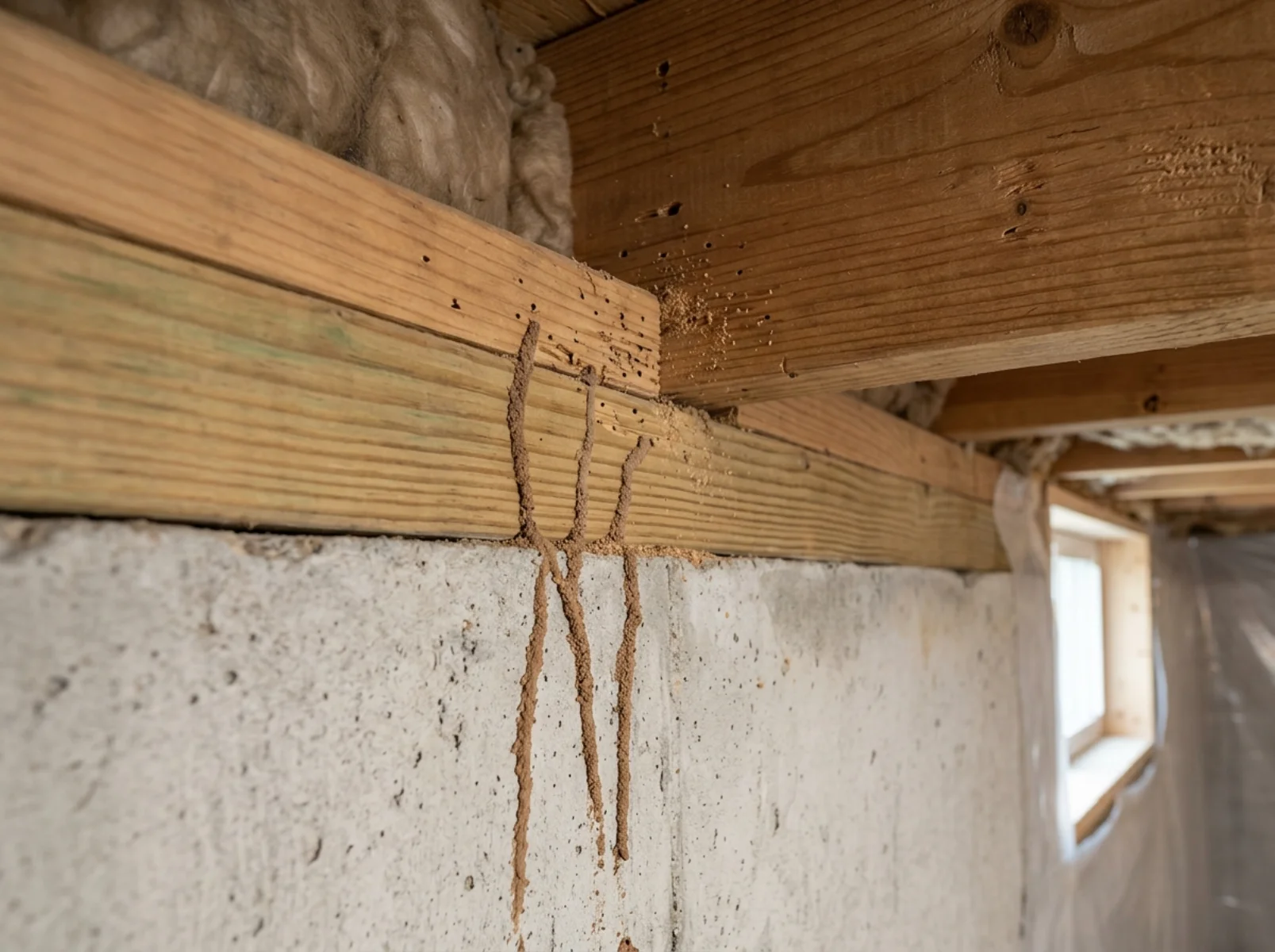
Should we worry about termites here?
Mosquitoes stay bad long after the flooding is over.
Speak to an Exterminator in Des Plaines
Tell us what you’re dealing with and we’ll connect you with an independent, licensed exterminator working in Cook County. Using PestAlly costs nothing and there is no obligation.
Call (888) 921-7764