
Pest Control in Johnston, IA
Connect With a Local Pro Who Knows Polk County
Johnston is the wooded corner of the metro. Saylorville Lake and the Des Moines River wrap the north side, Beaver Creek cuts through the middle in a steep timbered ravine, and Camp Dodge takes up a large block in the centre. Much of the housing is newer and sits on lots backing onto ravine timber rather than farmland. Water and standing timber, not row crop, drive the pest calls here. PestAlly is a free service connecting Johnston homeowners with independent, licensed local pest control pros working Polk County.
Call (888) 921-7764Speak to a Local ProWhy Johnston
Why Johnston Homes Get Hit Harder Than Most
The ravine timber is what makes Johnston different from the rest of the metro. Beaver Creek and the wooded draws running off it keep a continuous band of mature hardwood and undergrowth through the middle of the city, and most subdivisions here back onto it rather than onto a field. That gives squirrels, raccoons, mice and bats a permanent reservoir within a few yards of the house, standing dead timber for carpenter ants to nest in, and deep shade that keeps yards damp and mosquito-friendly long after open ground has dried.
Saylorville adds the water. The lake and the Des Moines River bottoms hold backwater, flooded timber and slow shallow margins, and Saylorville is a flood-control reservoir, so its level is deliberately raised and lowered — leaving newly wetted ground that breeds mosquitoes on a schedule that has nothing to do with rainfall. The housing itself is standard Iowa: full basements with sump pits and egress window wells, which is where mice enter at the rim joist and where camel crickets and cellar spiders live year-round.

Seasonal Activity
What’s Active in Johnston, and When
Spring · Mar–May
Carpenter ant swarmers from timber and damp framing, bats returning to attic roosts, and snowmelt filling sump pits.
Summer · Jun–Aug
Mosquitoes off Saylorville backwater and the shaded Beaver Creek ravines peak, and wasps build under deep eaves and decks.
Fall · Sep–Nov
Lady beetles, boxelder bugs and stink bugs on south walls, and squirrels, raccoons and mice moving in from the timber.
Winter · Dec–Feb
Squirrels denning in attics, mice in rim joists, and carpenter ants working quietly in damp deck and soffit framing.
Coverage
Areas We Cover in Johnston
Beaver Creek & the ravine lots
Steep timbered ravine against the back fence — squirrels, raccoons, carpenter ants in dead timber and shaded mosquito ground.
Saylorville Lake & the river bottoms
Backwater, flooded timber and a reservoir level that rises and falls, wetting new ground and breeding mosquitoes all season.
The newer north subdivisions
Homes on cleared timber ground with full basements — mice at the rim joist and wildlife pressure from the tree line.
Camp Dodge & the central corridor
Large open and wooded institutional ground in the middle of the city, holding rodents and wildlife that spill into nearby streets.
Merle Hay & the southern edge
Older, denser stock closer to Urbandale, with more apartment and commercial pressure from roaches and bed bugs.
Johnston sits north-west of Des Moines between Beaver Creek and the Des Moines River, with Saylorville Lake on its northern doorstep.
See the whole state on our Iowa pest control page, the metro hub in Des Moines, or the nearby towns we also cover: West Des Moines, Ankeny, Urbandale, Altoona.
Services
The Pest Problems Johnston Calls About Most
Rodent Control
Ravine timber runs to the back fence on most Johnston lots, so squirrels, raccoons and mice arrive from the trees rather than the fields.
Mosquito Control
Saylorville is a flood-control reservoir, so its level rises and falls and re-wets ground that breeds mosquitoes regardless of rainfall.
Ant Control
Standing dead timber in the ravines gives carpenter ants ideal nesting sites, and satellite nests move into soffits and deck ledgers.
Wasp Nest Removal
Deep eaves, covered decks and walk-out levels on these wooded lots are prime paper wasp sites, usually well out of safe reach.
Spider Control
Timber against the house plus damp window wells and unsealed sump pits keep spiders working in the basement all winter.
General Pest Control
Lady beetles, boxelder bugs, stink bugs and cluster flies all pile onto warm south walls within the same few October weeks.
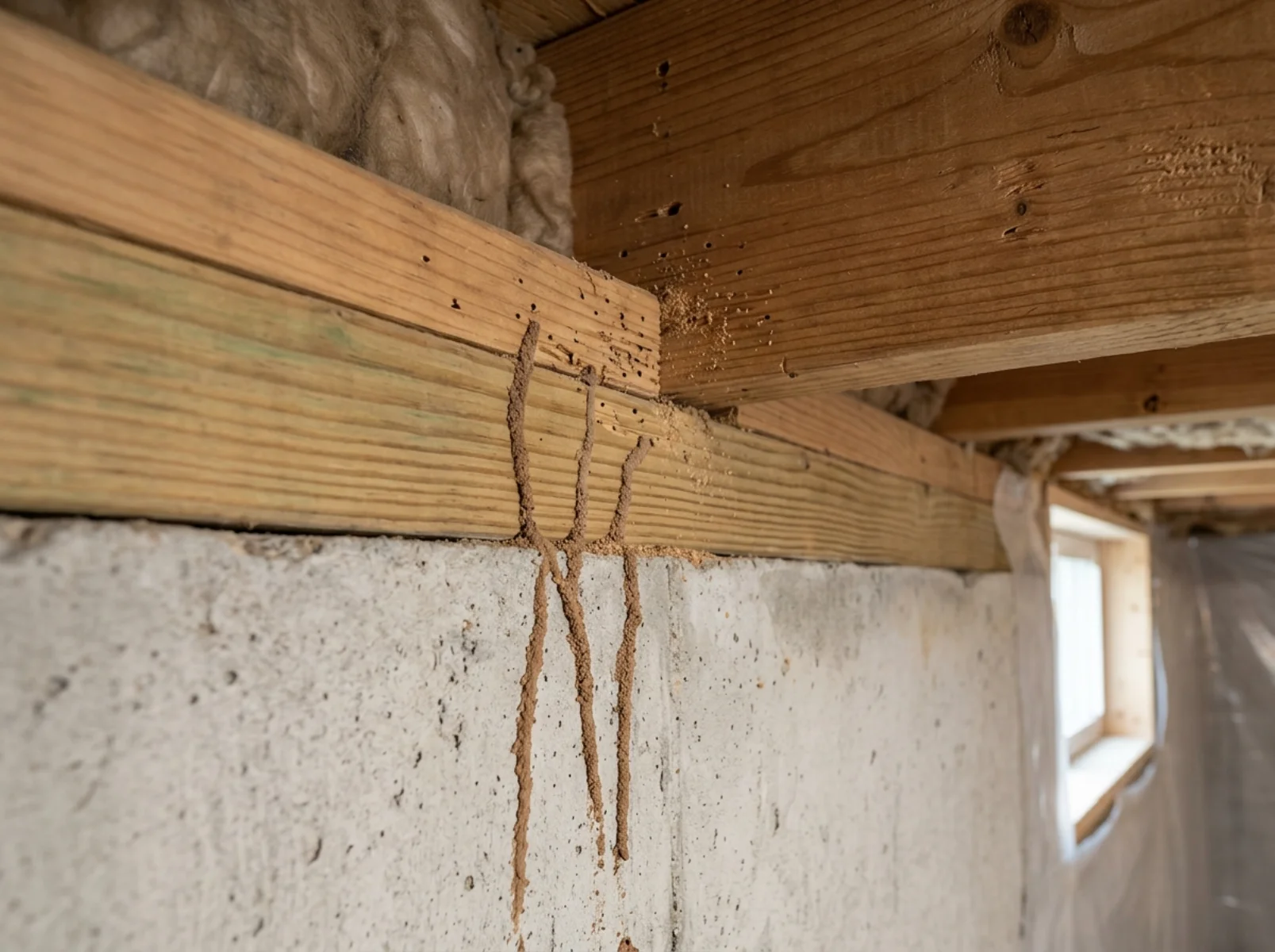
Also available in Johnston: Bed Bug Treatment · Cockroach Control · Yellow Jacket Removal · Flea Control · Fly Control · Termite Control
Common Questions
Johnston Pest Questions, Answered
Something is in the attic and it moves at dusk.
Why do the mosquitoes here not follow the rain?
Our lot backs onto the timber. Can pests actually be kept out?
Squirrels in the soffit every autumn.
Is termite protection worth it on a wooded lot?
Speak to an Exterminator in Johnston
Tell us what you’re dealing with and we’ll connect you with an independent, licensed exterminator working in Polk County. Using PestAlly costs nothing and there is no obligation.
Call (888) 921-7764