
Pest Control in Maize, KS
Connect With a Local Pro Who Knows Sedgwick County
Maize is named for grain and it still lives beside it. The original town grew around the elevator and the rail line, and although subdivisions have spread across what was wheat and milo ground, working fields still start within a few blocks of most streets. The Little Arkansas is to the east. What makes the pest year here different from Iowa or Illinois is that the main harvest lands in June, not October. PestAlly is a free service connecting Maize homeowners with independent, licensed local pest control pros working Sedgwick County.
Call (888) 921-7764Speak to a Local ProWhy Maize
Why Maize Homes Get Hit Harder Than Most
Winter wheat sets the calendar and it catches people out. Kansas wheat is planted in autumn and cut in June and early July, so the big rodent displacement here happens in midsummer rather than after a fall harvest — the field mice living in standing wheat lose cover and food in the middle of the hottest weeks of the year and move to the nearest building. Milo and beans then add a second, smaller push in September and October. A pest plan built around a Midwest fall harvest misses the larger of the two events entirely.
Grain storage is the second factor and it is specific to towns like this one. Elevators, bins, augers and farm sheds hold spilled grain year-round, and spilled grain supports stored-product insects — Indian meal moths, sawtoothed grain beetles, weevils — that then arrive in houses in bags of flour, pet food and birdseed rather than by walking in. It also supports large permanent rodent populations. Add Kansas’s moderate to heavy termite pressure and core brown recluse range, and the older properties here carry a long list.

Seasonal Activity
What’s Active in Maize, and When
Spring · Mar–May
Termite swarms after the first warm rains, peak hail and storm season, and ants active in slab and walk joints.
Summer · Jun–Aug
Wheat harvest sends field mice toward buildings in midsummer, chiggers take the weedy edges, and mosquitoes breed in low ground.
Fall · Sep–Nov
Milo and bean harvest gives a second rodent push, and boxelder bugs, lady beetles and psyllids cover sunny walls.
Winter · Dec–Feb
Rodents settled in garages, sheds and wall voids, and brown recluse active in heated storage and closets.
Coverage
Areas We Cover in Maize
Old Maize & the elevator area
Grain storage, bins and augers holding spilled grain year-round — permanent rodent populations and stored-product insects.
The wheat ground, north and west
Working fields at the property line. The June wheat harvest is the biggest rodent event of the Maize year.
The newer subdivisions
Post-2000 slab homes on former wheat ground. Termites through the slab edge, ants in slab joints, wasps in retaining walls.
Little Arkansas River side
Damp low ground and river backwater east of town, breeding the Culex mosquitoes that carry West Nile in Kansas.
The farmstead lots & county roads
Barns, machine sheds and grain bins that hold mice, rats, recluse and roaches year-round and feed them into houses.
Maize sits about 15 minutes north-west of Wichita, a former grain town on the Little Arkansas River side that is now growing quickly into wheat ground.
See the whole state on our Kansas pest control page, the metro hub in Wichita, or the nearby towns we also cover: Derby, Andover, Haysville, Goddard.
Services
The Pest Problems Maize Calls About Most
Rodent Control
Wheat is cut in June here, not October, so the main rodent push into Maize buildings lands in the middle of summer.
General Pest Control
Spilled grain supports Indian meal moths, grain beetles and weevils that reach the house inside flour, pet food and birdseed.
Termite Control
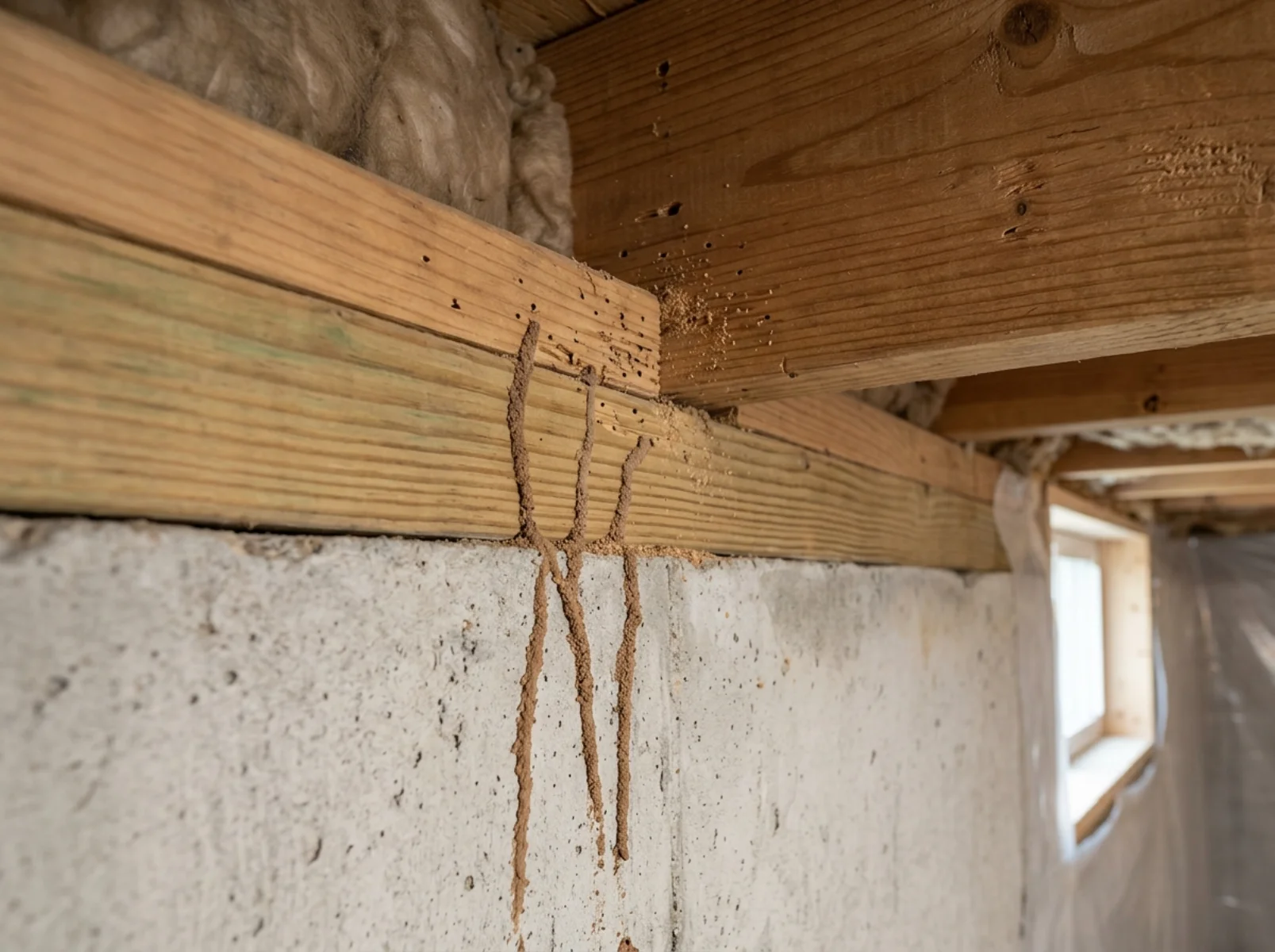
Kansas sits in a moderate to heavy termite band, and slab construction hides the evidence until swarmers appear indoors.
Spider Control
Core brown recluse range, and grain sheds, barns and stored boxes give them exactly the dry undisturbed clutter they want.
Mosquito Control
Little Arkansas backwater and low field ground hold water for weeks, breeding the Culex that carry West Nile.
Fly Control
Livestock, spilled grain and farm waste on the surrounding ground produce filth flies in volumes house treatment alone cannot match.
Also available in Maize: Ant Control · Cockroach Control · Bed Bug Treatment · Wasp Nest Removal · Yellow Jacket Removal · Flea Control
Common Questions
Maize Pest Questions, Answered
Why do mice show up here in June rather than autumn?
Moths in the pantry that we did not bring in.
Is termite treatment normal in Kansas?
Should the barn and grain bins be treated separately?
We are finding recluse in the house, not just the shed.
Speak to an Exterminator in Maize
Tell us what you’re dealing with and we’ll connect you with an independent, licensed exterminator working in Sedgwick County. Using PestAlly costs nothing and there is no obligation.
Call (888) 921-7764