
Pest Control in Leland, NC
Connect With a Local Pro Who Knows Brunswick County
Leland has grown faster than almost anywhere in the state, and it has grown outward across ground that was pine flatwoods, farm and swamp margin until recently — Sturgeon Creek, Jackeys Creek and Brunswick County wetland sit inside and around the developed area. Very new housing on very wet ground, a river crossing from Wilmington, and the coast a short drive away. PestAlly is a free service connecting Leland homeowners with independent, licensed local pest control pros working Brunswick County.
Call (888) 921-7764Speak to a Local ProWhy Leland
Why Leland Homes Get Hit Harder Than Most
Wetland ground under new development is the defining condition. Pine flatwoods and swamp margin sit barely above the water table, so stormwater ponds, retained wetland and drainage ditches hold water permanently rather than draining, giving mosquitoes a production base right inside the subdivisions. Clearing for construction also leaves stumps, roots and buried timber in that wet soil, which is close to ideal for eastern subterranean termites — and the Wilmington area is one of the few parts of the country with established Formosan termites, which are far more destructive.
Coastal conditions and rapid building do the rest. Humidity stays high year-round, so crawl spaces under new houses hold moisture long after the builder has gone, supporting smokybrown roaches, camel crickets and carpenter ants. Hurricane exposure is direct — Florence in 2018 flooded large parts of Brunswick County and cut Leland off — and displaced wildlife, fire ants and ground-nesting wasps arrive in the finished streets as each new phase is cleared.

Seasonal Activity
What’s Active in Leland, and When
Spring · Mar–May
Subterranean termite swarms after warm rain, fire ants in new lawns, and mosquitoes starting early on wet ground.
Summer · Jun–Aug
Peak mosquito pressure off wetland and ponds, Formosan swarms at dusk in May and June, and heavy humidity.
Fall · Sep–Nov
Hurricane season at its peak, yellow jackets at their largest, and rodents moving into crawl spaces.
Winter · Dec–Feb
Mild winters keeping activity going, with rodents in crawl spaces and termites still working wet soil.
Coverage
Areas We Cover in Leland
The new subdivisions on cleared flatwoods
Stumps and roots left in wet soil giving termites a colony site yards from a new foundation.
The retained wetland & stormwater ponds
Permanent standing water inside the developments, breeding mosquitoes right through the season.
Sturgeon Creek & the swamp margins
Blackwater creek and shaded bottomland holding mosquitoes, wildlife and ticks against the streets.
The Cape Fear river frontage
Direct storm and flood exposure, leaving crawl spaces saturated after every serious event.
The older Brunswick County housing
Low crawl-space construction on wet ground, taking constant termite and moisture pressure.
Leland sits across the Cape Fear River from Wilmington in Brunswick County, one of the fastest-growing towns in North Carolina, built on former swamp and pine flatwoods.
See the whole state on our North Carolina pest control page, the metro hub in Wilmington, or the nearby towns we also cover: Hampstead, Castle Hayne, Carolina Beach, Burgaw.
Services
The Pest Problems Leland Calls About Most
Termite Control
Wet soil, buried timber and Formosan termites established in the Wilmington area make this a serious risk.
Mosquito Control
Retained wetland and stormwater ponds hold water permanently inside the subdivisions themselves.
Cockroach Control
Coastal humidity keeps new crawl spaces damp, which is where smokybrown roaches breed before coming up at night.
Ant Control
Fire ants take freshly graded lawns fast, and carpenter ants nest in framing kept damp by humidity.
Rodent Control
Clearing displaces rodents into finished streets, and crawl-space vents give them straightforward entry.
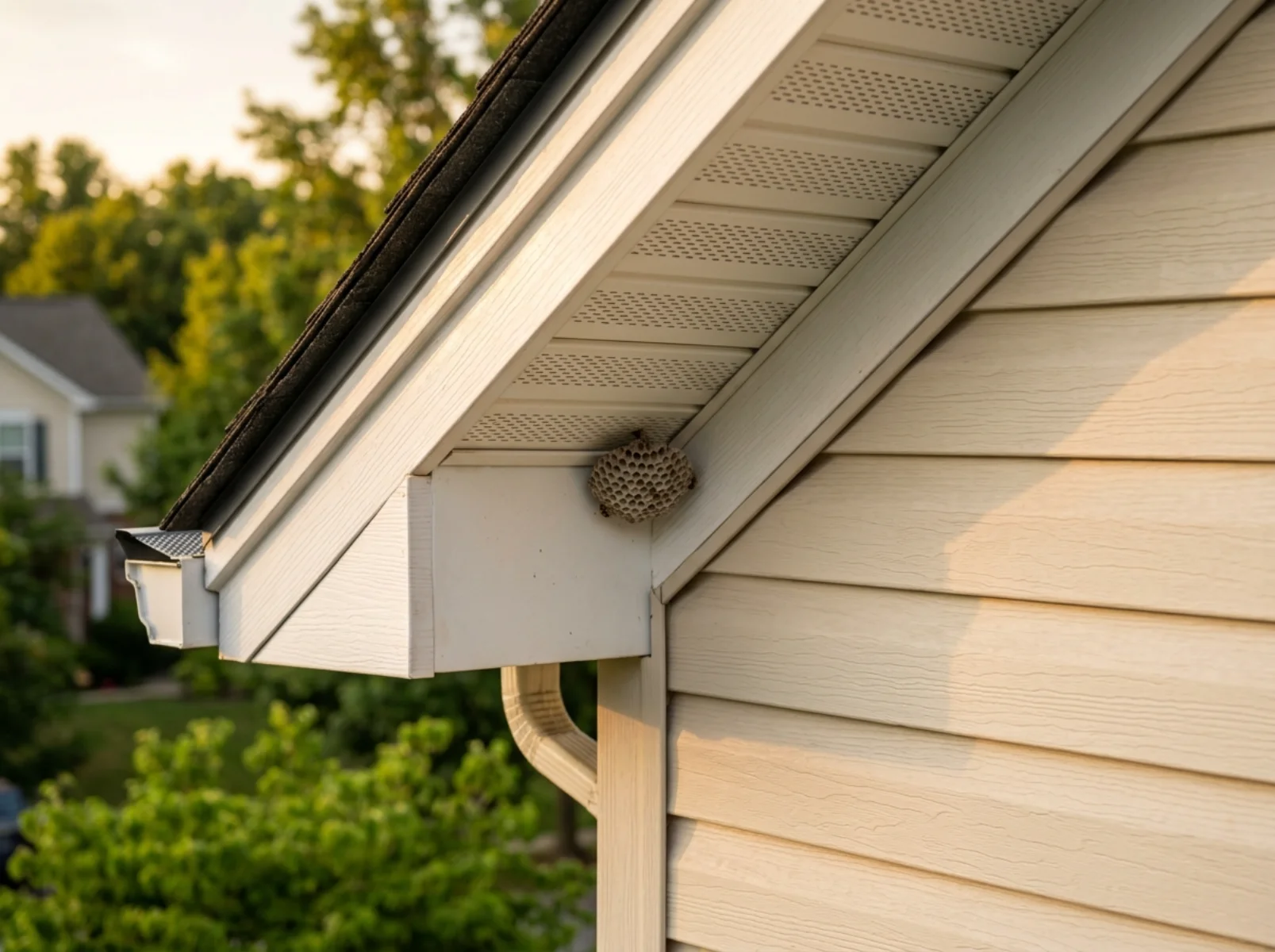
Yellow Jacket Removal
Disturbed sandy ground suits underground colonies, which peak in size and aggression through autumn.
Also available in Leland: Spider Control · Wasp Nest Removal · Bed Bug Treatment · Flea Control · Fly Control · General Pest Control
Common Questions
Leland Pest Questions, Answered
What are Formosan termites and do they matter here?
Our house is new. Why would it have termites?
Mosquitoes are constant even between rains.
The crawl space is damp in a two-year-old house.
What should we check after a hurricane?
Speak to an Exterminator in Leland
Tell us what you’re dealing with and we’ll connect you with an independent, licensed exterminator working in Brunswick County. Using PestAlly costs nothing and there is no obligation.
Call (888) 921-7764