
Pest Control in West Mifflin, PA
Connect With a Local Pro Who Knows Allegheny County
West Mifflin is Mon Valley steel country — hillside streets of mid-century housing, the Kennywood amusement park on the bluff above the river, and the old Homestead Works frontage below it now redeveloped as retail. Steep ground, post-war housing and a big seasonal visitor draw in one borough. PestAlly is a free service connecting West Mifflin homeowners with independent, licensed local pest control pros working Allegheny County.
Call (888) 921-7764Speak to a Local ProWhy West Mifflin
Why West Mifflin Homes Get Hit Harder Than Most
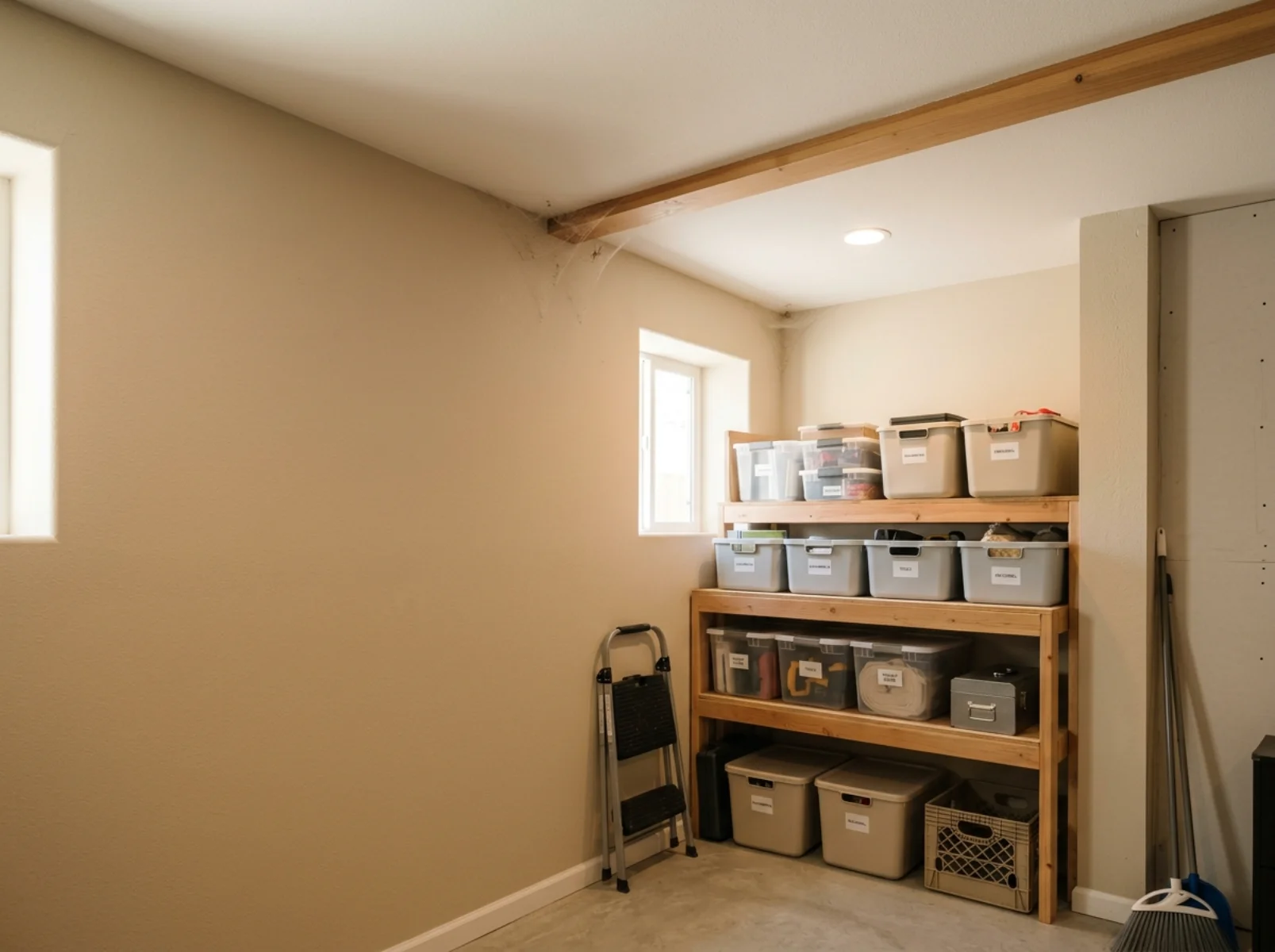
Steep hillside construction creates its own drainage problem. Houses cut into Mon Valley slopes have basement walls holding back a hill, so groundwater moves toward the wall rather than away from it, and the damp that follows keeps basements humid enough for house centipedes, camel crickets and spiders and softens sill plates for carpenter ants. Retaining walls and rock terracing add sheltered voids that mice and yellowjackets both use.
The park season and the river supply the rest. A large amusement park and the riverfront retail concentrate food waste in a short summer season, which raises fly and rodent pressure locally, and the Monongahela corridor holds standing water and dense cover. Western Pennsylvania autumns drive stink bugs and cluster flies into wall voids, eastern subterranean termites are active, and wooded hillsides hold Lyme-carrying ticks.

Seasonal Activity
What’s Active in West Mifflin, and When
Spring · Mar–May
Termite swarms after rain, ticks emerging on wooded hillsides, and cellars still wet from winter.
Summer · Jun–Aug
Park season concentrating food waste, mosquitoes off the river, and yellowjackets in retaining walls.
Fall · Sep–Nov
Stink bugs and cluster flies on sunlit walls, and rodents moving into basements as nights cool.
Winter · Dec–Feb
Mice in wall voids and basements, and centipedes active in damp hillside cellars.
Coverage
Areas We Cover in West Mifflin
The hillside streets
Basement walls holding back a slope, with groundwater moving toward the house rather than away.
The retaining walls and rock terracing
Sheltered voids that mice and yellowjackets both use readily.
The park and riverfront retail
Concentrated seasonal food waste raising fly and rodent pressure through the summer.
The Monongahela corridor
River bottomland and dense margins holding standing water and carrying wildlife in.
The wooded hillsides
Brush and leaf litter holding ticks in the state with the highest Lyme case count.
West Mifflin sits on the Monongahela south-east of Pittsburgh, a former steel borough of hillside housing wrapped around Kennywood park and the old Homestead Works river frontage.
See the whole state on our Pennsylvania pest control page, the metro hub in Pittsburgh, or the nearby towns we also cover: McKeesport, Monroeville, Bethel Park, Cranberry Township.
Services
The Pest Problems West Mifflin Calls About Most
General Pest Control
Damp hillside basements hold centipedes and camel crickets, and wooded slopes hold Lyme ticks.
Rodent Control
Retaining wall voids and seasonal waste give rodents both shelter and a steady food supply.
Ant Control
Carpenter ants follow sill plates kept damp by slope drainage year after year.
Spider Control
Damp basements, window wells and terrace voids give spiders shelter and constant prey.
Yellow Jacket Removal
Retaining walls and hillside banks are prime nesting ground, and colonies peak in autumn.
Termite Control
Eastern subterranean termites are active here, and damp slope soil keeps conditions in their favour.
Also available in West Mifflin: Fly Control · Cockroach Control · Wasp Nest Removal · Bed Bug Treatment · Flea Control · Mosquito Control
Common Questions
West Mifflin Pest Questions, Answered
Water coming toward the basement on the uphill side.
Wasps nesting in the retaining wall.
Fast, long-legged insects in the basement.
Does the park season affect nearby streets?
Ticks on the wooded hillside behind us.
Speak to an Exterminator in West Mifflin
Tell us on the call what you’re dealing with and we’ll connect you with an independent, licensed exterminator working in Allegheny County. Using PestAlly costs nothing and there is no obligation.
Call (888) 921-7764