
Pest Control in Sacramento, CA
Connect With a Local Pro
Who Knows the Valley
PestAlly connects Sacramento County homeowners with independent
local pest control pros who know rain-triggered termite swarms, late-summer yellowjackets
and what Valley heat drives indoors.
Sacramento Swings Between Soaked and Scorched — and Pests Follow Both
Sacramento’s year is built on two extremes: wet, mild winters and long, dry, genuinely hot summers. Both push pests toward the house for opposite reasons. Winter rain saturates the soil across older neighbourhoods like Land Park and Midtown and triggers heavy subterranean termite swarming, while the same water sends rats and mice up into attics and crawl spaces. Then summer flips it — extreme heat drives ants, roaches and wasps indoors hunting moisture, and yellowjackets nesting in old gopher holes turn aggressive as their colonies peak. PestAlly connects Sacramento homeowners with independent, local pros who plan for both halves of that year.
Get Connected With a Local Pro →
At a Glance
Service Area
Sacramento, CA and surrounding Sacramento County communities
Most Common Pests
Subterranean termites, yellowjackets, Argentine ants, roaches, black widows, rats and mice
Peak Pest Season
Termite swarms after winter rain; yellowjackets peak late summer
Response Time
Same-day and next-day appointments typically available
Sacramento’s Year-Round Pest Calendar
Two seasons, two different problems — the Valley rarely gives you both at once.
Winter
Dec – FebWet season peaks; rats and mice move into attics and crawl spaces
Saturated soil begins triggering subterranean termite activity
Termite swarms appear in older Land Park and Midtown housing stock
Spring
Mar – MaySwarming continues; ants push indoors as ground stays wet
Ground dries and ant colonies expand rapidly outdoors
Heat builds; ants and roaches move inside hunting moisture
Summer
Jun – AugYellowjacket colonies grow fast in ground nests and old gopher holes
Peak heat drives roach and ant pressure indoors across the county
Yellowjackets turn aggressive and scavenging as colonies decline
Fall
Sep – NovBlack widows at full size in garages, sheds and woodpiles
Cooling, wetter weather starts moving rodents toward structures
First heavy rains push rodents indoors and re-wet termite soil
One exception: Subterranean termites here are triggered by soil moisture rather than warmth, so the heaviest swarming follows winter and spring rain — not the hottest part of summer. In older parts of the city a wet winter reliably means a swarm season.
Services We Cover in Sacramento
Older Midtown bungalow or newer suburb — here’s what the local pros in our network handle.
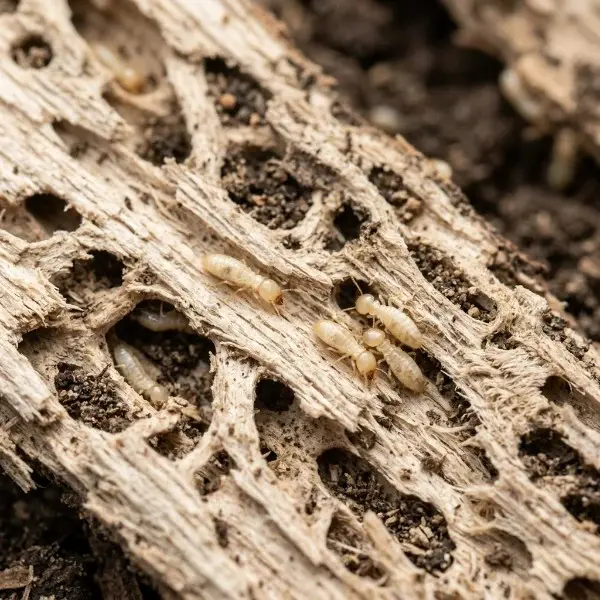
Termites
Common mistake Waiting for warm weather to think about termites.
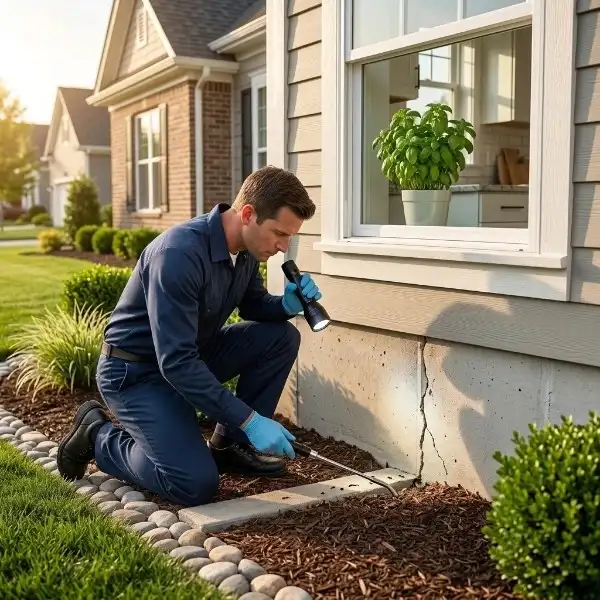
Ants
Argentine and odorous house ants push indoors twice a year: once when winter rain floods colonies, again when summer heat dries out their water sources.
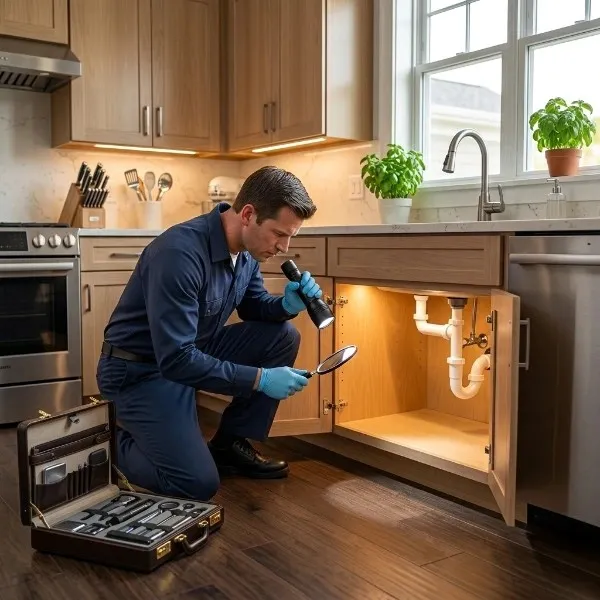
Roaches
German and American roaches move through older plumbing and shared walls, then spread fast once summer heat sets in.

Bed Bugs
Steady rental turnover and travel through the capital keep bed bug cases consistent year-round.

Fleas
Fleas persist in irrigated Valley yards and are re-seeded by urban wildlife through the warm months.

Spiders
Black widows are the common concern in garages, sheds, woodpiles and around older foundations.
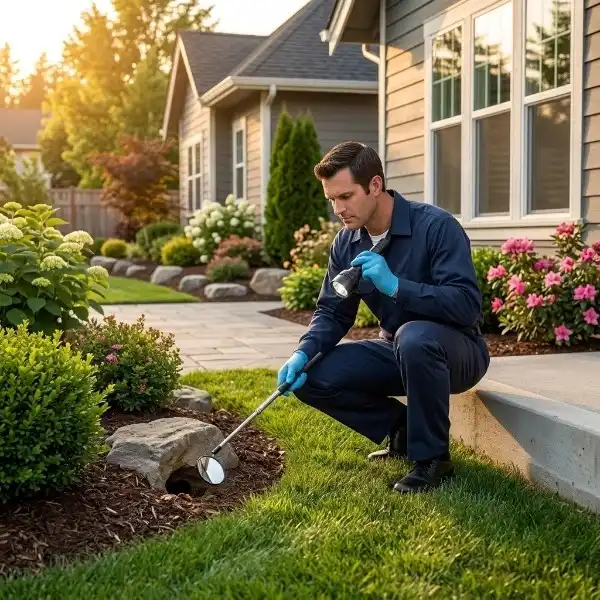
Yellow Jackets
Yellowjackets are a defining Sacramento problem, nesting underground in old gopher holes and turning aggressive late in summer.
Wasps
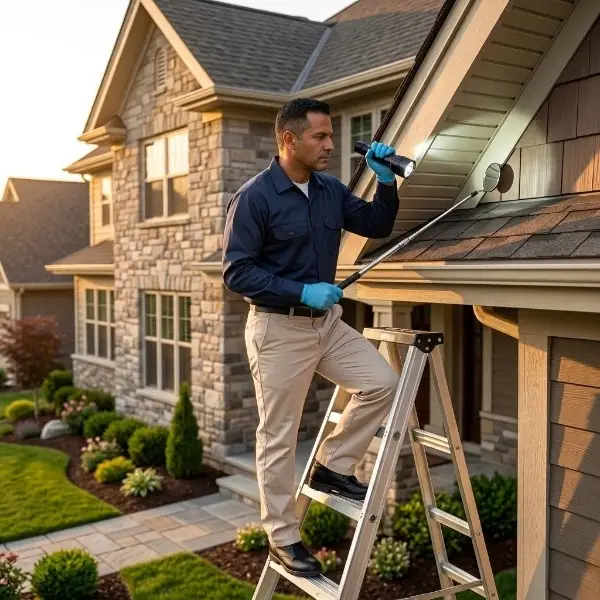
Paper wasps build under eaves, patio covers and pergolas across the county each spring.
Mosquitoes
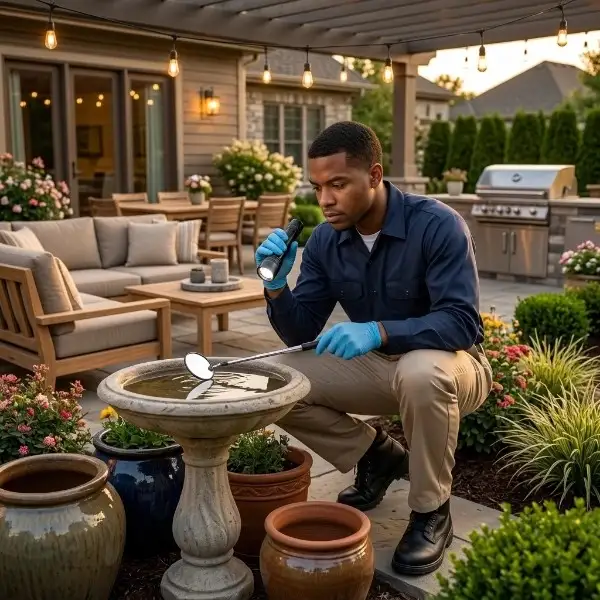
Delta proximity, irrigation and standing water give Sacramento a real mosquito season through the warm months.

Flies
Drain and small flies trace to a specific source, often an older or seldom-used line in an original bathroom or kitchen.

General Insects
Box elder bugs, silverfish and occasional invaders press indoors seasonally, plus termite inspection referrals.

General Rodents
Rats and mice move into attics and crawl spaces as soon as the wet season starts, so exclusion matters more than trapping alone.
Trusted by Homeowners Across the Country
Licensed & Insured
Every pro in the network carries current licensing and insurance.
Same-Day Service
Same-day and next-day appointments typically available.
100% Satisfaction Guarantee
If the pest comes back, your pro comes back — that is the standard.
Locally Trusted Experts
Independent pros who actually live and work in your area.
No Obligation to Book
Talk to a pro first. Nothing is committed until you say so.
Vetted Pro Network
We screen every contractor before they join the PestAlly network.
Most Common Pest Entry Points in Sacramento Homes
Much of Sacramento’s older stock sits over a crawl space, and an unscreened vent or warped access door lets rodents and spiders straight under the living area — the first place they go when the rain starts.
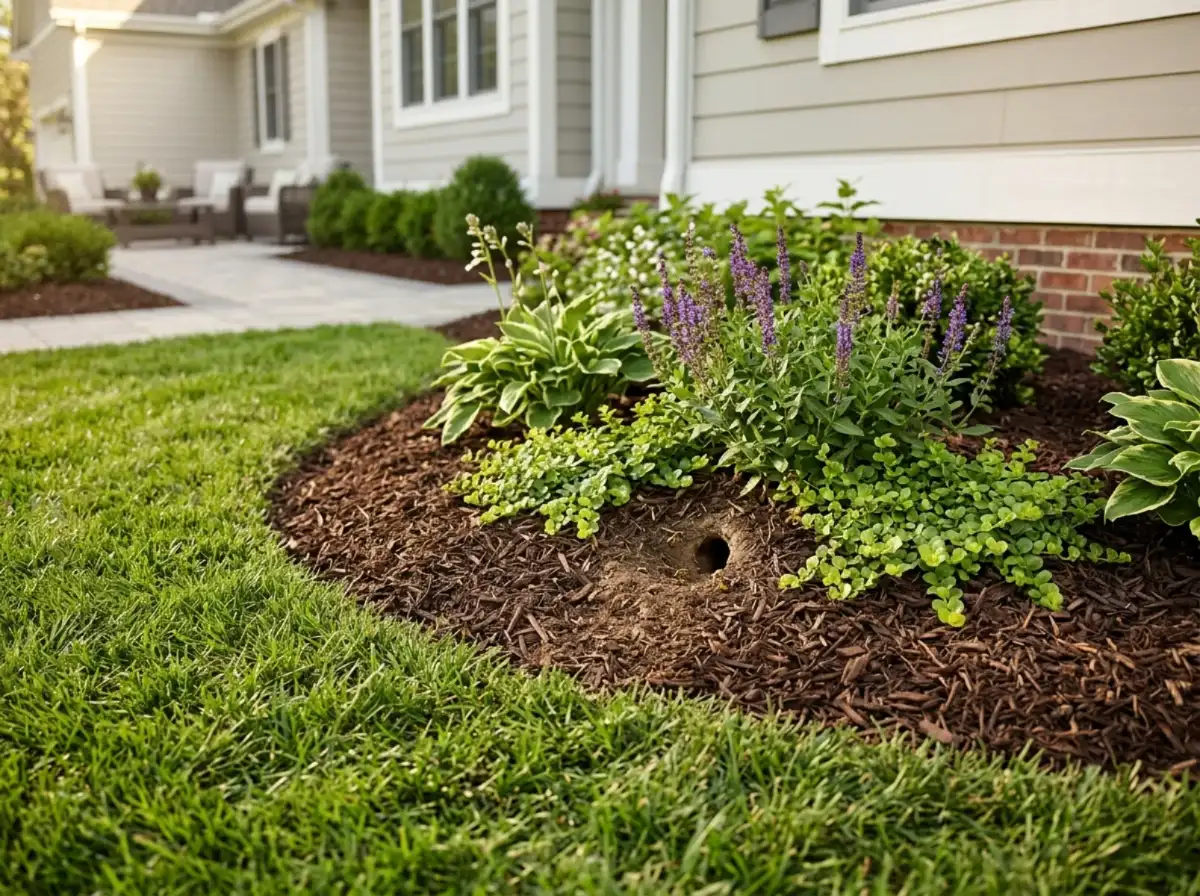
Yellowjackets frequently take over abandoned gopher and rodent burrows for their nests, which is why the dangerous nest is often in open lawn rather than under an eave.
Older homes in Land Park, Midtown and East Sacramento have decades of settling cracks at the slab and stem wall — the routes subterranean termites use after wet winters.
Roof-line and attic gaps give rats and mice a dry, warm harborage as soon as autumn rain begins.
Lawn irrigation and planting hard against the foundation keep soil damp year-round, which supports both ants and subterranean termite activity.
Why Sacramento Homes Deal With These Pests Specifically
Two Valley conditions change the job here — and they arrive at opposite ends of the year.
Winter rain, not summer heat, drives termite swarms
Subterranean termites here respond to soil moisture. Heavy winter and spring rain saturates the ground across Sacramento’s older neighbourhoods and triggers major swarming, which is when most homeowners first discover an established colony.
Waiting for warm weather to think about termites. By the time summer arrives the swarm is over and the colony is simply feeding out of sight again.
Yellowjackets nest underground, not overhead
Sacramento yellowjackets commonly occupy abandoned gopher and rodent burrows, so the nest is in the lawn rather than under the roof. Colonies peak in late summer and become scavenging and defensive, which is when stings spike.
Looking only under the eaves. If the nest is a ground entrance in open lawn, treating the structure achieves nothing — and disturbing it with a mower is how most people find it.
What to Expect From a Local Pro’s Visit
Every Sacramento property is different, but the sequence stays the same — your local pro accounts for both the wet season and the hot one, because the two produce different problems.
Inspect
Full inspection: crawl space, foundation and slab edge, attic and roof line, lawn and ground voids, irrigation and planting lines.
→Identify
Confirming the species, since termite soil work, ground-nest yellowjacket treatment and rodent exclusion are three separate jobs.
→Treat
Matched to the finding: soil treatment or bait stations, direct ground-nest work, ant baiting or rodent exclusion.
→Seal
Screening crawl space vents, sealing slab and roof-line gaps, and pulling irrigated planting back from the foundation.
→Follow Up
Recurring service scheduled around the Valley’s two pressure peaks — the wet season and high summer.
→How PestAlly Works in Sacramento
PestAlly doesn’t perform the pest control ourselves — we connect you with vetted, independent local professionals who do.
Get Started →Tell us what’s going on
The pest, and roughly where in the Sacramento area you’re located.
We match you with an independent, local pro
Someone who services your specific neighborhood.
You deal directly with that contractor
Pricing, scheduling, and the work itself are between you and them.
Frequently Asked Questions
When do termites swarm in Sacramento?⌄
Swarming follows soil moisture rather than heat, so the heaviest activity comes after winter and spring rain. Older neighbourhoods such as Land Park and Midtown see this most reliably, and a swarm indoors usually means an established colony rather than a passing one.
Why are yellowjackets so bad in late summer?⌄
Yellowjacket colonies reach maximum size by late summer, and as their natural food declines they switch to scavenging protein and sugar — which is when they start showing up at patios and bins and become far more defensive.
Why do ants get worse in both winter and summer?⌄
For opposite reasons. Winter rain floods their colonies and pushes them up into buildings for shelter, while summer heat dries out their water sources and pushes them inside hunting moisture. Both peaks are normal here.
Why do rodents show up as soon as it rains?⌄
The first heavy rains flood burrows and crawl spaces, and rodents relocate to the nearest dry, warm harborage — usually an attic, crawl space or garage. Sealing entry points before the wet season is far more effective than trapping afterwards.
Does PestAlly serve my specific Sacramento neighborhood?⌄
PestAlly connects homeowners throughout Sacramento and Sacramento County, including Land Park, Midtown, East Sacramento, Natomas, Curtis Park and Pocket-Greenhaven. ZIP codes we cover in Sacramento include 95811, 95814, 95815, 95816, 95817, 95818, 95819, 95820, 95821, 95822, 95823, 95824, 95825, 95826, 95827, 95828, 95829, 95830, 95831, 95832, 95833, 95834, 95835, 95837, 95838, 95841, 95842 and 95864. We also cover nearby Roseville, Elk Grove, Citrus Heights, Rancho Cordova and Folsom.
Get Connected With a Local Sacramento Pest Control Pro
Whether it’s a termite swarm after a wet winter, a ground nest you found with the mower, or rodents in the crawl space, PestAlly connects you with an independent, local pro who knows what Valley homes are actually up against.
Looking beyond Sacramento? See every California city we cover →