
Pest Control in San Jose, CA
Connect With a Local Pro
Who Knows the South Bay
PestAlly connects San Jose and Santa Clara County homeowners with independent
local pest control pros who know Argentine ant pressure, spring termite swarms
and rodents that arrive along the power lines.
San Jose’s Mild Climate Never Forces a Reset
The South Bay’s weather is gentle enough that pest populations here don’t crash and rebuild each year — they carry over. Argentine ants and German cockroaches reach very high densities across San Jose because nothing knocks them back, and subterranean termites swarm reliably once the last spring rains pass, sending thousands of winged reproductives toward windows. The quieter part is what happens in winter: insect activity slows, but rodents already established in an attic simply keep breeding through the cold months while nobody is looking. PestAlly connects San Jose homeowners with independent, local pros who work on that continuous cycle rather than a seasonal one.
Get Connected With a Local Pro →
At a Glance
Service Area
San Jose, CA and surrounding Santa Clara County communities
Most Common Pests
Argentine ants, German roaches, subterranean termites, roof rats, black widows, spiders
Peak Pest Season
Termite swarms after the last spring rain; ants and roaches peak in summer heat
Response Time
Same-day and next-day appointments typically available
San Jose’s Year-Round Pest Calendar
A mild valley climate means the population never resets — it just shifts from one pest to the next.
Winter
Dec – FebEstablished attic rodents breed through the quiet season
Rain pushes ant colonies up and indoors
Ground warms and ant foraging expands quickly
Spring
Mar – MaySubterranean termites prepare to swarm as the rains ease
Termite swarms appear at windows after the last spring rain
Valley heat builds and ants begin hunting indoor water
Summer
Jun – AugArgentine ants and roaches peak in kitchens and bathrooms
Heat keeps insect pressure at its highest across the county
Black widows reach full size in garages, fences and woodpiles
Fall
Sep – NovRoof rats move toward attics, using power lines and fences
Cooling nights push rodents and spiders into structures
Insects slow, but attic rodent populations keep growing
One exception: Winter isn’t the quiet season people assume. Insect activity genuinely drops, but rodents already living in an attic keep breeding steadily through those months — so a small autumn problem that goes unnoticed is usually a much larger one by spring.
Services We Cover in San Jose
From an ant trail that won’t quit to something moving in the attic — here’s what the local pros in our network handle.
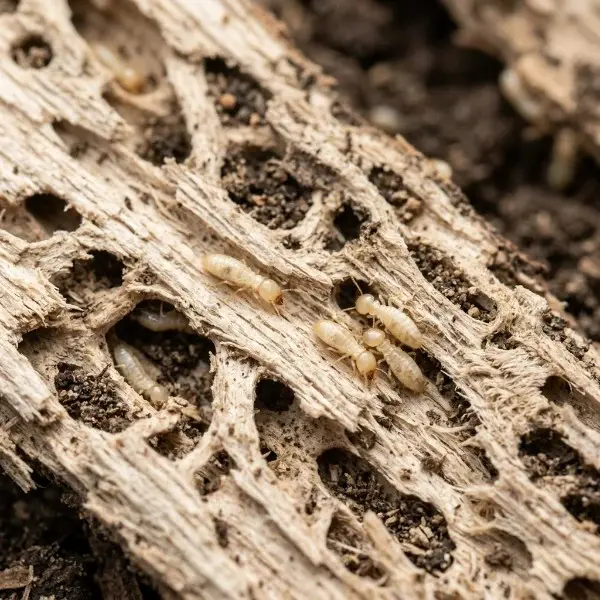
Termites
Slab edges and foundation cracks Subterranean termites reach the structure through cracks at the slab edge and around utility penetrations, especially where soil stays damp after the rainy season.
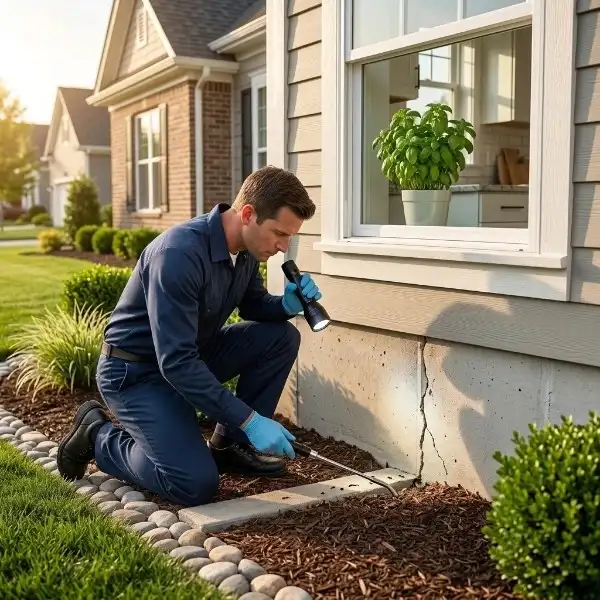
Ants
Argentine ants dominate San Jose and are unusually hard to knock back with contact sprays, which is why baiting the colony is the approach that actually works.
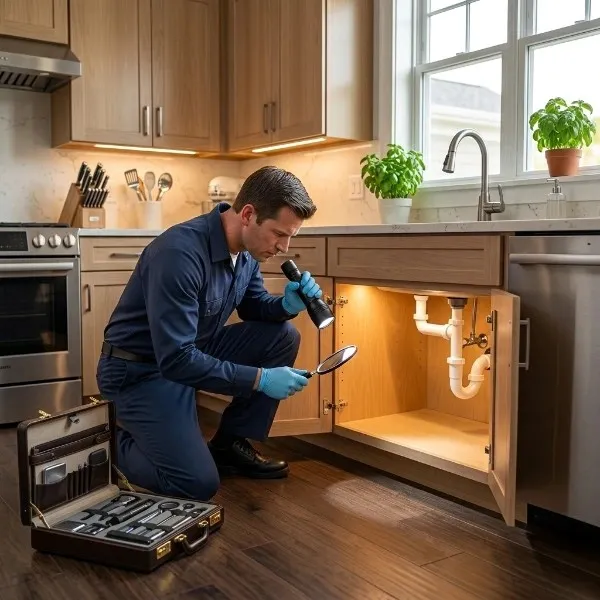
Roaches
German roaches reach high densities across the South Bay, spreading between units through shared plumbing and wall voids.

Bed Bugs
Constant relocation and rental turnover through Silicon Valley keeps bed bug cases steady year-round.

Fleas
Fleas persist in the mild climate and are re-seeded by urban wildlife and outdoor cats.
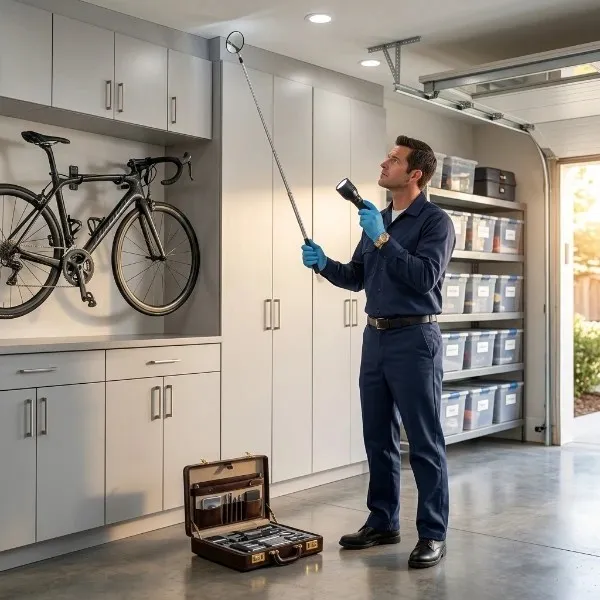
Spiders
Black widows are the common concern in garages, fence lines, woodpiles and around foundations.
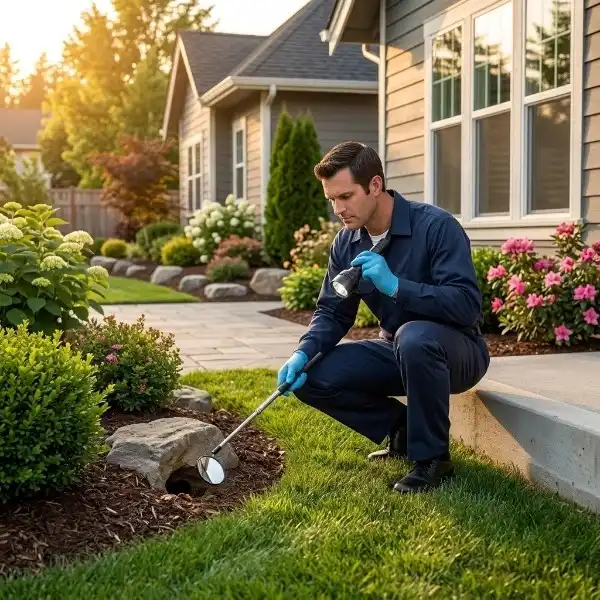
Yellow Jackets
Ground and void nests turn up in lawns and slopes and become defensive through late summer.
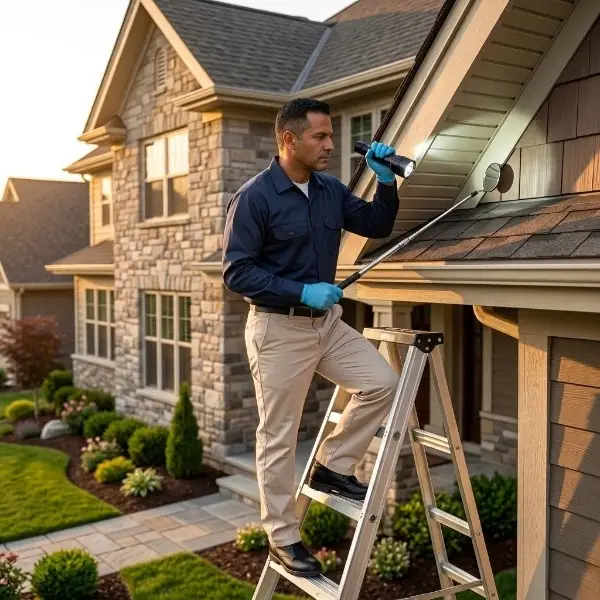
Wasps
Paper wasps build under eaves, patio covers and pergolas across the county each spring.

Mosquitoes
Standing water in containers, neglected pools and creek-adjacent low ground supports mosquitoes through summer.

Flies
Drain and small flies trace to a specific source rather than needing the room fogged.
General Insects
Silverfish, centipedes and occasional invaders press indoors seasonally, plus subterranean termite inspection referrals.

General Rodents
Roof rats use power lines, fences and branches to reach attic vents, so exclusion at the roof line matters more than trapping.
Trusted by Homeowners Across the Country
Licensed & Insured
Every pro in the network carries current licensing and insurance.
Same-Day Service
Same-day and next-day appointments typically available.
100% Satisfaction Guarantee
If the pest comes back, your pro comes back — that is the standard.
Locally Trusted Experts
Independent pros who actually live and work in your area.
No Obligation to Book
Talk to a pro first. Nothing is committed until you say so.
Vetted Pro Network
We screen every contractor before they join the PestAlly network.
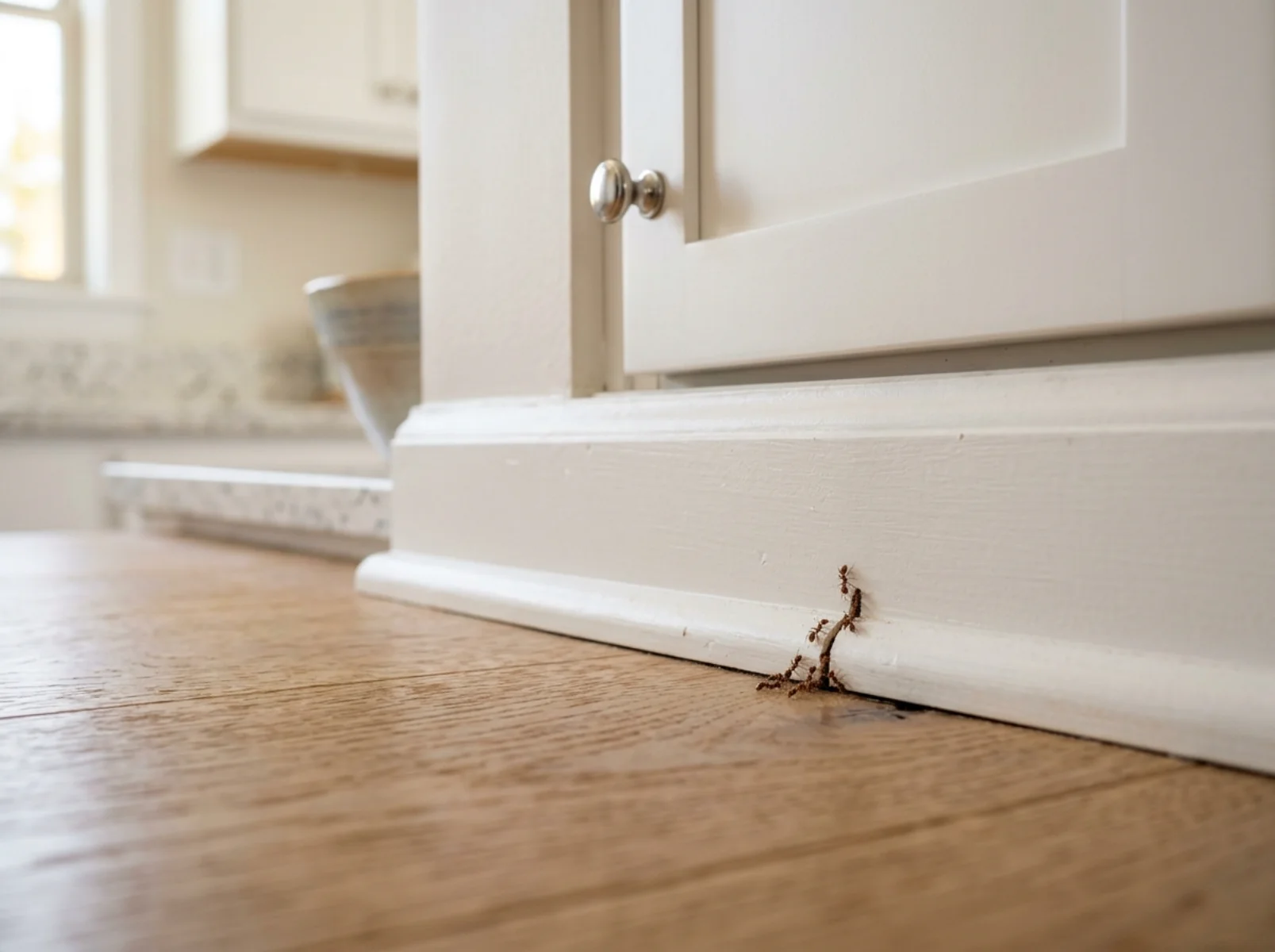
Most Common Pest Entry Points in San Jose Homes
Roof rats travel along utility lines, fences and overhanging branches, then enter at attic vents and roof-to-wall junctions — which is why ground-level baiting alone rarely stops them.
Subterranean termites reach the structure through cracks at the slab edge and around utility penetrations, especially where soil stays damp after the rainy season.
In townhomes, condos and apartments, German roaches and bed bugs move between units through shared plumbing chases and wall voids rather than through the front door.
Worn weatherstripping at garage and side doors gives ants, spiders and rodents an easy route into the first interior space they reach.
Lawn irrigation and dense planting against the slab keep the soil damp year-round, supporting both Argentine ant trails and termite activity.
Why San Jose Homes Deal With These Pests Specifically
Two South Bay conditions change the job here — and both reward exclusion over spraying.
Argentine ants are unusually resistant to contact sprays
Argentine ants dominate San Jose partly because they handle chemical exposure well and partly because their supercolonies span multiple properties with many queens. Killing visible foragers barely affects the colony behind them.
Reaching for a repellent spray. It scatters the trail, splits the colony into new routes, and often makes the problem look worse a week later — non-repellent baiting is what reduces the nest.
Rodents get in overhead, and winter is when they multiply
South Bay roof rats use power lines, fences and tree limbs as highways into attic vents. Once inside they keep breeding through the mild winter, when homeowners are least likely to notice.
Waiting until spring to deal with attic noise. A small autumn population is considerably larger by March, and exclusion at the roof line is what prevents the cycle repeating.

What to Expect From a Local Pro’s Visit
Every San Jose property is different, but the sequence stays the same — your local pro works the roof line and the soil line, because that’s where South Bay problems begin.
Inspect
Full inspection: roof line, attic vents, utility lines and branches, slab edge and foundation, irrigation and planting, plus shared walls in attached homes.
→Identify
Confirming the species, since Argentine ant baiting, roof rat exclusion and subterranean termite work share nothing.
→Treat
Matched to the finding: non-repellent ant baiting, rodent exclusion and trapping, termite soil treatment or perimeter work.
→Seal
Sealing attic vents and roof-line access, trimming line and branch contact, and closing slab and utility gaps.
→Follow Up
Ongoing service through a climate with no true off-season, including winter checks on attic rodent activity.
→How PestAlly Works in San Jose
PestAlly doesn’t perform the pest control ourselves — we connect you with vetted, independent local professionals who do.
Get Started →Tell us what’s going on
The pest, and roughly where in the San Jose area you’re located.
We match you with an independent, local pro
Someone who services your specific neighborhood.
You deal directly with that contractor
Pricing, scheduling, and the work itself are between you and them.
Frequently Asked Questions
Why does spraying make my ant problem worse?⌄
Repellent sprays scatter Argentine ant trails and can split a colony into several new ones, so the trails multiply instead of stopping. Because these supercolonies have many queens spread across neighbouring properties, non-repellent products and baits that workers carry back are what actually reduce them.
When do termites swarm in San Jose?⌄
Subterranean termites here swarm after the last spring rains, when thousands of winged reproductives leave the soil to start new colonies. Finding them at windows usually means an established colony nearby rather than a passing swarm.
How are rats getting into my attic?⌄
Almost always from above. Roof rats climb power lines, fences and overhanging branches and enter through attic vents or roof-to-wall gaps, which is why sealing those points and cutting back branch contact works better than ground-level traps.
Is winter really a quiet season for pests here?⌄
For insects, largely yes. For rodents, no — a population already established in an attic keeps breeding right through the mild winter, so autumn activity that gets ignored is usually a much bigger problem by spring.
Does PestAlly serve my specific San Jose neighborhood?⌄
PestAlly connects homeowners throughout San Jose and Santa Clara County, including Willow Glen, Almaden Valley, Rose Garden, Evergreen, Berryessa and Cambrian Park. ZIP codes we cover in San Jose include 95110, 95111, 95112, 95113, 95116, 95117, 95118, 95119, 95120, 95121, 95122, 95123, 95124, 95125, 95126, 95127, 95128, 95129, 95130, 95131, 95132, 95133, 95134, 95135, 95136, 95138, 95139 and 95148. We also cover nearby Sunnyvale, Santa Clara, Mountain View, Milpitas and Cupertino.
Get Connected With a Local San Jose Pest Control Pro
Whether it’s an ant trail that multiplies after spraying, a termite swarm at the window, or something running across the attic at night, PestAlly connects you with an independent, local pro who knows what South Bay homes are actually up against.
Looking beyond San Jose? See every California city we cover →