
Pest Control in Stockton, CA
Connect With a Local Pro
Who Knows the Delta
PestAlly connects San Joaquin County homeowners with independent
local pest control pros who know Delta waterways, harvest-season rodents
and termite swarms triggered by high water.
Stockton Sits Between the Delta and the Farmland — and Both Send Pests Inland
Stockton has a pest profile shaped by water. The Delta waterways and river banks on one side and irrigated farmland on the other create two constant corridors into the city’s neighbourhoods. Norway rats work the banks and sewer lines while roof rats and field mice move in from Delta farmland the moment crops come off. The same water raises humidity enough to support heavy mosquito and midge activity, and spiders follow the midges. Then in spring, high river levels and rain saturate the soil under Stockton’s older housing and trigger subterranean termite swarming from the ground up. PestAlly connects Stockton homeowners with independent, local pros who understand where the pressure is coming from.
Get Connected With a Local Pro →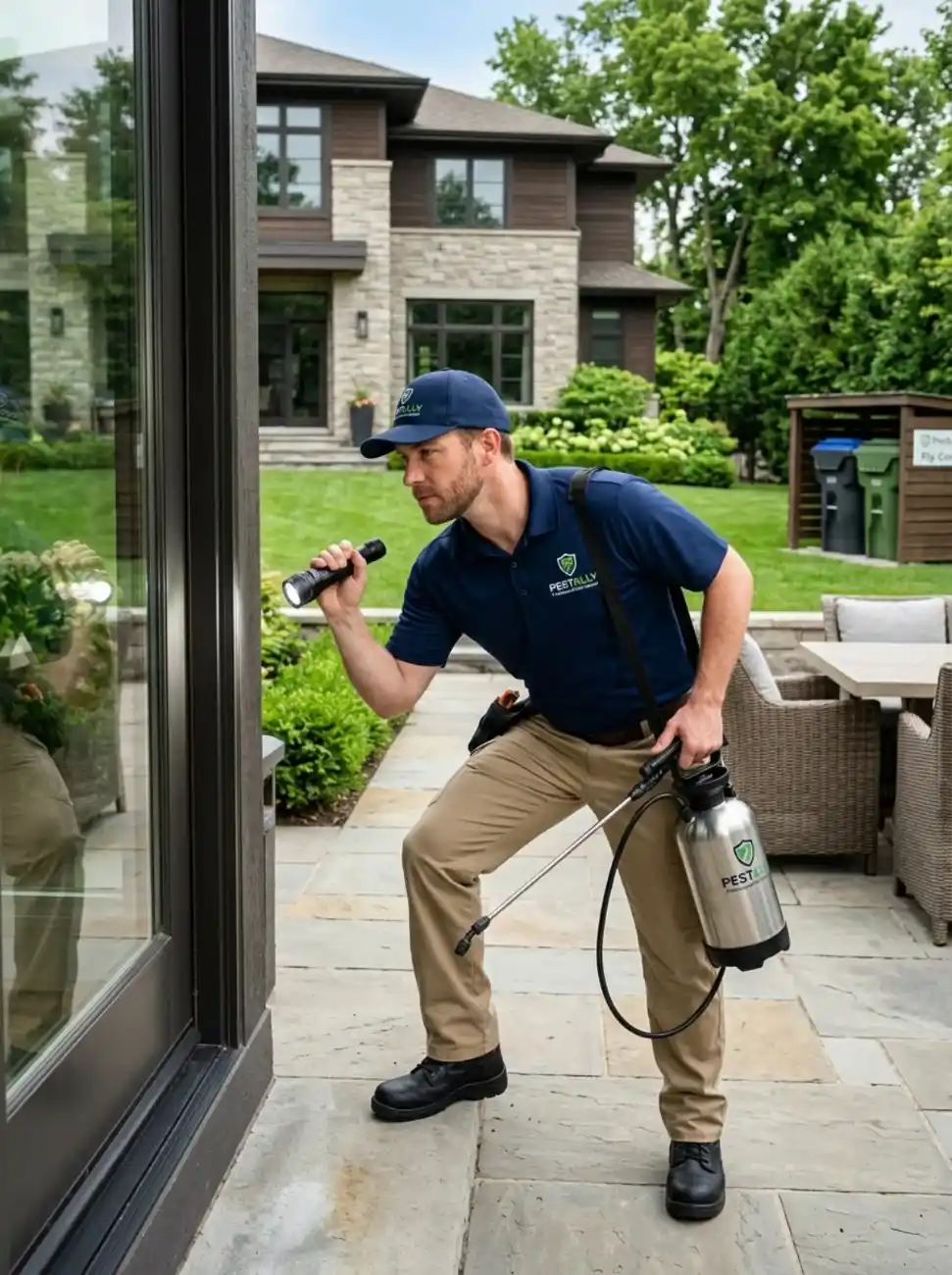
At a Glance
Service Area
Stockton, CA and surrounding San Joaquin County communities
Most Common Pests
Norway & roof rats, Turkestan roaches, subterranean termites, black widows, mosquitoes, ants
Peak Pest Season
Termite swarms in spring high water; rodents surge at harvest
Response Time
Same-day and next-day appointments typically available
Stockton’s Year-Round Pest Calendar
Water sets the rhythm here — river levels, irrigation and harvest matter more than the thermometer.
Winter
Dec – FebWet season pushes Norway rats out of banks and sewers into homes
Damp keeps roaches active in older downtown plumbing
Rising river levels saturate soil and termite activity begins
Spring
Mar – MaySubterranean termite swarms come up through older foundations
Swarming continues; mosquitoes build along Delta waterways
Midges and mosquitoes peak near the water, and spiders follow them
Summer
Jun – AugHeat and Delta moisture together drive roach and ant pressure
Black widows at full size in garages, fences and woodpiles
Harvest begins and roof rats and field mice move in from farmland
Fall
Sep – NovHarvest rodent pressure peaks across neighbourhoods near fields
Cooling, wetter weather moves rodents into attics and garages
Rain returns and river-bank rodents relocate toward structures
One exception: Termite swarming here is driven by river levels and soil saturation rather than warmth alone. A high-water spring reliably produces swarms through Stockton’s older neighbourhoods, from downtown out to the Miracle Mile, regardless of how warm the season has been.
Services We Cover in Stockton
Waterfront, downtown or out toward the fields — here’s what the local pros in our network handle.
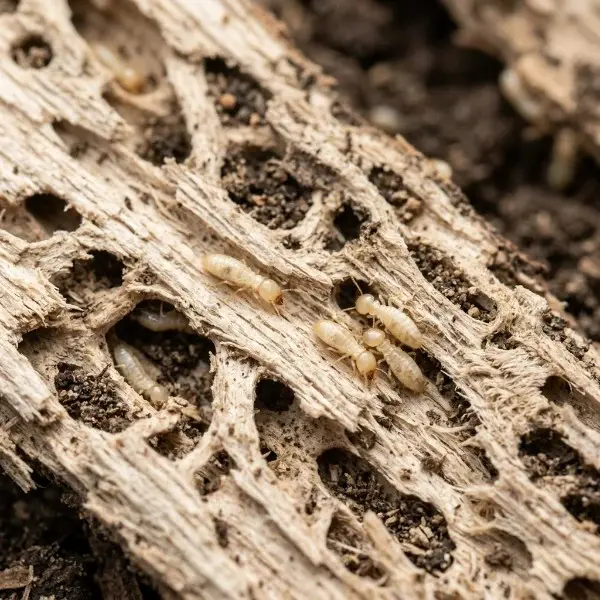
Termites
That pushes subterranean termites upward and produces swarms from the ground.
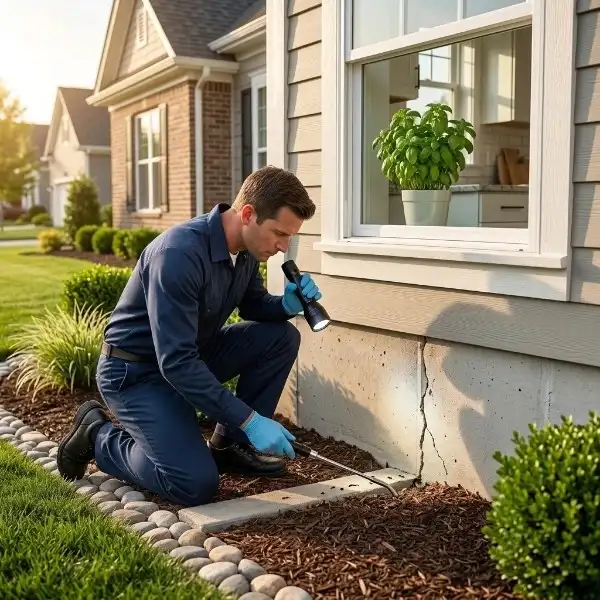
Ants
Argentine ants are especially common near the Delta and in older neighbourhoods, trailing indoors whenever the ground floods or dries out.

Roaches
Turkestan roaches thrive in downtown Stockton’s aging sewer infrastructure and surface through drains and utility connections.

Bed Bugs
Rental turnover across the city keeps bed bug cases steady through every season.

Fleas
Irrigated yards and farmland wildlife keep re-seeding properties, so pet treatment alone rarely holds.

Spiders
Black widows are a common Stockton complaint in garages, fence lines, woodpiles and around older foundations.
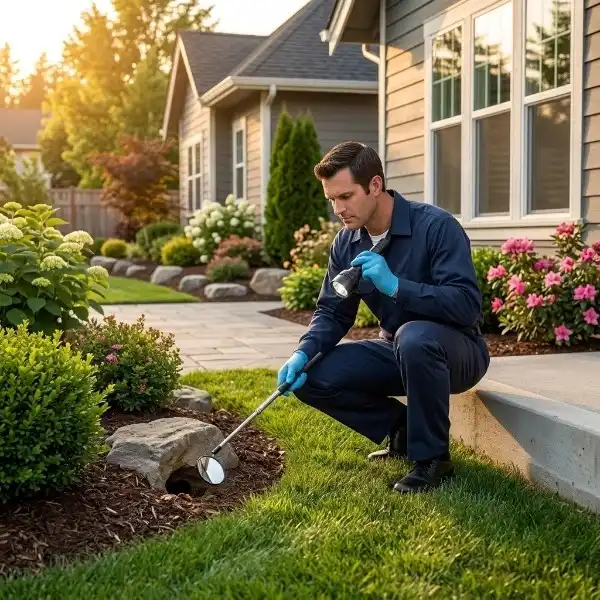
Yellow Jackets
Ground and void nests turn up along field margins and lawns and get defensive through late summer.

Wasps
Paper wasps build under eaves, patio covers and outbuildings each spring across the county.

Mosquitoes
Delta humidity and standing water give Stockton a genuinely heavy mosquito and midge season.

Flies
Filth and drain flies increase around harvest and in older drain lines, and a pro traces the source.

General Insects
Midges draw spiders toward the house near the water, and crickets and silverfish increase with the damp.

General Rodents
Norway rats come from river banks and sewers while roof rats and field mice arrive from farmland at harvest.
Trusted by Homeowners Across the Country
Licensed & Insured
Every pro in the network carries current licensing and insurance.
Same-Day Service
Same-day and next-day appointments typically available.
100% Satisfaction Guarantee
If the pest comes back, your pro comes back — that is the standard.
Locally Trusted Experts
Independent pros who actually live and work in your area.
No Obligation to Book
Talk to a pro first. Nothing is committed until you say so.
Vetted Pro Network
We screen every contractor before they join the PestAlly network.
Most Common Pest Entry Points in Stockton Homes
Homes near the Delta or a levee sit directly on a Norway rat corridor. The bank is permanent harborage, so pressure arrives from that side continuously rather than seasonally.
Stockton’s aging downtown sewer network supports large Turkestan roach populations that surface through floor drains, basements and utility penetrations.
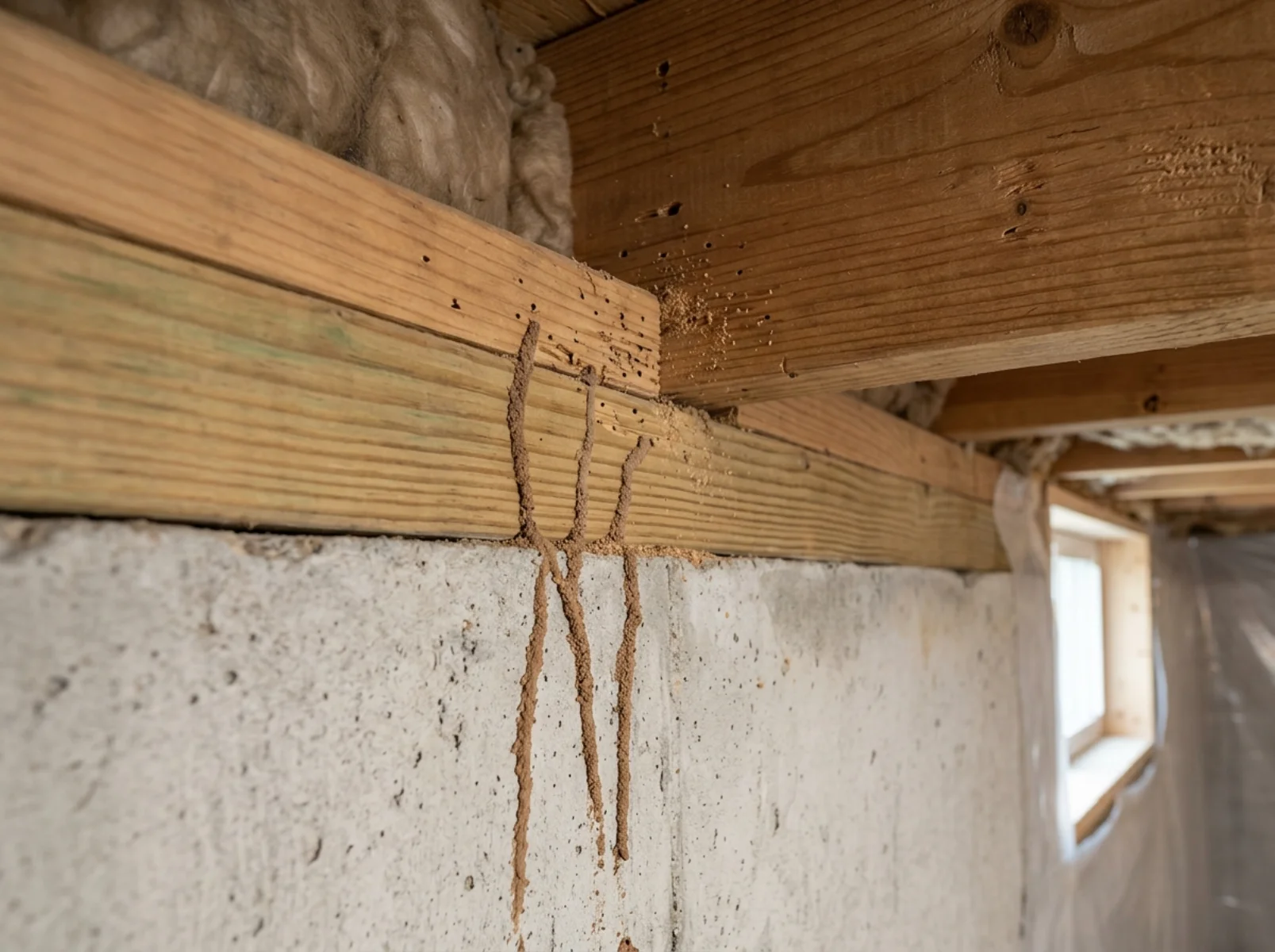
Older neighbourhoods from downtown to the Miracle Mile sit on aging wood and settled foundations, giving subterranean termites a route up through the slab and stem wall.
Roof rats and field mice arriving from farmland climb to attic vents and roof-to-wall junctions rather than entering at ground level.
When crops come off, everything living in those fields moves — and properties along that boundary are the first place it goes.
Why Stockton Homes Deal With These Pests Specifically
Two things about San Joaquin County change the job here — and both are about water and farming, not weather.
Harvest, not autumn, starts the rodent season
When surrounding Delta farmland is harvested, the cover and food supply disappear overnight and roof rats and field mice relocate en masse toward the nearest structures. It’s a displacement event with a date rather than a gradual seasonal drift.
Waiting for cold weather to seal up. By then the move has already happened, and exclusion before harvest is far more effective than trapping afterwards.
High water triggers termite swarms through older foundations
Rising river levels and spring rain saturate the soil beneath Stockton’s older housing stock, which pushes subterranean termites up through foundation cracks and produces swarms from the ground rather than from the wood.
Assuming a swarm means the colony is new. Swarming indicates an established colony that has been feeding underground for years — the swarm is the symptom, not the beginning.

What to Expect From a Local Pro’s Visit
Every Stockton property is different, but the sequence stays the same — your local pro starts at the boundary, because here the pressure comes from the water and the fields.
Inspect
Full inspection: waterway or levee boundary, field-facing lines, drains and sewer connections, foundation and slab, attic and roof line.
→Identify
Confirming the species, since Norway rat work at a bank, Turkestan roaches from a drain and termite soil treatment are three separate jobs.
→Treat
Matched to the finding: rodent exclusion and trapping, drain and source treatment, termite soil work or perimeter treatment.
→Seal
Sealing drain and utility penetrations, foundation gaps and roof-line access, and clearing harborage along the boundary.
→Follow Up
Recurring service timed around the two local peaks — spring high water and the harvest window.
→Stockton Neighborhoods & Communities We Serve
PestAlly connects homeowners across Stockton and the surrounding San Joaquin County communities.
Miracle Mile
→Brookside
→Lincoln Village
→Weberstown
→Spanos Park
→Venetian Gardens
→Pacific Avenue
→Downtown Stockton
→Quail Lakes
→Country Club
→How PestAlly Works in Stockton
PestAlly doesn’t perform the pest control ourselves — we connect you with vetted, independent local professionals who do.
Get Started →Tell us what’s going on
The pest, and roughly where in the Stockton area you’re located.
We match you with an independent, local pro
Someone who services your specific neighborhood.
You deal directly with that contractor
Pricing, scheduling, and the work itself are between you and them.
Frequently Asked Questions
Why do rats show up every autumn?⌄
It’s harvest rather than temperature. When Delta farmland is cut, roof rats and field mice lose their cover and food in a matter of days and move toward the nearest buildings. Sealing entry points before harvest works far better than trapping once they’re already inside.
Why are there roaches coming out of the drains?⌄
Usually Turkestan roaches coming up from Stockton’s aging downtown sewer system. They arrive through floor drains, basements and utility connections rather than from the yard, so drain treatment and sealing does more than perimeter spraying.
When do termites swarm in Stockton?⌄
In spring, when high river levels and rain saturate the soil under older foundations. That pushes subterranean termites upward and produces swarms from the ground. A swarm means an established colony has been feeding below for years already.
Why are mosquitoes and spiders both worse near the water?⌄
Delta humidity supports very heavy midge and mosquito hatches, and spiders follow that food supply toward lit walls and eaves. Reducing exterior lighting and standing water usually reduces both at once.
Does PestAlly serve my specific Stockton neighborhood?⌄
PestAlly connects homeowners throughout Stockton and San Joaquin County, including the Miracle Mile, Brookside, Lincoln Village, Spanos Park and Quail Lakes. ZIP codes we cover in Stockton are 95202, 95203, 95204, 95205, 95206, 95207, 95209, 95210, 95211, 95212, 95215 and 95219. We also cover nearby Tracy (95304, 95376, 95377, 95391), Lodi (95240, 95242) and Manteca (95336, 95337).
Get Connected With a Local Stockton Pest Control Pro
Whether it’s rats arriving with the harvest, roaches from a downtown drain, or a termite swarm after high water, PestAlly connects you with an independent, local pro who knows what Delta-area homes are actually up against.
Looking beyond Stockton? See every California city we cover →