
Pest Control in Mesa, AZ
Connect With a Local Pro Who Knows Maricopa County
Mesa is the oldest of the big East Valley cities and it shows in the housing: block-wall construction from the 1950s through the 70s, mature citrus in the back yards and an SRP canal grid running through it. Bark scorpions live in those block walls, roof rats live in the citrus, and neither is going anywhere. PestAlly connects Mesa homeowners with independent, licensed local pros who work Maricopa County every week.
Call (888) 921-7764Speak to a Local ProWhy Mesa
Why Mesa Homes Get Hit Harder Than Most
Two things drive Mesa. The first is water in a desert: the SRP canals and lateral ditches run through older Mesa, and flood-irrigated lots are still common in the established neighbourhoods. That standing and moving water supports mosquitoes through the monsoon and keeps soil moisture at foundations high enough for desert subterranean termites to work year-round. The second is age — a 1960s Mesa block home has had sixty years for stucco to crack and weep screed to shift.
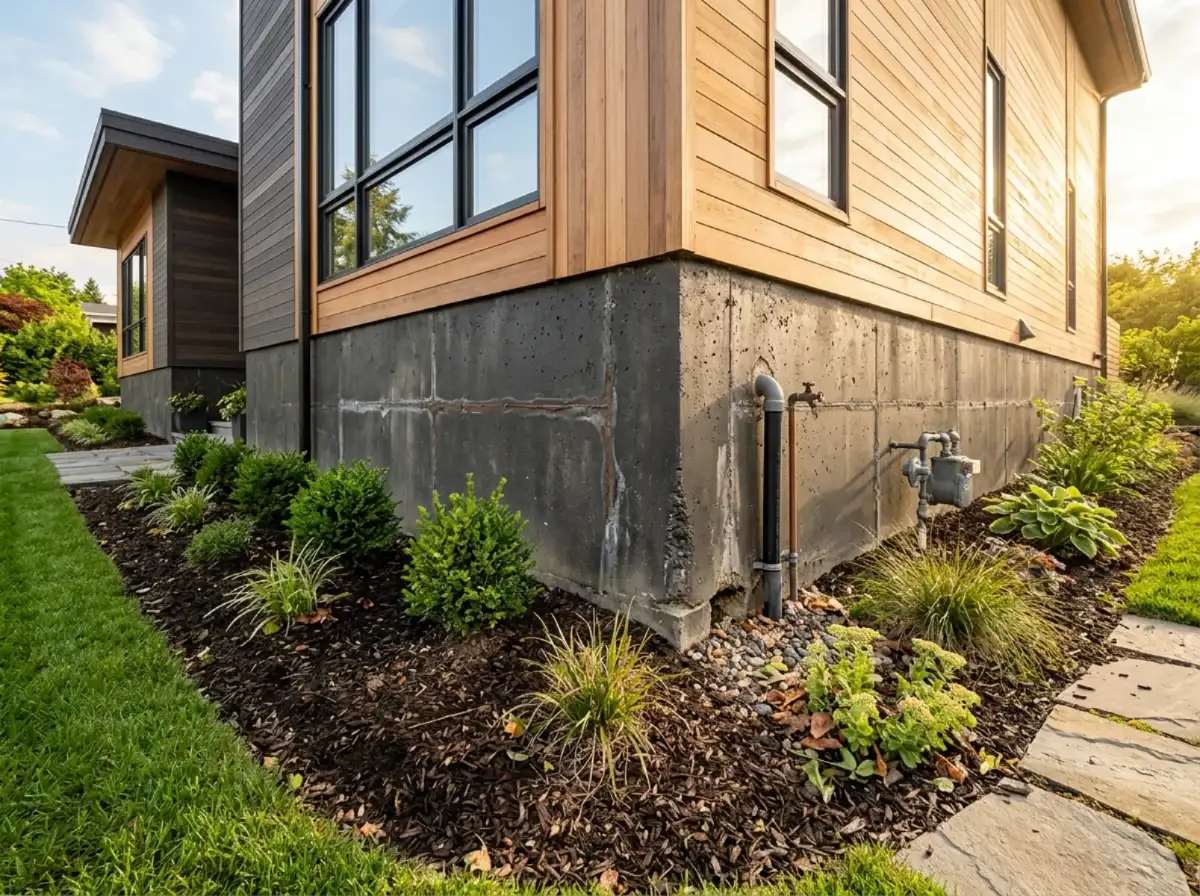
Block wall is the detail most people miss. Bark scorpions do not need a hole; they flatten into the gap where a block wall meets the weep screed and get inside through the smallest crack. Mature citrus is the other half — a fruiting tree touching the roofline is a ladder, and roof rats use it every autumn. Those two problems together are why Mesa calls look nothing like a new build in Gilbert.
Seasonal Activity
What’s Active in Mesa, and When
Spring · Mar–May
Bark scorpions become active as nights warm. Desert subterranean termites swarm, and Africanized bees start scouting wall voids and meter boxes.
Summer · Jun–Aug
Monsoon. Standing water breeds mosquitoes, scorpions move after every storm, and roaches come up out of sewer and irrigation lines.
Fall · Sep–Nov
Citrus ripens and roof rats climb the trees to the roofline. Scorpions still active into October.
Winter · Dec–Feb
Roof rats settle into attics and wall voids, and termites keep feeding under slabs where the desert soil never freezes.
Coverage
Areas We Cover in Mesa
The 1950s–70s block-home streets
Bark scorpions flatten into the gap where block wall meets weep screed. Sealing that line matters more than spraying the yard.
Flood-irrigated lots
Older Mesa still has flood irrigation. Standing water on the lot breeds mosquitoes and keeps foundation soil damp enough for termites all year.
The SRP canal and lateral grid
Moving water through the middle of town supports mosquitoes through the monsoon and gives roof rats a green corridor to travel.
Mature citrus back yards
Fruiting trees touching the roofline are a ladder. Roof rat calls in Mesa spike as soon as the citrus ripens in autumn.
The newer east Mesa subdivisions
Stucco over slab out toward 85212 and 85215. Different problem — scorpions in fresh block walls and termites at expansion joints.
Mesa is a 20-minute drive east of central Phoenix, but the East Valley has its own pest profile — older block homes, mature citrus and the SRP canal grid all change what shows up at the door.
See the whole state on our Arizona pest control page, the metro hub in Phoenix, or the nearby towns we also cover: Chandler, Gilbert, Scottsdale, Glendale.
Services
The Pest Problems Mesa Calls About Most
Scorpion Control
Bark scorpions get in where block wall meets weep screed. In Mesa the fix is sealing that line, not fogging the yard.
Rodent Control
Roof rats climb mature citrus to the roofline. Trimming the trees back from the roof is genuinely half the job here.
Termite Control
Desert subterranean termites work year-round in Maricopa County soil, and flood irrigation keeps the foundation zone permanently damp.
Mosquito Control
Monsoon standing water, canal laterals and flood-irrigated lots are the breeding sites — treatment has to find them.
Cockroach Control
American roaches come up out of sewer and irrigation lines after monsoon rain, especially in the older Mesa blocks.
Ant Control
Desert harvester ants and pavement ants trail in off the block wall line looking for moisture through the hot months.
Also available in Mesa: Wasp Nest Removal · Bed Bug Treatment · Flea Control · Yellow Jacket Removal · Fly Control · Spider Control
Common Questions
Mesa Pest Questions, Answered
How are scorpions getting in when I have no visible holes?
Why do I get rats every autumn?
Does flood irrigation make my pest problem worse?
Do termites really matter in the desert?
When is scorpion season in Mesa?
Speak to an Exterminator in Mesa
Tell us what you’re dealing with and we’ll connect you with an independent, licensed exterminator working in Maricopa County. Using PestAlly costs nothing and there is no obligation.
Call (888) 921-7764