
Pest Control in San Bernardino, CA
Connect With a Local Pro Who Knows San Bernardino County
San Bernardino sits directly against the San Bernardino Mountains with Cajon Pass at its shoulder. The mountain front is a permanent wildland boundary, the valley below traps summer heat, and much of the housing is older than the newer Inland Empire cities around it. PestAlly connects San Bernardino homeowners with independent, licensed local pros who work San Bernardino County every week.
Call (888) 921-7764Speak to a Local ProWhy San Bernardino
Why San Bernardino Homes Get Hit Harder Than Most
The mountain front is the defining feature. Chaparral and foothill canyon run straight against the northern neighbourhoods, holding rodents, ground squirrels, snakes and coyotes permanently. When the brush dries each summer that population moves downhill toward irrigated yards, and the canyon mouths funnel them into specific streets. Cajon Pass adds wind that dries everything earlier than the coastal side of the county.
Heat and housing age do the rest. Inland Empire summers regularly exceed 100°F, and when everything outside bakes, the reliable moisture is your irrigation and your house — ants, roaches and spiders follow. San Bernardino also has a large stock of pre-war and mid-century housing with crawl spaces, exposed timber and older drain networks, which is a different termite and roach picture from the newer slab suburbs nearby.
Seasonal Activity
What’s Active in San Bernardino, and When
Spring · Mar–May
Argentine ants indoors as the ground warms, subterranean swarms after the rains, and foothill wildlife active.
Summer · Jun–Aug
100°F heat drives everything toward irrigation. Brush dries and rodents begin moving down from the front.
Fall · Sep–Nov
Peak rodent movement off the dry foothills, and yellow jacket colonies at maximum aggression.
Winter · Dec–Feb
Rain floods ant nests and drives them indoors; rats settle into attics, crawl spaces and garages.
Coverage
Areas We Cover in San Bernardino
The mountain front & canyon mouths
Chaparral against the northern streets, with canyons funnelling rodents, snakes and coyotes into specific neighbourhoods.
The pre-war & mid-century housing
Crawl spaces, exposed timber and older drain networks — a different termite and roach job from the newer suburbs.
The Cajon Pass wind corridor
Wind dries ground and brush earlier here than on the coastal side, moving wildlife downhill sooner.
The multi-unit & rental blocks
Shared walls and plumbing chases move German roaches and bed bugs between units rather than keeping them in one.
The Santa Ana River wash
A dry-most-of-the-year channel that acts as a wildlife corridor and holds pooled water after storms.
San Bernardino sits about 15 minutes north-east of Riverside at the foot of the San Bernardino Mountains, and that mountain wall shapes both the heat and the wildlife pressure.
See the whole state on our California pest control page, the metro hub in Riverside, or the nearby towns we also cover: Moreno Valley, Fontana, Victorville, Anaheim.
Services
The Pest Problems San Bernardino Calls About Most
Rodent Control
The mountain front re-supplies constantly, and canyon mouths funnel rodents into specific streets each autumn.
Ant Control
In 100°F heat your irrigation is the reliable water, and Argentine ants run as one colony across the block.
Cockroach Control
German roaches move between units in the rental stock; oriental roaches use the older drain networks.
Termite Control
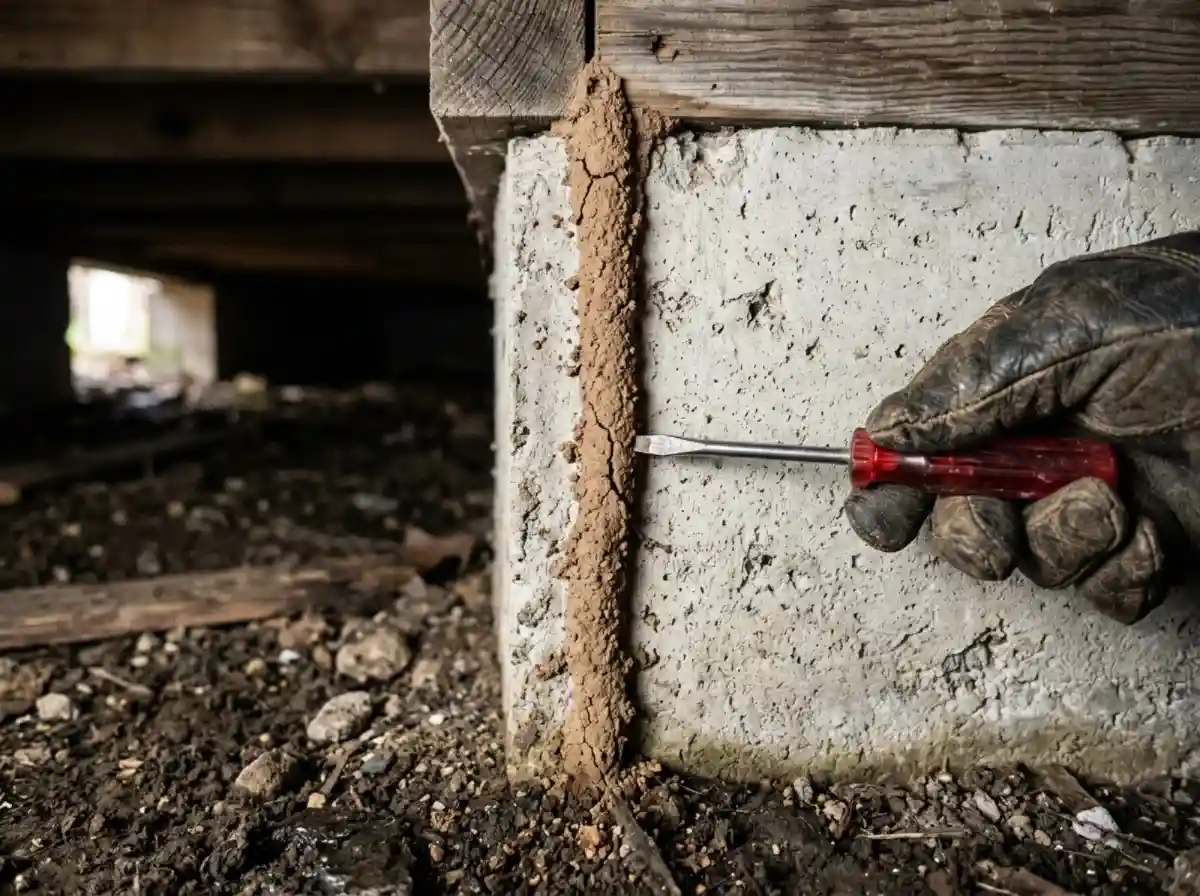
Crawl spaces in the older stock and slabs in the newer — plus drywood in exposed timber this close to the coast.
Spider Control
Black widows in meter boxes, garages and hillside retaining walls are the standard Inland Empire call.
Yellow Jacket Removal
Ground nests in the dry foothill brush peak in late summer and produce most sting calls here.
Also available in San Bernardino: Wasp Nest Removal · Bed Bug Treatment · Flea Control · Yellow Jacket Removal · Mosquito Control · Fly Control
Common Questions
San Bernardino Pest Questions, Answered
We are up against the mountains. Can pests be kept out?
Why do rodents come down in summer rather than winter?
Is older San Bernardino housing different?
Why are ants worse after rain?
When is the busiest season here?
Speak to an Exterminator in San Bernardino
Tell us what you’re dealing with and we’ll connect you with an independent, licensed exterminator working in San Bernardino County. Using PestAlly costs nothing and there is no obligation.
Call (888) 921-7764