
Pest Control in Santa Barbara, CA
Connect With a Local Pro
Who Knows the Coast
PestAlly connects Santa Barbara County homeowners with independent
local pest control pros who know drywood termites in attic framing, coastal damp
and rodents working the canyon and creek edges.
On This Coast, Termites Come From Two Directions at Once
Santa Barbara’s Mediterranean climate is comfortable for people and equally comfortable for pests — activity here never fully stops. The defining local issue is termites, and the reason is that this coast faces two species with completely different behaviour. Western subterranean termites work upward from the soil, while drywood termites simply fly in and enter attic framing, beams and trim directly, with no ground contact at all. Their swarms appear in late summer and autumn. That’s why termite inspection is treated as routine here rather than exceptional, and why a soil treatment alone leaves half the risk unaddressed. PestAlly connects Santa Barbara homeowners with independent, local pros who check both.
Get Connected With a Local Pro →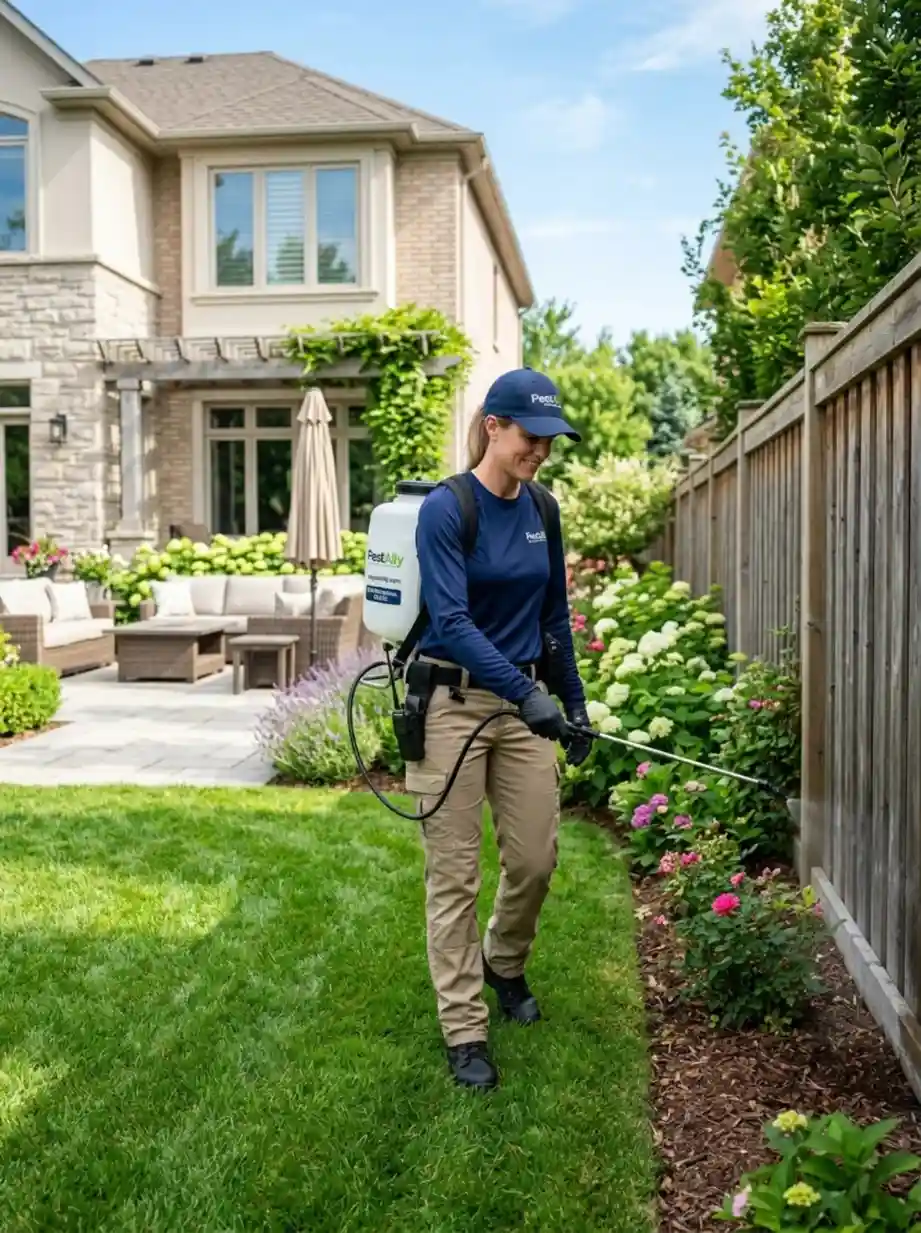
At a Glance
Service Area
Santa Barbara, CA and surrounding Santa Barbara County communities
Most Common Pests
Drywood & subterranean termites, roof rats, ants, cockroaches, spiders, gophers, wasps
Peak Pest Season
Drywood termite swarms late summer and autumn; rodents through the wet season
Response Time
Same-day and next-day appointments typically available
Santa Barbara’s Year-Round Pest Calendar
A mild coastal climate means activity shifts rather than stops — and termites set the rhythm.
Winter
Dec – FebWet season pushes rodents into attics and crawl spaces
Rain drives ant colonies indoors through walls and slab gaps
Subterranean termite activity resumes as soil warms
Spring
Mar – MayAnts expand outdoors; wasps begin building under eaves
Coastal damp holds through May; moisture pests stay active
Ants move indoors hunting water as the ground dries
Summer
Jun – AugAnt and roach pressure peaks through the warm months
Drywood termite swarms begin appearing at windows and lights
Peak drywood swarm season; spiders at full size in garages
Fall
Sep – NovSwarming continues into autumn on warm days
Cooling, wetter weather moves roof rats toward attics
Rodent pressure peaks as the wet season sets in
One exception: Drywood termites don’t arrive from the ground and don’t follow the rain. They fly directly into exposed attic framing, beams and trim in late summer and autumn — which is why a subterranean soil treatment gives no protection against them and why the attic has to be inspected separately.
Services We Cover in Santa Barbara
Coastal bungalow, hillside home or older Spanish-style property — here’s what the local pros in our network handle.
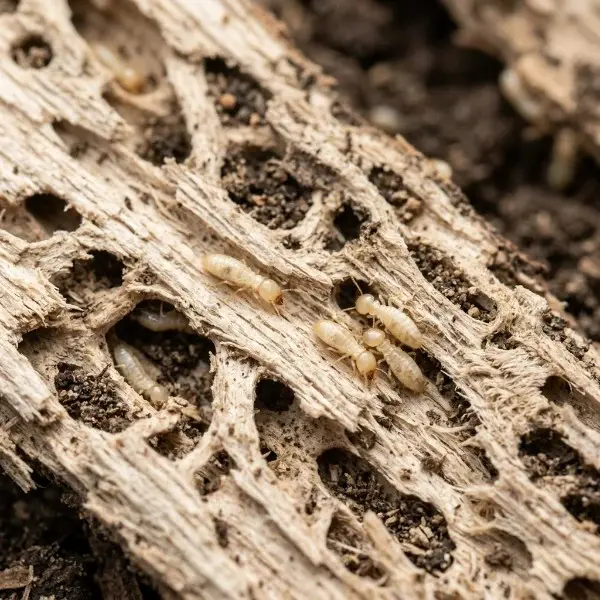
Termites
Drywood termites fly in and live entirely inside the wood with no ground contact, so they need localized wood treatment or fumigation.
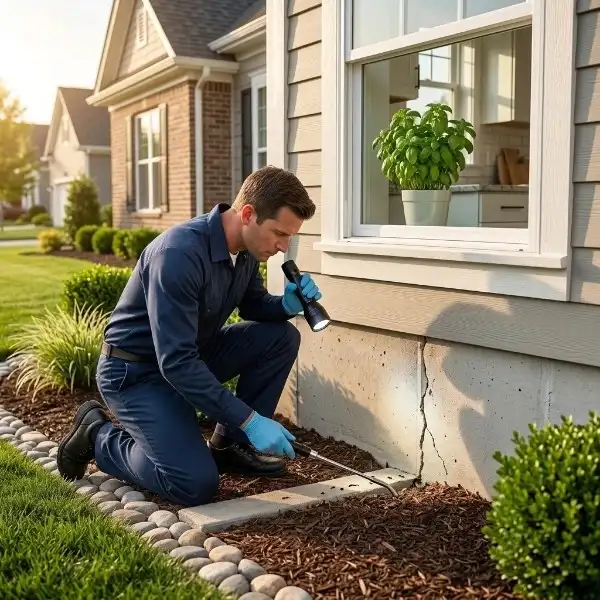
Ants
Argentine and odorous house ants trail indoors after winter rain and again during dry summer weeks hunting water.
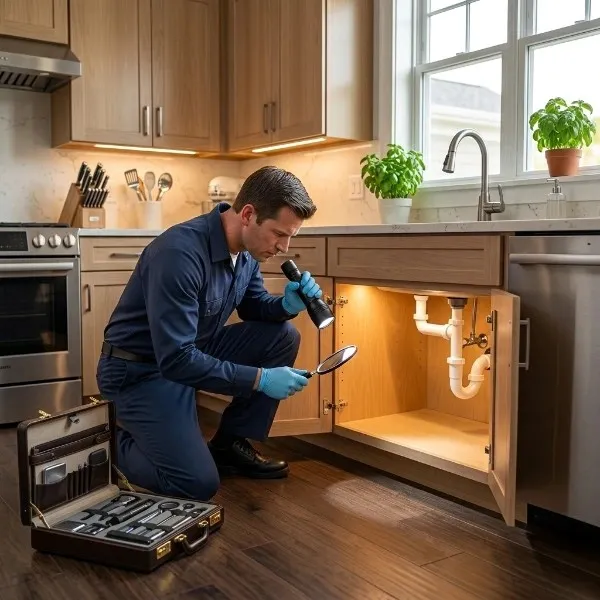
Roaches
German and American roaches persist in the mild coastal climate, especially in older plumbing and multi-unit buildings.
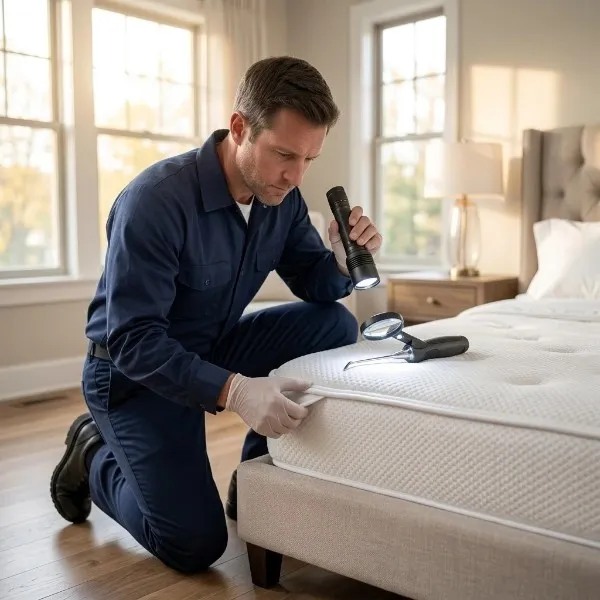
Bed Bugs
Steady tourism and rental turnover through Santa Barbara keeps bed bug cases consistent year-round.
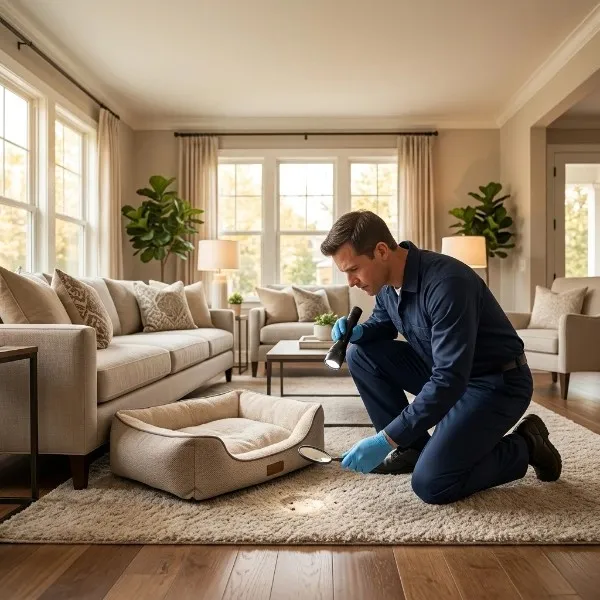
Fleas
Fleas persist in the mild damp and are re-seeded by canyon and creek-edge wildlife.
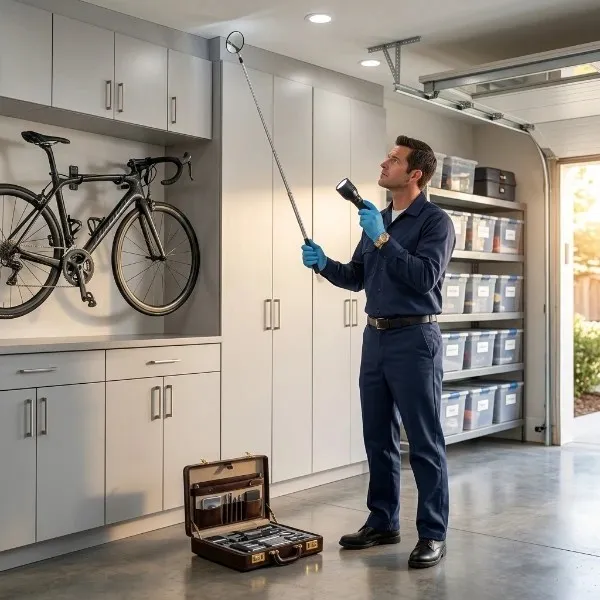
Spiders
Spiders concentrate in garages, sheds, fence lines and the damp corners older coastal homes tend to have.
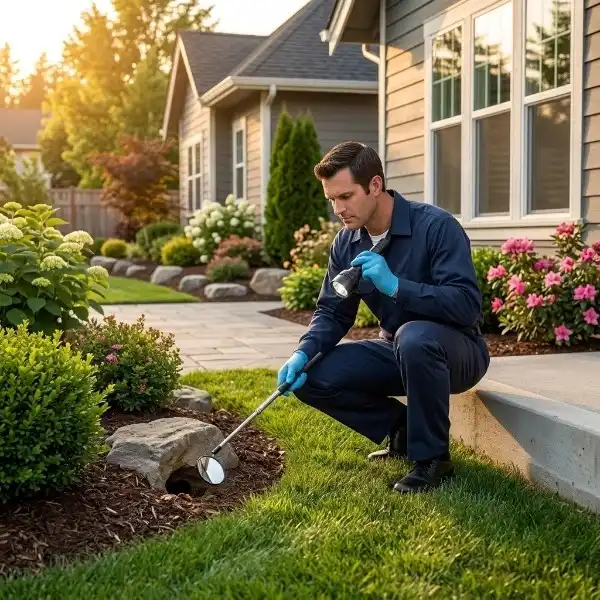
Yellow Jackets
Ground and void nests turn up along slopes and lawns and become defensive in late summer.
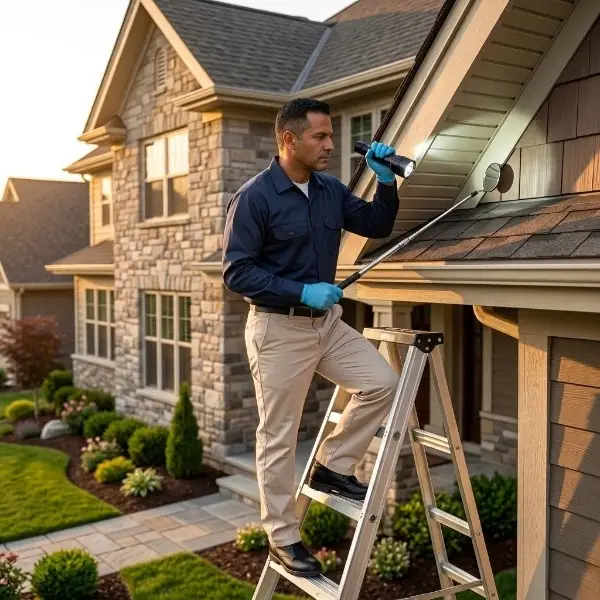
Wasps
Paper wasps build under eaves, tile roofs and patio covers across the county each spring.
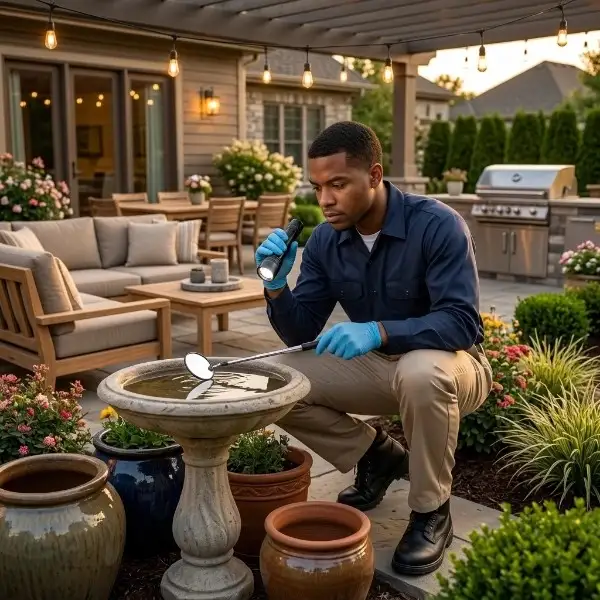
Mosquitoes
Standing water in containers, creek margins and neglected pools supports mosquitoes through the warm season.
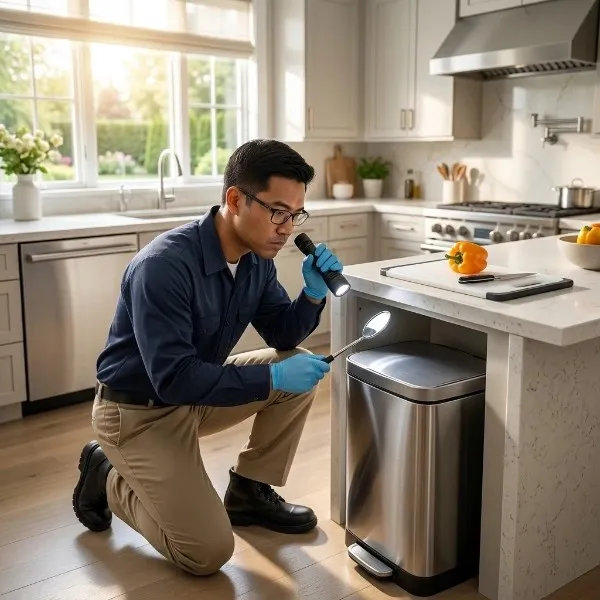
Flies
Drain and small flies trace to a specific source, often an older or seldom-used line.
General Insects
Silverfish and moisture pests thrive in coastal damp, plus drywood and subterranean termite inspection referrals.

General Rodents
Roof rats, Norway rats and field mice work canyon edges, creeks and mature landscaping into attics and crawl spaces.
Trusted by Homeowners Across the Country
Licensed & Insured
Every pro in the network carries current licensing and insurance.
Same-Day Service
Same-day and next-day appointments typically available.
100% Satisfaction Guarantee
If the pest comes back, your pro comes back — that is the standard.
Locally Trusted Experts
Independent pros who actually live and work in your area.
No Obligation to Book
Talk to a pro first. Nothing is committed until you say so.
Vetted Pro Network
We screen every contractor before they join the PestAlly network.
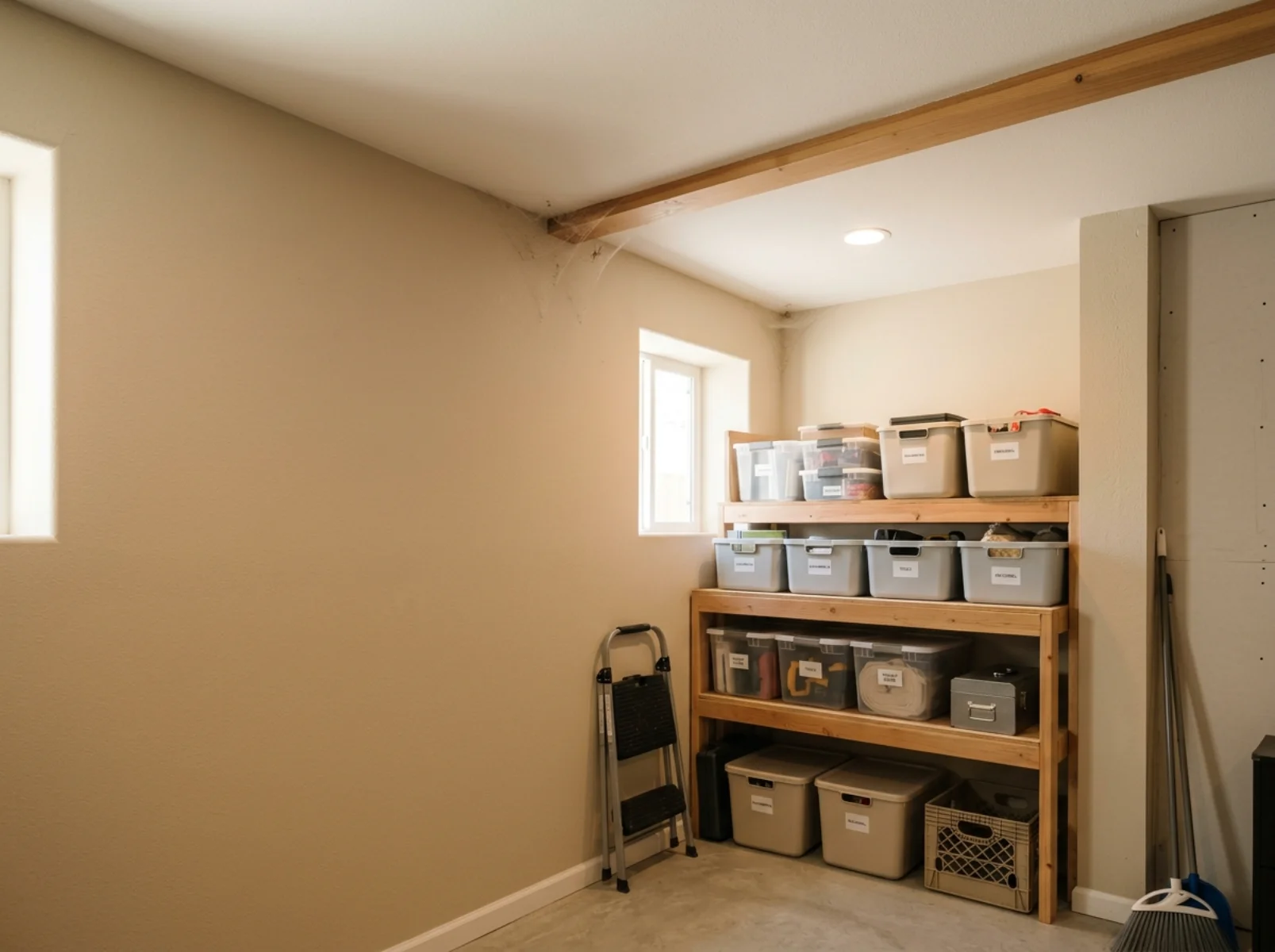
Most Common Pest Entry Points in Santa Barbara Homes
Drywood termites fly in and enter exposed wood directly through small cracks in attic framing, beams, fascia and trim — the single most important area to inspect on a Santa Barbara home.
Tile roofs and complex roof-to-wall junctions on older Spanish-style properties give rodents and insects gaps that a simple flat roofline doesn’t have.
Many older homes here sit over a crawl space, and an unscreened vent or warped access door opens the whole sub-floor to rodents, spiders and moisture pests.
Properties backing onto a canyon or creek sit on a permanent wildlife corridor, so rodent and spider pressure arrives from that side continuously.
Mature trees, hedges and vines touching the roof or walls act as a bridge, letting roof rats bypass the ground entirely.
Why Santa Barbara Homes Deal With These Pests Specifically
Two coastal conditions change the job here — and the first is why local termite inspections are so thorough.
Two termite species, two completely different treatments
This coast faces western subterranean termites working up from the soil and drywood termites flying straight into attic framing. They share almost nothing: one needs ground contact, the other never touches soil at all.
Assuming one treatment covers both. A soil barrier addresses subterranean termites only, and localized wood treatment or fumigation addresses drywood — inspecting for one and treating for the other is the common and expensive mistake.
Coastal damp keeps moisture pests going all year
Marine air and the May-and-June cloud cover hold humidity against buildings for long stretches. Combined with older construction and limited sub-floor ventilation, that keeps silverfish, spiders and other moisture pests active in months when they’d be dormant inland.
Treating the symptom instead of the ventilation. Where the crawl space or sub-floor stays damp, the population simply re-establishes after each treatment.
What to Expect From a Local Pro’s Visit
Every Santa Barbara property is different, but the sequence stays the same — your local pro inspects the attic and the sub-floor, because that’s where coastal problems live.
Inspect
Full inspection: attic framing and roof vents, tile roof junctions, crawl space and sub-floor, canyon or creek boundary, and landscaping contact.
→Identify
Confirming the species, since drywood and subterranean termite work require entirely different treatment approaches.
→Treat
Matched to the finding: localized wood treatment or fumigation, soil treatment, rodent exclusion or perimeter work.
→Seal
Sealing roof-line and vent access, screening crawl space vents, and cutting back landscaping that bridges to the structure.
→Follow Up
Ongoing service through a climate with no off-season, plus routine termite inspection — standard practice on this coast.
→How PestAlly Works in Santa Barbara
PestAlly doesn’t perform the pest control ourselves — we connect you with vetted, independent local professionals who do.
Get Started →Tell us what’s going on
The pest, and roughly where in the Santa Barbara area you’re located.
We match you with an independent, local pro
Someone who services your specific neighborhood.
You deal directly with that contractor
Pricing, scheduling, and the work itself are between you and them.
Frequently Asked Questions
What’s the difference between drywood and subterranean termites?⌄
Subterranean termites live in the soil and travel up into the structure, so soil treatment applies. Drywood termites fly in and live entirely inside the wood with no ground contact, so they need localized wood treatment or fumigation. Santa Barbara has both, which is why inspections here check the attic as well as the foundation.
When do drywood termites swarm here?⌄
Late summer and into autumn, on warm days. Swarmers appear around windows and exterior lights, and finding them — or small pellet-like droppings beneath beams and furniture — usually means an established colony in the wood rather than a passing swarm.
Why does my house have silverfish and damp-loving pests?⌄
Coastal marine air and long cloudy stretches keep humidity high against the building, and older homes here often have limited sub-floor ventilation. That combination sustains silverfish and other moisture pests regardless of how clean the house is.
Does backing onto a canyon or creek matter?⌄
It does. Canyon and creek edges act as continuous wildlife corridors, so those properties see noticeably higher rodent and spider pressure. Treatment usually has to start at that boundary rather than at the wall.
Does PestAlly serve my specific Santa Barbara neighborhood?⌄
PestAlly connects homeowners throughout Santa Barbara and Santa Barbara County, including the Mesa, the Riviera, San Roque, the Upper East, Samarkand and Oak Park. ZIP codes we cover in Santa Barbara are 93101, 93103, 93105, 93106, 93108, 93109, 93110 and 93111.
Get Connected With a Local Santa Barbara Pest Control Pro
Whether it’s termite pellets under a beam, swarmers at the window in September, or rodents coming off the canyon, PestAlly connects you with an independent, local pro who knows what this coast is actually up against.
Looking beyond Santa Barbara? See every California city we cover →