
Pest Control in Santa Rosa, CA
Connect With a Local Pro
Who Knows Wine Country
PestAlly connects Sonoma County homeowners with independent
local pest control pros who know vineyard roof rats, late-summer yellowjackets
and the wildland edge along the eastern hills.
In Sonoma County, the Wildland Edge Decides the Pest Pressure
Santa Rosa is built right up against vineyards and oak woodland, and that boundary drives most of the local pest problems. Roof rats account for nearly all the rodent activity in Sonoma County — they climb well, move through vine rows and oak canopy, and settle into attics as soon as the rains begin. The eastern foothill neighbourhoods sit hardest against that wildland edge and take continuous wildlife, tick and rodent pressure, while the flatter central and western parts of the city deal more with Argentine ants and termites. Late summer then brings yellowjackets along eaves and rooflines across all of it. PestAlly connects Santa Rosa homeowners with independent, local pros who read that boundary first.
Get Connected With a Local Pro →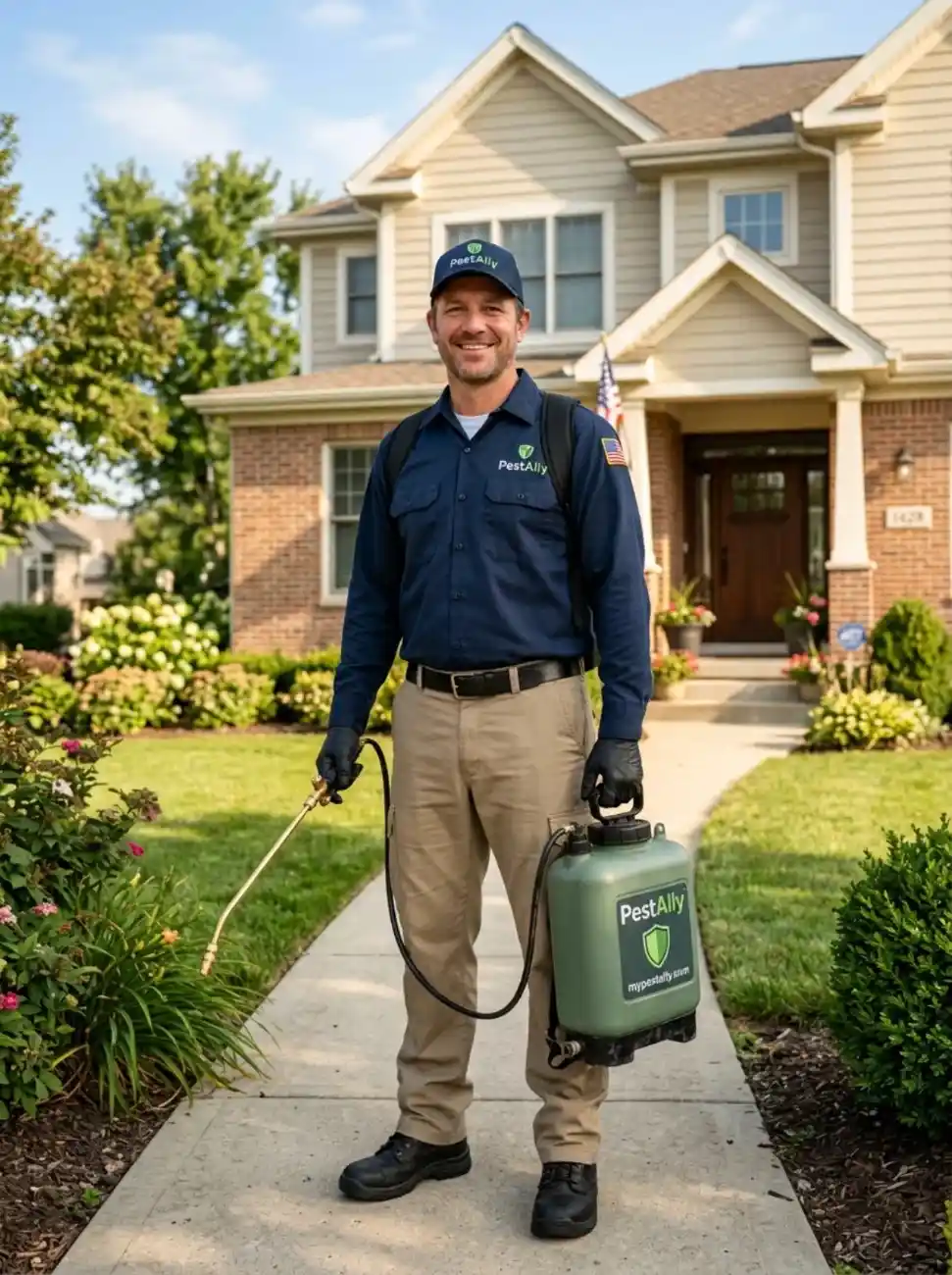
At a Glance
Service Area
Santa Rosa, CA and surrounding Sonoma County communities
Most Common Pests
Roof rats, yellowjackets, Argentine ants, subterranean termites, ticks, spiders
Peak Pest Season
Yellowjackets peak late summer; roof rats move in with the first rains
Response Time
Same-day and next-day appointments typically available
Santa Rosa’s Year-Round Pest Calendar
Wine country’s wet winters and dry summers give the year two clear halves — rodents in one, stinging insects in the other.
Winter
Dec – FebRoof rats settled in attics; rain keeps rodent pressure high
Wet ground pushes Argentine ants indoors
Subterranean termite activity resumes as soil warms
Spring
Mar – MayTermite swarms appear; yellowjacket queens start new nests
Ticks active along trails and the wildland edge
Ant colonies expand; yellowjacket nests grow quickly
Summer
Jun – AugDry summer drives ants indoors hunting water
Yellowjacket colonies near full size along eaves and rooflines
Yellowjackets at their most aggressive as colonies decline
Fall
Sep – NovHarvest in the vineyards stirs rodent movement
First rains send roof rats and house mice into attics
Rodent pressure peaks through the wet season
One exception: The eastern foothill neighbourhoods don’t really follow this calendar. Where homes back onto open hillside and oak woodland, wildlife, tick and rodent pressure is continuous rather than seasonal — the wildland edge keeps resupplying regardless of the month.
Services We Cover in Santa Rosa
Foothill property, vineyard edge or central neighbourhood — here’s what the local pros in our network handle.
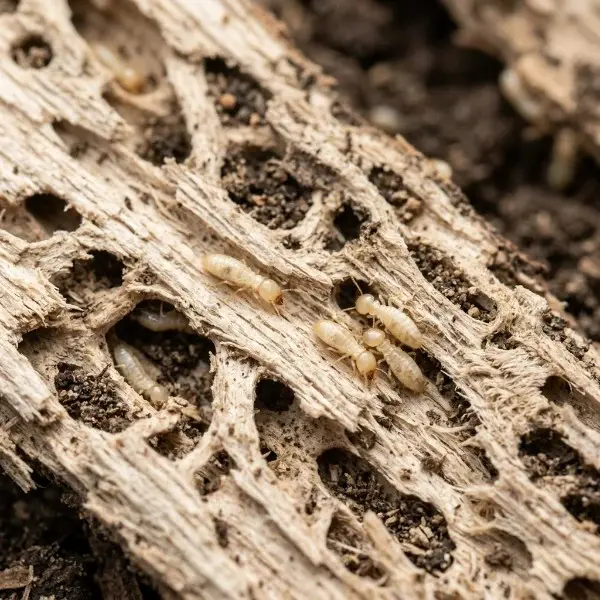
Termites
General Insects Ticks are a genuine concern along the hills and trails around Santa Rosa, plus subterranean termite inspection referrals.
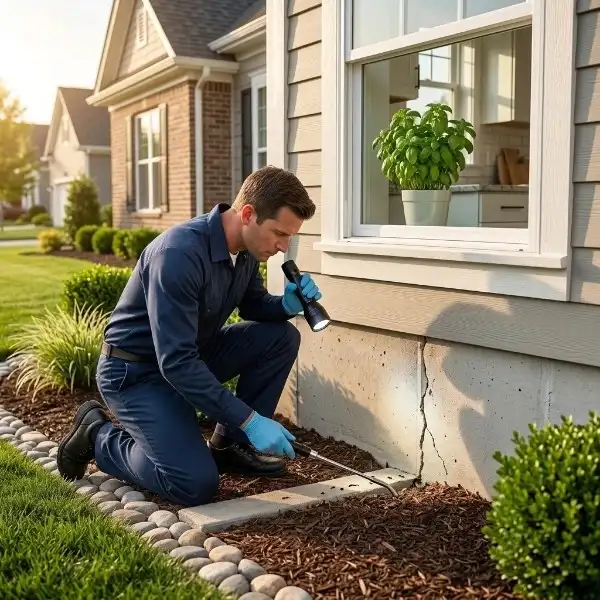
Ants
Argentine ants are the dominant ant here, pressing indoors when winter rain floods colonies and again when summer dries their water out.
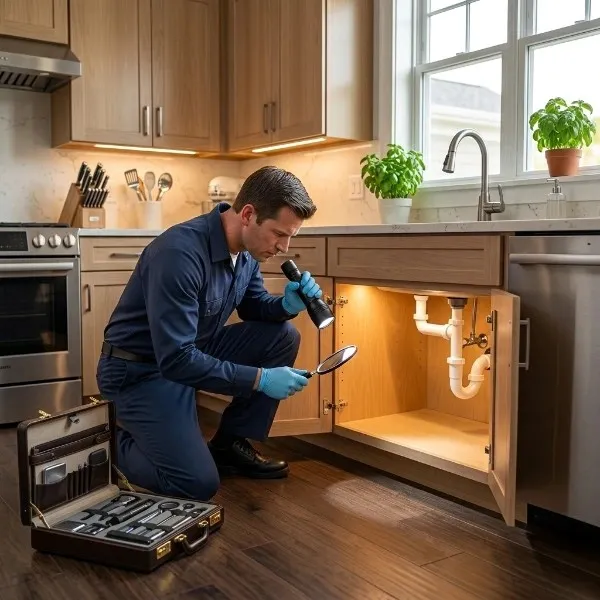
Roaches
German and American roaches persist in the mild climate, especially in older housing and multi-unit buildings.

Bed Bugs
Tourism and rental turnover through wine country keeps bed bug cases steady year-round.

Fleas
Fleas are re-seeded constantly by wildlife working the oak woodland and vineyard margins.

Spiders
Spiders concentrate in garages, sheds, woodpiles and along fence lines at the wildland edge.
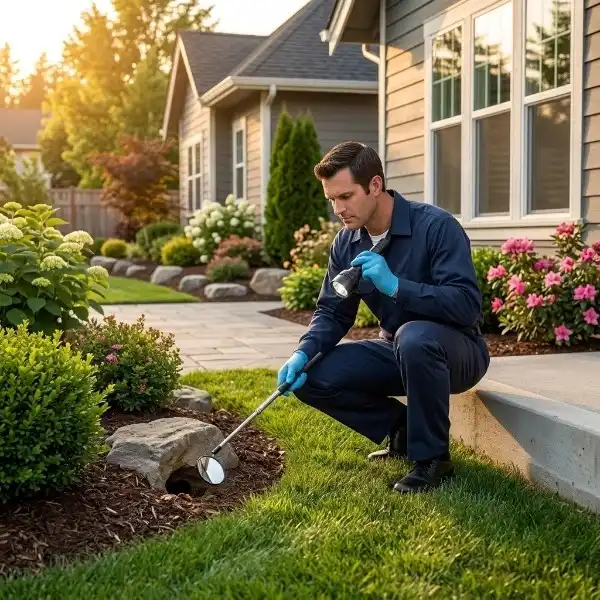
Yellow Jackets
Yellowjackets are a defining Sonoma County problem, building along eaves and rooflines and turning aggressive in late summer.

Wasps
Paper wasps build under eaves, patio covers and outbuildings across the county each spring.

Mosquitoes
Standing water in containers, creek margins and irrigation supports mosquitoes through the warm months.

Flies
Drain and small flies trace to a specific source rather than needing the room fogged.

General Insects
Ticks are a genuine concern along the hills and trails around Santa Rosa, plus subterranean termite inspection referrals.

General Rodents
Roof rats account for nearly all Sonoma County rodent activity — strong climbers that reach attics through vines, oaks and rooflines.
Trusted by Homeowners Across the Country
Licensed & Insured
Every pro in the network carries current licensing and insurance.
Same-Day Service
Same-day and next-day appointments typically available.
100% Satisfaction Guarantee
If the pest comes back, your pro comes back — that is the standard.
Locally Trusted Experts
Independent pros who actually live and work in your area.
No Obligation to Book
Talk to a pro first. Nothing is committed until you say so.
Vetted Pro Network
We screen every contractor before they join the PestAlly network.
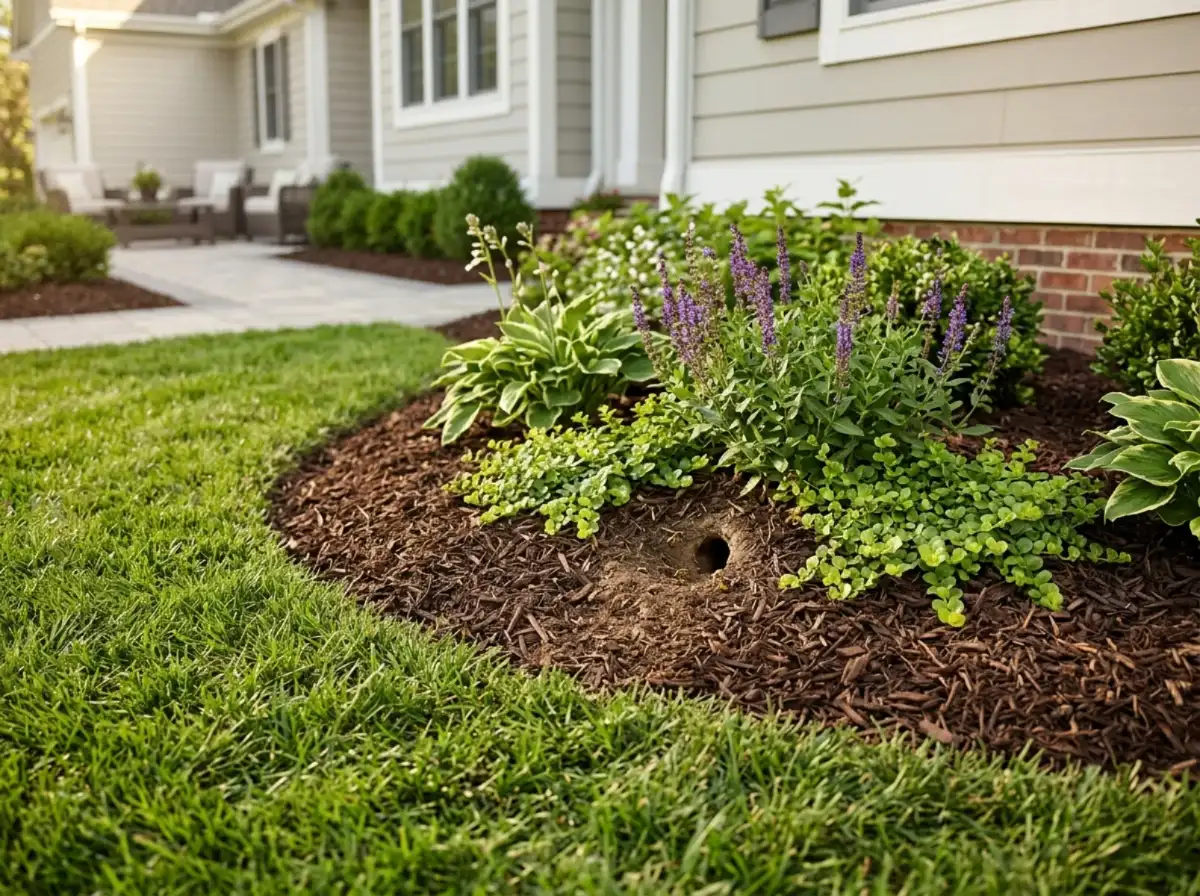
Most Common Pest Entry Points in Santa Rosa Homes
Roof rats are climbers, not burrowers. Overhanging oak limbs, trellis and vine rows reaching the roof are the usual route into a Santa Rosa attic, which is why trimming matters more than ground traps.
Yellowjackets build directly into eave voids and roofline gaps, and those nests are often only noticed once the colony is large and defensive in late summer.
Homes backing onto open hillside or oak woodland, especially through the eastern foothills, sit on a permanent wildlife, tick and rodent corridor.
Older Santa Rosa homes over a crawl space lose the whole sub-floor to rodents and spiders through a single unscreened vent or warped access door.
Irrigated planting hard against the foundation gives Argentine ants a moisture trail indoors through the dry season.
Why Santa Rosa Homes Deal With These Pests Specifically
Two Sonoma County conditions change the job here — one is about climbing, the other about timing.
Roof rats climb in — ground-level control misses them
Roof rats make up nearly all the rodent activity in Sonoma County. They travel through oak canopy, vine rows and along rooflines rather than across open ground, then nest above the ceiling where they’re heard long before they’re seen.
Setting traps at ground level and leaving the canopy alone. If branches, trellis and vines still bridge to the roof, the route stays open and a new group simply follows it.
Yellowjackets get dangerous exactly when people are outside most
Colonies reach full size in late summer, and as their natural food runs short they turn to scavenging and become far more defensive. That peak lands squarely in the season people are eating outdoors and working in the yard.
Treating a nest yourself at the wrong time of day. A large late-season colony in an eave void reacts hard to disturbance — this is the one job most worth handing over.

What to Expect From a Local Pro’s Visit
Every Santa Rosa property is different, but the sequence stays the same — your local pro reads the wildland edge and the roofline, because that’s where Sonoma County problems start.
Inspect
Full inspection: roofline and eave voids, oak and vine contact, wildland boundary, crawl space, irrigation and planting.
→Identify
Confirming the species, since roof rat exclusion, yellowjacket nest work and termite soil treatment are separate jobs.
→Treat
Matched to the finding: rodent exclusion and trapping, direct nest treatment, ant baiting or termite soil work.
→Seal
Sealing roofline and vent access, screening crawl space vents, and cutting back canopy and vine contact.
→Follow Up
Ongoing service through a climate with no off-season, weighted to the late-summer wasp peak and the wet-season rodent move.
→How PestAlly Works in Santa Rosa
PestAlly doesn’t perform the pest control ourselves — we connect you with vetted, independent local professionals who do.
Get Started →Tell us what’s going on
The pest, and roughly where in the Santa Rosa area you’re located.
We match you with an independent, local pro
Someone who services your specific neighborhood.
You deal directly with that contractor
Pricing, scheduling, and the work itself are between you and them.
Frequently Asked Questions
Why are rats getting into my attic and not my garage?⌄
Because roof rats climb. They account for nearly all rodent activity in Sonoma County and travel through oak canopy, vines and along rooflines into attic spaces rather than entering at ground level. Trimming back canopy contact and sealing roofline gaps is what closes the route.
When are yellowjackets worst in Sonoma County?⌄
Late summer. Colonies reach maximum size around then, and as natural food runs short they start scavenging and become noticeably more defensive — which is why stings spike in exactly the weeks people are outdoors most.
Does backing onto the hills really make a difference?⌄
It does. Homes along the eastern foothills and the oak woodland edge take continuous wildlife, tick and rodent pressure rather than seasonal pressure, so treatment there usually has to start at that boundary.
Should I worry about ticks around Santa Rosa?⌄
Ticks are present in the hills and trail areas around the city, and Lyme disease risk is a recognised concern in this part of California. Keeping vegetation cut back from the house and yard edges reduces contact. For any health concern after a bite, speak with a doctor.
Does PestAlly serve my specific Santa Rosa neighborhood?⌄
PestAlly connects homeowners throughout Santa Rosa and Sonoma County, including Fountaingrove, Bennett Valley, Rincon Valley, Skyhawk, Oakmont and Coffey Park. ZIP codes we cover in Santa Rosa are 95401, 95403, 95404, 95405, 95407 and 95409.
Get Connected With a Local Santa Rosa Pest Control Pro
Whether it’s rats above the ceiling, a yellowjacket nest in the eave, or ants arriving with the first rain, PestAlly connects you with an independent, local pro who knows what Sonoma County homes are actually up against.
Looking beyond Santa Rosa? See every California city we cover →